Nutrition advice
Nutrition advice looks at the food, the amount, the body condition, the life stage and any medical needs in order to mak...

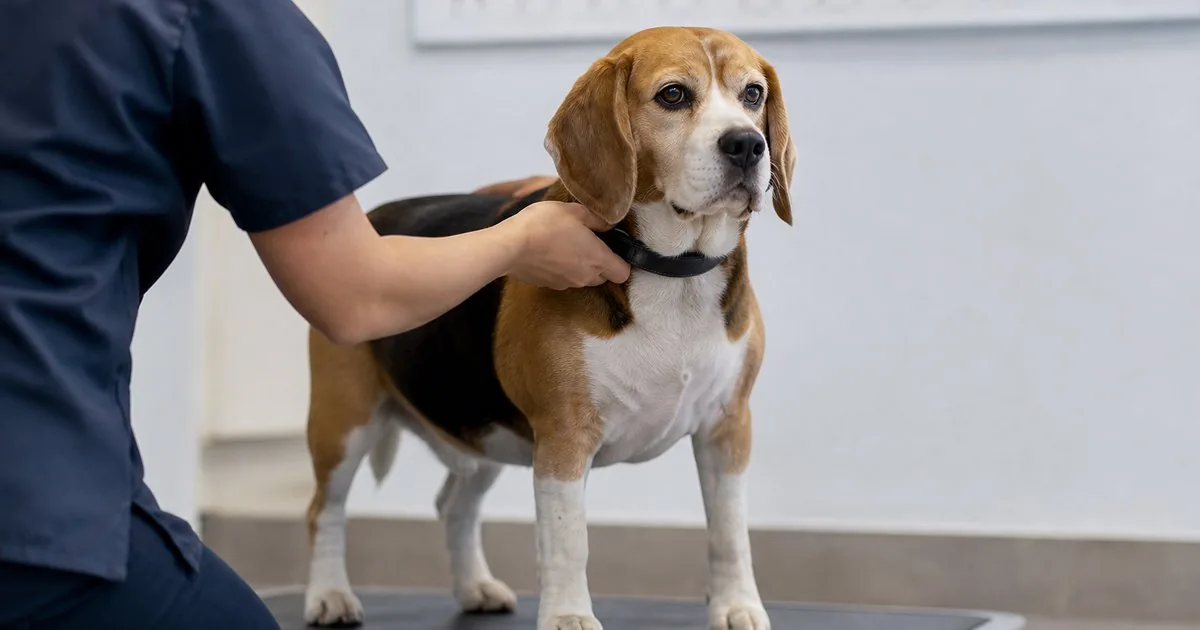
A weight control programme combines a medical assessment, measured food intake, suitable activity and monitoring of progress.
Weight is not managed simply through “less food" or “more running". A responsible programme starts with a veterinary assessment, weighing, a body condition score, muscle mass, the diet history and identifying medical or lifestyle factors. The scales alone do not show body composition and do not set a suitable target.
Everything the dog consumes is listed: main food, treats, leftovers, chews, supplements and food given by several family members. Portions have to be measured, not estimated by eye. The treats used in training can come out of the daily ration or be included in the total calculation.
The loss has to be monitored, and the rate set by the vet. Sudden restriction and improvised diets can be unbalanced. The exercise is adapted to the dog's current capacity; an overweight, sedentary dog does not start with intense running. Controlled walks, scent games and low-impact exercises can be introduced step by step.
Maintenance is a separate stage. Once the target is reached, the portion and the activity are adjusted for stability. The family needs a system it can keep to, not a short period of restriction followed by a return to the old habits.
This subcategory can be relevant in situations such as dogs with confirmed excess weight, animals that have gained weight after neutering or after their activity was reduced, and families who want to maintain a healthy body condition.
Cutting the food suddenly and arbitrarily, or intense exercise, is not a safe plan and can overlook a medical cause.
a veterinary assessment and setting the target; measuring the portions and the treats.
gradual activity; regular weighing and adjustments.
Signs such as intense hunger and searching for food, tiredness on exercise, joint pain and changes in the stools or the appetite can show how the animal is experiencing the situation.
To reduce improvisation, the current weight and food, all the snacks and supplements, the level of activity, and any conditions and medicines all have to be prepared.
More useful criteria are realistic targets, following the body condition rather than only the scales, involving every member of the family, hygiene of the instruments and the space, and calm handling with breaks.
Training can use part of the daily ration as rewards and can increase activity, but it does not set the energy requirement without a nutritional assessment.
the medical and nutritional plan is set competently; there is no universal rate that suits everyone. Among the risks to be discussed are excessive restriction, muscle loss, accidents during exercise and extra portions that go unrecorded.
A good decision about weight loss and weight maintenance programmes does not start from the idea that the same format has to work for everyone.
How a service is organised responsibly, how to recognise quality, where the limits are and what to ask before you pay - explained once, for all services.
This page explains the service, it does not sell it. Some of these we run ourselves, others happen at a veterinary practice, a grooming salon, or with people we work alongside.
Frequently asked questions
It can make sense above all for dogs with confirmed excess weight, animals that have gained weight after neutering or after their activity was reduced, and families who want to maintain a healthy body condition.
Useful information includes the current weight and food, all the snacks and supplements, the level of activity, and any conditions and medicines.
You watch for intense hunger and searching for food, tiredness on exercise, joint pain, changes in the stools or the appetite, panting, trembling or freezing, and attempts to withdraw.
the medical and nutritional plan is set competently; there is no universal rate that suits everyone.
Training can use part of the daily ration as rewards and can increase activity, but it does not set the energy requirement without a nutritional assessment.
Physical care
Nutrition advice looks at the food, the amount, the body condition, the life stage and any medical needs in order to mak...
Grooming brings together the procedures that keep the coat, the skin, the paws and the overall appearance in good order,...
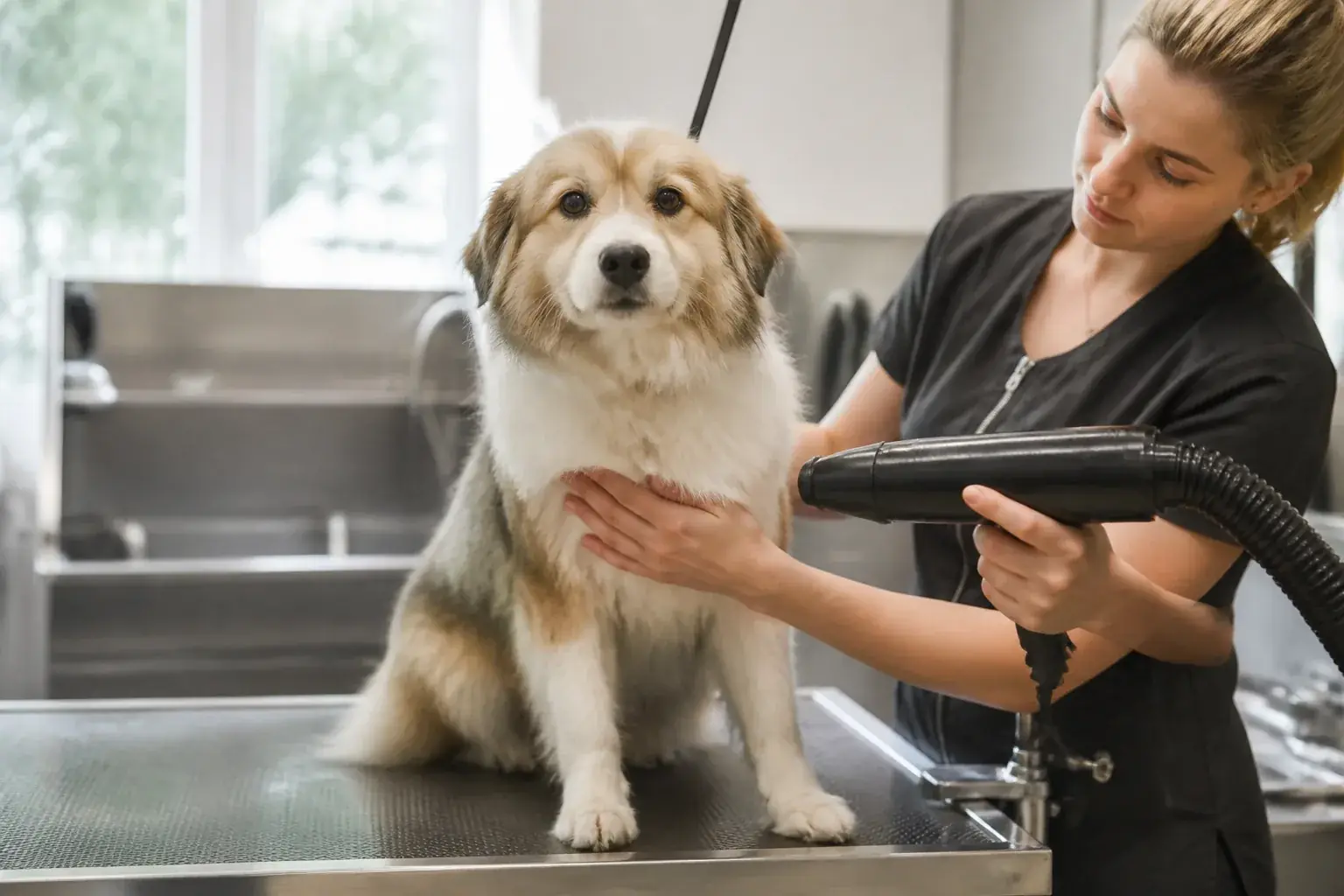
Washing and drying remove dirt and keep the coat in good order, but the products, the frequency and the technique have t...
Clipping or filing the nails aims to keep them at a functional length and to prevent catching, breaking or discomfort wh...
Ear and dental care covers preventive routines and watching for changes, without confusing cleaning at home with medical...
Clipping shortens the coat with clippers or scissors, while stripping removes mature hair in a controlled way for certai...
Write to us about what is actually happening with your dog. We will tell you which kind of service would help - and, if that is the case, that you need none of them.