Canine massage
Canine massage uses touch and manual techniques for relaxation or comfort, within the limits of the practitioner's train...
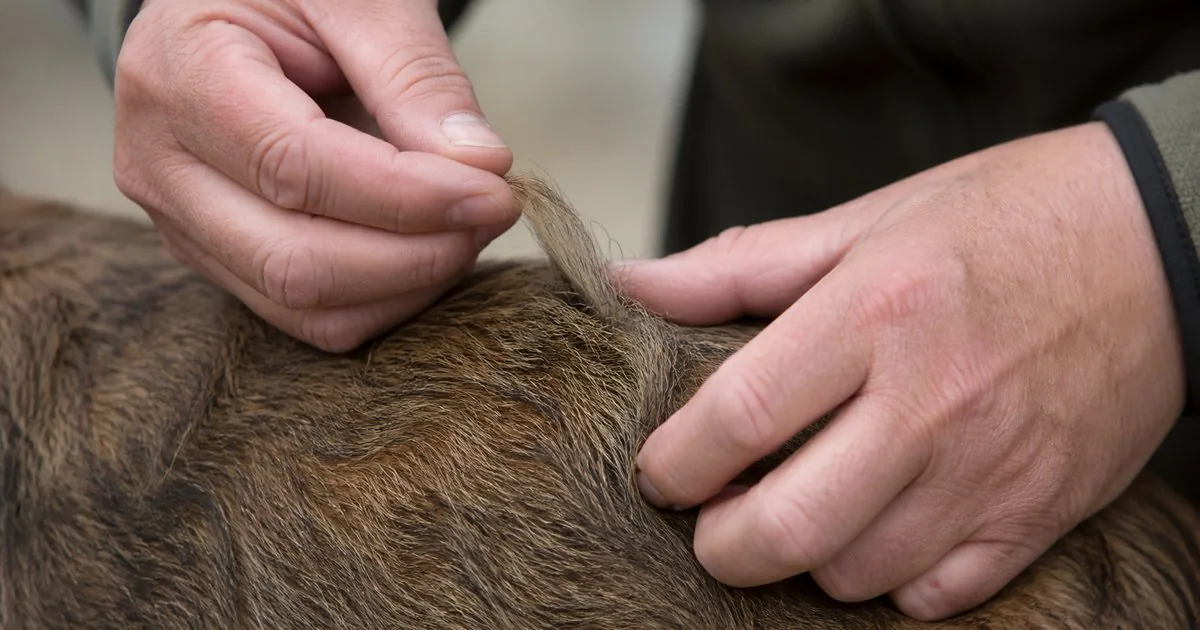
Clipping shortens the coat with clippers or scissors, while stripping removes mature hair in a controlled way for certain coat types.
Clipping shortens the coat with clippers or scissors, while stripping can mean removing mature hair in a controlled way for certain coat types. The technique is chosen according to the structure of the hair, the condition of the skin, the previous upkeep and the practical purpose. Not all breeds and coat types are cared for in the same way.
A haircut has to allow movement, hygiene and comfort. The look the owner wants is discussed, but the health of the skin and the dog's tolerance come first. Areas with thin skin, folds, mats stuck close to the skin or lesions need care. Hot tools, unsuitable blades and excessive stretching can cause accidents.
Stripping done properly takes technique and patience. If the coat or the skin does not allow the procedure to be done comfortably, the specialist has to explain the alternatives. There is no justification for continuing a long session just to achieve a cosmetic standard.
Between visits, the owner is given realistic advice on brushing and detangling. A plan of a few minutes done regularly is more useful than trying to deal with severe mats at home.
It is most useful in contexts such as dogs whose coat needs shaping or upkeep, animals with mats that cannot be teased out comfortably, and owners who need a practical care plan.
Not every coat is clipped or stripped in the same way, and keeping a cosmetic length does not take priority over the skin and the dog's tolerance.
assessing the coat type and the skin; choosing the technique and the length.
working area by area, with breaks; advice on brushing and on future intervals.
Signs such as sensitivity to the blades, trying to sit down or move away, redness and tiredness from holding a position can show how the animal is experiencing the situation.
Beforehand you need information and resources such as a history of clipping and of reactions, the state of the mats, medically sensitive areas, and realistic expectations about the final look.
More useful criteria are clean, cool blades, a technique suited to the coat, no excessive stretching of the skin, hygiene of the instruments and the space, and calm handling with breaks.
Getting used to the noise of the clippers and to being positioned can reduce stress, but compliance must not be obtained through painful restraint.
skin problems need a vet; sometimes clipping short is kinder than forcing mats out. Among the risks to be discussed are cuts, irritation after the blade, pain while teasing out mats and sessions that run too long.
A good decision about clipping and hand-stripping does not start from the idea that the same format has to work for everyone.
How a service is organised responsibly, how to recognise quality, where the limits are and what to ask before you pay - explained once, for all services.
This page explains the service, it does not sell it. Some of these we run ourselves, others happen at a veterinary practice, a grooming salon, or with people we work alongside.
Frequently asked questions
It can make sense above all for dogs whose coat needs shaping or upkeep, animals with mats that cannot be teased out comfortably, and owners who need a practical care plan.
Useful information includes a history of clipping and of reactions, the state of the mats, medically sensitive areas, and realistic expectations about the final look.
You watch for sensitivity to the blades, trying to sit down or move away, redness, tiredness from holding a position, panting, trembling or freezing, and attempts to withdraw.
skin problems need a vet; sometimes clipping short is kinder than forcing mats out.
Getting used to the noise of the clippers and to being positioned can reduce stress, but compliance must not be obtained through painful restraint.
Physical care
Canine massage uses touch and manual techniques for relaxation or comfort, within the limits of the practitioner's train...
Veterinary physiotherapy and rehabilitation use a functional assessment together with prescribed exercises or procedures...
Hydrotherapy uses a water environment, for example a pool or an underwater treadmill, as part of a plan for recovery or...
A weight control programme combines a medical assessment, measured food intake, suitable activity and monitoring of prog...
Nutrition advice looks at the food, the amount, the body condition, the life stage and any medical needs in order to mak...
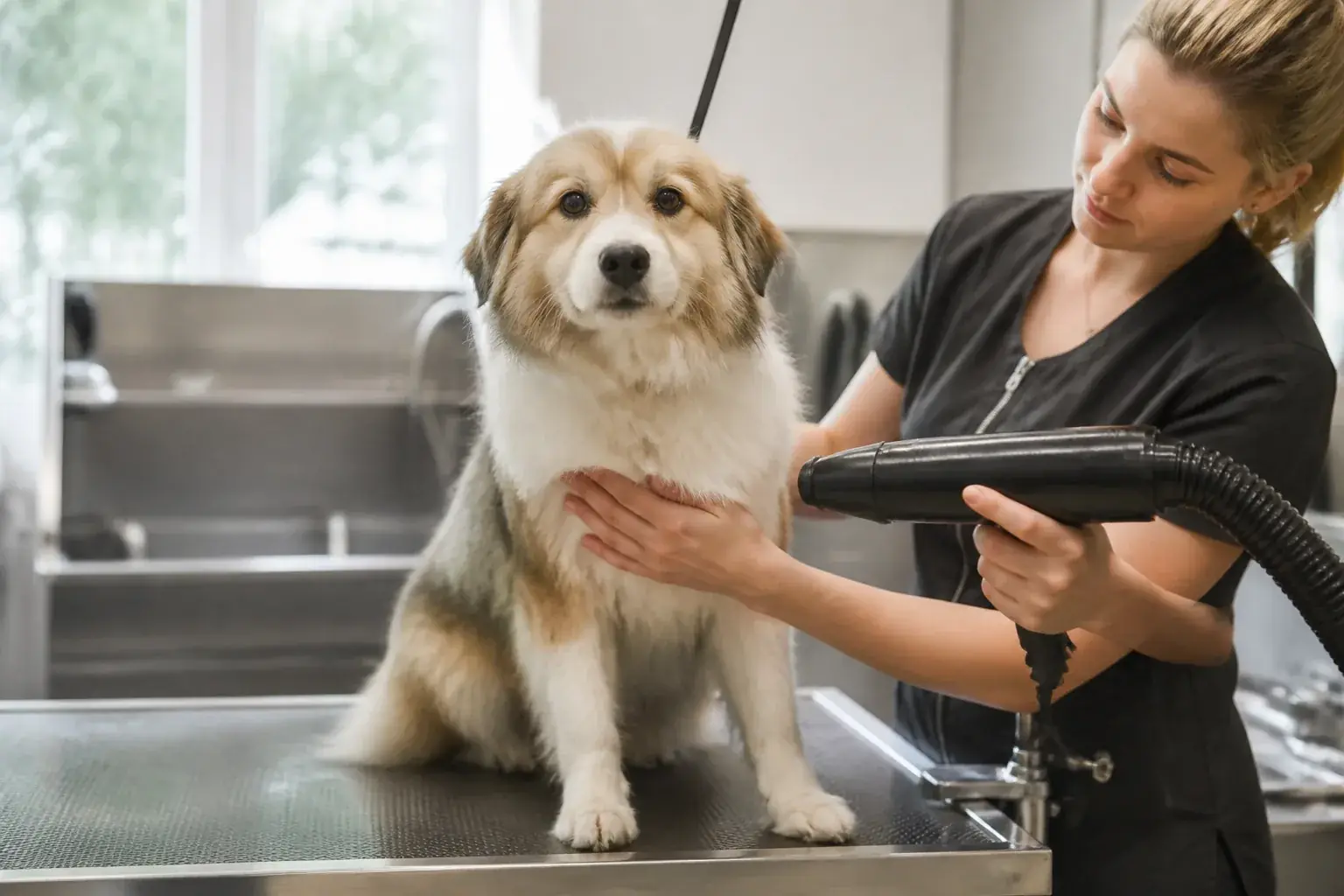
Grooming brings together the procedures that keep the coat, the skin, the paws and the overall appearance in good order,...
Write to us about what is actually happening with your dog. We will tell you which kind of service would help - and, if that is the case, that you need none of them.