Clipping and hand-stripping
Clipping shortens the coat with clippers or scissors, while stripping removes mature hair in a controlled way for certai...

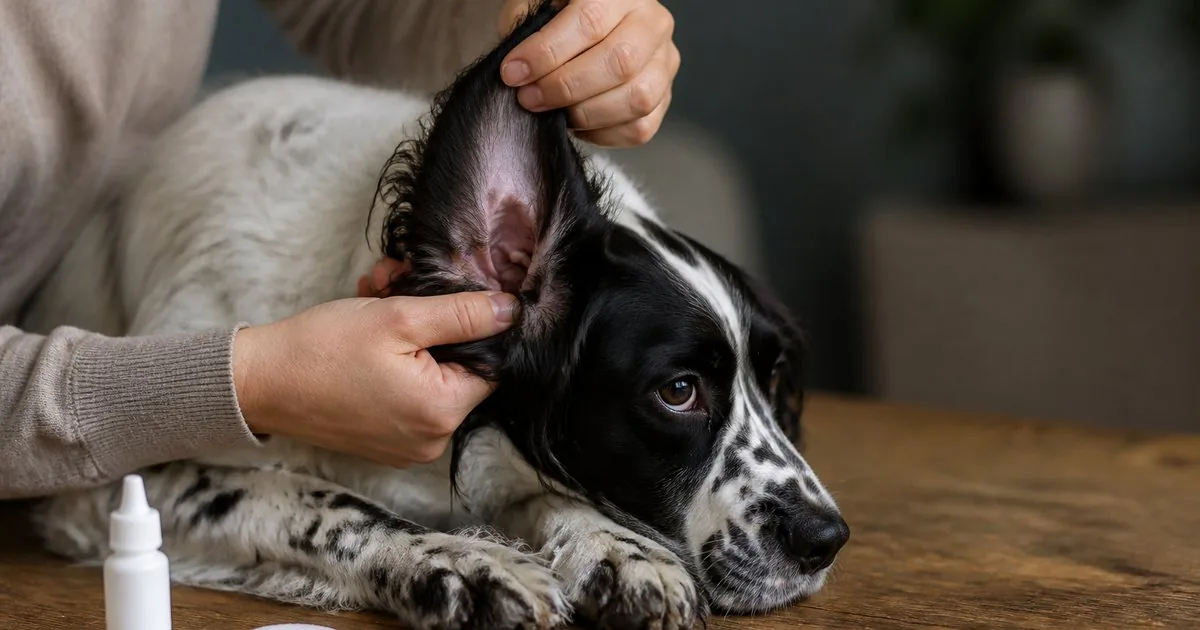
Ear and dental care covers preventive routines and watching for changes, without confusing cleaning at home with medical treatment.
Ears should not be cleaned aggressively or without a reason. Some animals need upkeep as set out by the vet, while others do not need frequent cleaning. Pushing objects deep into the canal, using unsuitable products or cleaning a painful ear can make the problem worse. A strong smell, discharge, repeated head shaking, a head tilt, redness and pain are reasons to see a vet, not to mask the symptoms.
Where there is a recommendation for upkeep, the solution indicated and the technique explained are the ones used. The dog is gradually got used to having the ear flap touched and to the bottle. If it reacts suddenly, you stop and look for the cause.
Oral care at home can include brushing with products made for dogs, introduced gradually. You start by touching the muzzle and briefly lifting the lip, then move on to contact with the brush. The aim is a routine the dog tolerates, not a daily fight. Very hard objects can damage the teeth, and chews have to be chosen according to size, chewing style and safety.
Visible tartar, a persistent smell, bleeding gums, difficulty chewing, drooling, avoiding food or swellings all need a veterinary assessment. Professional dental cleaning and the treatment of oral disease are medical procedures. Removing deposits superficially without assessing the areas below the gum line does not resolve the disease and can create the false impression that the problem has gone.
It can be considered above all for dogs whose vet recommends ear upkeep, families introducing tooth brushing, and animals that can be got used gradually to having their head handled.
Ears should not be cleaned aggressively without a reason, and removing tartar superficially does not treat oral disease below the gum line.
checking the smell, the discharge and the gums; choosing the recommended product.
introducing the touch and the instrument; a short procedure, stopped if there is pain.
Signs such as head shaking, pulling away when the ear is touched, bleeding gums and difficulty chewing or drooling can show how the animal is experiencing the situation.
A preparation sheet should cover a veterinary product or one made for dogs, the technique demonstrated, a suitable brush and paste, and a history of ear infections and dental problems.
More useful criteria are no objects pushed deep into the canal, gentle handling, referral to a vet for discharge or pain, hygiene of the instruments and the space, and calm handling with breaks.
Positive conditioning for touching the muzzle and the ears can support both hygiene and vet visits, but a sudden reaction has to be investigated, not punished.
ear disease and dental treatment are medical procedures; human products can be unsuitable. Among the risks to be discussed are damage to the canal, aspirating the product, worsening inflammation and the false impression that a medical problem has been resolved.
How a service is organised responsibly, how to recognise quality, where the limits are and what to ask before you pay - explained once, for all services.
This page explains the service, it does not sell it. Some of these we run ourselves, others happen at a veterinary practice, a grooming salon, or with people we work alongside.
Frequently asked questions
It can make sense above all for dogs whose vet recommends ear upkeep, families introducing tooth brushing, and animals that can be got used gradually to having their head handled.
Useful information includes a veterinary product or one made for dogs, the technique demonstrated, a suitable brush and paste, and a history of ear infections and dental problems.
You watch for head shaking, pulling away when the ear is touched, bleeding gums, difficulty chewing or drooling, panting, trembling or freezing, and attempts to withdraw.
ear disease and dental treatment are medical procedures; human products can be unsuitable.
Positive conditioning for touching the muzzle and the ears can support both hygiene and vet visits, but a sudden reaction has to be investigated, not punished.
Physical care
Clipping shortens the coat with clippers or scissors, while stripping removes mature hair in a controlled way for certai...
Canine massage uses touch and manual techniques for relaxation or comfort, within the limits of the practitioner's train...
Veterinary physiotherapy and rehabilitation use a functional assessment together with prescribed exercises or procedures...
Hydrotherapy uses a water environment, for example a pool or an underwater treadmill, as part of a plan for recovery or...
A weight control programme combines a medical assessment, measured food intake, suitable activity and monitoring of prog...
Nutrition advice looks at the food, the amount, the body condition, the life stage and any medical needs in order to mak...
Write to us about what is actually happening with your dog. We will tell you which kind of service would help - and, if that is the case, that you need none of them.