
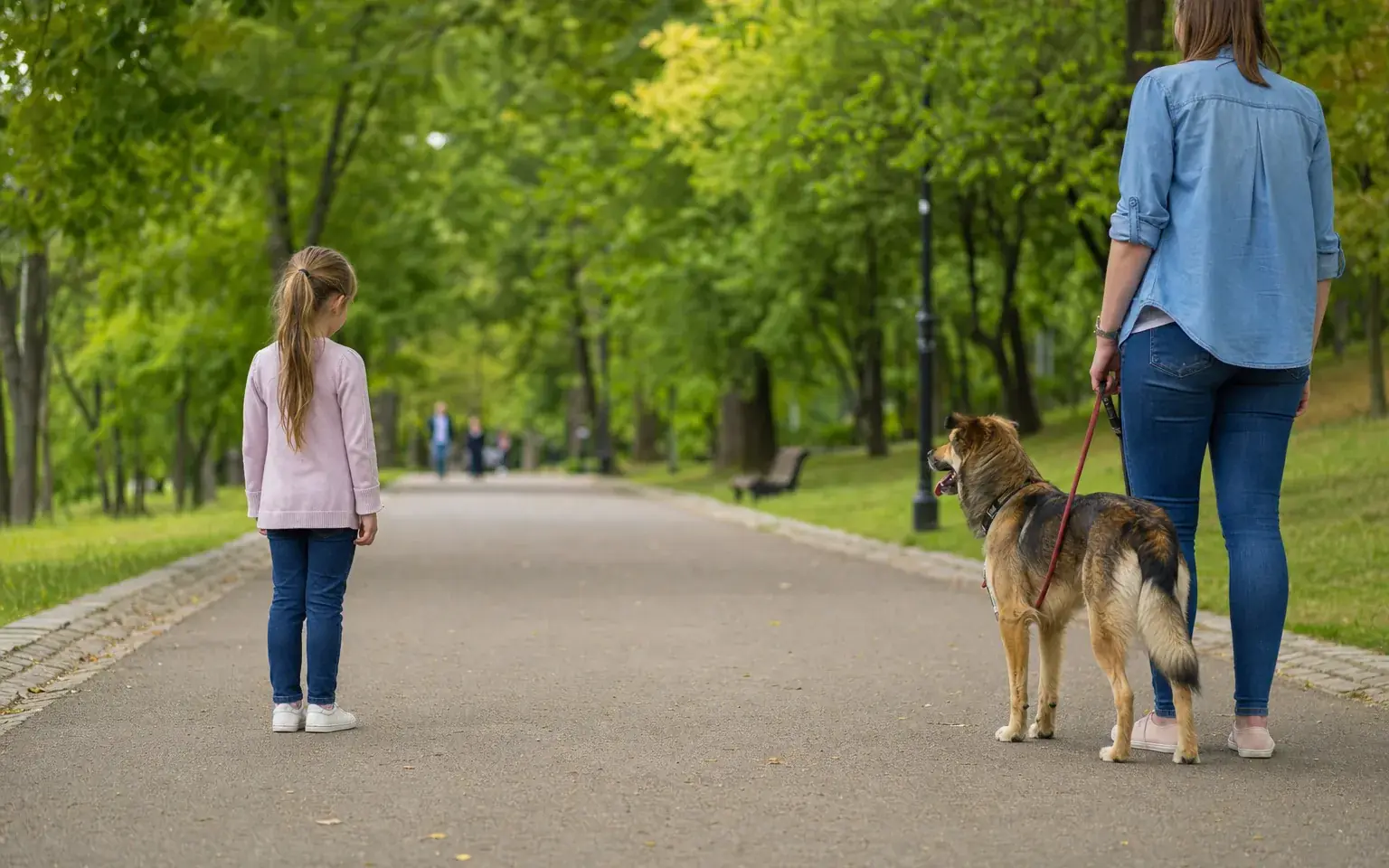
A Mantrailing.ro educational project
Ask. Wait. Respect the Dog.
Before we touch a dog, we ask. After asking, we wait. And during the interaction, we respect the dog.
An educational project for children, parents, teachers, dog trainers and responsible communities.
We are looking for partners across the country
Are you an accredited dog trainer? Join the project!
Through the "Ask. Wait. Respect the Dog." project we want to build a national network of people who can actively contribute to educating children and parents about responsible interaction with dogs.
What you can take part in
We invite accredited dog trainers from Romania to take part, as volunteers or within locally organised actions, in:
- educational demonstrations;
- presentations in schools and kindergartens;
- meetings with parents;
- community events;
- practical exercises for children;
- demonstrations of canine body language;
- demonstrations about scent and how dogs perceive the world;
- sessions on the right way for a child and a dog to interact.
Who you will work with
Trainers enrolled in the project will be able to work with:
- the volunteers of Asociația Drumeții Montane;
- the Mantrailing.ro team;
- the teachers and educators enrolled in the project;
- schools, kindergartens and after-school programmes;
- other organisations and local communities that wish to host educational activities.
The goal is not to promote a particular trainer or a particular training method, but to build a national community that passes on to children the same simple rules of prevention and respect towards dogs.
For teachers and schools
Bring the project to your school
Teachers, educators and representatives of educational institutions can sign up to organise educational activities together with the project team.
The activities run through the network of the educational project EcoJunior.ro, which already involves, year after year, hundreds of schools in Romania and the Republic of Moldova.
The activities are adapted to the children's age and can include:
- interactive presentations;
- demonstrations with dogs suited to this kind of activity;
- educational games;
- the "Be a tree" exercise;
- the "Dog traffic light" game;
- demonstrations about the sense of smell;
- simulated child-dog interaction scenarios;
- sessions for parents.
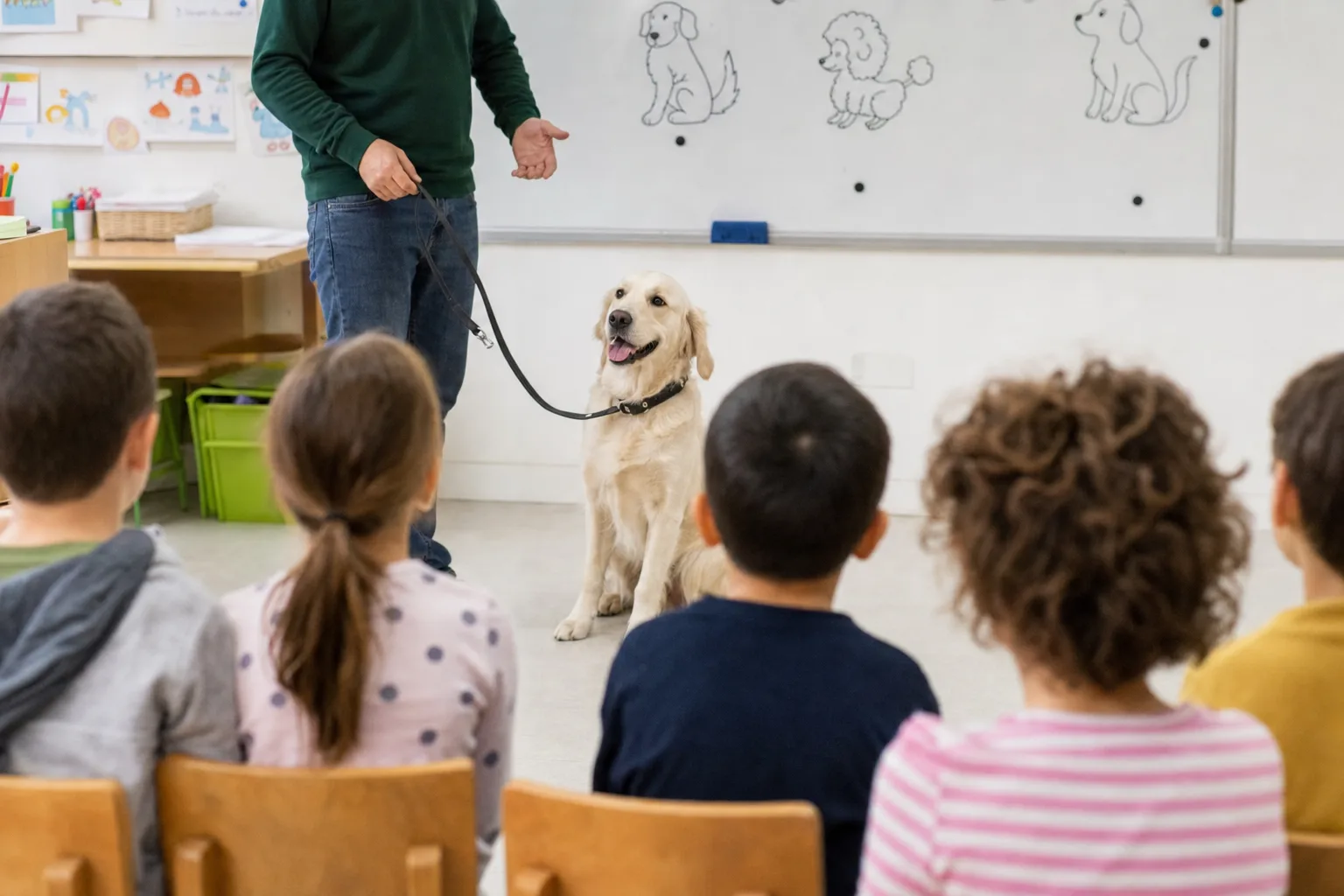
About the project
Why does this project exist?
Children often see a dog and, out of excitement, run towards it, reach out a hand, touch its head, hug it or bring their face close to its muzzle.
For the child, this behaviour means affection. For the dog, the same situation can mean:
- surprise;
- fear;
- pressure;
- discomfort;
- no way to retreat.
A dog is not a toy. It is an animal with its own emotions, preferences, fears and limits.
The goal of the project is not to make children afraid of dogs. The goal is to teach them to respect dogs.
How the project reaches schools
It runs through EcoJunior.ro
The "Ask. Wait. Respect the Dog." project runs through EcoJunior.ro - the largest educational project in Romania, in which hundreds of schools in Romania and the Republic of Moldova and thousands of teachers take part every year.
The EcoJunior network lets us take the project's rules straight into schools, kindergartens and after-school programmes, through teachers who already organise educational activities with their classes. If your school is enrolled in EcoJunior, adding an "Ask. Wait. Respect the Dog." activity is a simple step; if it is not yet, the enrolment steps below are all you need to get started.
For children
The three principles of the project
Three words we want every child to know, in this order.
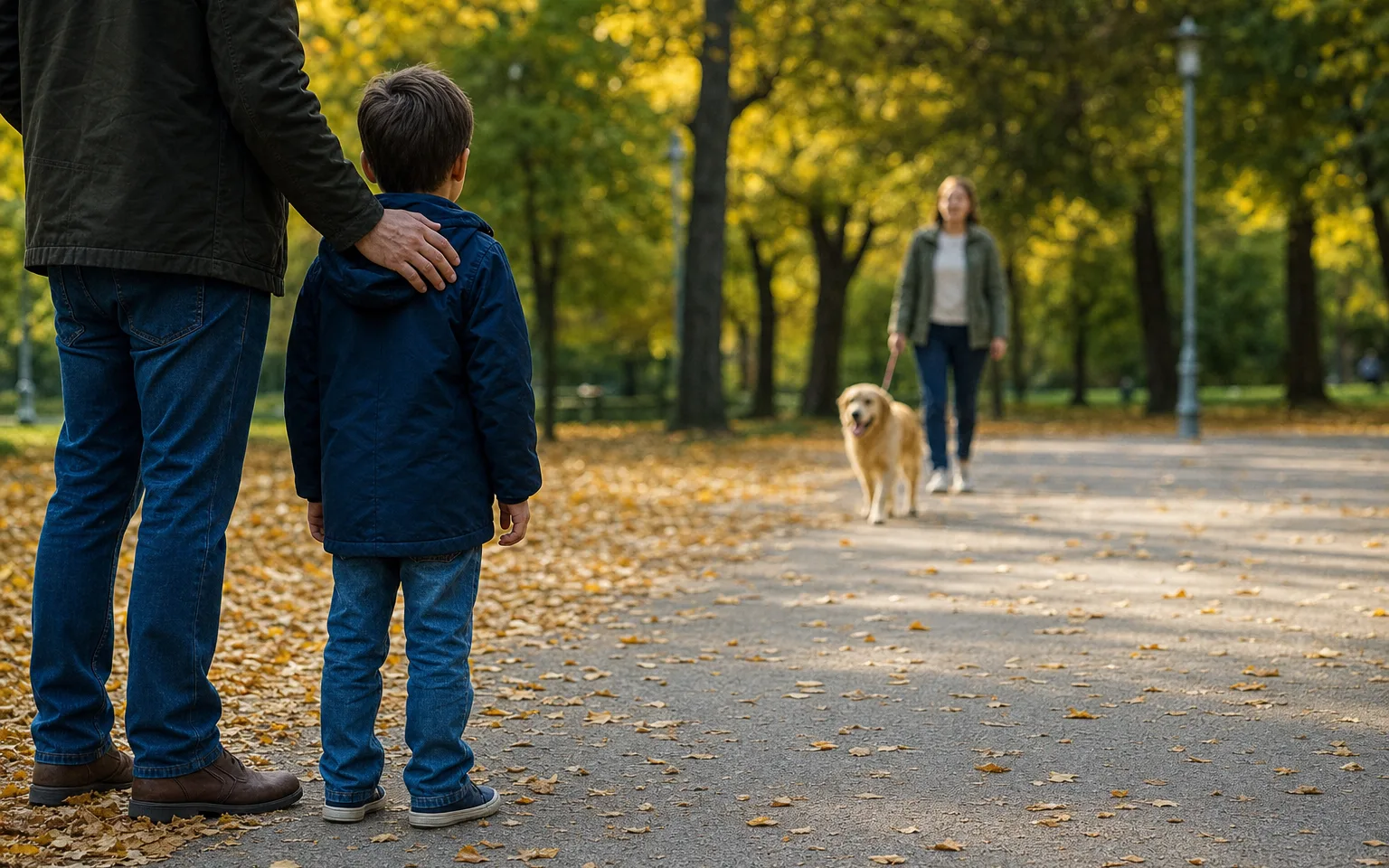
ASK
Before I approach a dog:
- I find the owner;
- I keep my distance;
- I do not run towards the dog;
- I do not reach out my hand;
- I ask: "May I come closer?" or "May I pet your dog?"
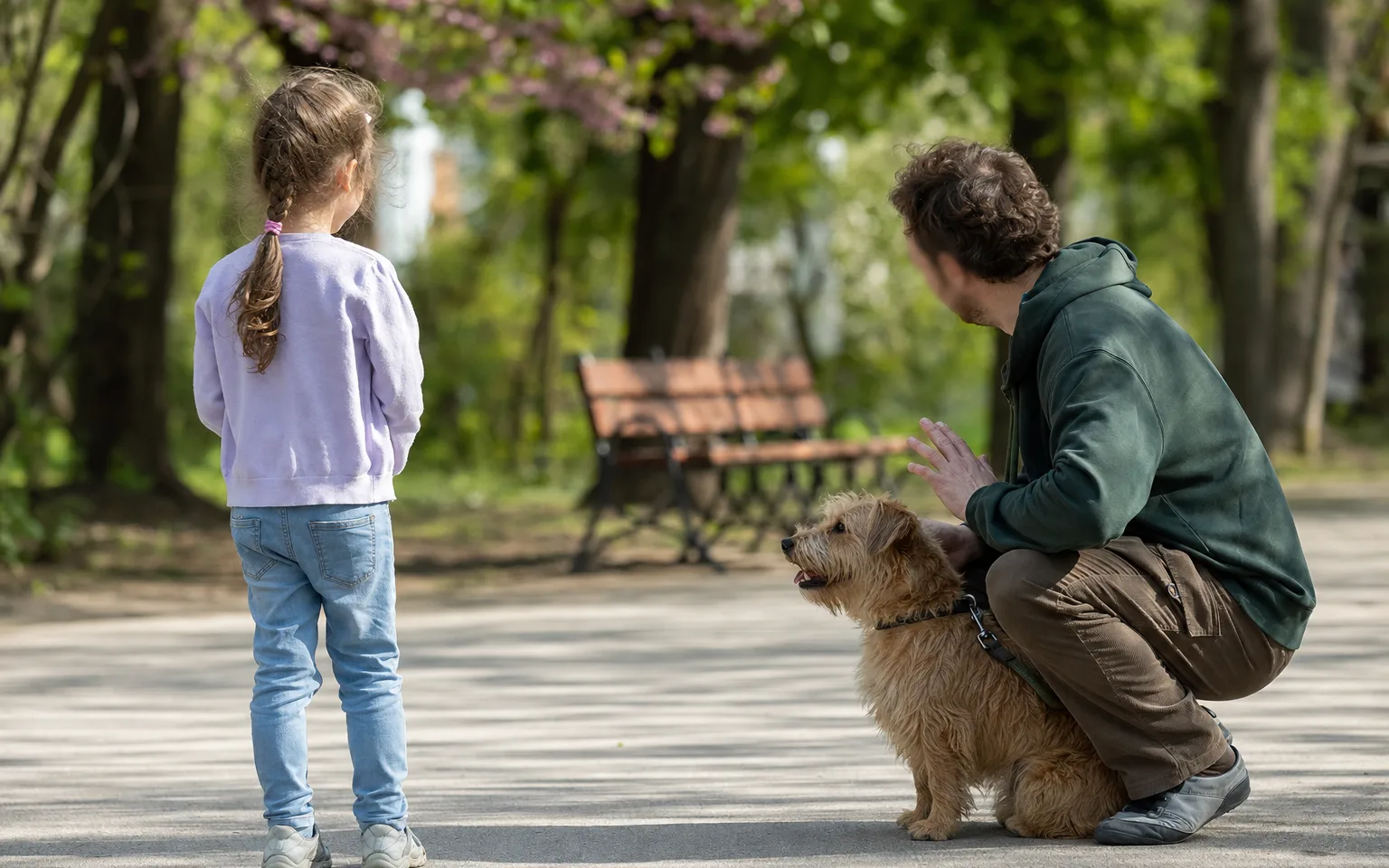
WAIT
After I have asked:
- I do not move closer automatically;
- I do not reach out my hand;
- I do not call the dog;
- I wait for the owner's answer;
- I stay calm.
The owner knows their dog and may say: "Yes.", "No.", "Better let him come to you." or "He doesn't want to interact today."
Every answer must be respected.
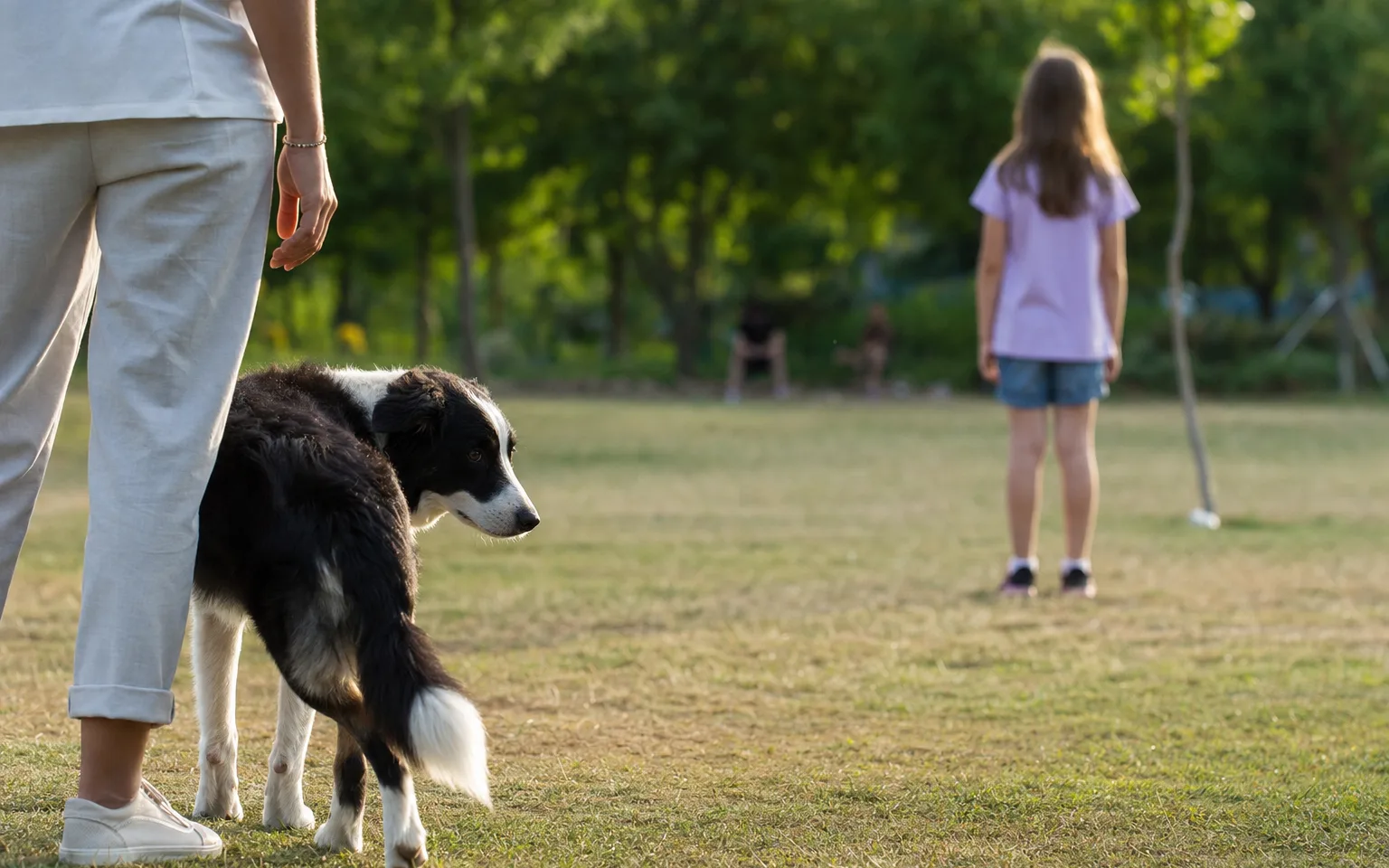
RESPECT THE DOG
Even if the owner says "yes", the dog can say "no". If the dog:
- walks away;
- turns its head;
- backs off;
- hides;
- goes stiff;
- growls;
we stop.
The owner's permission lets us try the interaction. The dog decides whether it wants to take part.
In words children understand
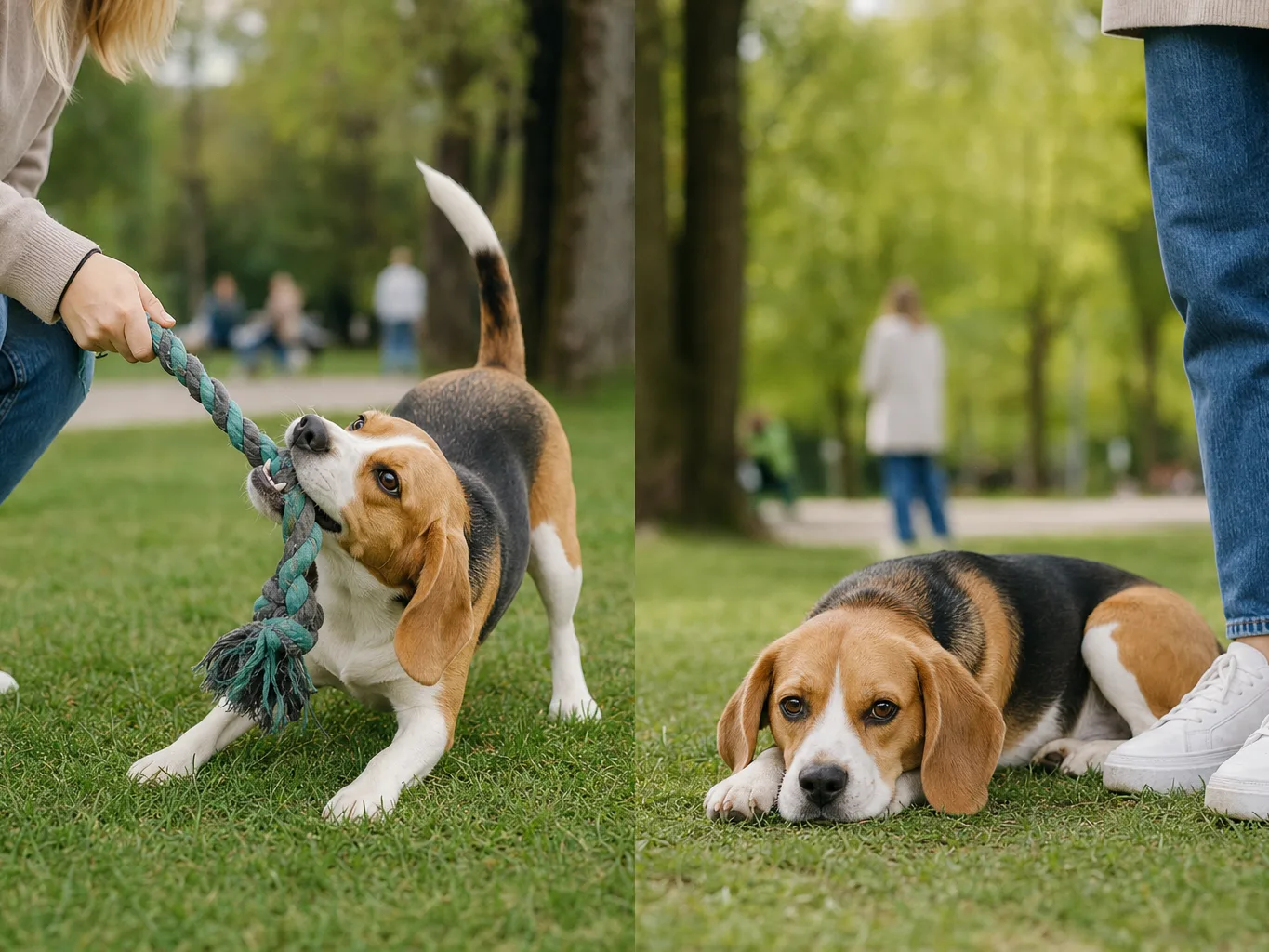
What is a dog?
A dog is an animal, not a toy.
- It has emotions.
- It has fears.
- It has preferences.
- It can have days when it wants to play and days when it wants to be left alone.
- It can like some people and avoid others.
- It can be afraid of certain places, objects or noises.
It must not be forced to interact.
How a dog perceives the world
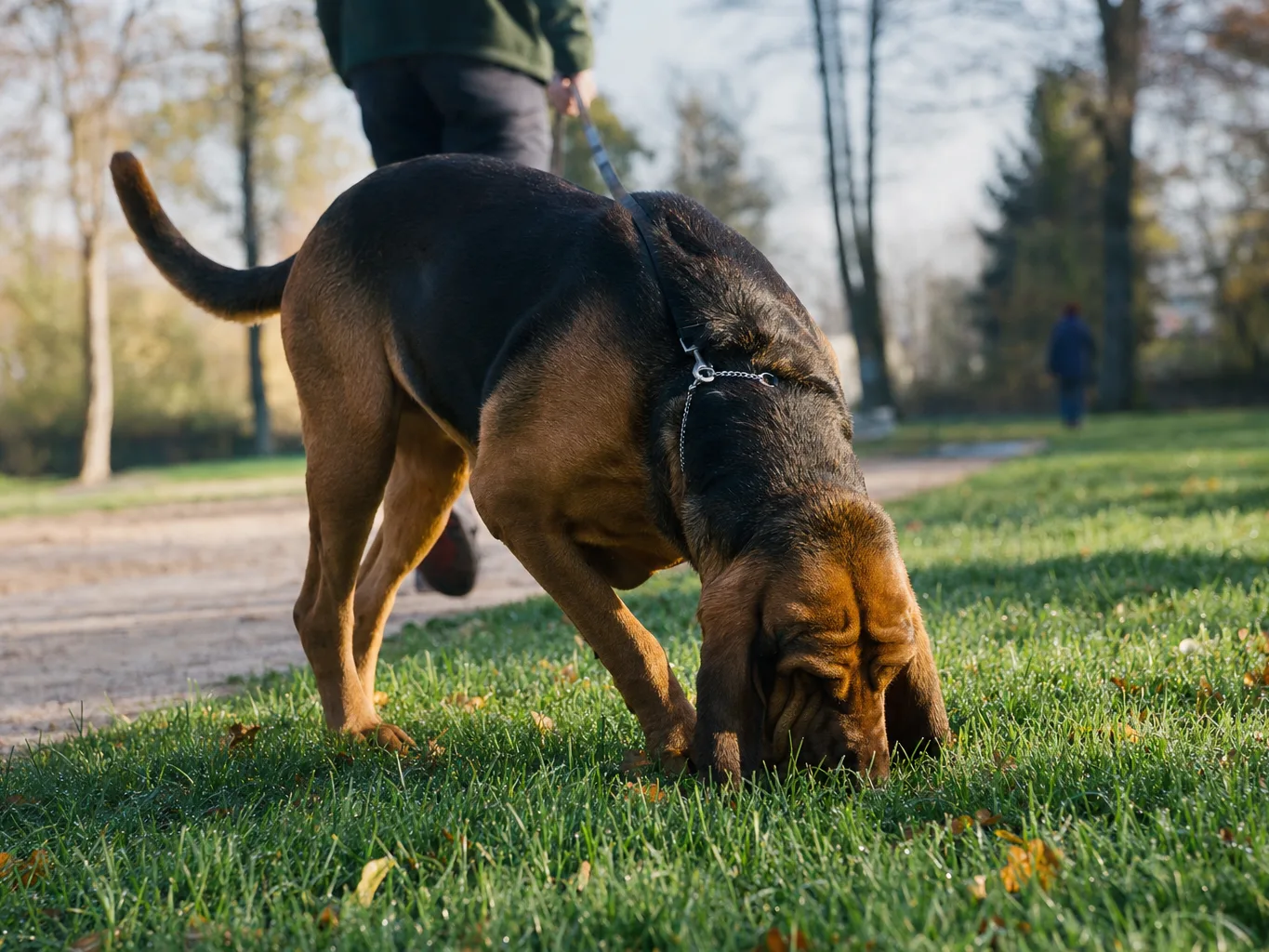
The dog's nose - a world we cannot see
We humans discover the world first of all with our eyes. For a dog, scent is one of the most important tools for understanding what is going on around it.
The nose gives the dog information about:
- people;
- animals;
- places;
- routes;
- the surroundings.
At the same time, dogs pay close attention to us: to how we move, to our posture, to our tone of voice and to how agitated or relaxed we are. Through the combination of scent, behaviour, voice and body language, a dog can even notice changes linked to a person's state. That is why, when we want to interact with a dog, it is important to be calm and predictable.
This part of the project connects directly with our own experience: in mantrailing, dogs find people by scent alone. At events we can run small demonstrations and games through which children discover how differently a dog perceives the world.
Step by step
How do we approach a dog correctly?
We see the dog.
We stop at a distance.
We find the owner.
We ask.
We wait.
We approach only if the owner allows it.
We stay calm.
We let the dog choose whether it wants to come to us.
We follow the owner's instructions.
Every dog is different. The owner may say: "He likes to be stroked here.", "Better let him come to you." or "He doesn't want to interact today." All of these answers are fine.
Critical rule
We do NOT bring our face close to the dog's head!
Children are more vulnerable to bites to the head and neck, and prevention is essential. This applies to the family dog too - even if "he is well behaved" and even if we have stroked him a hundred times before.
- we do not go nose to nose with a dog;
- we do not kiss its muzzle;
- we do not bring our cheek close to its head;
- we do not lean over it;
- we do not hug it around the neck;
- we do not take photos with our face pressed against the dog.
My face stays away from the dog's face.
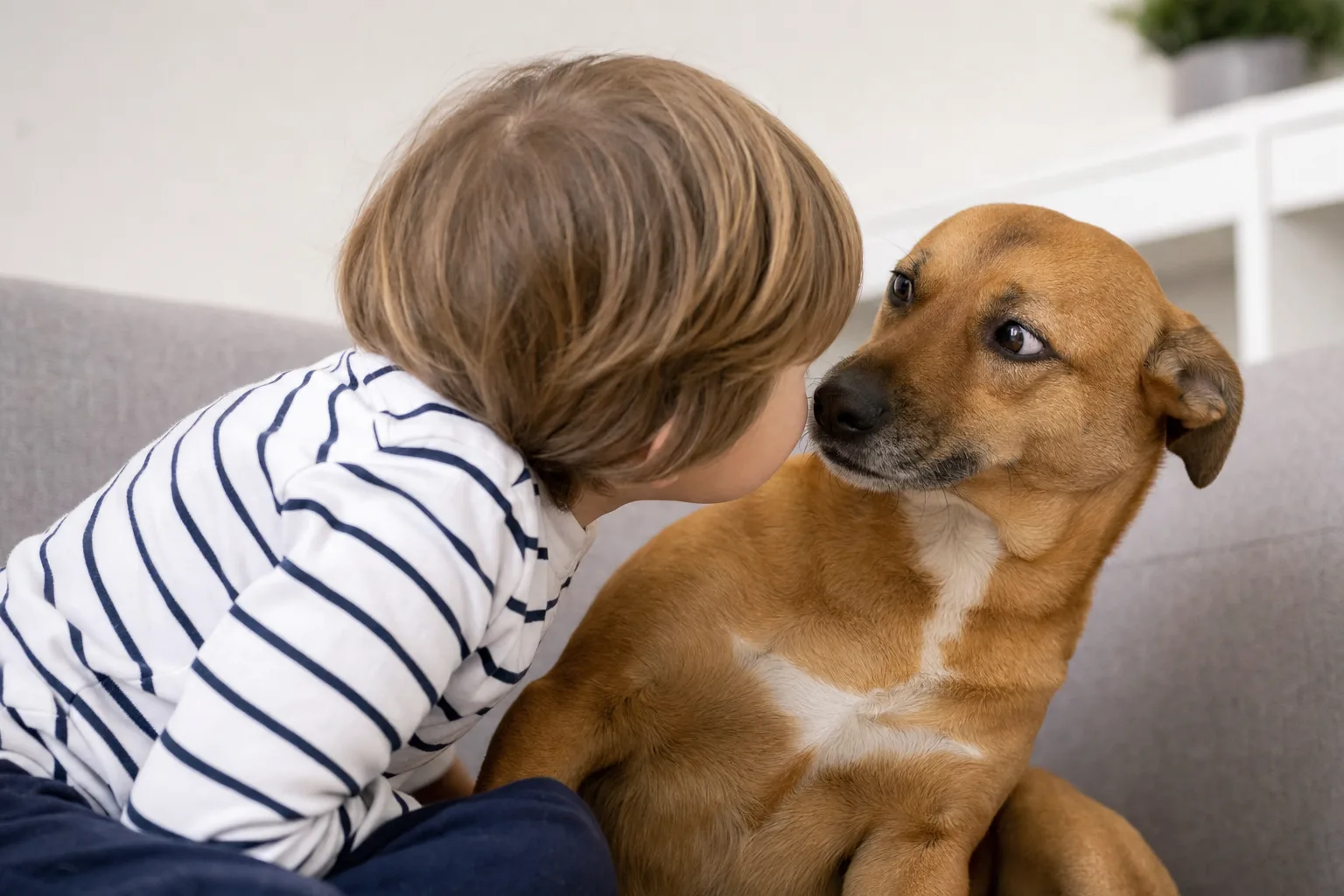
Wrong
The child brings their face close to the dog's muzzle, leans over it or hugs it around the neck. Even a gentle dog can get scared or feel cornered.
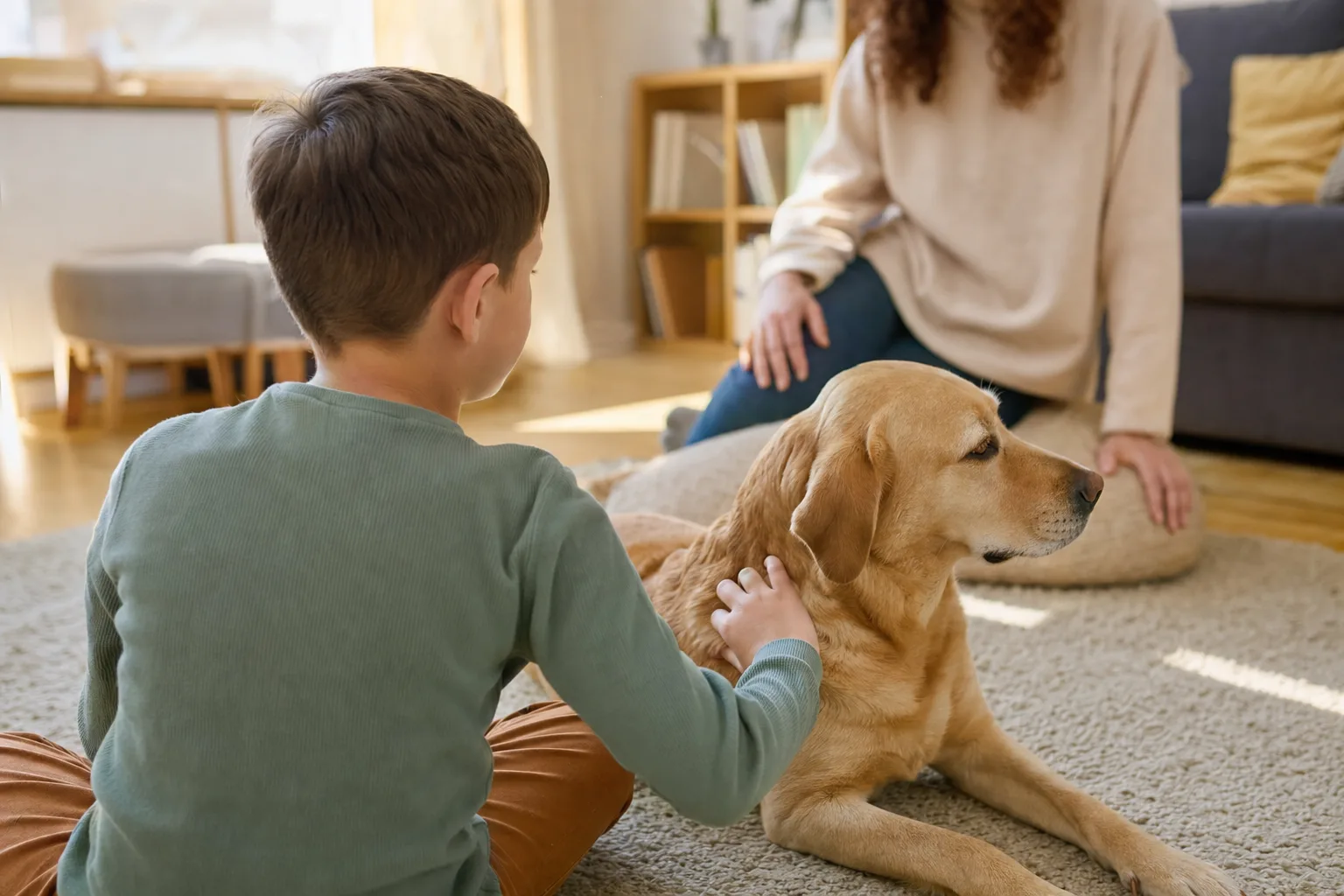
Right
The child interacts calmly, face away from the dog's face, and lets the dog choose to come closer. The owner supervises the interaction.
Predictability
We do not startle the dog
A startled dog can get scared. Before any interaction we have to give it the chance to notice that we are there and to choose whether it wants contact.
- we do not come up from behind the dog;
- we do not touch it suddenly from the side;
- we do not jump in front of it;
- we do not touch it while it sleeps;
- we do not startle it with sudden movements;
- we do not stare into its eyes for a long time.
Bikes, scooters and roller skates
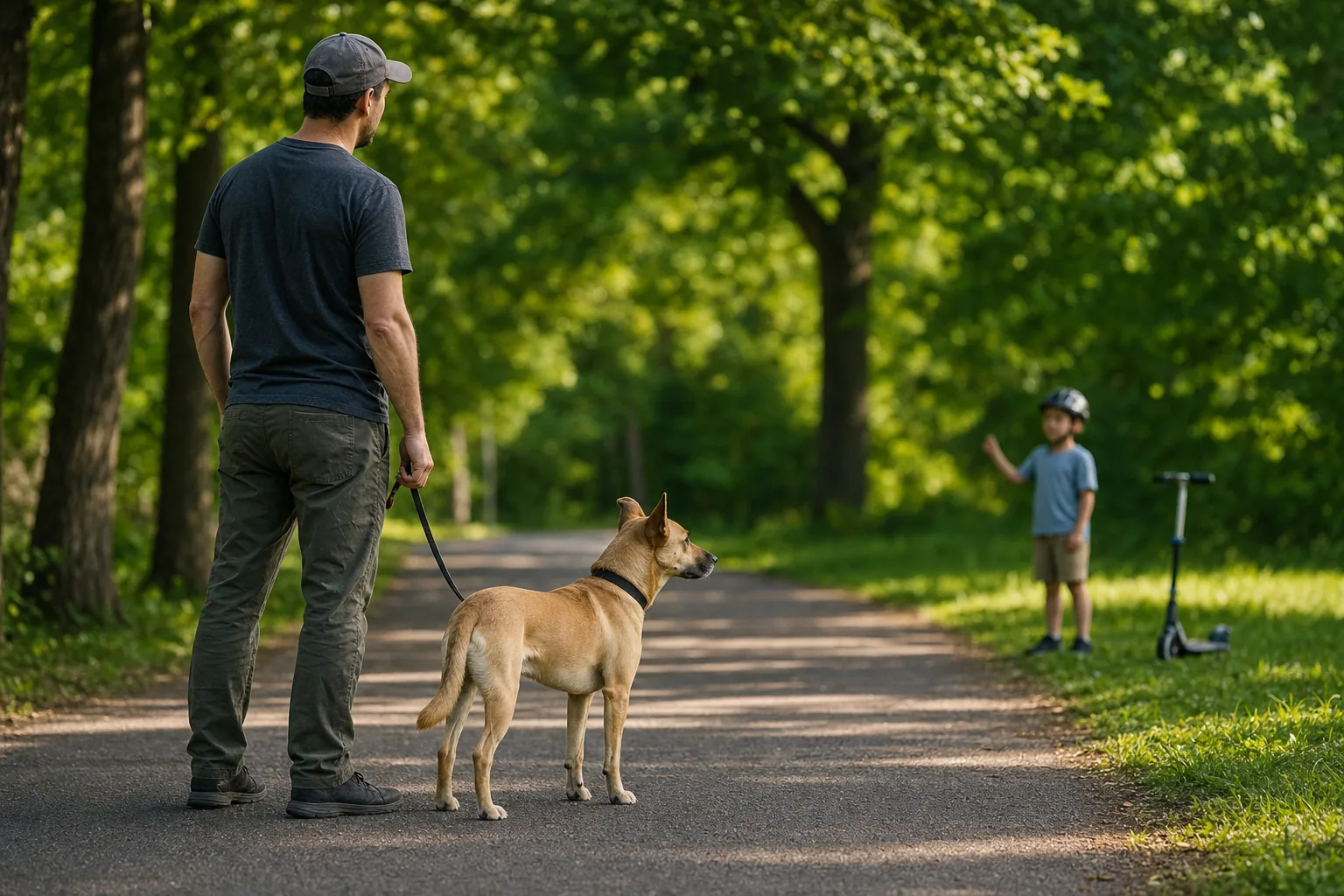
First, we stop
If we want to interact with a dog and we are on a bike, a scooter, roller skates or a skateboard, we do not approach directly.
- We stop at a distance.
- We get off.
- We set the object aside.
- We ask the owner.
- If we get permission, we approach walking calmly.
"Stop" situations
When we do NOT approach
There are situations where the answer is always "we do not approach" - no matter how friendly the dog seems.
the dog is eating - food is valuable to it and it may defend it.
the dog is sleeping - woken suddenly, it may get scared.
the dog is injured - pain can make it react differently from usual.
the dog is ill - it needs quiet, not interaction.
the dog has puppies - it protects its puppies, even from people it knows.
the dog has a toy or an object it values - it may guard it.
the dog is tied up and the owner is not there - nobody can give us permission and the dog cannot retreat.
the dog is trying to leave - it is telling us something; we let it go.
the dog is hiding - we do not pull it out of its hiding place.
the owner says "no" - the answer is respected, without insisting.
Body language
The dog says "no" without words
A dog communicates all the time. It cannot say "I don't want to be petted right now.", but it shows us through its behaviour.
Signals that can tell us a dog wants space:
- it backs off;
- it turns its head;
- it avoids contact;
- it hides;
- its body goes stiff;
- it growls.
Growling is communication. It means: "I don't feel comfortable. Please stop."
We do not teach the child to scold the dog. We teach the child to stop and to call an adult.
Not every wagging tail says "I'm happy!". Looking only at the tail is not enough - the dog's whole behaviour matters. And for a child, the rule can be even simpler: I don't try to decide by myself whether that dog is friendly. I ask the owner.
Educational game
The dog traffic light
At events we turn the rules into a game: children are given situations and pick the right colour.
Green
- The owner said we may interact.
- The dog is relaxed.
- The dog comes to us of its own accord.
We may interact, calmly and carefully.
Yellow
- We are not sure what the dog is telling us.
- The dog seems uneasy.
- It turns its head or backs off.
We stop and ask an adult for help.
Red
- The dog is eating or sleeping.
- It growls or hides.
- It is trying to leave.
- It is alone and tied up.
We do not approach.
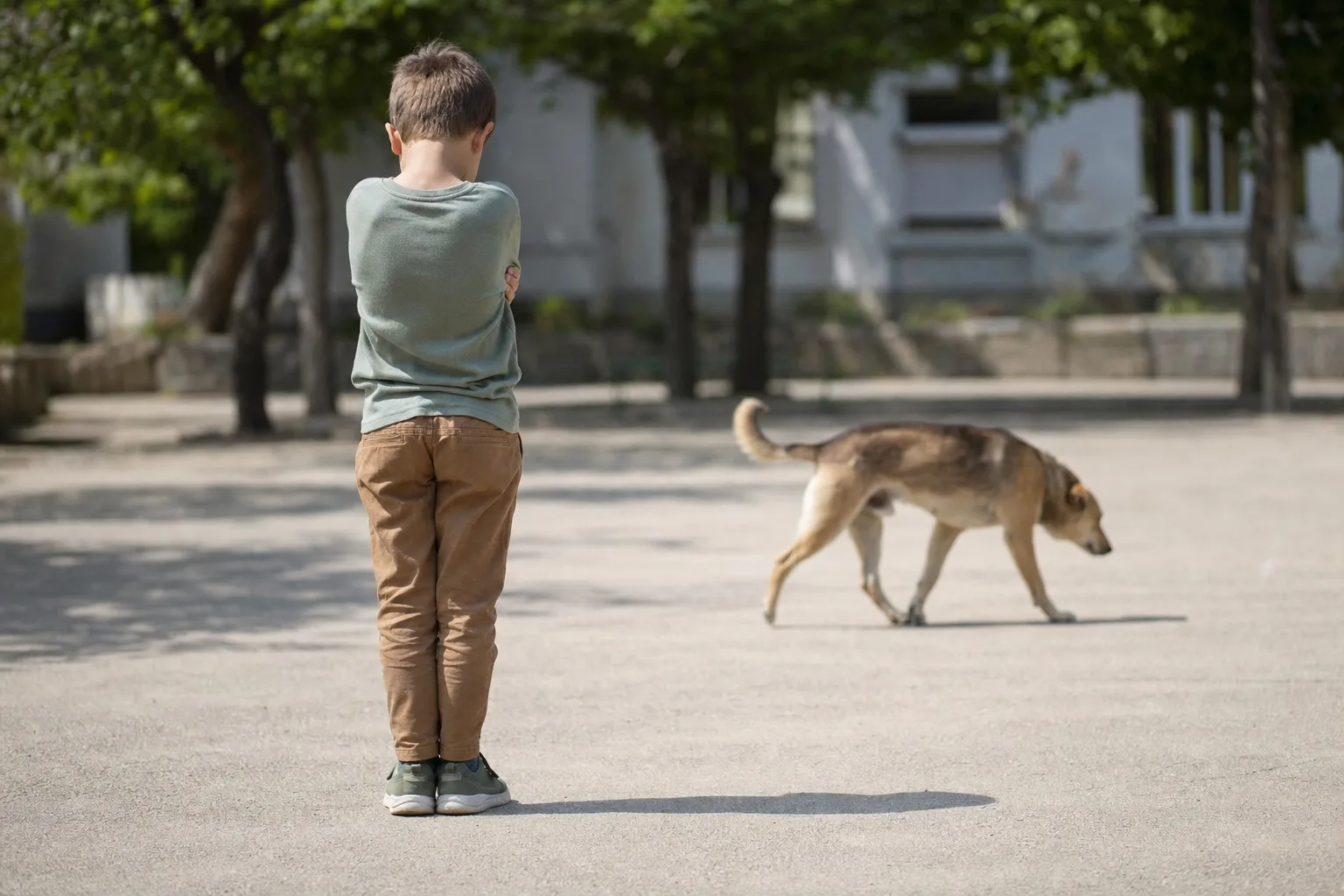
What do I do if an unknown dog comes towards me?
Be a tree 🌳
One of the most important lessons of the project. If an unknown dog comes towards you:
- I don't run;
- I don't scream;
- I don't hit;
- I don't wave my arms about;
- I don't stare into the dog's eyes.
The tree position:
- The feet are the roots - they stay put.
- The hands stay quiet, close to the body.
- The eyes are not fixed on the dog.
- The voice stays calm.
A tree doesn't run. A tree doesn't scream. I wait for the dog to pass, or I move away slowly if the situation allows it.
Just as important
What if a child is afraid of dogs?
That is perfectly fine. The child must not be forced to interact and does not have to pet a dog to prove they are brave.
We do not say: "Go on, touch him, he won't do anything."
We teach the child that they can say: "No, thank you." - and that they can keep their distance.
The goal of the project is not for every child to pet dogs. The goal is for every child to know how to behave safely around them.
For parents
Responsible child. Responsible parent.
A child cannot carry the whole responsibility for an interaction with a dog. Children copy what they see: if the adult runs towards a dog or reaches out a hand without asking, the child will consider that behaviour normal.
The parent should:
- actively supervise the interaction - including with the family dog;
- not force the child to pet the dog;
- not let the child hug the dog;
- not let the child's face come close to the dog's head;
- respect the owner's answer;
- show the child, through their own behaviour, how to ask for permission.
Replace "Go on, he won't do anything." with: "First, we ask."
Respect for owners too
The owner's responsibility
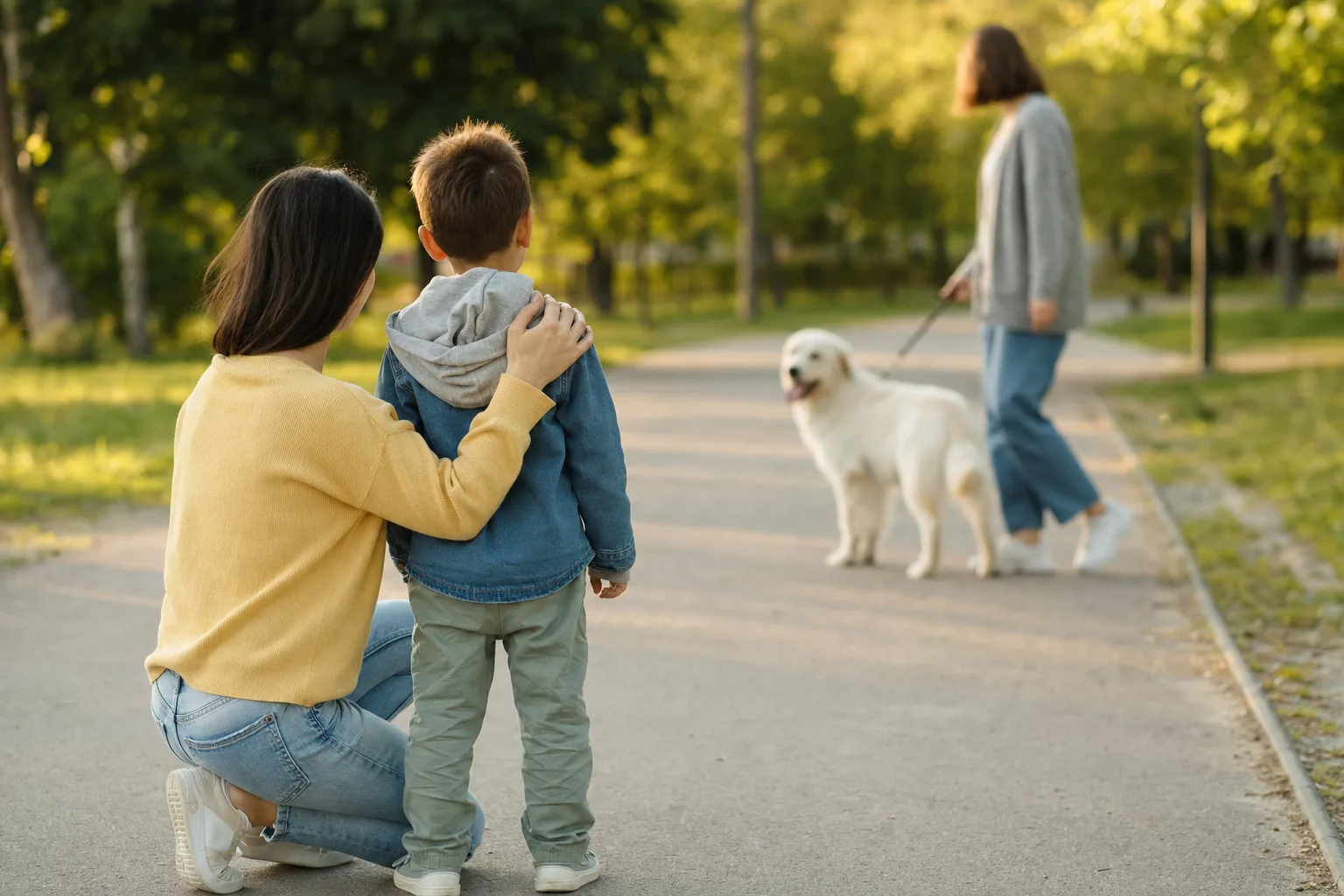
The owner also has the right and the responsibility to say: "No, he doesn't want to interact today."
Sometimes the dog is in training. Other times it is tired, has a medical problem or simply does not want to interact. The owner is not obliged to let a child pet the dog just to avoid disappointing them.
A "no" in this situation is not rudeness. It is responsibility. And the child has to learn that this answer is respected.
The 5 Mantrailing.ro rules
Five simple rules that any child can take home. You will also find them as an A4 poster in the resources section.
- I ask before I approach.
- I wait for the owner's answer.
- I let the dog choose whether it wants to interact.
- I keep my face away from the dog's face.
- If that dog says "NO", I stop.
The typical format
What a school presentation looks like
We don't want a presentation where children sit and listen for 45 minutes. We want an experience.
01
Discovering the dog
What is a dog? How does it perceive the world? How does scent work? Children discover that a dog is an animal with emotions, preferences and fears - not a toy.
02
How a dog communicates
Simple signals and practical situations: what a dog is telling us when it turns its head, backs off or growls - and what we do then.
03
Ask. Wait. Respect.
Practical simulation: the child sees the dog, stops, finds the owner, asks, waits and follows the instructions.
04
The dog traffic light
Interactive game: children are given situations ("the dog is sleeping", "the owner said yes") and choose green, yellow or red.
05
Be a tree
Practical exercise: children learn and practise the tree position - what to do if an unknown dog comes towards them.
06
Demonstration
Depending on the team available: a training demonstration, a scent exercise, a mantrailing or a canine behaviour demonstration. At the end, every child can receive the "Responsible Friend of Dogs" diploma and the 5 rules.
Under construction
The project's national network
Over time, we want the project to be present in as many counties as possible. A map of Romania will appear here with:
- the accredited trainers enrolled in the project;
- the volunteers available;
- the participating teachers and institutions;
- the events held.
The map will be filterable by county, town, trainer, school or event. Until then, sign-ups go through the forms below - every sign-up helps us cover a new area of the country.
Join the project
I want to get involved
Three ways you can support the project, wherever you are in the country.
I am an accredited trainer
Take part in demonstrations and presentations in your area, alongside the project's volunteers and partners.
I am a teacher / educator
Organise an educational activity in your school, kindergarten or after-school programme.
I want to volunteer
For the members and volunteers of Asociația Drumeții Montane and for anyone who wants to support the project logistically.
Sign-up form
I am an accredited trainer and I want to sign up
Fill in the form and the project team will contact you about the next steps.
Sign-ups
How to bring the project to your school
Sign-ups go through EcoJunior.ro. To sign up, please read the article below - it explains the project, the conditions for taking part and the steps that schools, kindergartens and after-school programmes follow.
The article "Ask. Wait. Respect the Dog. - the project that teaches children to interact safely with dogs" is published on EcoJunior.ro (in Romanian) and covers everything you need to know before signing up.
Free resources
Materials to download
Free materials for children, parents and teachers, currently in Romanian. The first ones are ready - the rest will be published here as we finish them.
The 5 rules - A4 poster for the classroom and for home.
"My face stays away from the dog's face" - poster with the critical rule.
The dog traffic light - classroom game material with 12 cut-out cards.
"Be a tree" - poster with the tree position, step by step.
Teacher's sheet - a guide to preparing the activity.
Parents' guide - the rules explained for home.
Photo gallery and events
The project in pictures
Here we will publish photos from presentations and demonstrations, the participating schools, the trainers involved and the number of children who took part.
The project is just getting started - the first events will appear here once they have been held. If you want your school to be among the first, see how to sign up.
For photos of children we follow all the rules on image consent and the protection of minors: we publish only images for which we have the written consent of the parents or legal guardians.
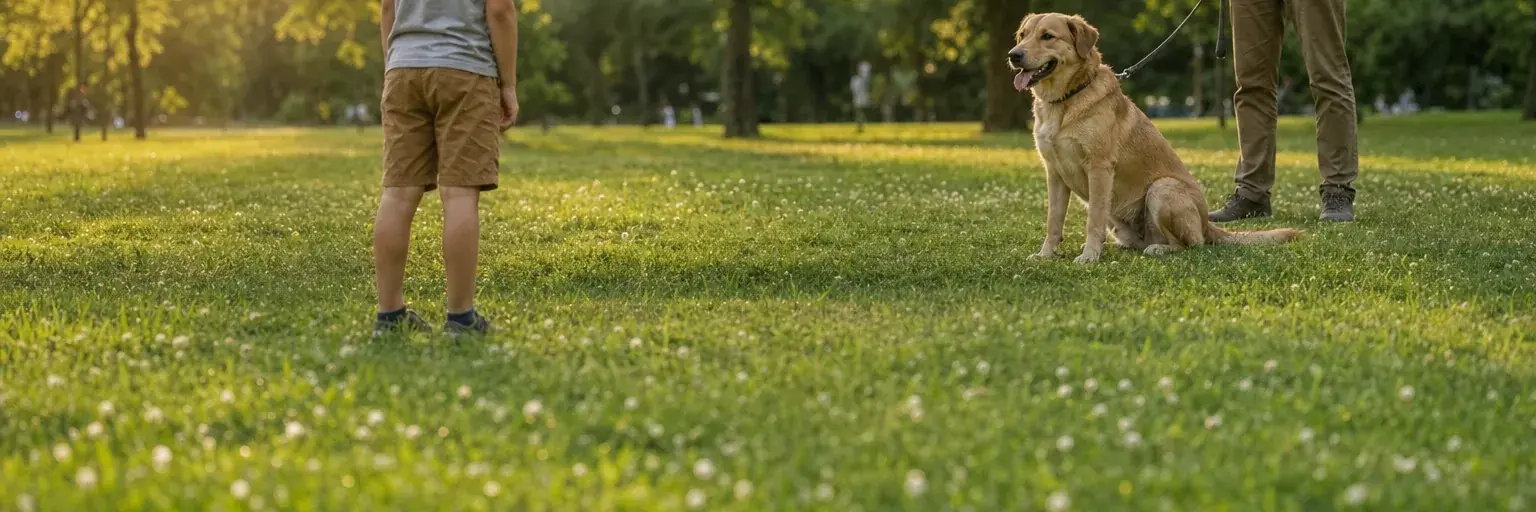
Love for dogs begins with respect.
We don't have to pet every dog we meet to prove that we love animals. Sometimes the most beautiful form of respect is keeping our distance.
Ask. Wait. Respect the dog.
Before any touch. Every time.