Microchipping and registration
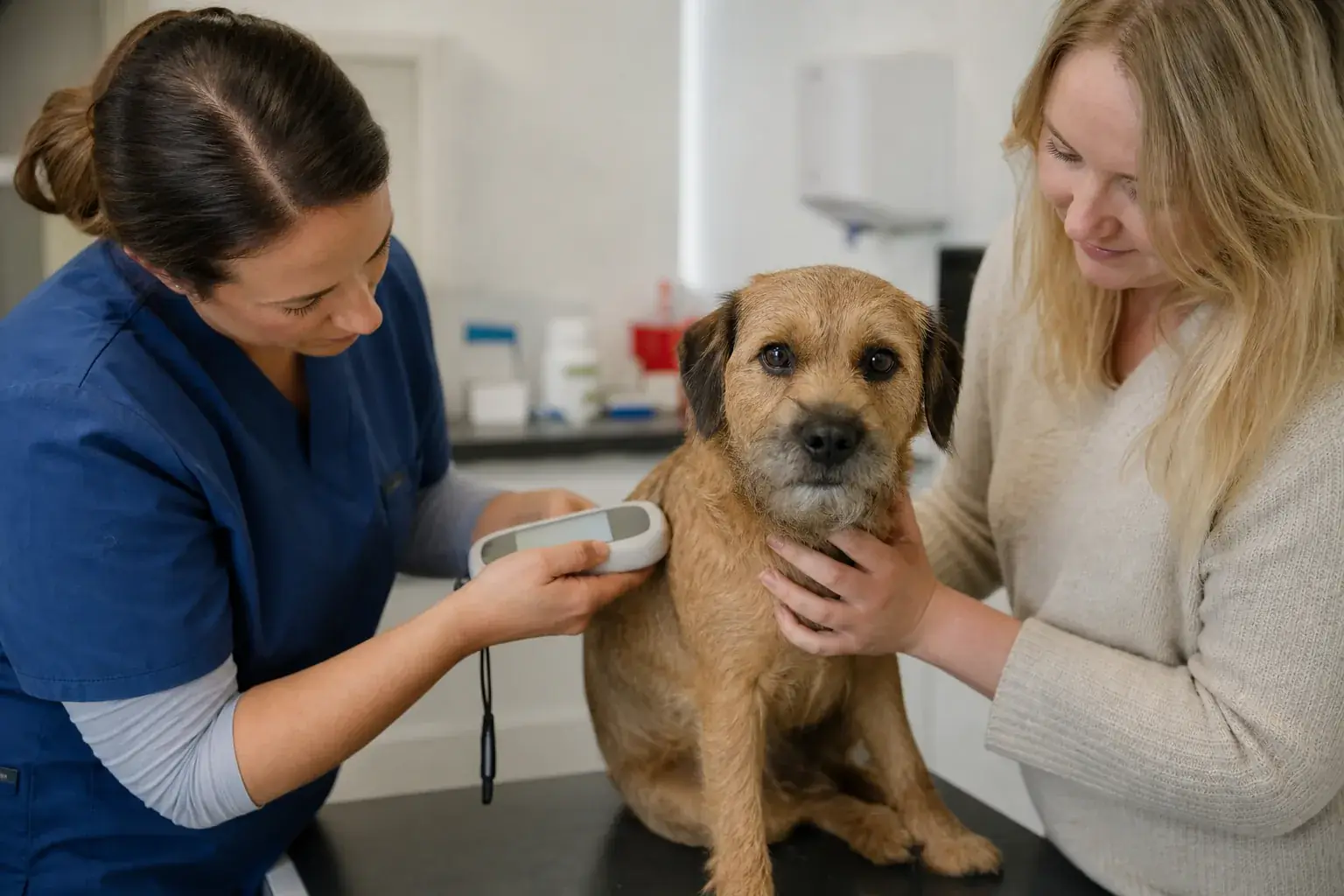
A microchip provides an electronic identifier, and registration links that number to the owner's details in the relevant...

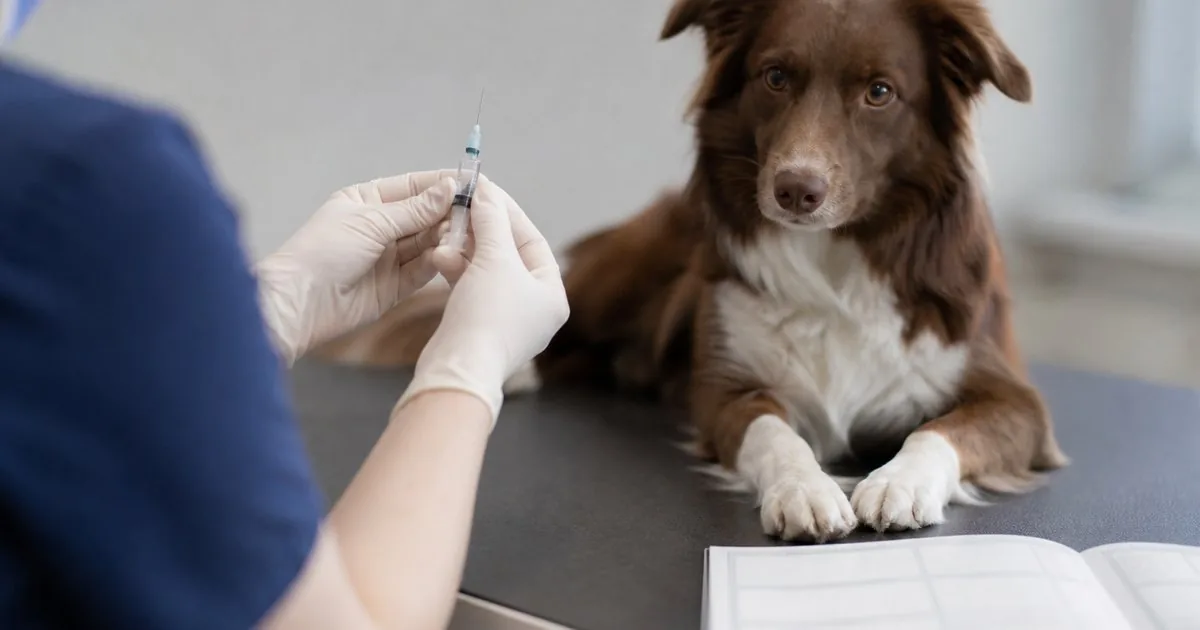
Vaccination and parasite control are preventive medical measures set according to age, state of health, lifestyle and risks.
Vaccination is part of preventive medicine. The schedule is set by the vet according to age, vaccination history, state of health, lifestyle, geographical area, risk of exposure and legal requirements. There is no single schedule that can be copied to any dog without an assessment.
Puppies need an initial series timed so that they gain protection as the maternal immunity fades. Adults have boosters and vaccines matched to the risk. Dogs that go to boarding kennels, into groups, to competitions, on trips or into areas with specific exposures may have additional recommendations. An animal that is ill or has a history of reactions needs an individual assessment.
Rabies vaccination also has a legal dimension and is essential for travel. For a rabies vaccination to be recognised in travel documents, identification by microchip and the order of the procedures both matter. The owner has to check with the vet the date it was given, its validity, any waiting period and the destination's requirements.
Internal and external parasite control is set according to risk. The age, access to the outdoors, eating prey or raw meat, contact with other dogs, travel, the presence of children and the area all influence the plan. Giving products repeatedly without an assessment does not replace veterinary check-ups. In some situations, faecal parasite tests or other tests are useful.
Products have indications, weights, species and contraindications. A product intended for one animal is not divided up by guesswork for another, and products for other species can be dangerous. The current weight has to be known. Unusual reactions after a dose are reported to the vet.
For access to boarding kennels, daycare, courses or events there may be additional health requirements. These have to be explained before registration and applied consistently, without claiming that they remove the risk of transmission entirely.
It can be considered above all for puppies at the start of their medical schedule, adults that take part in activities or travel, and dogs whose preventive protection the vet is reassessing.
There is no identical programme for every situation, and products are not given on informal advice or simply because they were used with another dog.
a consultation and a review of the history; deciding the product and the timing.
administration by a competent person; monitoring reactions and updating the documents.
Signs such as lethargy or mild discomfort that has to be monitored, swellings, vomiting, and difficulty breathing or rapid deterioration can show how the animal is experiencing the situation.
To reduce improvisation, the health record or passport, the history of products and reactions, the current weight, and information about travel and contact with other dogs all have to be prepared.
More useful criteria are the product correctly identified and stored, administration on the vet's recommendation, instructions about reactions and an emergency contact, competences and responsibilities explained clearly, and medical data passed on correctly.
Training for handling, the muzzle and standing on the table can reduce stress, but it does not change the medical indication and does not justify postponing a necessary procedure.
these are medical procedures and medical decisions; the requirements for boarding or travel have to be checked as they currently stand. Among the risks to be discussed are adverse reactions, the wrong dose, interactions or contraindications, and a false sense of security if the programme is incomplete.
How a service is organised responsibly, how to recognise quality, where the limits are and what to ask before you pay - explained once, for all services.
This page explains the service, it does not sell it. Some of these we run ourselves, others happen at a veterinary practice, a grooming salon, or with people we work alongside.
Frequently asked questions
It can make sense above all for puppies at the start of their medical schedule, adults that take part in activities or travel, and dogs whose preventive protection the vet is reassessing.
Useful information includes the health record or passport, the history of products and reactions, the current weight, and information about travel and contact with other dogs.
What is relevant is lethargy or mild discomfort that has to be monitored, swellings, vomiting, difficulty breathing or rapid deterioration, the general condition and level of consciousness, and the breathing.
these are medical procedures and medical decisions; the requirements for boarding or travel have to be checked as they currently stand.
Training for handling, the muzzle and standing on the table can reduce stress, but it does not change the medical indication and does not justify postponing a necessary procedure.
Veterinary and logistics
A microchip provides an electronic identifier, and registration links that number to the owner's details in the relevant...
Collecting blood, urine, faeces or other samples provides the material for the investigations the vet has ordered.
A veterinary ambulance provides organised transport for ill or injured animals and may have equipment and staff suited t...
A veterinary pharmacy supplies medicines, care products and other items, and delivery can make them easier to obtain.
National or international transport moves the animal over varying distances and involves a vehicle, containers, stops, d...
Documentary help organises the steps, the deadlines and the checks needed to travel with a dog, without substituting for...
Write to us about what is actually happening with your dog. We will tell you which kind of service would help - and, if that is the case, that you need none of them.