Training at home
Training at home takes place in the environment where some of the everyday behaviours appear, and allows the family's re...

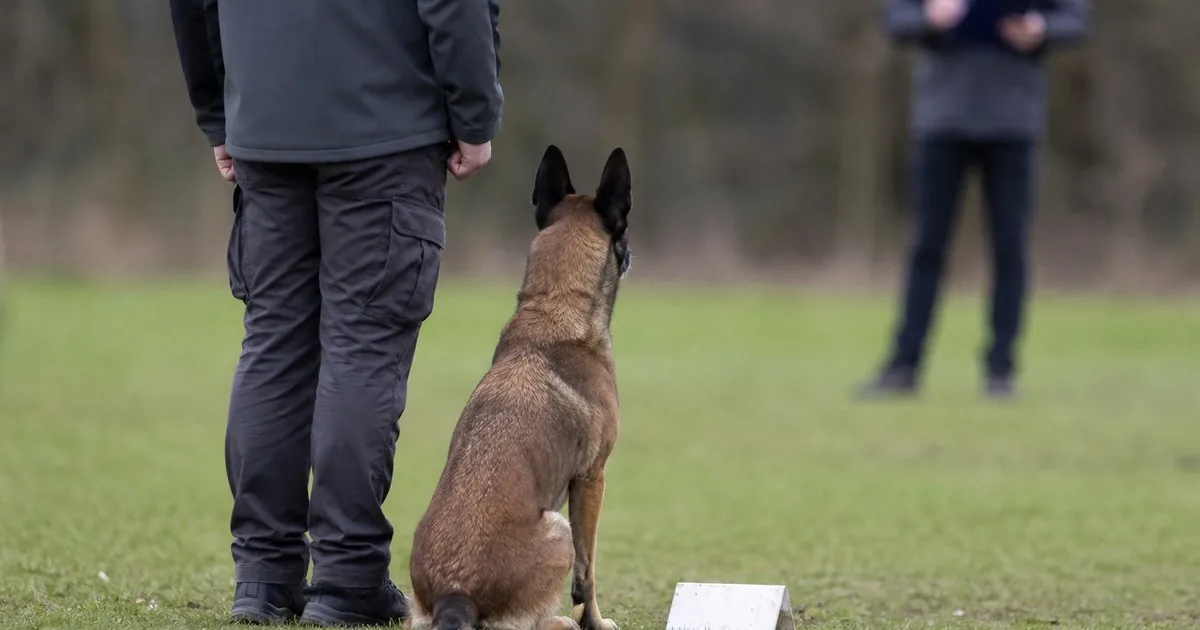
Sports preparation builds the exercises according to a set of rules and develops precision, endurance, emotional control and teamwork.
Sports preparation involves more than learning the exercises in the rulebook. The dog has to be able to work in new environments, near people and animals, and to handle waiting, travel, noises and the handler's emotions. Technique, motivation, physical condition and recovery are all part of the same programme.
The goals are set according to the discipline chosen and the level of the team. The exercises are broken down into small components and then put back together. Precision is worked on without losing attitude, and distractions are introduced gradually. Mock exams are useful, but they should not be repeated so often that every training session turns into a long trial.
Health has to be monitored. Sports involving running, jumping, stopping, pulling or difficult ground put different demands on the body. A physical conditioning plan and a veterinary assessment may be needed, especially after injuries, with growing dogs or with seniors.
The handler has to know the current rules, the judging criteria, the permitted equipment and the conditions for taking part. On the day of the trial, the dog's welfare remains the priority. A result does not justify working with an injured, exhausted or overwhelmed animal.
This subcategory can be relevant in situations such as teams with a foundation of basic training, people interested in exams or competitions, and dogs healthy enough for what the discipline demands.
Performance must not be bought by sacrificing health, and a competition result does not define the worth of the dog or of the relationship.
choosing the discipline and reading the rulebook; a physical and technical assessment.
breaking the exercises down into criteria; mock trials, recovery and a competition plan.
Signs such as a drop in speed or precision, avoiding the equipment, frustration on repetition and slow physical recovery can show how the animal is experiencing the situation.
To reduce improvisation, the current rulebook, permitted and safe equipment, a training log, and a veterinary plan for exercise and recovery all have to be prepared.
More useful criteria are technical progression, a warm-up and cool-down, breaks and criteria for stopping, keeping training separate from competition day, observable and realistic goals, and explanations about the criterion, the reward and the progression.
Sports training is a specialised form of education that calls for technique and consistency, but it has to preserve the dog's motivation and confidence.
not every dog suits every discipline; health and welfare take priority over the score. Among the risks to be discussed are overexertion, excessive repetition of jumps or positions and pressure to compete before the team is ready.
A good decision about preparing for exams, competitions and dog sports does not start from the idea that the same format has to work for everyone.
How a service is organised responsibly, how to recognise quality, where the limits are and what to ask before you pay - explained once, for all services.
This page explains the service, it does not sell it. Some of these we run ourselves, others happen at a veterinary practice, a grooming salon, or with people we work alongside.
Frequently asked questions
It can make sense above all for teams with a foundation of basic training, people interested in exams or competitions, and dogs healthy enough for what the discipline demands.
Useful information includes the current rulebook, permitted and safe equipment, a training log, and a veterinary plan for exercise and recovery.
You watch for a drop in speed or precision, avoiding the equipment, frustration on repetition, slow physical recovery, the ability to take rewards, and whether the dog can orient towards the handler.
not every dog suits every discipline; health and welfare take priority over the score.
Sports training is a specialised form of education that calls for technique and consistency, but it has to preserve the dog's motivation and confidence.
Training and education
Training at home takes place in the environment where some of the everyday behaviours appear, and allows the family's re...
Board and Train means the dog lives temporarily in boarding accommodation and takes part in an agreed training programme...
One-to-one sessions give dedicated time to a single human-dog team and allow the exercises to be adjusted according to p...
A behaviour assessment gathers information about the dog's history, health, environment and reactions in order to form h...
Behavioural intervention aims to reduce the risk and to change the conditions that trigger or maintain a difficult behav...
Controlled socialisation means gradual exposure to people, animals, surfaces, sounds and contexts, without forcing the d...
Write to us about what is actually happening with your dog. We will tell you which kind of service would help - and, if that is the case, that you need none of them.