One-to-one dog training sessions
In a one-to-one session, the instructor works with just you and your dog. The exercises change as you go, depending on h...

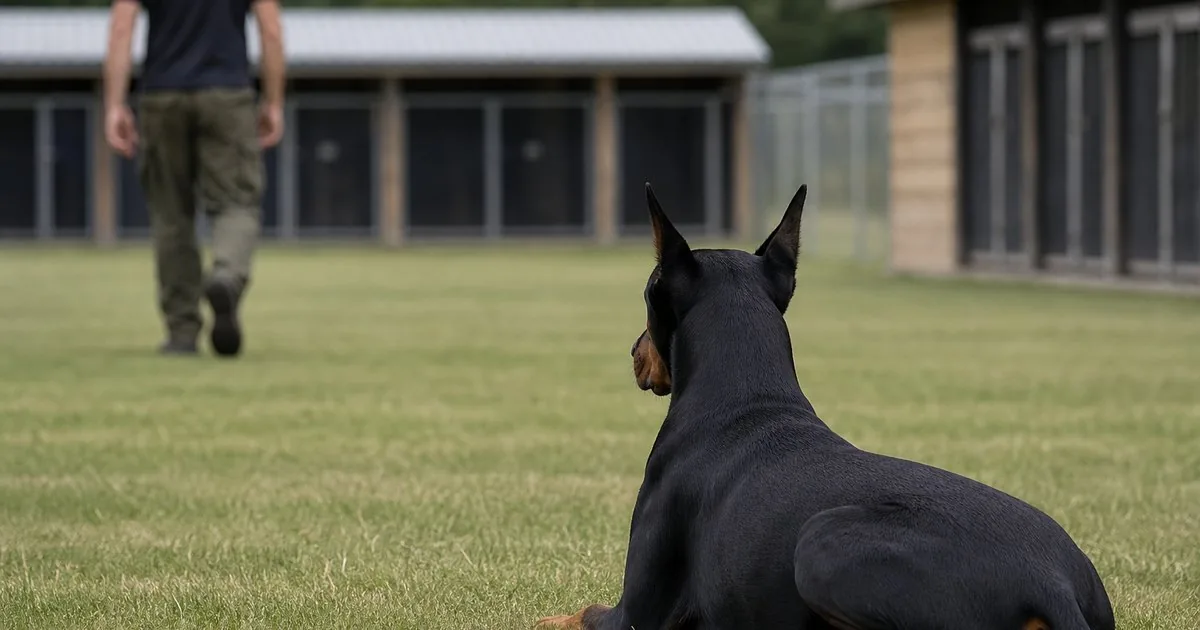
With Board and Train, the dog stays in boarding accommodation for a while and works through a training programme agreed in advance. You drop the dog off, and it trains with an instructor every day.
The dog is boarded somewhere it works with the instructor daily. It can help when you want to build basic skills or get the dog into a routine. It also works for controlled training in several environments, or for families who need an intensive, well-organised start. Plenty of people hope a “fixed” dog will come home. That's not how it goes, and nothing replaces your involvement as the owner.
The dog learns in its relationship with the instructor, inside the programme. Back home, the old cues and habits are waiting, along with the way the family reacts, and any of these can bring the earlier behaviour back. That's why the programme has to include a handover to you. In practice that means sessions together with the instructor, where things get explained and shown to you. You get working materials, and progress is followed up after the dog comes home.
Goals get set before the dog moves in and adjusted after the assessment. Anyone promising to fully sort out any problem in a fixed number of days is promising something unrealistic. Panic, aggression or severe fears may need a multidisciplinary plan and a longer stretch of work in the dog's real environment. The same goes for separation problems and health issues.
Ask where the dog sleeps and how much rest it gets. Find out how many sessions it has and which methods and equipment are used. You also need to know how meetings with other dogs are handled and what happens in an emergency. That kind of openness is worth more than any video of flashy exercises. A dog can hold a position even when it's very stressed. You judge quality by its body language, how willing it is to join in and whether it can relax, as well as by the position itself.
It makes sense when the basic goals are clearly defined and the dog can cope both with being away from the family and with a new environment. The family also needs to be able to take part in the handover at the end.
The dog doesn't come back “fixed” without the family. Behaviour depends on the person and the place, and then on what follows it. You have to learn how to carry on.
It starts with an initial assessment and clear admission criteria. Methods and goals are agreed together, before the dog moves in.
Sessions are short and broken up with rest. Towards the end come the handover sessions, then support once the dog is home.
Keep an eye out for a few signs. A dog that refuses food or is constantly on high alert isn't doing well. Same with one that avoids the person working with it or can't sleep in the boarding space. That's how it shows you what the stay is like for it.
Before boarding, the instructor needs the dog's behaviour history, incidents included. Tell them which cues you use at home and what rewards the dog loves. Mention its sensitivities too. And the methods need your explicit agreement, given up front.
A good programme is open with you: you get explanations and notes on what was worked on. Boarding time and training time are in a fair balance, and the handover is hands-on, with you holding the lead. The goals are realistic and you can see them. You're told what criterion the instructor is asking for and how they reward, then how the difficulty goes up step by step.
The programme can speed up practice on some skills. Real success only shows once the dog is back in its usual environment, and it depends on how well the handover went.
Board and Train doesn't suit every dog or every problem. It also doesn't take the family's day-to-day responsibility off your hands. Talk openly about the risks as well. The trainer might use too much pressure when you're not around. The dog can be overworked. And the results may not hold up at home.
How a service is organised responsibly, how to recognise quality, where the limits are and what to ask before you pay - explained once, for all services.
This page explains the service, it does not sell it. Some of these we run ourselves, others happen at a veterinary practice, a grooming salon, or with people we work alongside.
Frequently asked questions
It makes most sense when the basic goals are clearly defined and the dog copes with separation and a new environment. The family needs to be able to take part in the handover at the end.
You hand over the behaviour and incident history, the cues used at home and what rewards the dog likes. You explain its sensitivities and give explicit agreement on the methods.
Watch for refusing food, hypervigilance, avoiding the person working with it or being unable to sleep in the boarding space. Good signs are that it takes rewards and can turn towards the handler.
It doesn't suit every dog or every problem, and it can't remove the family's daily responsibility.
It can speed up practice on some skills. Real success shows after the dog is back in its usual environment, and it depends on the handover.
Training and education
In a one-to-one session, the instructor works with just you and your dog. The exercises change as you go, depending on h...
A behaviour assessment pulls together what's known about the dog's history and health, then about where it lives and how...
Working on a behaviour problem has two aims: to bring the risk down, and to change the conditions that set off or keep u...
Controlled socialisation introduces the dog, step by step, to the things in its life: people and animals, surfaces, soun...
Preparing for adoption can involve the people and the dog alike. The point is to make the move to a new home realistic a...
Settling in means getting the dog used to the home and the household routine bit by bit. Then come its relationships wit...
Write to us about what is actually happening with your dog. We will tell you which kind of service would help - and, if that is the case, that you need none of them.