Controlled socialisation for puppies and adults
Controlled socialisation introduces the dog, step by step, to the things in its life: people and animals, surfaces, soun...

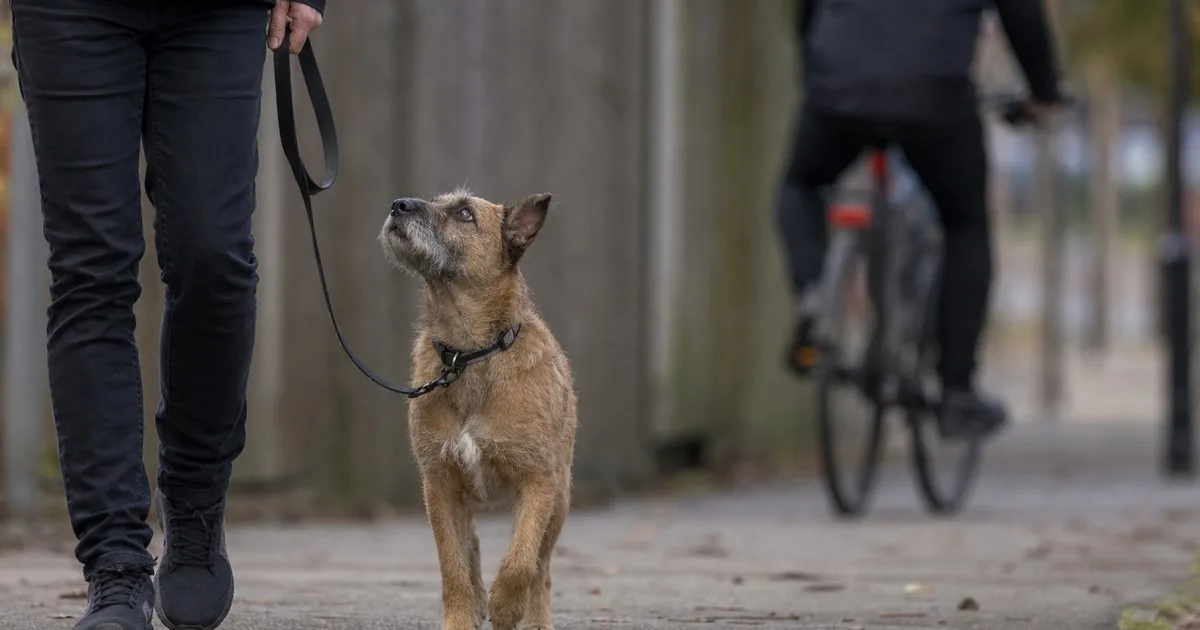
Working on a behaviour problem has two aims: to bring the risk down, and to change the conditions that set off or keep up the difficult behaviour.
People say “behavioural correction” a lot and mean stopping the reaction. A responsible process goes after the causes and the context instead. Take growling. Punish it, and the dog may drop the warning while the discomfort stays exactly as big. Next time it can react faster, with no sign beforehand. A growl is information. Take it seriously and make the situation safer.
The problems vary a lot. Some dogs are reactive on the leash; others are afraid of people or noises. Some guard resources, destroy things or struggle when left alone. Then there's vocalising and impulsivity, conflict between dogs, sensitivity to handling, and aggression. Every case needs looking at on its own. Often the first step is management: more distance, barriers, a clear schedule and blocking access to whatever sets the problem off. That also covers a muzzle the dog has been taught to like, quieter walking routes or a different way of greeting visitors.
Only then do you build alternative behaviours and new associations. Progress can be slow and patchy. One bad day doesn't wipe out everything the dog has learnt. Tiredness or pain can lower its tolerance. So can a change of environment, or several triggers piling up in one day.
The safety of people and animals comes before any exercise. Where there's a risk of a bite, the plan includes strict prevention and working with professionals. Nobody can give you absolute guarantees. As the owner, you need to understand that management carries on even after things get better.
It makes most sense for reactivity on the leash and fear of people or noises. It also helps when the dog guards resources or has trouble with separation or handling.
Correction shouldn't mean punishing the signals. Nor should it mean a fake calm you get through intimidation.
Where it's indicated, the first step is a medical check. Alongside that, management stops the behaviour from being repeated.
You work below threshold, meaning at a distance or intensity where the dog can still think, and teach it alternatives. You keep track of progress and adjust the plan as you go.
Watch the signs it gives you. It growls, freezes or moves away. It may suddenly blow up after too much has built up. If it can't take food any more or is slow to recover, the situation is too much for it right then.
Before the first session, keep a log of the situations where the problem shows up. Sketch out your home and your walking routes. Write down the history of incidents and every method you've tried so far.
A good plan has goals tied to safety and to how your daily life runs. The family knows what to do. When needed, the instructor works with the vet. The goals are realistic and you can see them. You get an explanation of what criterion the dog is asked for, how you reward it and how the difficulty goes up.
Training gives the dog alternative behaviours and a more predictable life. Emotional change is slower: it takes time and the right distances, and sometimes medical support.
Some risks have to be managed long term. Only the vet can decide on medication. Talk the risks through openly. Forced exposure can make the problem escalate. Punishing the growl leaves the dog with no warning to give. And promises of a complete cure are a red flag.
The results get made between sessions. Everyone in the family uses the same cues. Avoid situations where one person rewards a behaviour and another punishes the dog for the same thing. Nobody's asking for perfection. You just need enough consistency for the dog to predict what comes next and learn without constant conflict.
How a service is organised responsibly, how to recognise quality, where the limits are and what to ask before you pay - explained once, for all services.
This page explains the service, it does not sell it. Some of these we run ourselves, others happen at a veterinary practice, a grooming salon, or with people we work alongside.
Frequently asked questions
It makes most sense for reactivity on the leash, fear of people or noises, and resource guarding. It also helps with difficulties around separation or handling.
Bring your log of the situations and a sketch of your home and walks. Have the history of incidents ready, plus a list of every method you've already tried.
Watch for growling, freezing or avoidance, and sudden outbursts after a build-up. Notice if it stops taking food or is slow to recover. Good signs are that it takes rewards and can turn towards the handler.
Some risks have to be managed long term. Only the vet can decide on medication.
Training brings alternative behaviours and predictability. Emotional change takes time and suitable distances, and sometimes medical support.
Training and education
Controlled socialisation introduces the dog, step by step, to the things in its life: people and animals, surfaces, soun...
Preparing for adoption can involve the people and the dog alike. The point is to make the move to a new home realistic a...
Settling in means getting the dog used to the home and the household routine bit by bit. Then come its relationships wit...
Before the newborn comes home, you gradually change the dog's routine and how the space is set up. That's also when you...
A dog will be with you for years. Advice before you commit helps you hold what you want up against what you really have:...
In temperament testing, the dog is put into standardised or controlled situations and someone watches how it reacts. Wha...
Write to us about what is actually happening with your dog. We will tell you which kind of service would help - and, if that is the case, that you need none of them.