Dog walker: individual or group walks
It looks like the simplest service on the list and it is actually the one with the most variables: traffic, bikes, child...

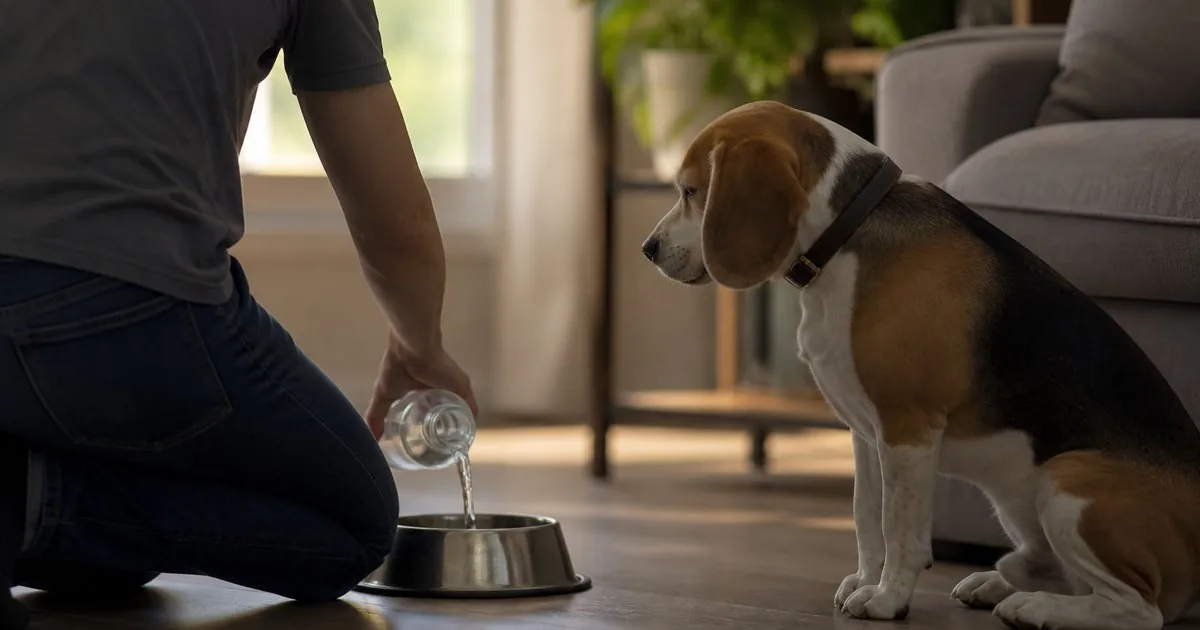
Home pet sitting means someone caring for the animal in its usual environment, either for set visits or for a longer period.
The pet sitter travels to the dog's home and takes over, for an agreed period, part or all of the care routine. For many dogs, the main advantage is that they stay in a familiar space. Smells, resting places, the usual noises and familiar routes can reduce the pressure caused by a change of environment. This option can suit dogs that adapt poorly to boarding, seniors, dogs with reduced mobility, animals following a carefully set schedule, or families with several animals. A responsible pet sitter does not walk straight into the house and does not assume that every dog will accept them. One or more meetings before the first period of care are useful. The dog can observe the person in the owner's presence, can receive treats without pressure and can see that the new human moves predictably. With fearful or territorial dogs, getting used to the person has to happen gradually, and the plan may need the support of an instructor or a behaviour specialist. The service can include feeding, changing the water, walks, cleaning the space the animal uses, light activities, giving already prescribed medication and sending updates to the owner. The duration and the content have to be agreed in advance. “Pet sitting" does not necessarily mean someone is there the whole time; sometimes it means scheduled visits, and other times the person staying in the home. The difference has to be explained clearly, so that both sides expect the same thing. The quality of the service also shows in the small things: doors and gates are checked, the leash is attached before the exit is opened, dangerous objects are put away, the dog is not fed anything unapproved, and any change in appetite, stools, urination, mobility or behaviour is reported.
It can be considered above all for dogs that adapt poorly to boarding, animals with a settled routine at home and families away for a few hours or days.
Being in the same home does not automatically guarantee that the dog will be calm; what matters is the relationship with the person, how long the absence lasts and how well the dog's habits are respected.
a meeting to get acquainted, in the home; handing over a sheet with the routine and the contacts.
visits or periods of care according to the schedule; updates and reporting of any change.
Signs such as avoiding the person, restlessness when the owner leaves, refusing food and changing the resting place can show how the animal is experiencing the situation.
A preparation sheet should cover the keys and access rules, the feeding and walking schedule, the vet's details and instructions about doors, gates and dangerous objects.
More useful criteria are respect for the privacy of the home, experience with that type of dog, a clear procedure if the animal cannot be found or becomes unwell, a detailed initial conversation, and a protocol for keys, access, the leash and emergencies.
A pet sitter can maintain behaviours the dog already knows, but the main role stays care and safety, not rapidly changing behaviour while the owner is away.
it is not suitable, without extra measures, for a dog that does not tolerate the person; medication is given only according to competent instructions. Among the risks to be discussed are escaping through doors or gates, unplanned contact with visitors and misreading defensive behaviour.
How a service is organised responsibly, how to recognise quality, where the limits are and what to ask before you pay - explained once, for all services.
This page explains the service, it does not sell it. Some of these we run ourselves, others happen at a veterinary practice, a grooming salon, or with people we work alongside.
Frequently asked questions
It can make sense above all for dogs that adapt poorly to boarding, animals with a settled routine at home and families away for a few hours or days.
Useful information includes the keys and access rules, the feeding and walking schedule, the vet's details and instructions about doors, gates and dangerous objects.
You watch for avoiding the person, restlessness when the owner leaves, refusing food, changing the resting place, the appetite and water intake, and the quality of the rest.
it is not suitable, without extra measures, for a dog that does not tolerate the person; medication is given only according to competent instructions.
A pet sitter can maintain behaviours the dog already knows, but the main role stays care and safety, not rapidly changing behaviour while the owner is away.
Care and supervision
It looks like the simplest service on the list and it is actually the one with the most variables: traffic, bikes, child...
Temporary accommodation for when your dog cannot come with you. For some dogs it is an interesting experience; for other...
Boarding plus training sessions. It sounds good, but it only means something once it can be put into numbers: how many s...
Supervision during the day, without staying overnight. Good daycare is not eight hours of uninterrupted play: there is a...
Someone stays with your dog overnight, either at its home or in boarding. It is not simply a person sleeping in the same...
Short visits for a dog that can be alone in between, but needs food, fresh water, a toilet break and possibly medication...
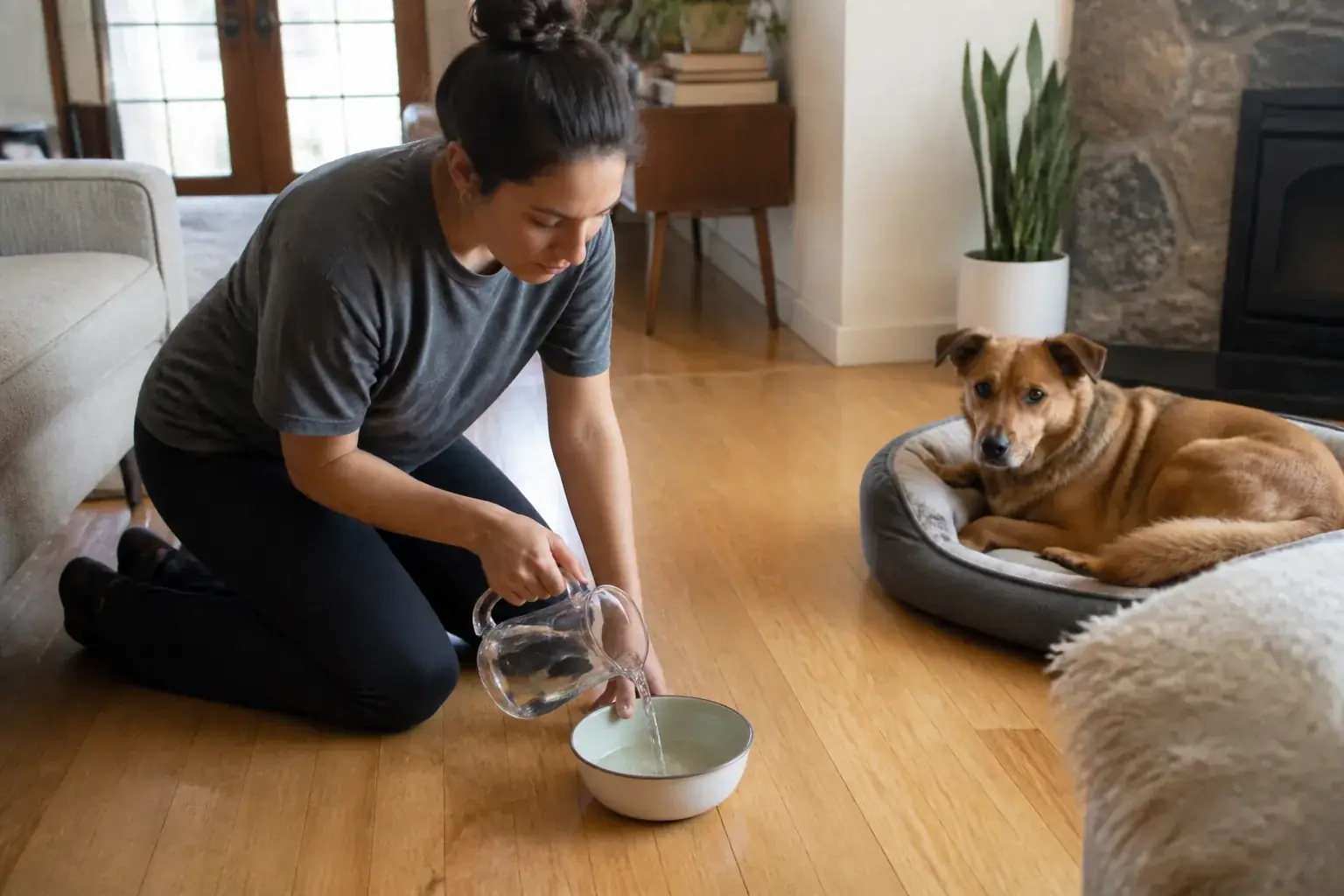
Write to us about what is actually happening with your dog. We will tell you which kind of service would help - and, if that is the case, that you need none of them.