Home visits for food, water and giving medication
Short visits for a dog that can be alone in between, but needs food, fresh water, a toilet break and possibly medication...

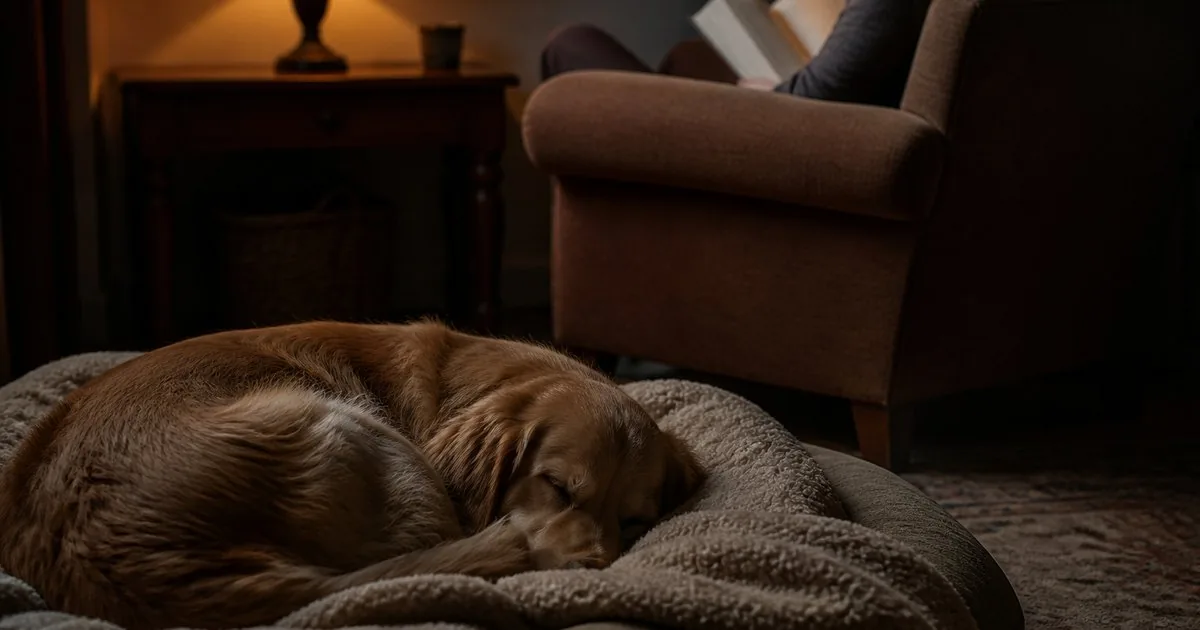
Overnight supervision means someone stays with your dog, or drops in at set times, while the family is away.
It can happen at the dog's own home or in boarding accommodation. It's useful when the animal can't be left alone, when the owners are away, when there are several animals in the house, or when the dog's routine involves special needs.
Having someone asleep in the same house isn't the whole job. Agree beforehand what the person does if the dog barks or whines, needs to go out, vomits, has diarrhoea, gets restless or tries to get into an area it isn't allowed in. The middle of the night is a bad time to be ringing the owner with questions.
Older dogs may need extra toilet breaks, a night light, non-slip surfaces or help getting about. Young dogs may be on a different toilet schedule. If a dog is scared of storms or loud noises, work out a plan in advance with the family and, where it makes sense, with the vet. Whoever is on duty needs to know where the leash and crate are, where the paperwork is kept and who to call in an emergency.
If a dog doesn't know the pet sitter, the first night shouldn't also be the first time they meet. Getting to know each other beforehand cuts the risk of fear, territorial guarding and misunderstandings when the dog is handled.
It makes most sense for puppies that can't manage a whole night alone, senior dogs that need toilet breaks or someone keeping an eye on them, and animals in a stable recovery.
Even if a dog normally sleeps through, it can still need to go out, get restless, be in pain or react to a noise at any point in the night.
Agree where the dog sleeps and what its evening routine looks like. Get the contacts and instructions ready.
The sitter checks on the dog quietly, without winding it up for no reason, and tells you how it slept and what changed.
Pacing around the house, panting when it hasn't been exercising, barking or whining, waking up a lot, or seeming disoriented: these show you how the dog is coping with a night without you.
Tell the sitter where the dog usually sleeps and when its last evening and first morning outings are. If it's on prescribed medication, write down the exact times. Leave a plan for night-time emergencies, too.
The person needs to be able to spot when the dog's condition is getting worse. Ask for clear rules on access to the house, and a calm presence that lets the dog sleep. A serious service will have a detailed first conversation with you and a protocol for keys, access, the leash and emergencies.
Relaxation exercises and getting used to the person can help. If restlessness at night starts suddenly, consider a medical cause: it may be pain or illness, even when it looks like a behaviour problem.
Overnight supervision isn't continuous medical monitoring. An unstable animal has to be supervised as the vet instructs. Go over the risks first: falls or accidents with senior dogs, a dog bolting during a night-time toilet trip, a medical emergency that gets dealt with too late.
When you're considering overnight supervision, don't assume one format has to work for every dog. A puppy needs something different at night from a senior, and a dog that's frightened of storms needs something else again.
How a service is organised responsibly, how to recognise quality, where the limits are and what to ask before you pay - explained once, for all services.
This page explains the service, it does not sell it. Some of these we run ourselves, others happen at a veterinary practice, a grooming salon, or with people we work alongside.
Frequently asked questions
No. It makes most sense for puppies that can't manage a whole night alone, senior dogs that need toilet breaks or observation, and animals in stable recovery.
The sitter needs to know the usual sleeping place, the times of the last evening and first morning outing, any prescribed medication with exact times, and the plan for night-time emergencies.
Watch for pacing around the house, panting without exertion, barking or whining, frequent waking and disorientation. After that, look at appetite and water intake, and at how well the dog rests.
It isn't the same as continuous medical monitoring. An unstable animal has to be supervised as the vet instructs.
Relaxation exercises and getting used to the person can help. Restlessness at night that appears suddenly can also be a medical sign, so don't treat it as just a behaviour issue.
Care and supervision
Short visits for a dog that can be alone in between, but needs food, fresh water, a toilet break and possibly medication...
More than a car journey: the dog has to be loaded and unloaded safely, secured inside the car and protected from heat. L...
Someone comes to your dog’s home and keeps its routine going while you are away. The big advantage: nothing around...
It looks like the simplest service on the list and it is actually the one with the most variables: traffic, bikes, child...
Temporary accommodation for when your dog cannot come with you. For some dogs it is an interesting experience; for other...
Boarding plus training sessions. It sounds good, but it only means something once it can be put into numbers: how many s...
Write to us about what is actually happening with your dog. We will tell you which kind of service would help - and, if that is the case, that you need none of them.