Vaccination and parasite control
Vaccines and parasite treatments are preventive medicine. Your vet sets them based on the dog's age, health, lifestyle a...

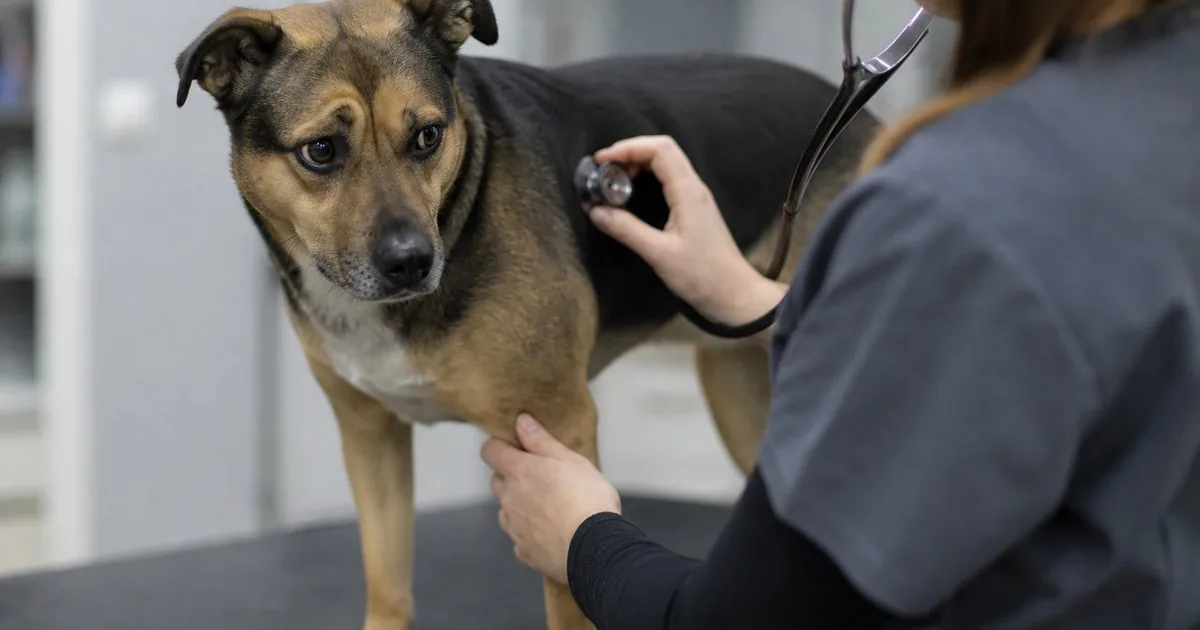
When a vet practice works in partnership with your trainer, referrals happen faster, the right information reaches the right person, and training, care and medical assessment stop tripping over each other.
What a partnership like this really gives you is a link between what happens in training and what happens at the clinic. It doesn't mean every problem your dog has gets sent automatically to one place. It doesn't take away your right to pick a different vet either. It just means there's a clear route for asking for an assessment, a piece of information or an intervention when your dog's health starts to affect their programme.
Before a course, get your dog checked if you see lameness, sensitivity to touch, a sudden change in behaviour, unusual tiredness, laboured breathing or digestive problems, or if they have a medical history. For sport, running, fitness, rehab or a weight loss programme, you need to know their physical condition up front. Dogs keep working when they hurt. A dog that sets off happily on a trail can still be in pain.
It also helps a lot with dogs that are scared of the vet. The trainer can practise cooperative handling with them, going into the carrier, wearing a muzzle and waiting calmly. The practice can book a quieter slot and approach the dog more gently. Sometimes the vet will recommend medication before the visit. That gets prescribed for your dog specifically, and you don't swap it for products picked up from general advice online or from the neighbours.
Information only gets shared with your consent, and it stays confidential. The trainer can send relevant notes and video. The vet can pass back limits on exercise or handling. Each side gets what it needs to keep the dog safe and nothing more. Your trainer doesn't need the full medical file, and the vet doesn't need the whole training log.
Even a good partnership has limits. The practice doesn't vouch for the training just because the two work together. The trainer can't use the link with a vet to make therapeutic claims. Each is answerable for their own work.
It's most useful for dogs whose behaviour has changed suddenly, dogs taking part in activities that need regular assessments, and families who want a clear route for medical recommendations.
Your trainer doesn't become a vet because of it. And you're not obliged to use a particular practice.
First, be clear about why the dog is being referred. Then the trainer passes on the relevant observations, but only with your agreement.
Next comes the consultation, and the vet makes the medical call. After that, the activity or training plan picks up again, adjusted to the vet's recommendations.
Watch the dog. They'll show you how they're coping. Pain on moving or being touched, a change in appetite, unusual restlessness or flatness, and a sudden drop in tolerance are the signs that count.
Put together a sheet with the medical history and documents, the list of treatments, any relevant video you filmed safely, and your consent for information to be shared.
Check that the roles are clearly separated and that your data stays confidential. Communication should stick to facts. You should be free to get a second opinion at any time, everyone's skills and responsibilities should be explained clearly, and medical data should be passed on correctly.
A dog who feels ill or is in pain learns differently. They struggle to focus, tire sooner and may react sharply to being touched. That's why the collaboration matters: the training plan gets adjusted to what the vet recommends.
Diagnosis and treatment belong to the vet, and a partnership doesn't guarantee any particular outcome. A few risks need talking through openly: putting off the consultation too long, reading behaviour purely as a training problem, and passing on incomplete information about medication.
How a service is organised responsibly, how to recognise quality, where the limits are and what to ask before you pay - explained once, for all services.
This page explains the service, it does not sell it. Some of these we run ourselves, others happen at a veterinary practice, a grooming salon, or with people we work alongside.
Frequently asked questions
Mostly when your dog's behaviour has changed suddenly, when they take part in activities that need assessments, or when the family wants a clear route for medical recommendations.
Bring the medical history and documents, the list of treatments, relevant video filmed safely, and your consent for information to be shared.
Watch how the dog is doing: pain on moving or being touched, a change in appetite, unusual restlessness or flatness, a sudden drop in tolerance, their general condition and level of alertness, and their breathing.
Diagnosis and treatment belong to the vet. A partnership doesn't guarantee any particular outcome.
Pain and illness change how a dog learns, so the training plan has to fit the medical recommendations. That's where the collaboration earns its keep.
Veterinary and logistics
Vaccines and parasite treatments are preventive medicine. Your vet sets them based on the dog's age, health, lifestyle a...
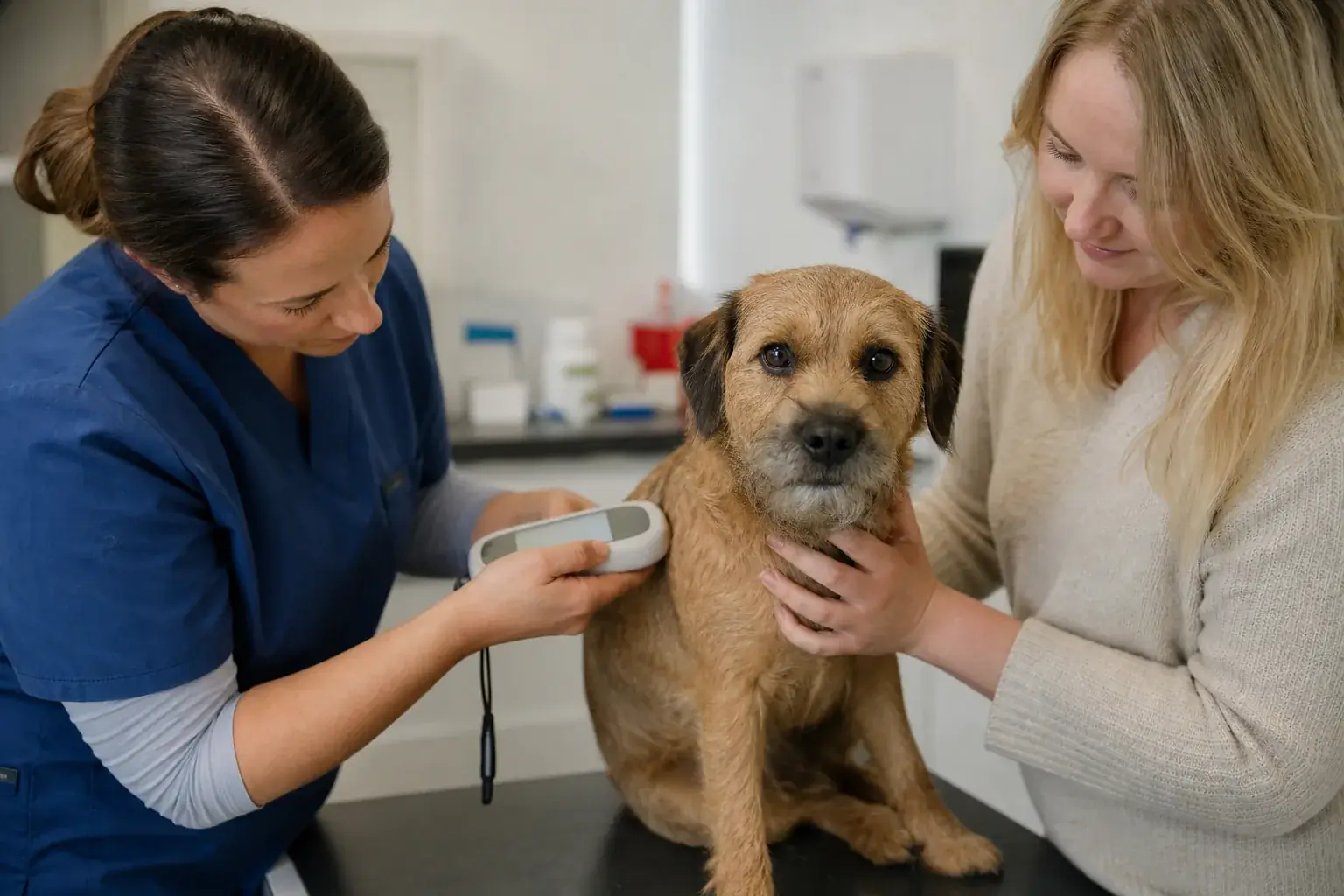
A microchip gives your dog an electronic ID code. Registration links that code to your details in the relevant official...
Your vet decides which tests your dog needs. For those, blood, urine, faeces or other samples get collected.
A veterinary ambulance gets sick or injured animals to the clinic in an organised way. Some carry equipment and staff se...
A veterinary pharmacy stocks medicines and care products, plus other things your dog needs. With delivery, they come to...
Moving an animal, within the country or across borders, takes more than a long drive. You need a suitable vehicle, crate...
Write to us about what is actually happening with your dog. We will tell you which kind of service would help - and, if that is the case, that you need none of them.