Recreational mantrailing
Recreational mantrailing means following a person's trail from a scent article, in a setting adapted to the level of the...

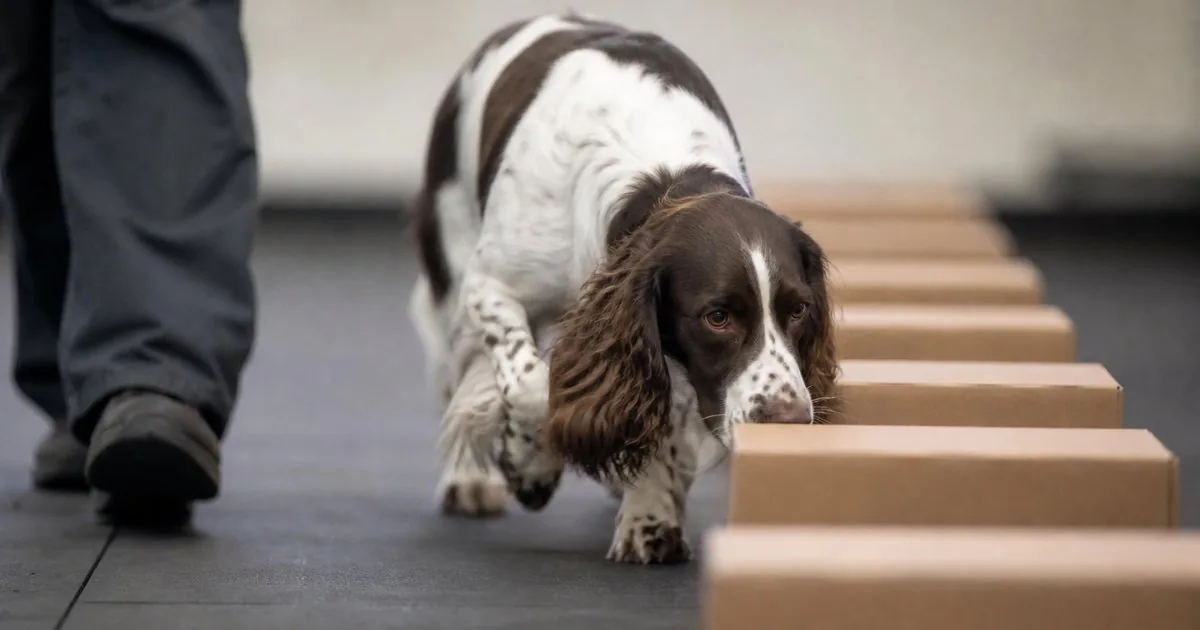
Nose Work and scent games give the dog the chance to search for food or a target odour and to use one of its main natural abilities.
Nose Work uses the dog's natural ability to search for and distinguish between odours. In its recreational form, it can start with finding food or a toy, and then move on to searching for a target odour in containers, rooms, outdoors or vehicles. The exercises have to be built up gradually, without leading the dog to the source and without turning every search into a test.
Scent work can be accessible to many dogs, including those that are not comfortable in a group. Searches can be done individually, and the environment can be adapted. A shy dog can gain confidence when it solves the problem at its own pace. A very active dog can learn to work with focus and to use its energy in a clear task.
The handler learns to notice changes in breathing, direction, rhythm, body position and interest. The aim is not to show the dog where the odour is, but to let it work and to confirm the find.
Scent sessions can be mentally demanding. Breaks are needed, and the number of searches is adapted to experience and motivation. Dangerous substances are not used, and recreational dogs are not trained with materials that carry legal or health risks.
It is most useful in contexts such as dogs of different ages and sizes, animals that prefer working on their own, and teams interested in focus and confidence.
The activity does not mean scattering food at random or putting the dog in impossible situations; the search is built up step by step.
introducing an easy search; controlling the area and the air currents.
gradually raising the height or the difficulty of the hide; observing the strategy and finishing on a success.
Signs such as a hurried search, abandoning the area, dependence on the handler's help and mental tiredness can show how the animal is experiencing the situation.
A preparation sheet should cover a valuable reward, a space free of hazards, the containers or materials needed, and information about allergies and resource guarding.
More useful criteria are searches matched to the level, correct handling of the odour, no excessive involuntary cues, assessment of the level of training, and a warm-up with gradual progression.
Nose Work develops the dog's independence and the handler's ability to read it, and the training focuses on the criterion and on rewarding at the source, not on permanent control.
it is not professional detection work without specific training; games with food are adapted to the diet. Among the risks to be discussed are swallowing objects, searching in areas with dangerous substances and frustration caused by hides that are too hard.
How a service is organised responsibly, how to recognise quality, where the limits are and what to ask before you pay - explained once, for all services.
This page explains the service, it does not sell it. Some of these we run ourselves, others happen at a veterinary practice, a grooming salon, or with people we work alongside.
Frequently asked questions
It can make sense above all for dogs of different ages and sizes, animals that prefer working on their own, and teams interested in focus and confidence.
Useful information includes a valuable reward, a space free of hazards, the containers or materials needed, and information about allergies and resource guarding.
You watch for a hurried search, abandoning the area, dependence on the handler's help, mental tiredness, the rhythm of the breathing and the gait, and the coordination.
it is not professional detection work without specific training; games with food are adapted to the diet.
Nose Work develops the dog's independence and the handler's ability to read it, and the training focuses on the criterion and on rewarding at the source, not on permanent control.
Activities and burning energy
Recreational mantrailing means following a person's trail from a scent article, in a setting adapted to the level of the...
Recreational agility uses obstacles and simple sequences for coordination, communication and physical activity, without...
Canine fitness uses controlled exercises for body awareness, balance, strength and mobility, adapted to the purpose and...
Swimming can provide exercise in water, play or conditioning, but it calls for an assessment of each dog's ability, of t...
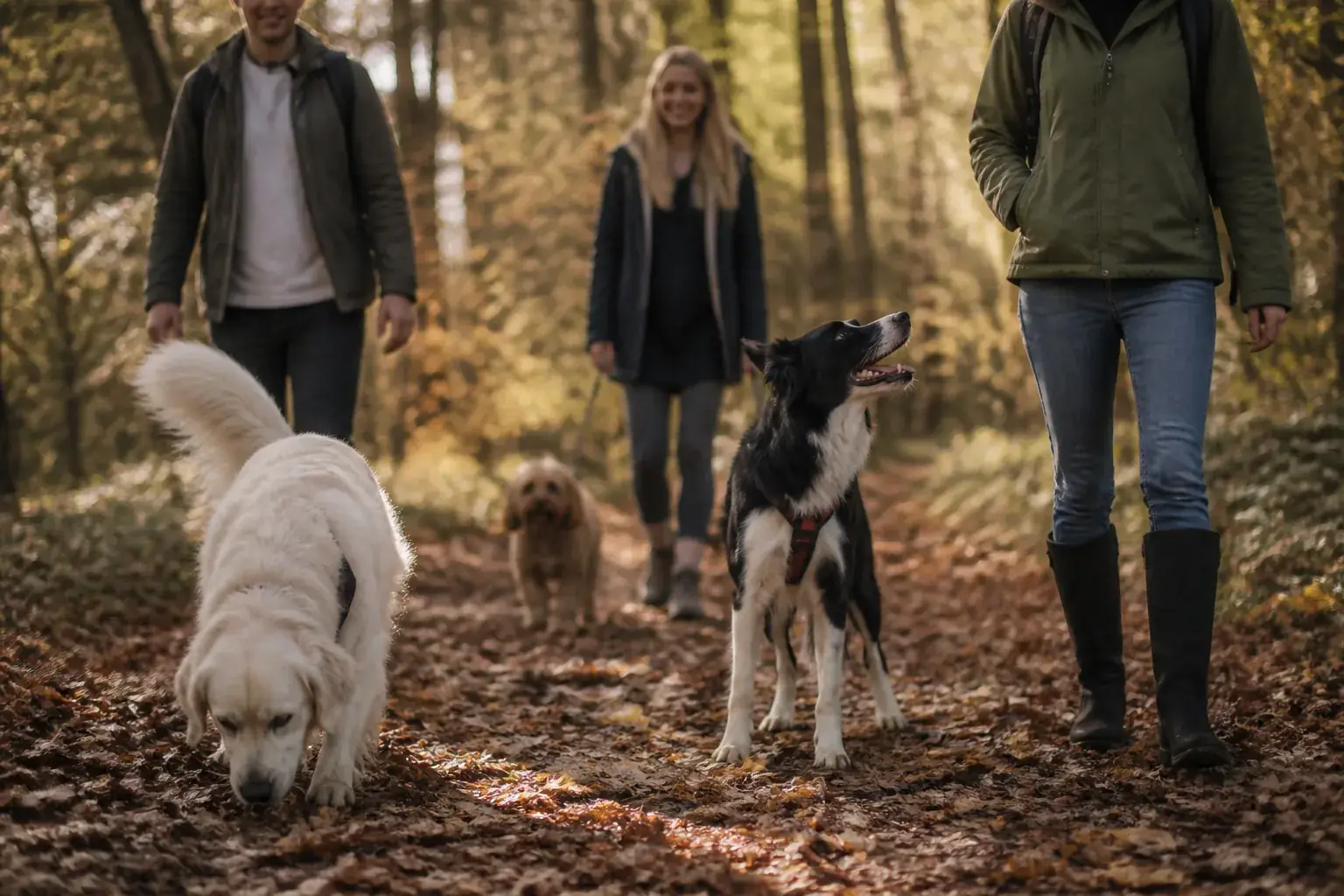
An educational walk combines exploring with simple exercises in orienting, leash walking, waiting and handling the encou...
Hiking with a dog means walking natural trails together, prepared for the terrain, the weather, the duration and unexpec...
Write to us about what is actually happening with your dog. We will tell you which kind of service would help - and, if that is the case, that you need none of them.