Settling a new dog into the family
Settling in means introducing the dog gradually to the home, to the routine and to its relationships with the people and...

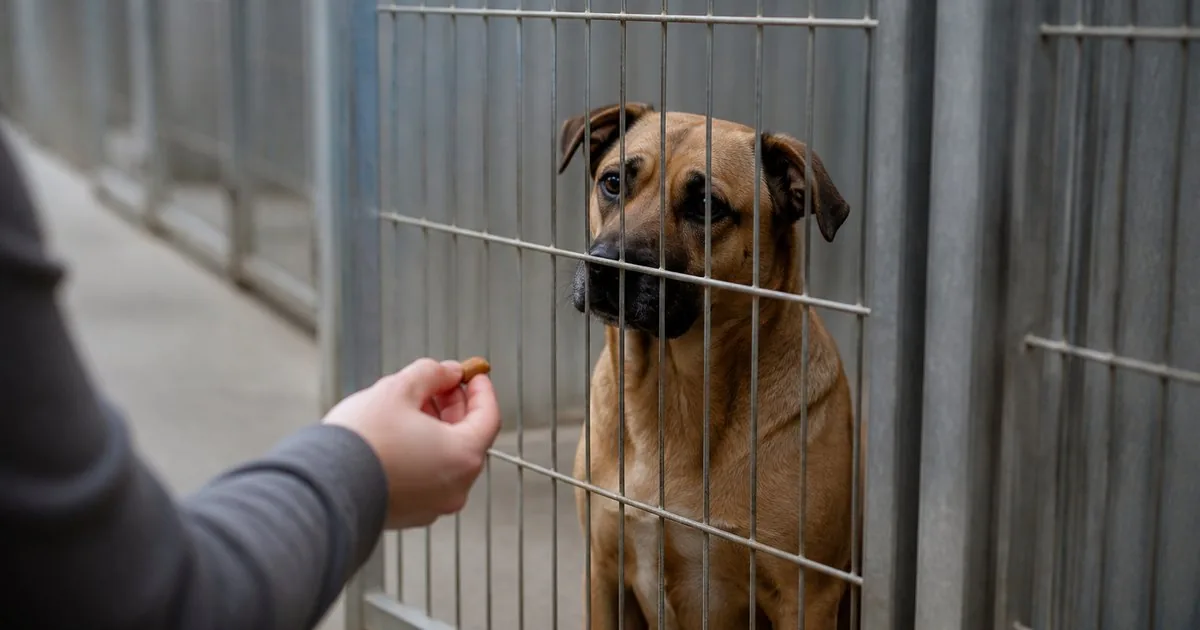
Preparation for adoption can involve both the family and the dog, so that the transition is realistic and as safe as possible.
Preparation for adoption is for the people about to take a dog on as much as for the animals in temporary care. For the future owner, the process clarifies the schedule, the budget, the space, the activity level and the kind of dog that fits. The wish to help matters, but it has to be backed by resources and realistic expectations.
For the dog, preparation can include walking on the leash, accepting a harness, travelling, a toilet routine, resting in a space of its own, basic handling and gradual exposure to the situations it is likely to meet in the new family. A dog does not need to know many cues in order to be adoptable. Being able to feel safe, and accurate information about its behaviour, matter more.
The history has to be passed on without embellishment. If there are fears, incompatibilities, a need for treatment or past incidents, the family has to know. A good match reduces the risk of the dog being returned. The first few weeks after adoption should be predictable: few visitors, simple routes, consistent rules and time to rest.
It can be considered above all for people about to adopt, for dogs in foster or shelter care and for families who want to get the home and the routine ready.
No assessment can guarantee that the animal will behave exactly the same in a new home, because the environment and the relationships change.
gathering information about needs and history; setting the compatibility criteria.
preparing the equipment and the space; a plan for the first few days and support afterwards.
Signs such as withdrawal or hypervigilance, toileting indoors, difficulty sleeping and either very rapid attachment or avoidance of contact can show how the animal is experiencing the situation.
A preparation sheet should cover the family's schedule, the presence of children and other animals, the budget and access to a vet, and the areas for separation and rest.
More useful criteria are honest communication about the unknowns, a settling-in period without overload, a policy for cases where the match does not work, observable and realistic goals, and explanations about criteria, rewards and progression.
Basic education can prepare handling, the leash and resting, but in the first few days safety and routine take priority over performance.
it cannot remove every surprise; medical or behavioural problems can appear after the adoption. Among the risks to be discussed are an impulsive choice, immediate exposure to many people and dogs, and mistaking stress for disobedience.
How a service is organised responsibly, how to recognise quality, where the limits are and what to ask before you pay - explained once, for all services.
This page explains the service, it does not sell it. Some of these we run ourselves, others happen at a veterinary practice, a grooming salon, or with people we work alongside.
Frequently asked questions
It can make sense above all for people about to adopt, for dogs in foster or shelter care and for families who want to get the home and the routine ready.
Useful information includes the family's schedule, the presence of children and other animals, the budget and access to a vet, and the areas for separation and rest.
You watch for withdrawal or hypervigilance, toileting indoors, difficulty sleeping, either very rapid attachment or avoidance of contact, whether the dog can take rewards and whether it can turn towards its handler.
it cannot remove every surprise; medical or behavioural problems can appear after the adoption.
Basic education can prepare handling, the leash and resting, but in the first few days safety and routine take priority over performance.
Training and education
Settling in means introducing the dog gradually to the home, to the routine and to its relationships with the people and...
The aim is to adapt the routine, the space and the behaviours gradually, before the newborn comes home.
Advice of this kind helps a family compare what they want with the time, budget, space and experience they actually have...
Temperament testing observes a dog's reactions in standardised or controlled situations, in order to gather information...
Sports preparation builds the exercises according to a set of rules and develops precision, endurance, emotional control...
Training at home takes place in the environment where some of the everyday behaviours appear, and allows the family's re...
Write to us about what is actually happening with your dog. We will tell you which kind of service would help - and, if that is the case, that you need none of them.