Training field rental
Renting gives temporary access to a fenced or equipped space for exercises, activities and individual work.

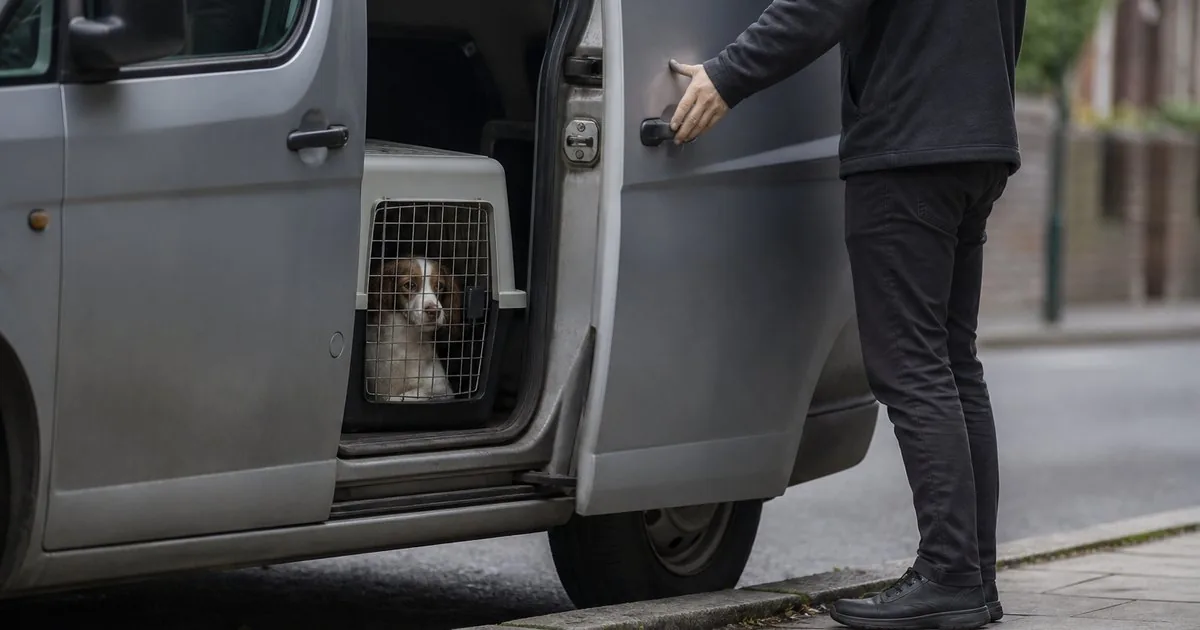
A pet taxi is a booked transport service to the vet, the salon, a boarding kennel, training or another destination.
A pet taxi provides transport to the surgery, the salon, a boarding kennel, training or another destination. What sets it apart from ordinary transport is that the vehicle and the person are prepared for animals. The dog has to be secured, separated where necessary and protected from the temperature and from escaping.
When booking, you give the size, the number of animals, the type of carrier, the behaviour, the mobility, any medical problems and the person handing the dog over or receiving it. A dog that is afraid of strangers or of the car may need a meeting beforehand, a conditioned muzzle or the owner present.
The vehicle is cleaned between journeys, and the crates and restraint systems are checked. Dogs that do not know each other are not transported together without safe separation. Doors are opened only after the leash is attached, or in controlled spaces.
The driver does not leave the animal alone in the vehicle in conditions that could endanger its health. The route and the stops are planned. If there are delays, the owner is told.
For medical visits, the pet taxi can carry the documents and the questions, but it does not make decisions in the owner's place beyond the limits of a clear authorisation. In an emergency, the clinic is contacted and its instructions are followed.
Among the situations where it can make sense are owners without transport, animals with a definite appointment and situations where the handover can be authorised.
A pet taxi is not automatically an ambulance and should not transport animals that do not know each other together without safe separation.
booking with the animal's details; choosing the restraint system.
controlled collection and loading; handover and confirmation.
Signs such as travel sickness, panic when getting in, trying to escape and reacting to strangers can show how the animal is experiencing the situation.
To reduce improvisation, the addresses and time windows, the contacts of the people handing over and receiving, the documents, and the medical and behavioural information all have to be prepared.
More useful criteria are a clean, ventilated vehicle, safe crates or fastenings, a procedure for delays, no leaving the animal in the vehicle in dangerous conditions, a transparent description of the product or activity, and safety rules that are easy to find.
Getting used to the car and the crate can make a pet taxi easier, but severe fear or nausea has to be dealt with in advance and, where appropriate, together with the vet.
it does not provide medical treatment unless it is a service authorised for that; decisions taken in the owner's absence require clear authorisation. Among the risks to be discussed are accidents, overheating, escape, conflict between animals and handing the dog to the wrong person.
A good decision about a pet taxi does not start from the idea that the same format has to work for everyone.
How a service is organised responsibly, how to recognise quality, where the limits are and what to ask before you pay - explained once, for all services.
This page explains the service, it does not sell it. Some of these we run ourselves, others happen at a veterinary practice, a grooming salon, or with people we work alongside.
Frequently asked questions
It can make sense above all for owners without transport, animals with a definite appointment and situations where the handover can be authorised.
Useful information includes the addresses and time windows, the contacts of the people handing over and receiving, the documents, and the medical and behavioural information.
You watch for travel sickness, panic when getting in, trying to escape, reacting to strangers, whether the dog can withdraw, and the level of arousal and the ability to take breaks.
it does not provide medical treatment unless it is a service authorised for that; decisions taken in the owner's absence require clear authorisation.
Getting used to the car and the crate can make a pet taxi easier, but severe fear or nausea has to be dealt with in advance and, where appropriate, together with the vet.
Retail and events
Renting gives temporary access to a fenced or equipped space for exercises, activities and individual work.
Seminars and workshops provide theoretical or practical education about training, behaviour, health, sport and care.
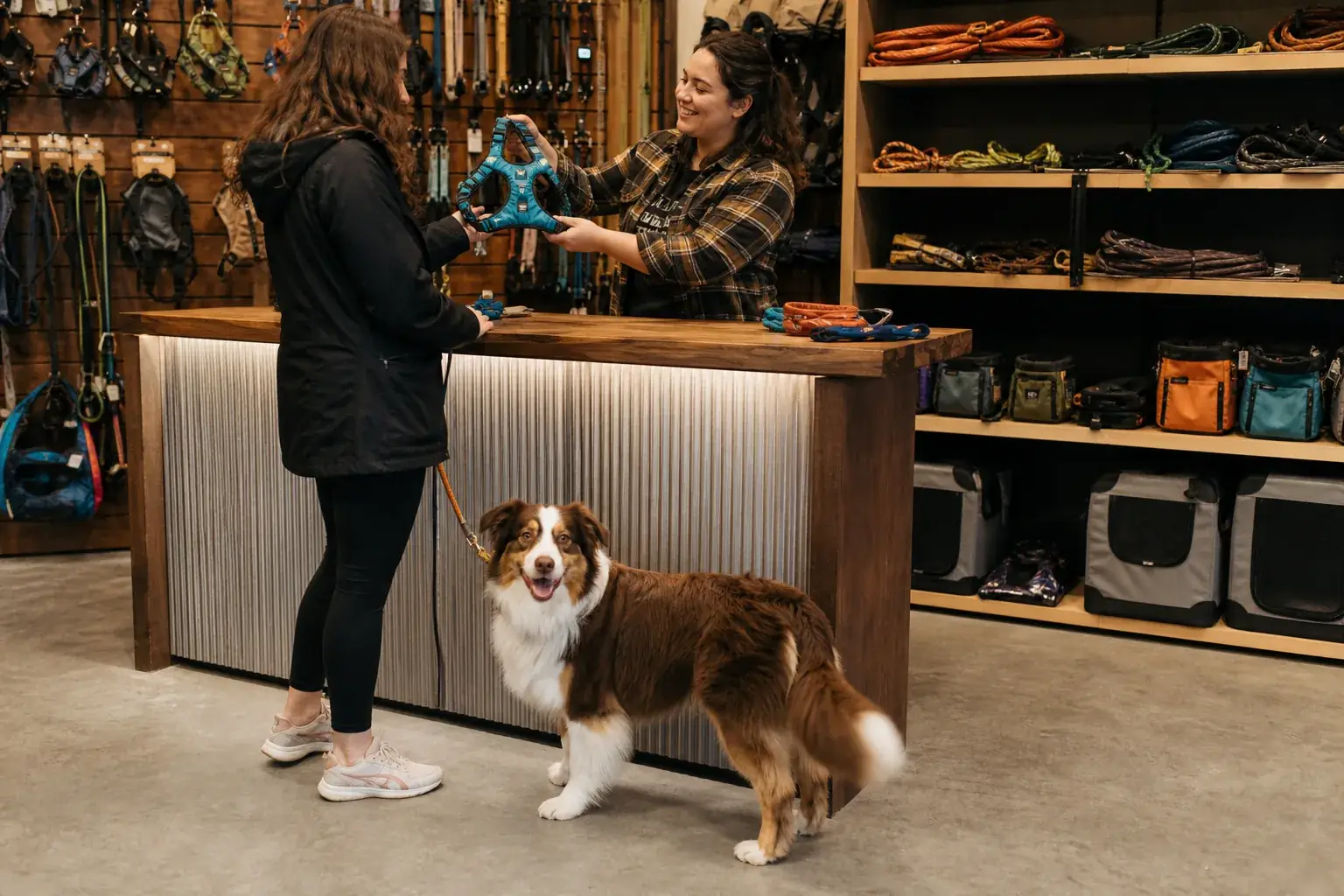
A specialist shop can offer leashes, harnesses, treats, toys, long lines, muzzles and other tools used in education and...
Renting lets you use a crate temporarily for the car, a flight, recovery or boarding, without buying one straight away.
Puppy packs bring together the things you need at the start, such as equipment, hygiene products, toys and information m...
Professional photography aims for good-quality images of the animal alone or together with the family, in a studio or ou...
Write to us about what is actually happening with your dog. We will tell you which kind of service would help - and, if that is the case, that you need none of them.