Training equipment shop
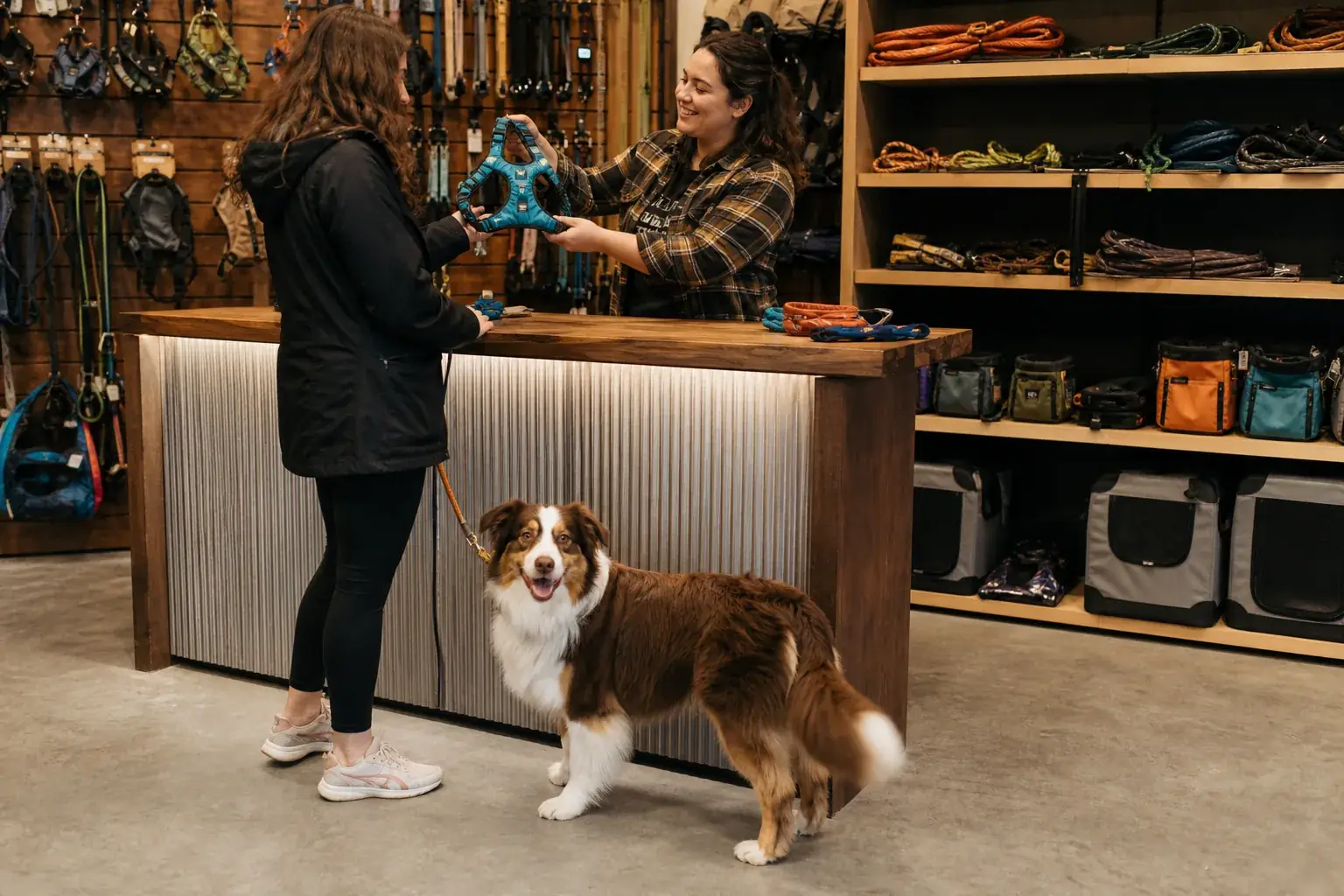
A specialist shop stocks leashes, long lines, harnesses, muzzles, treats, toys and plenty of other gear you use to train...

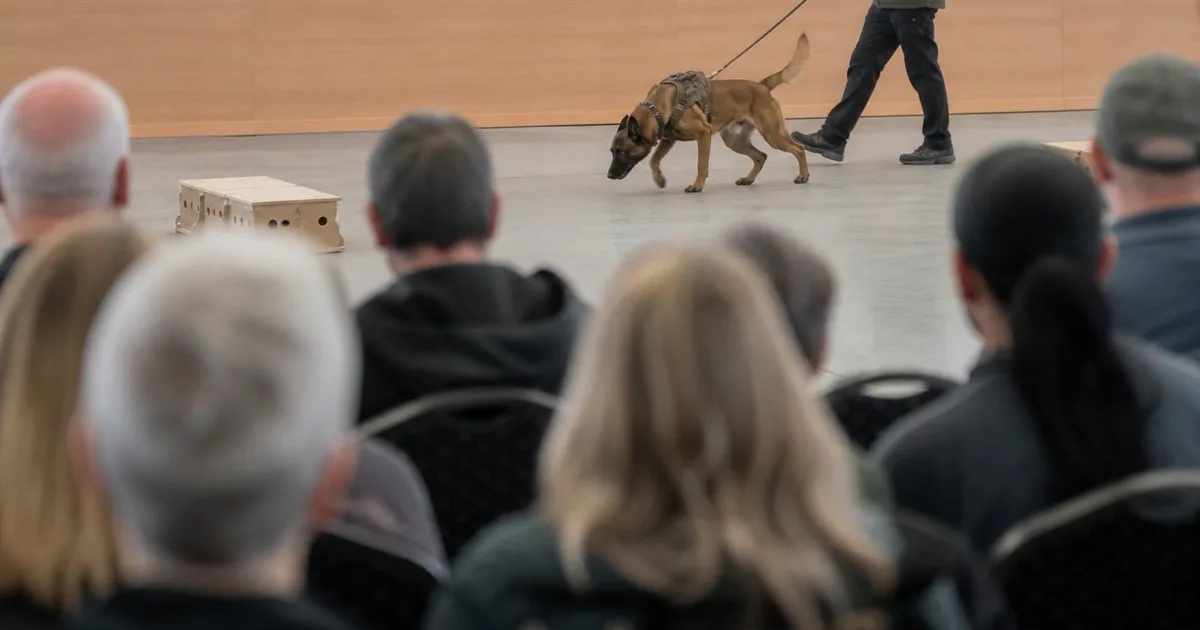
Seminars and workshops teach you, in a classroom or out in the field, about training, behaviour, health, sport and dog care.
The topics vary a lot: training, behaviour, scent work, sports conditioning, first aid, nutrition, grooming, management. Quality starts with a speaker who really knows the subject and a clearly defined audience. A group of owners needs things explained in plain language. With professionals, you can get into the technical detail.
The event description tells you the goals, the level, the schedule, the language, what materials you get, whether you come with or without a dog, and where the limits are. You shouldn't find out on the day that your dog will be working in a group, or that the room has no space to keep dogs apart.
At hands-on workshops, the number of teams is set so everyone gets proper working time and breaks. Dogs that are just watching have somewhere to rest. Nobody expects your dog to act out his problem in front of everyone. Risky cases are picked in advance and handled safely.
A good speaker doesn't make sweeping promises. They tell you clearly what's their opinion, what comes from experience and what's backed up by evidence. Medical topics are presented by licensed professionals. Materials get updated, and at the end you get sources so you can keep reading.
The organiser deals with registration, payment, cancellations, photo rights, personal data, accessibility and emergencies. A code of conduct helps head off arguments and unauthorised filming.
A good seminar ends with more than a round of applause. You go home with ideas you can use and clear limits. You also know what to work on next.
It's worth it if you're an owner who wants to dig deeper into a subject, a professional looking for continuing education, or a team that can take part in carefully chosen demos.
A long programme, a big-name speaker or a certificate of attendance doesn't guarantee the information is right or that you'll be able to use it.
The organiser defines the audience and the goals. Then they pick a competent speaker.
They set out the conditions for taking part. They prepare the space, the practical sessions and the final review.
Keep an eye on the dogs taking part. They can get tired or overwhelmed. An audience can put pressure on them, and filming can distract them. That's why breaks get planned in advance rather than squeezed in once a dog has had enough.
Find out the course level and the rules for coming with a dog. Sort out photo consent and check what materials or equipment you need to bring.
A serious seminar has clear goals. The speaker cites sources and keeps opinions separate from facts. The number of teams in the practical part is realistic, and there's a code of conduct and an emergency plan. A clear event description and safety rules that are easy to find count as well.
A workshop can sharpen your training technique. You judge it by what the participants understood and by how well the dogs used in the practical part were looked after. How impressive it looks isn't the measure.
Attending isn't the same as a full professional qualification. Medical topics are presented by licensed people. Risks to talk through first: risky demos, sweeping promises, medical information taught by people who aren't qualified, unauthorised filming.
How a service is organised responsibly, how to recognise quality, where the limits are and what to ask before you pay - explained once, for all services.
This page explains the service, it does not sell it. Some of these we run ourselves, others happen at a veterinary practice, a grooming salon, or with people we work alongside.
Frequently asked questions
If you expect it to give you a full professional qualification, or if the programme promises guaranteed results. It mostly makes sense for owners who want to go deeper into a subject, for professionals looking for continuing education, and for teams that can take part in carefully chosen demos.
Ask about the course level and the rules for coming with a dog. Sort out photo consent, and check what materials and equipment you'll need.
Ask how the participating dogs are looked after: they can get tired or overwhelmed, the audience can put pressure on them, filming can distract them, so breaks need planning. It also matters whether a dog can move away, how wound up he gets and whether he can still take breaks.
That attending isn't the same as a full professional qualification, and that medical topics are only presented by licensed people.
A workshop can sharpen your training technique. Its quality shows in what the participants understood and in how the practice dogs were protected, more than in how impressive it looks.
Retail and events
A specialist shop stocks leashes, long lines, harnesses, muzzles, treats, toys and plenty of other gear you use to train...
Renting a crate lets you use one for a while, for the car, a flight, recovery or boarding, without having to buy one str...
Puppy packs put the things you need at the start in one place: equipment, hygiene products, toys, plus some reading for...
A professional shoot gets you good-quality pictures of your dog, on his own or with the family, in a studio or outdoors.
Photos taken during training capture your relationship with the dog, your technique and how far you've come, without the...
A dog's birthday can be a get-together with friends, a special outing or a quiet day in. Pick what suits him.
Write to us about what is actually happening with your dog. We will tell you which kind of service would help - and, if that is the case, that you need none of them.