Organising birthday parties for dogs
A dog's birthday can be a get-together with friends, a special outing or a quiet day in. Pick what suits him.

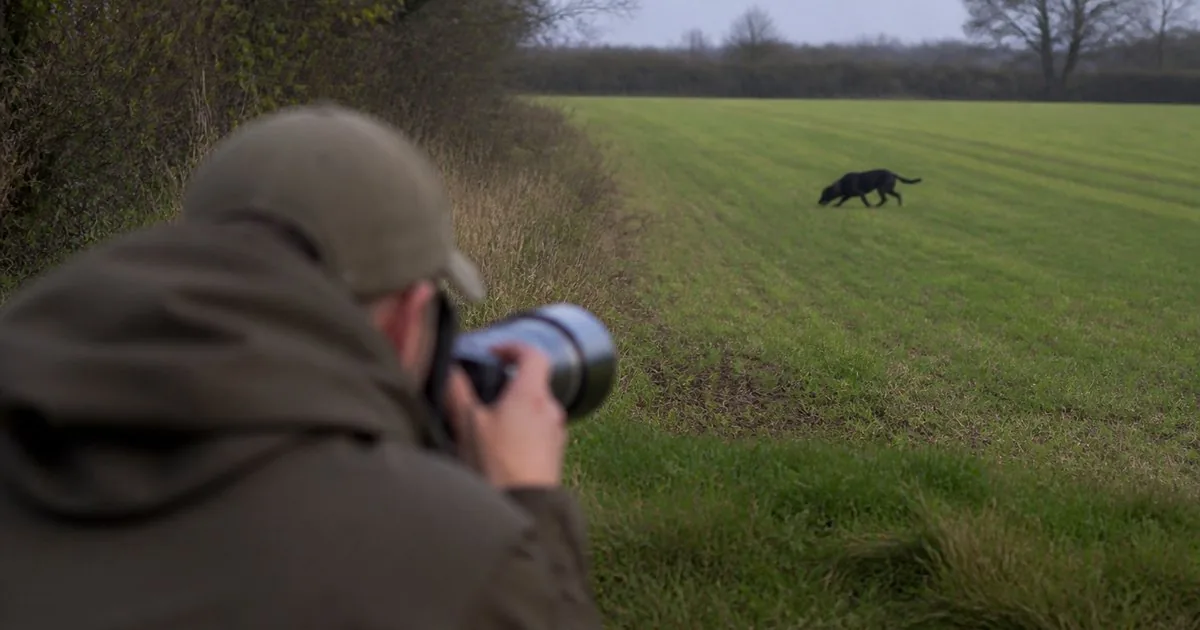
Photos taken during training capture your relationship with the dog, your technique and how far you've come, without the exercise turning into a separate posing session.
Training photos show you, over time, how you work together and how much you've improved. Unlike a standard shoot, the photographer here has to understand how the exercise runs and stay out of the dog's way. Where they stand, how they move, the click of the camera, how close they get: any of it can pull the dog's attention.
Before the session, agree what can be photographed, from where and at which moments. For exercises with a long line, jumps, running or searching, the photographer stays off the route and keeps the exits clear. They don't call the dog and don't hand out treats unless the handler says so.
Photos are handy for analysis too. You can see where the leash was, how you were standing, how the dog was carrying his weight, which way he was facing, how far he was from distractions. One picture won't show you the whole behaviour, though. For a technical review, video is often more use.
The dog's welfare comes before the shot. If the exercise went well, you don't keep running it for a perfect photo. You don't tire the dog out or wind him up for the sake of content.
When you post, make sure the picture doesn't misrepresent the exercise. Safety gear doesn't get edited out if leaving it out would make a risky practice look normal. You can explain the context in the caption.
It's worth it if you're on a team that wants action shots, if you're an instructor or owner looking at position and equipment, or if you're running a training event with clear rules about photos.
Don't keep repeating an exercise to get the perfect frame. And the photographer shouldn't turn into a distraction nobody planned for.
Agree on the areas and moments where photos are allowed. The photographer watches one full repetition before picking a spot.
They shoot without getting in the way of the route. Afterwards, you choose the photos and post them with their context.
Watch your dog. If he keeps turning to look at the photographer, loses focus, tenses up when the camera comes closer, or gets tired after repetitions, he's telling you how he's finding it.
As the organiser or owner, have ready the participants' consent, details of any dogs that need space, the exercise route, and your rules for using the pictures.
A good photographer understands how the activity runs and stays off the working line. They don't give treats or call dogs without permission. A clear description of the activity and safety rules that are easy to find count as well.
Photos can help you analyse your training. For a whole sequence, video sometimes tells you more. Either way, the exercise stays genuine and safe.
A single picture doesn't show the whole behaviour, and the dog's welfare matters more than content. Risks to talk through first: the long line getting tangled, a blocked exit, extra repetitions, misleading posts.
You judge a good training shoot by how little it interrupted the session, more than by how many frames you got. The dog doesn't get dressed up or forced into a pose: you photograph the work as it happens. The photographer should ask beforehand what's off limits. Usually the list is short: no flash, no calling the dog, no stepping into the working area.
How a service is organised responsibly, how to recognise quality, where the limits are and what to ask before you pay - explained once, for all services.
This page explains the service, it does not sell it. Some of these we run ourselves, others happen at a veterinary practice, a grooming salon, or with people we work alongside.
Frequently asked questions
When the exercise would have to be repeated over and over for a shot, or when the photographer would become an unplanned distraction. It mostly makes sense for teams who want action shots, for instructors and owners looking at position and equipment, and for training events with clear photo rules.
Say whether you have the participants' consent, which dogs need space, where the exercise route runs and what your rules are for using the pictures.
Ask how the dog will be watched during the session. Signs to look out for: turning to the photographer again and again, losing focus, tensing up when the camera comes close, tiredness after repetitions. It also matters whether he can move away, how wound up he gets and whether he can still take breaks.
That one picture doesn't show the whole behaviour, and that the dog's welfare matters more than content.
Photos can help you analyse training, though video is sometimes more useful for a sequence. The exercise has to stay genuine and safe.
Retail and events
A dog's birthday can be a get-together with friends, a special outing or a quiet day in. Pick what suits him.
A dog event might be a group walk, a demo, an activity, an educational meet-up or a fun competition.
A pet taxi is a booked ride for your dog: to the vet, the groomer, a boarding kennel, training or anywhere else he needs...
Renting a field gets you temporary use of a fenced or kitted-out space for exercises, activities or one-to-one work with...
Seminars and workshops teach you, in a classroom or out in the field, about training, behaviour, health, sport and dog c...
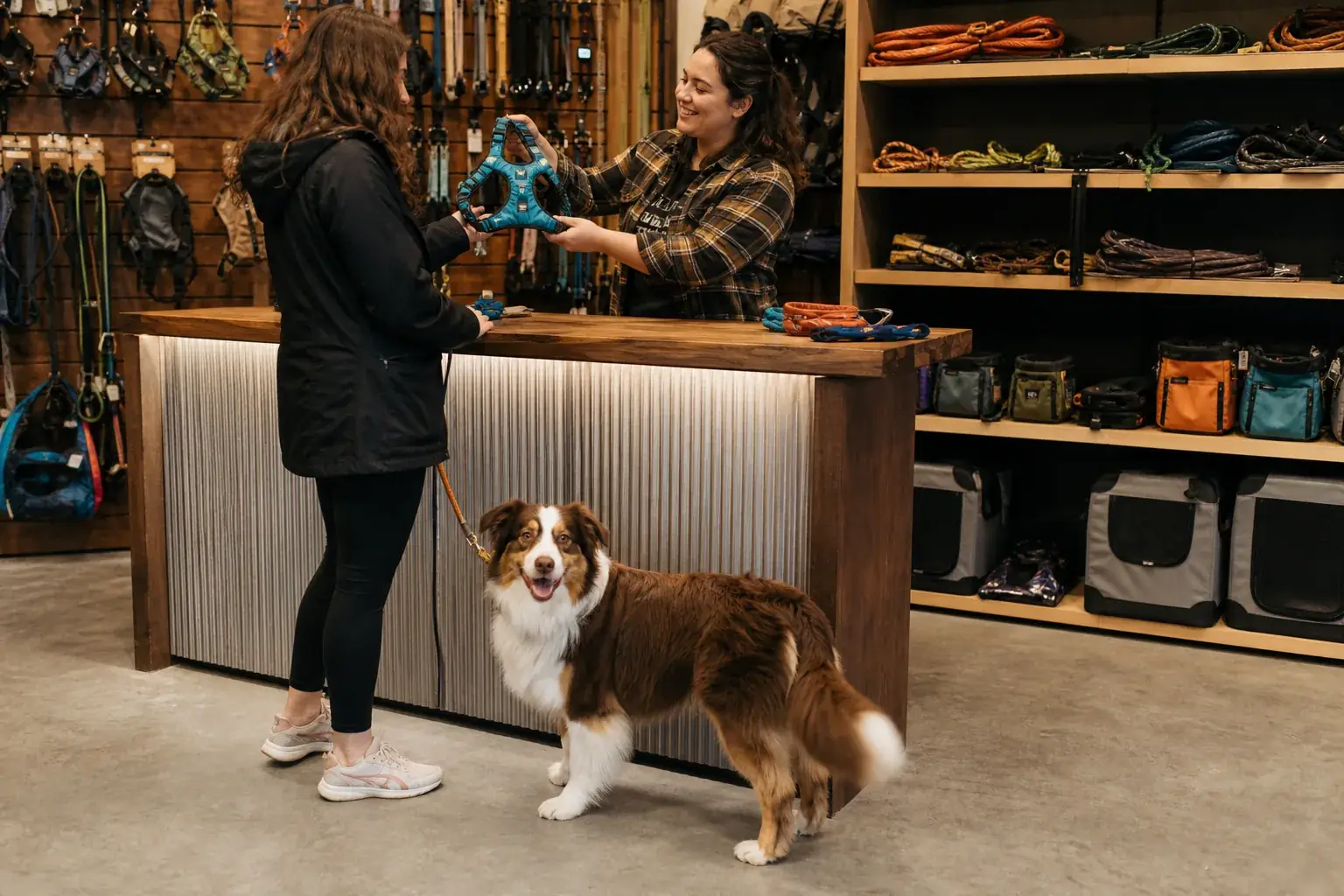
A specialist shop stocks leashes, long lines, harnesses, muzzles, treats, toys and plenty of other gear you use to train...
Write to us about what is actually happening with your dog. We will tell you which kind of service would help - and, if that is the case, that you need none of them.