Pet taxi
A pet taxi is a booked transport service to the vet, the salon, a boarding kennel, training or another destination.

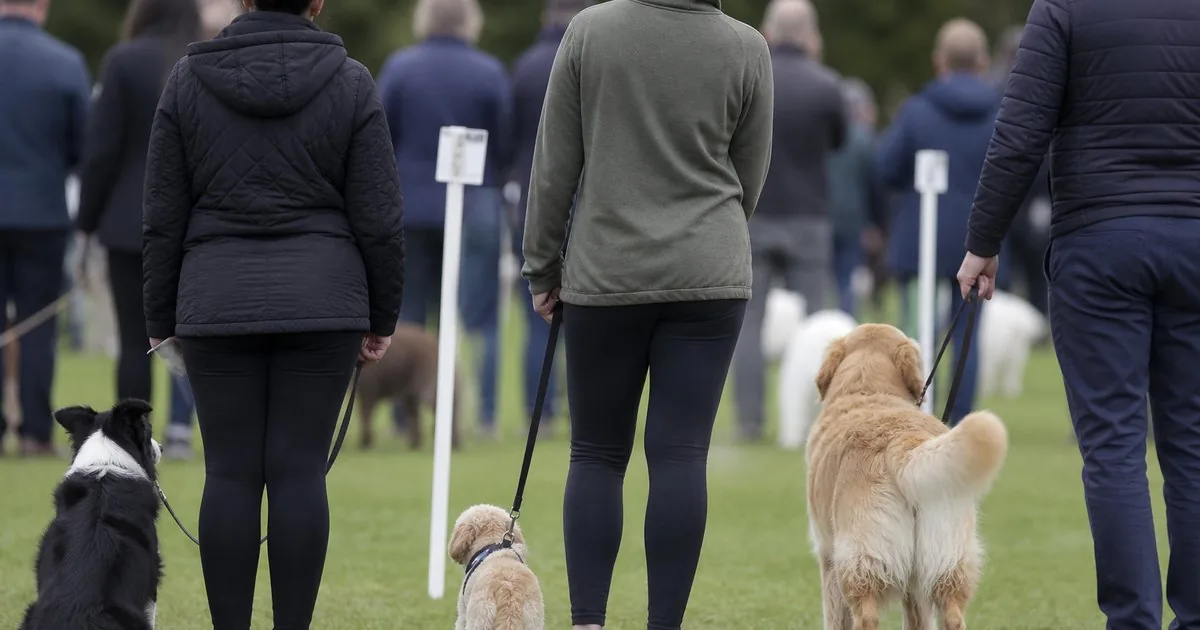
Dog events can include walks, demonstrations, activities, educational meet-ups or recreational competitions.
Events can create community, education and opportunities for activity. They can include walks, demonstrations, information sessions, scent activities, assessments, recreational competitions or themed meet-ups. Success depends on planning the flow and on being able to manage very different animals.
Registration has to collect the relevant information: the age, the state of health, reactions to dogs and people, the need for distance, any history of escaping and a contact person. This data is used for safety and stored responsibly.
The venue has to have a controlled entrance and exit, waiting areas, water, shade or shelter, suitable surfaces, toilets and an emergency plan. Visual markers can create distance. Reactive dogs can have separate time slots or routes.
The rules are communicated in advance: the leash, the equipment, distance, no greetings without agreement, picking up after the dog, supervising children and how to behave in the activity areas. The organisers have to be able to stop a dog from taking part if safety is compromised, without shaming the owner.
Demonstrations must not use animals that are overwhelmed. The audience is told that an exercise shown by a well-prepared team cannot simply be reproduced at home. Photographs and filming have clear rules.
For bad weather, extreme temperatures or a health risk, there has to be a policy for postponing. Holding the event at any cost is not responsible.
Among the situations where it can make sense are owners interested in community, dogs that can take part in the format proposed, and teams who want guided experiences.
Open access does not mean every dog has to go into a crowd or greet others. A good event also offers options for keeping distance.
registration with the relevant information; organising the flow and the areas.
a briefing on the rules; monitoring the activities, and an emergency plan.
Signs such as hypervigilance, barking and lunging, avoiding certain areas and cumulative tiredness can show how the animal is experiencing the situation.
Beforehand you need information and resources such as equipment and identification, water and protection from the weather, information about reactivity, and consent for images.
More useful criteria are controlled entrances and exits, waiting areas, trained staff, a policy for postponing because of weather or a health risk, a transparent description of the product or activity, and safety rules that are easy to find.
An event can offer generalisation and educational experiences, but the intensity and the distance have to be adapted, and the dog is not obliged to be sociable with everyone.
participation can be stopped for safety; demonstrations should not simply be reproduced at home. Among the risks to be discussed are escape, conflicts, overheating, crowding at the gates and filming without consent.
A successful event shows in the following day: the dogs rest normally, and the people come back a second time. A dog that leaves an event exhausted or tense stayed too long, or too close to the others. The organiser should be able to say in advance how many dogs are coming, how the areas are separated and what happens if a conflict breaks out.
How a service is organised responsibly, how to recognise quality, where the limits are and what to ask before you pay - explained once, for all services.
This page explains the service, it does not sell it. Some of these we run ourselves, others happen at a veterinary practice, a grooming salon, or with people we work alongside.
Frequently asked questions
It can make sense above all for owners interested in community, dogs that can take part in the format proposed, and teams who want guided experiences.
Useful information includes equipment and identification, water and protection from the weather, information about reactivity, and consent for images.
You watch for hypervigilance, barking and lunging, avoiding certain areas, cumulative tiredness, whether the dog can withdraw, and the level of arousal and the ability to take breaks.
participation can be stopped for safety; demonstrations should not simply be reproduced at home.
An event can offer generalisation and educational experiences, but the intensity and the distance have to be adapted, and the dog is not obliged to be sociable with everyone.
Retail and events
A pet taxi is a booked transport service to the vet, the salon, a boarding kennel, training or another destination.
Renting gives temporary access to a fenced or equipped space for exercises, activities and individual work.
Seminars and workshops provide theoretical or practical education about training, behaviour, health, sport and care.
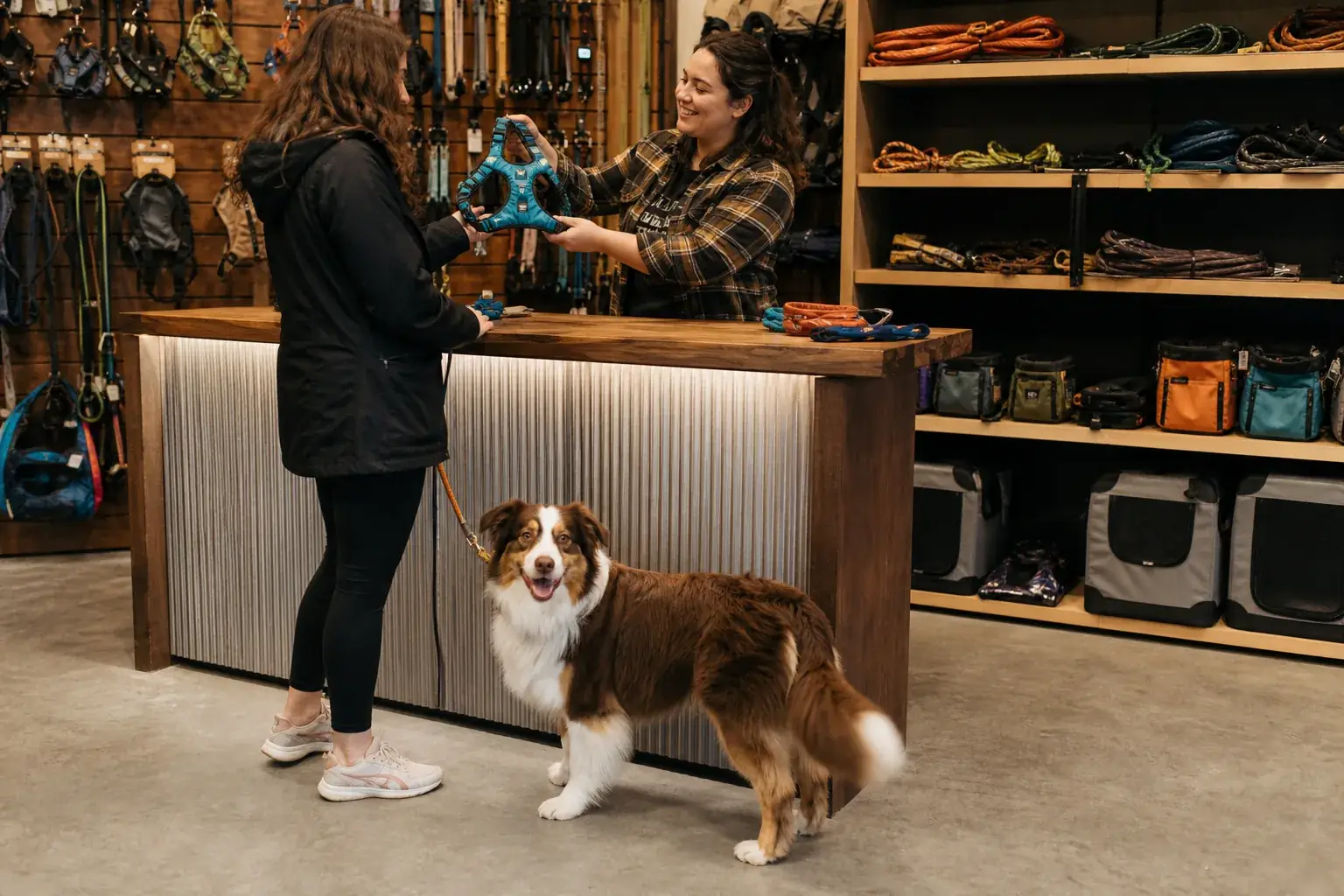
A specialist shop can offer leashes, harnesses, treats, toys, long lines, muzzles and other tools used in education and...
Renting lets you use a crate temporarily for the car, a flight, recovery or boarding, without buying one straight away.
Puppy packs bring together the things you need at the start, such as equipment, hygiene products, toys and information m...
Write to us about what is actually happening with your dog. We will tell you which kind of service would help - and, if that is the case, that you need none of them.