How long is the track?
It depends on the level. At advanced stakes it can run to hundreds of paces, with several corners and an age of a few hours, which makes it considerably harder than a beginner's track.

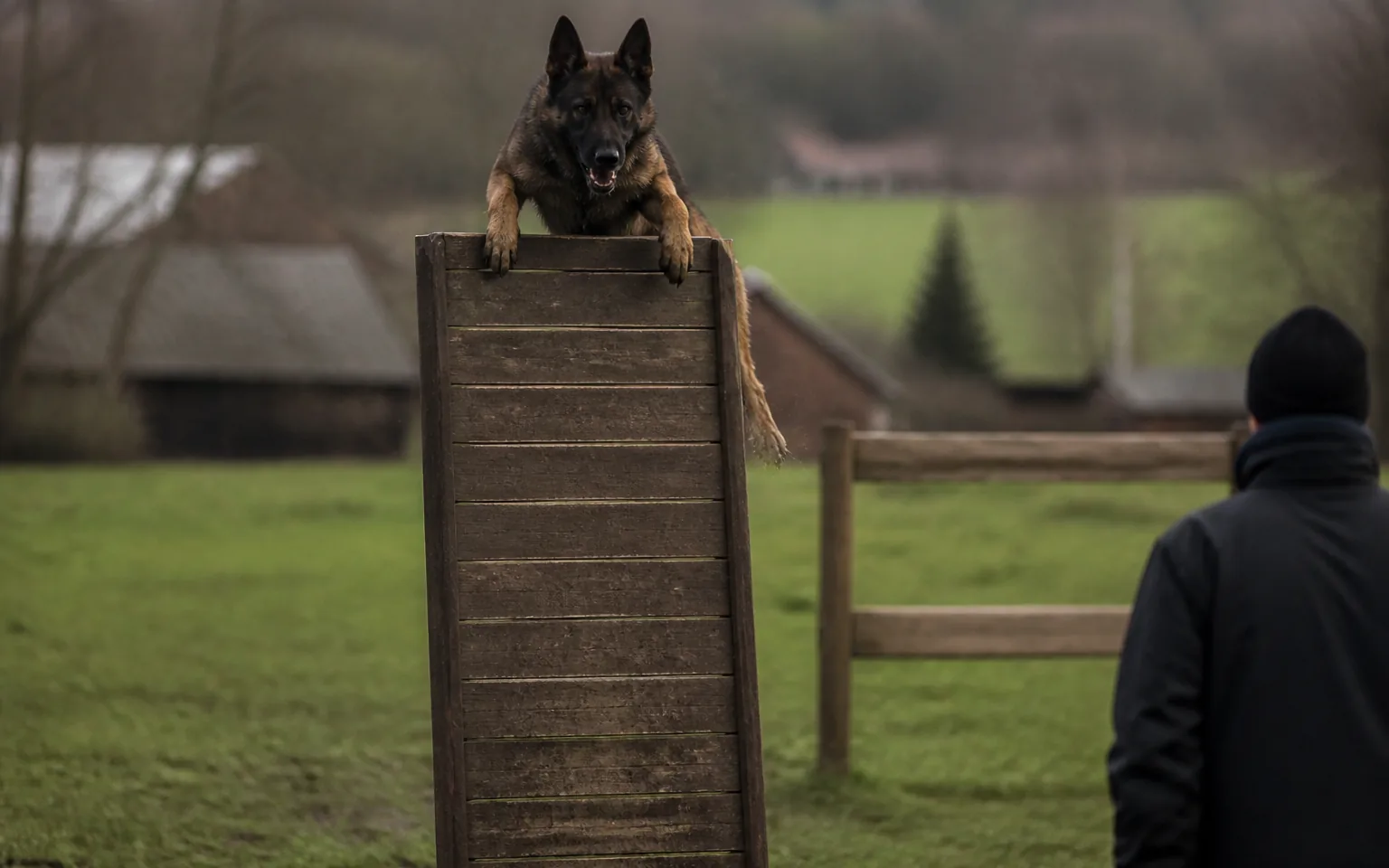
Obedience and working disciplines
The British take on the utility dog: tracking over large ground, article search, obedience and three classic jumps. Much of it happens outdoors, in any weather.
About the discipline
Working Trials are the British utility discipline, structured in levels called stakes: from the introductory one up to the advanced patrol stakes.
Each level combines four groups of exercises: control (obedience), agility (three standard jumps), nosework (tracking and article search) and, at the higher levels, a protection component.
The tracking is worked over long distances and varied ground, sometimes hours after the track was laid. It is an endurance discipline, for dog and handler alike.
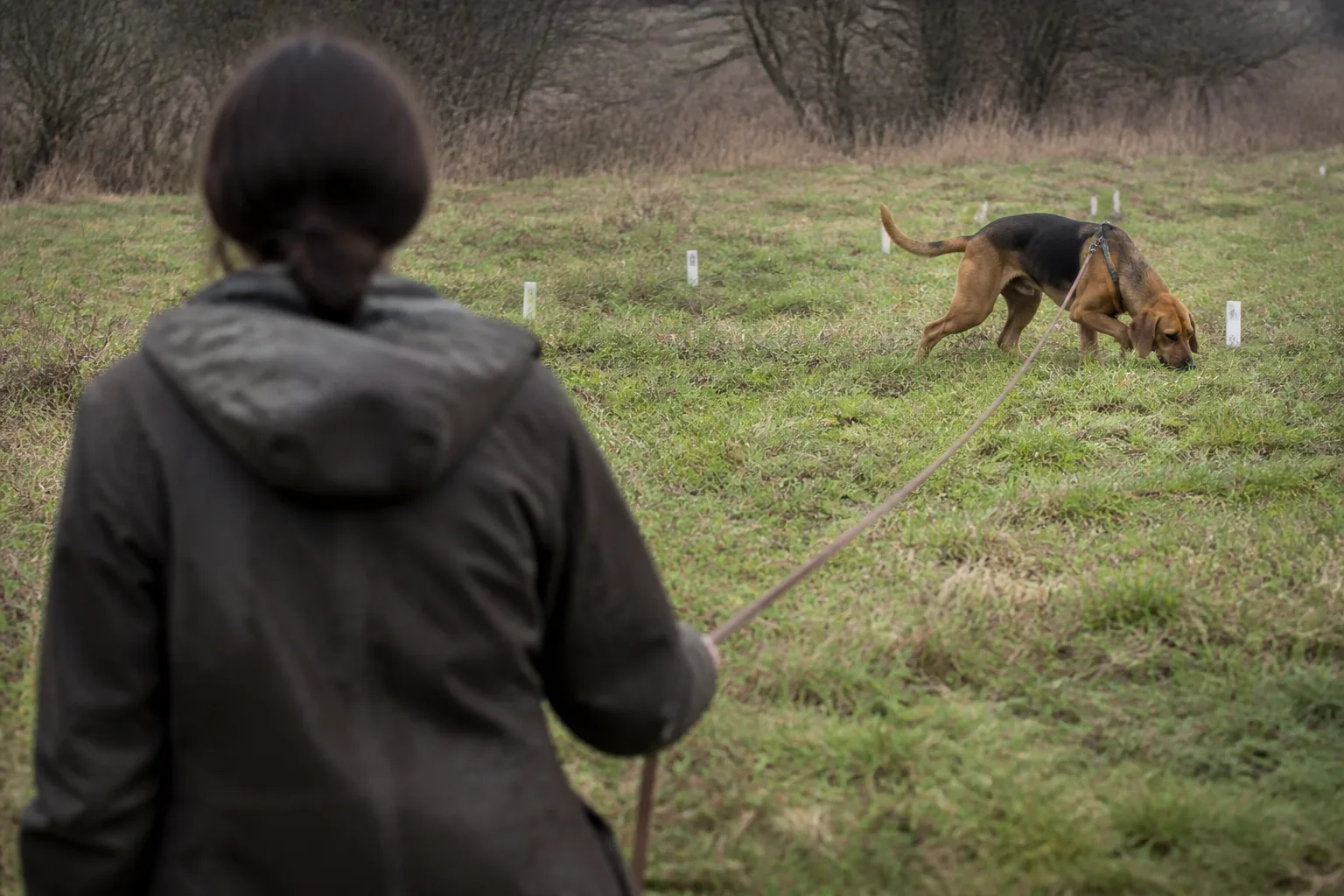
How it works in practice
Frequently asked questions
It depends on the level. At advanced stakes it can run to hundreds of paces, with several corners and an age of a few hours, which makes it considerably harder than a beginner's track.
IGP has three fixed phases with compulsory protection. Working Trials have four groups of exercises, include jumps and article search, and protection appears only at patrol level.
Traditionally German shepherds, border collies and springer spaniels, but the discipline is open. Stamina, nose and willingness to work away from the handler matter most.
By what your team already has. If obedience and jumping are solid but tracking is new, start at the introductory level and build the nosework separately. Most clubs will assess you honestly at a first session, which saves a wasted season.
The rule figures on this page come from The Kennel Club - Working Trials. Rules change and federations differ - always check the rulebook of the competition you are entering.
From the same category
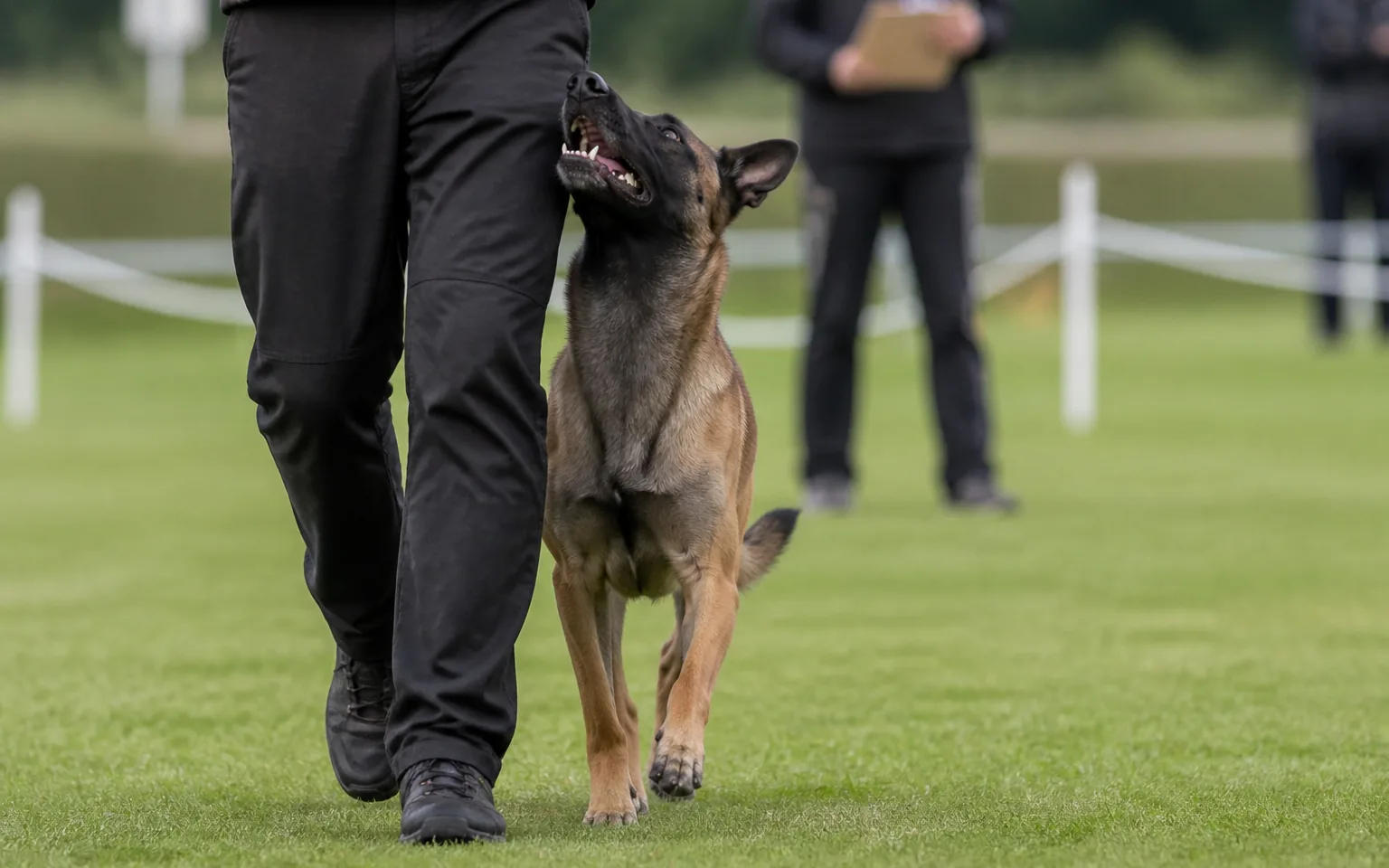
Precise execution of commands, positions, recall and retrieve.
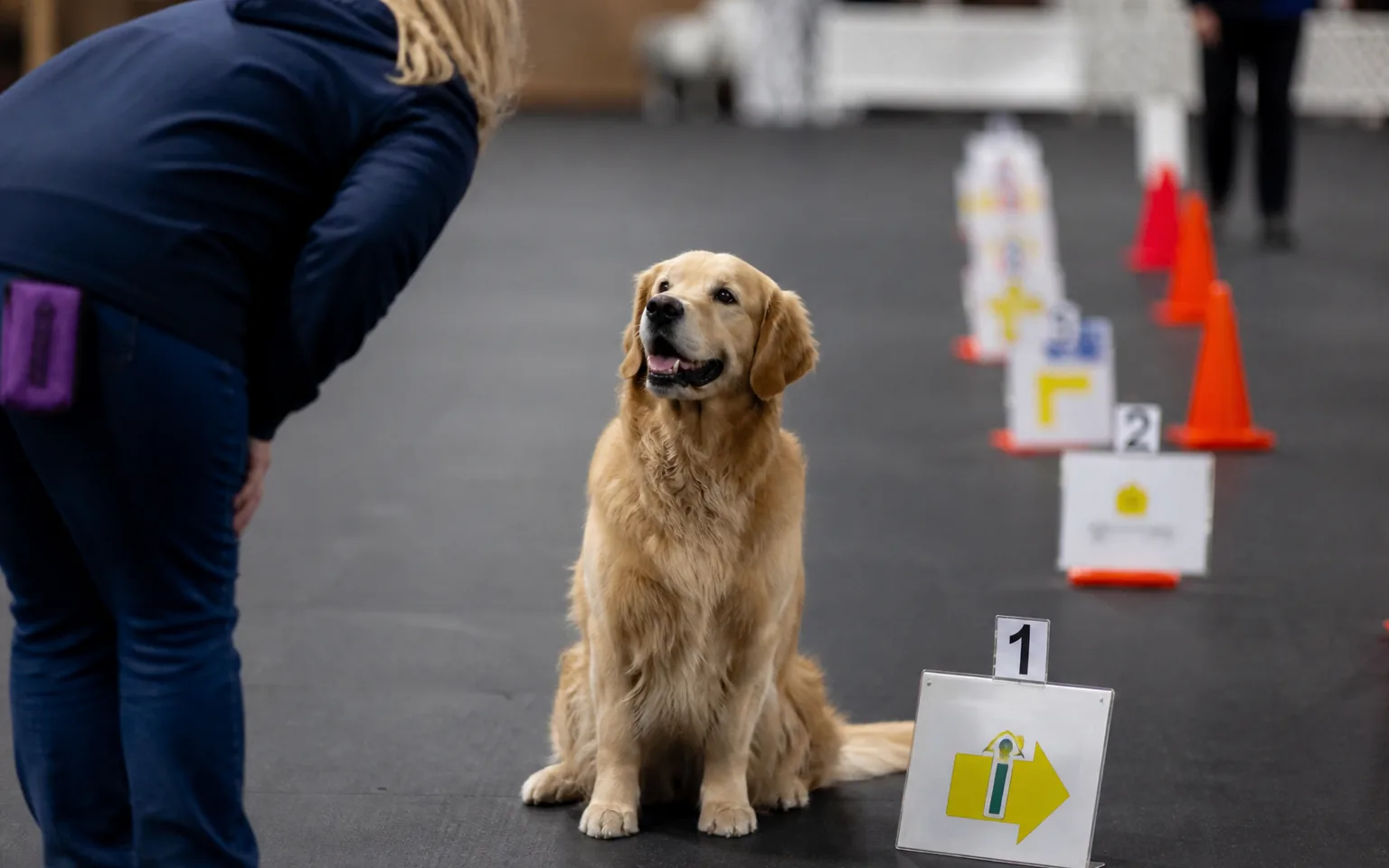
The team follows a course of signs with obedience exercises.
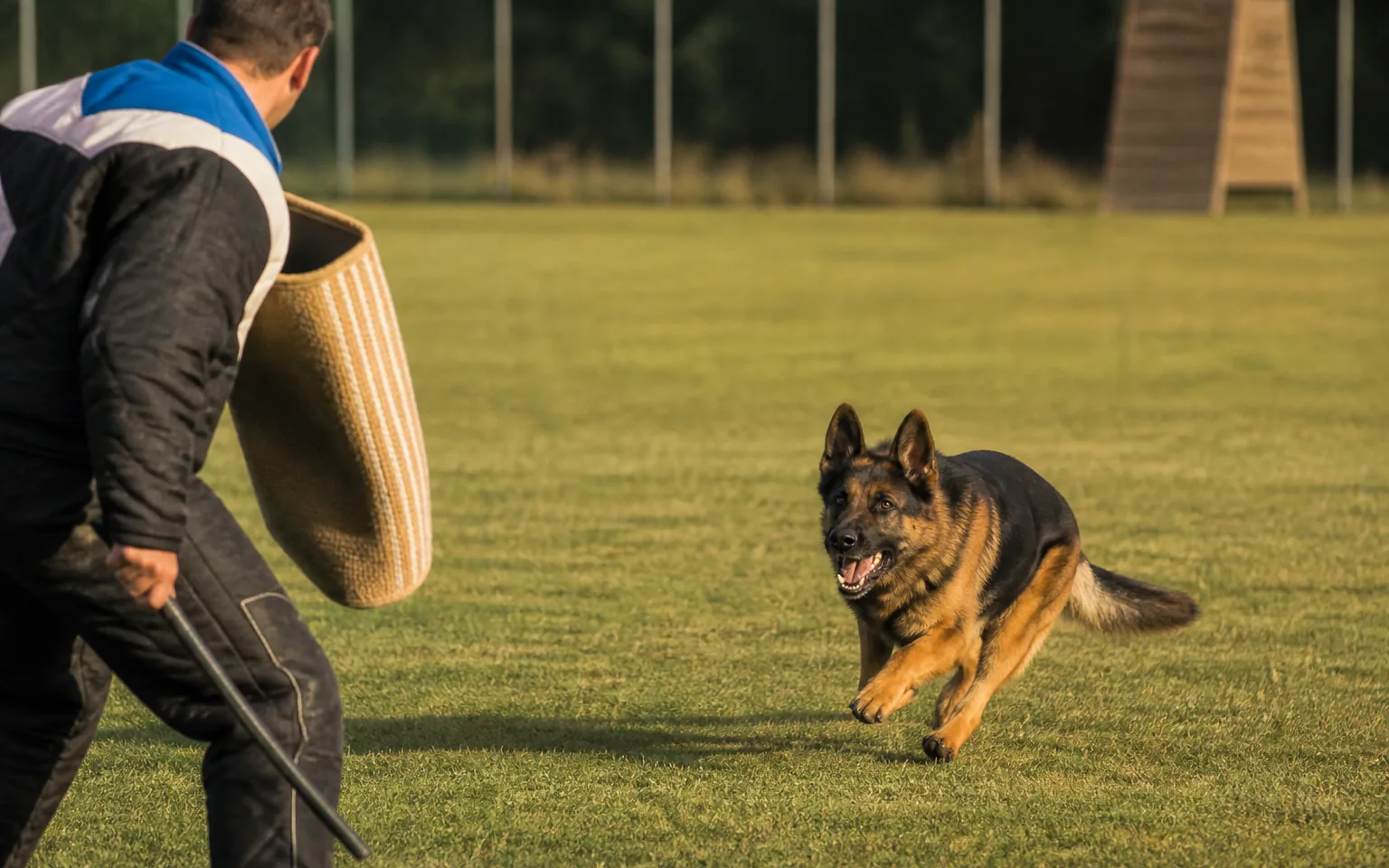
A complex discipline made up of tracking, obedience and protection.
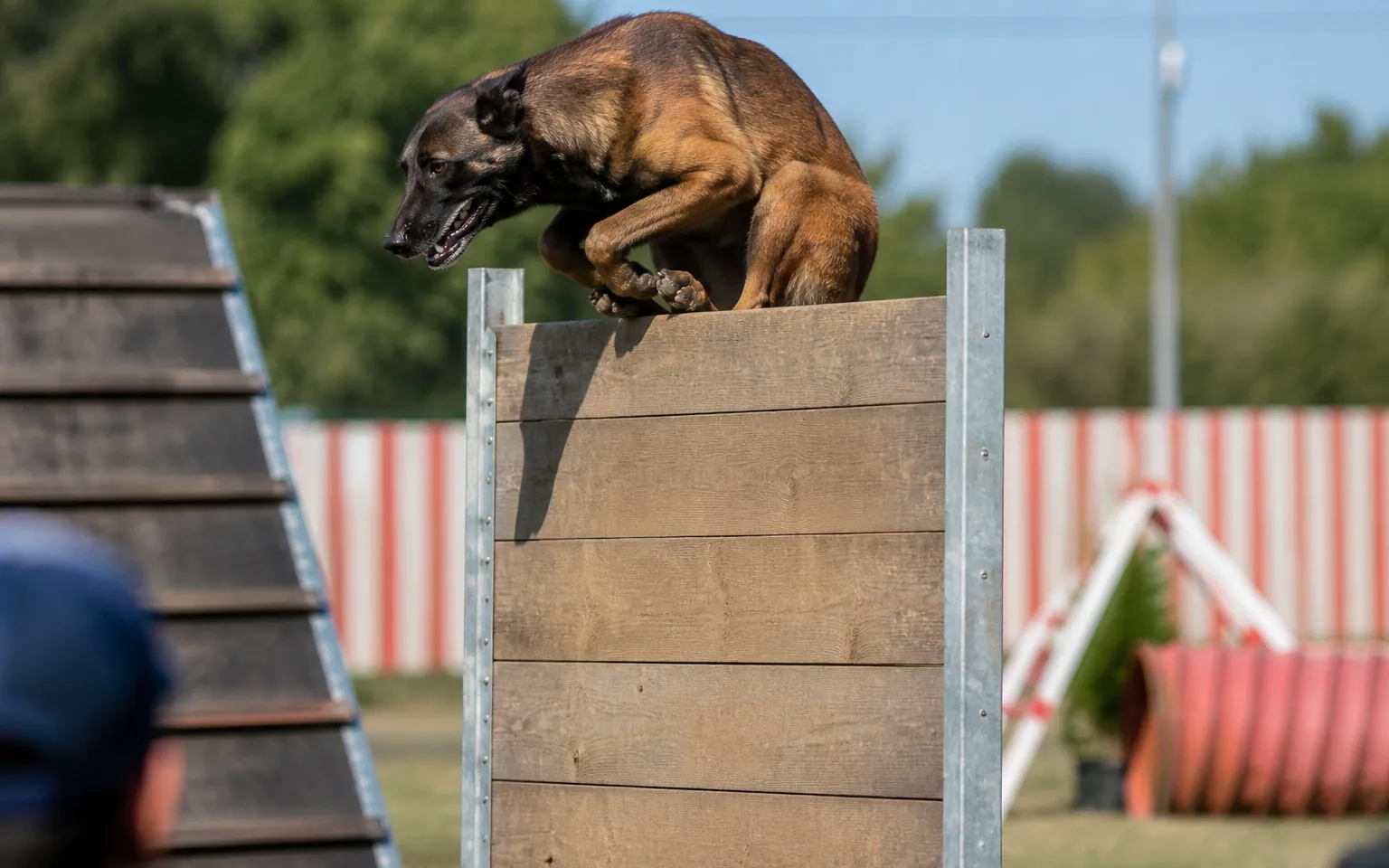
Obedience, jumps and protection exercises in a themed setting.
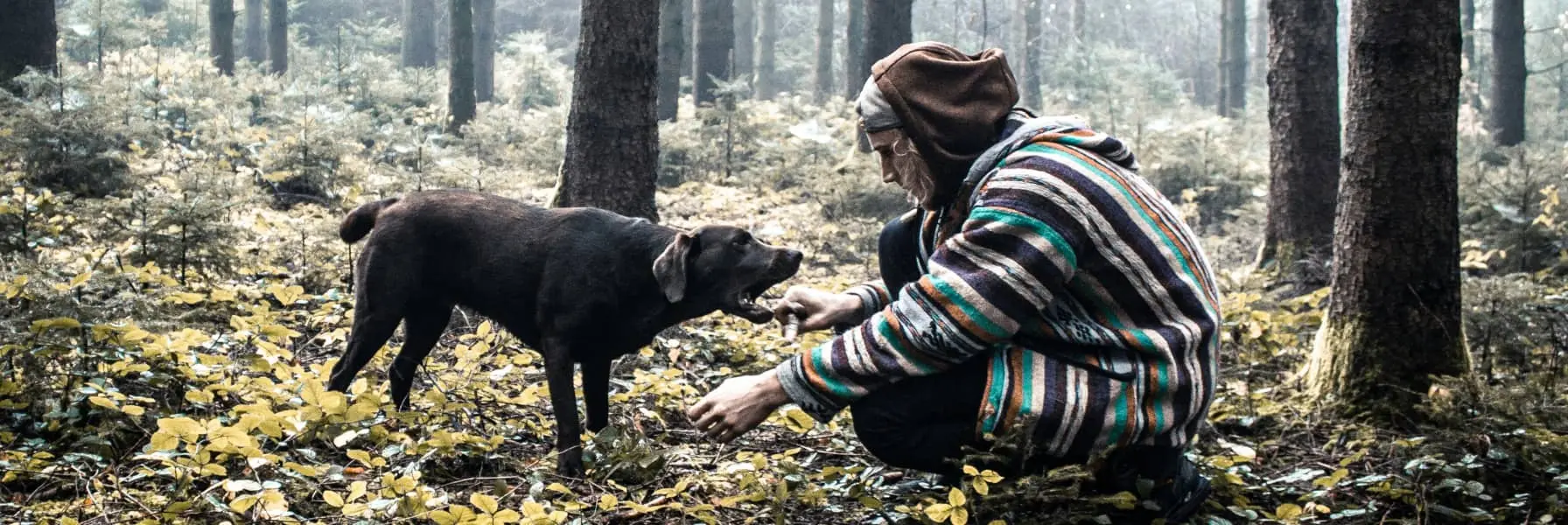
This page is informational. We work in mantrailing, search and rescue and preparation for the TSAC and BH exams - but if you want an honest opinion on what would suit your dog, write to us anytime.