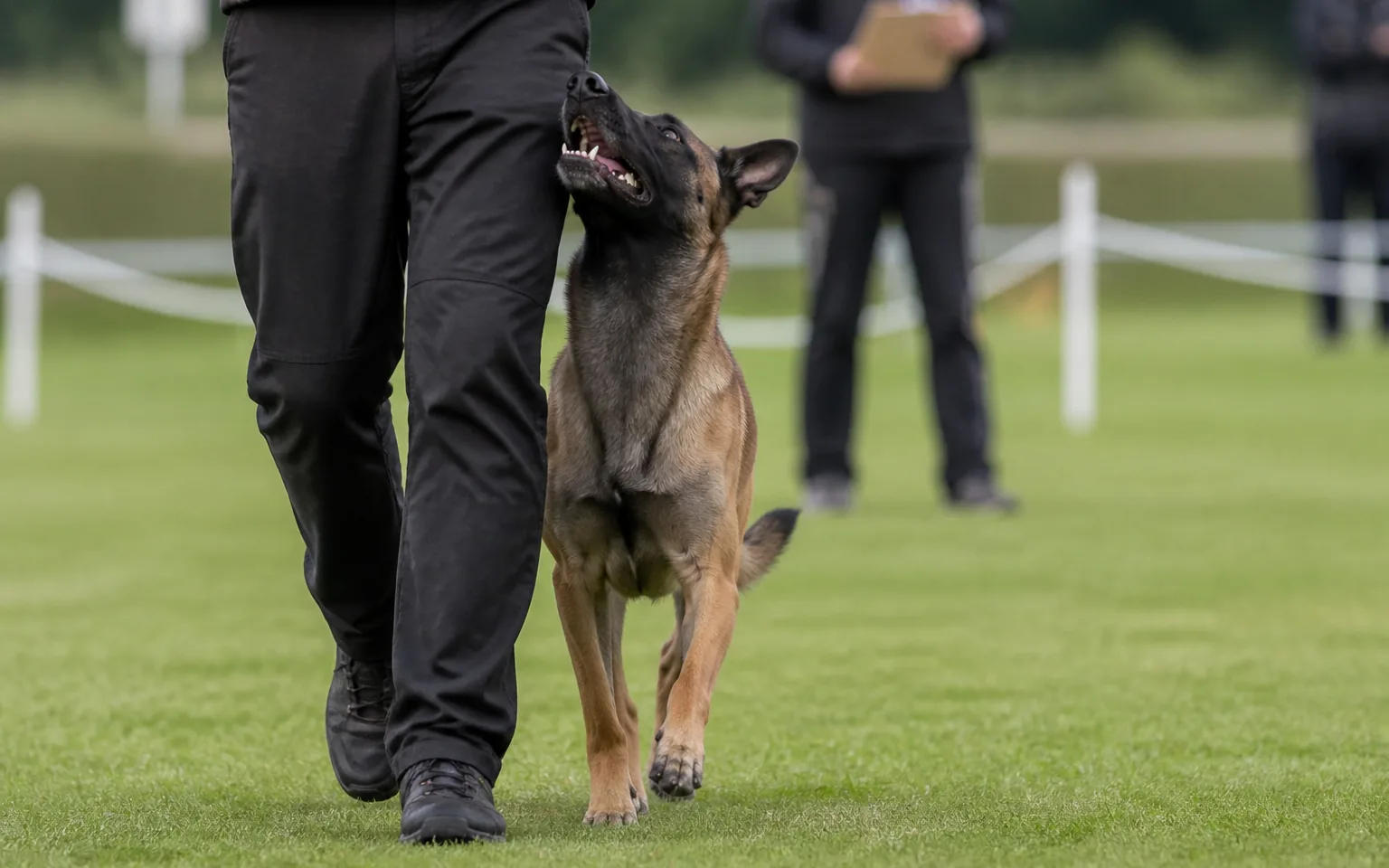
Belgian Malinois heeling tight to its handler's leg, looking up in eye contact

Obedience and working disciplines

Obedience

The closest thing to artistic gymnastics in the dog world: the same exercises for everyone, scored to the decimal, where millimetres and the dog's attitude make the difference.

About the discipline

What Obedience is

Obedience is the discipline where obedience stops being a means and becomes the goal. The team performs a fixed series of exercises in front of a judge, and each one is scored.

It is not only about whether the command worked, but how it worked: how straight the position is, how quickly the dog takes it, whether the handler gave a hint with the shoulder, whether the animal works happily or merely complies.

That is why Obedience reveals the quality of the relationship better than anything else. A dog that performs correctly but with its tail tucked loses points - and rightly so.

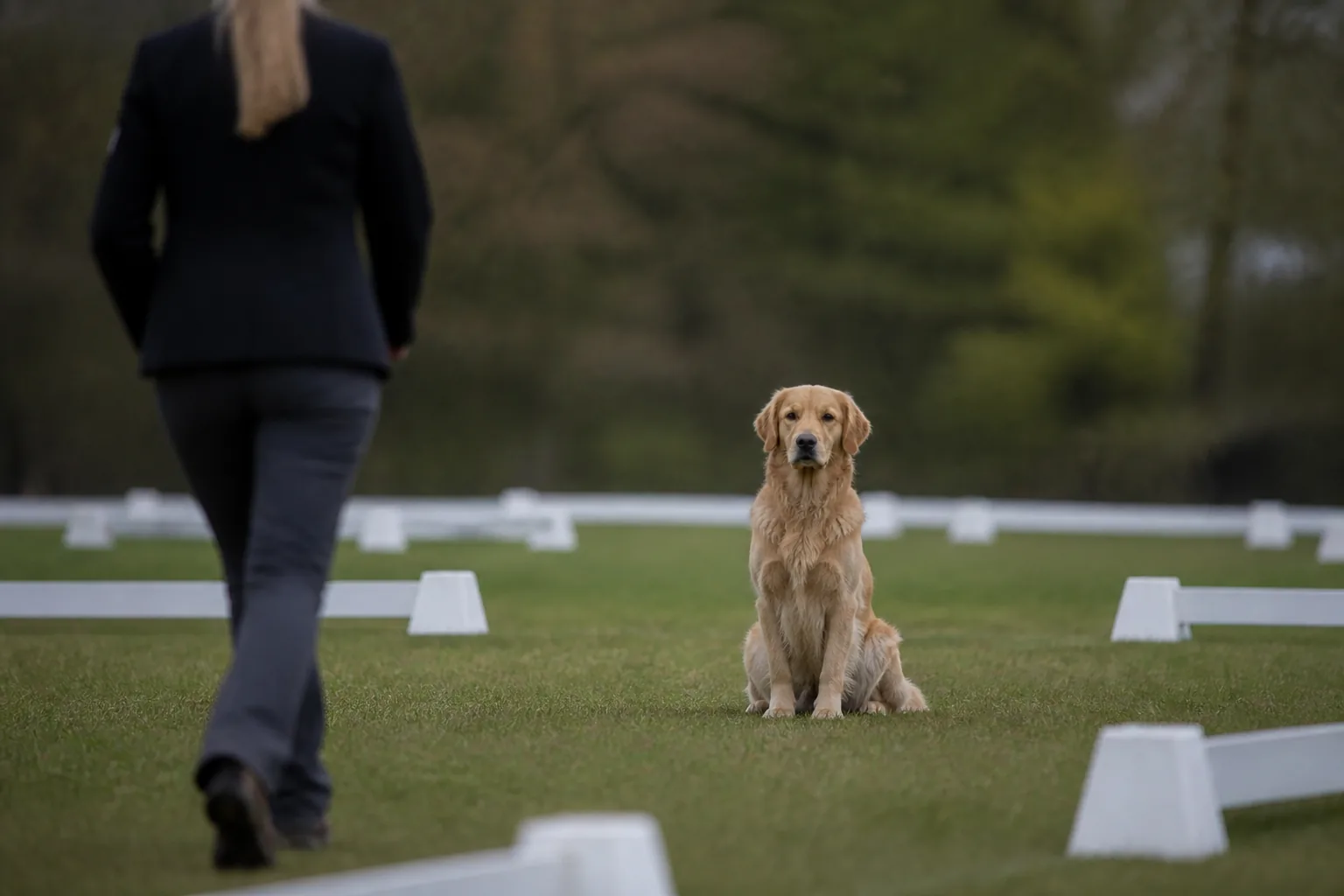
Golden Retriever holding a sit-stay as its handler walks away with their back turned

How it works in practice

What an Obedience round contains

The exercises differ between classes, but the core is much the same everywhere.

  • heelwork on and off lead, with changes of pace and direction
  • positions from movement: sit, down, stand
  • recall, sometimes with a stop or a position on the way
  • group stay with the handler far away
  • retrieve on the flat and over a jump
  • send-away to a marked point or square
  • scent discrimination at the higher classes
  • distance control with position changes on command

A full round lasts a few minutes. Behind them are months of work on separate components.

Which dogs it suits

  • dogs with good powers of concentration
  • working breeds, but not only - motivation matters more than pedigree
  • dogs that work happily for food or a toy
  • teams who enjoy precision and fine repetition

It asks little physically, so it also suits less athletic dogs. It does demand a great deal of patience from the handler.

What you need

  • a plain lead and collar accepted by the rules
  • high-value rewards that are easy to deliver
  • a retrieve article matched to the dog's size
  • a distraction-free space, at the beginning

From the FCI regulations

The FCI Obedience classes and who can compete

The FCI regulations (Rules and Guidelines for Obedience Trials, valid from 1 January 2025) define three classes, 1, 2 and 3, and recommend a national beginners' class. Class 3 is the only one used at international competitions with CACIOB and at FCI world championships.

Each country sets the minimum age, but it cannot be under 10 months for Class 1 and 15 months for Class 3. To compete in the next class the dog must have earned an "excellent" (1st prize) in the current one; moving up and down is regulated by the national organisation, in Romania the A.Ch.R.

Exercises and points per class

ExerciseClass 1Class 2Class 3
Sitting in a group (handlers in sight / out of sight)1 min, in sight · 30-2 min, out of sight · 20
Lying in a group-2 min, handlers out of sight · 301 min + recall · 20
Heelwork404040
Positions under march (stand / sit / down)one · 30one · 30all three · 30
Recall40with stand · 30with stand / sit / down · 30
Send away into a square and down40with directing, down and recall · 40with directing, down and recall · 40
Directed retrieve-3030
Scent discrimination and retrieve-3030
Distance control404040
Send round a group of conesand return · 40stop and jump · 30stop, retrieve and jump · 40
Retrieve and jump over a hurdle40--
General impression2020-
Total320320320

Source: FCI, Rules and Guidelines for Obedience Trials 2025, chapter III "Classes, exercises and coefficients". Each exercise has a coefficient (2-4); the judge's mark (0, 5-10) multiplied by the coefficient gives the points. The coefficients add up to 32 in every class, hence the maximum of 320.

Scoring and grades

The judge marks each exercise 0 or 5 to 10 in half-point steps; the mark is multiplied by the exercise coefficient. The sum gives the final result out of 320. An exercise marked 0 is failed but the dog continues; below 192 points the trial is "not qualified". In Class 3 cards are used: yellow is a warning and minus 10 points, a second yellow or a red card means disqualification.

GradeSharePoints out of 320
Excellent (1st prize)≥ 80%256-320
Very good (2nd prize)≥ 70%224-255
Good (3rd prize)≥ 60%192-223
Not qualifiedbelow 60%below 192

What to know when entering

  • in Class 1 and the beginners' class the dog wears a collar; scent discrimination (Classes 2 and 3) needs 6, respectively 8 objects per entered dog, provided by the organiser;
  • group exercises need at least 3 dogs in Class 3; judging 7 dogs in Class 3 takes about two hours;
  • the CACIOB is awarded only at international competitions, for an "excellent" result in Class 3;
  • in Romania the calendar and the translated regulations are published by the A.Ch.R.

Frequently asked questions

Common questions about Obedience

How is Obedience different from basic training?

Basic training aims for a dog you can manage in everyday life. Obedience aims for the perfect execution of standardised exercises, scored by a judge. In practice, basic training is the alphabet and Obedience is the calligraphy.
Do I need a particular breed?

No. Belgian shepherds, border collies and retrievers appear most often because they learn fast and enjoy repetition, but the discipline is open to any healthy, motivated dog.

At what age can we start?

The components can be built from the first months, as a game. Competing, however, requires a mature dog, both physically and in terms of concentration.

The rule figures on this page come from FCI - Obedience, regulamentul claselor 1, 2 și 3. Rules change and federations differ - always check the rulebook of the competition you are entering.

From the same category

Related sports

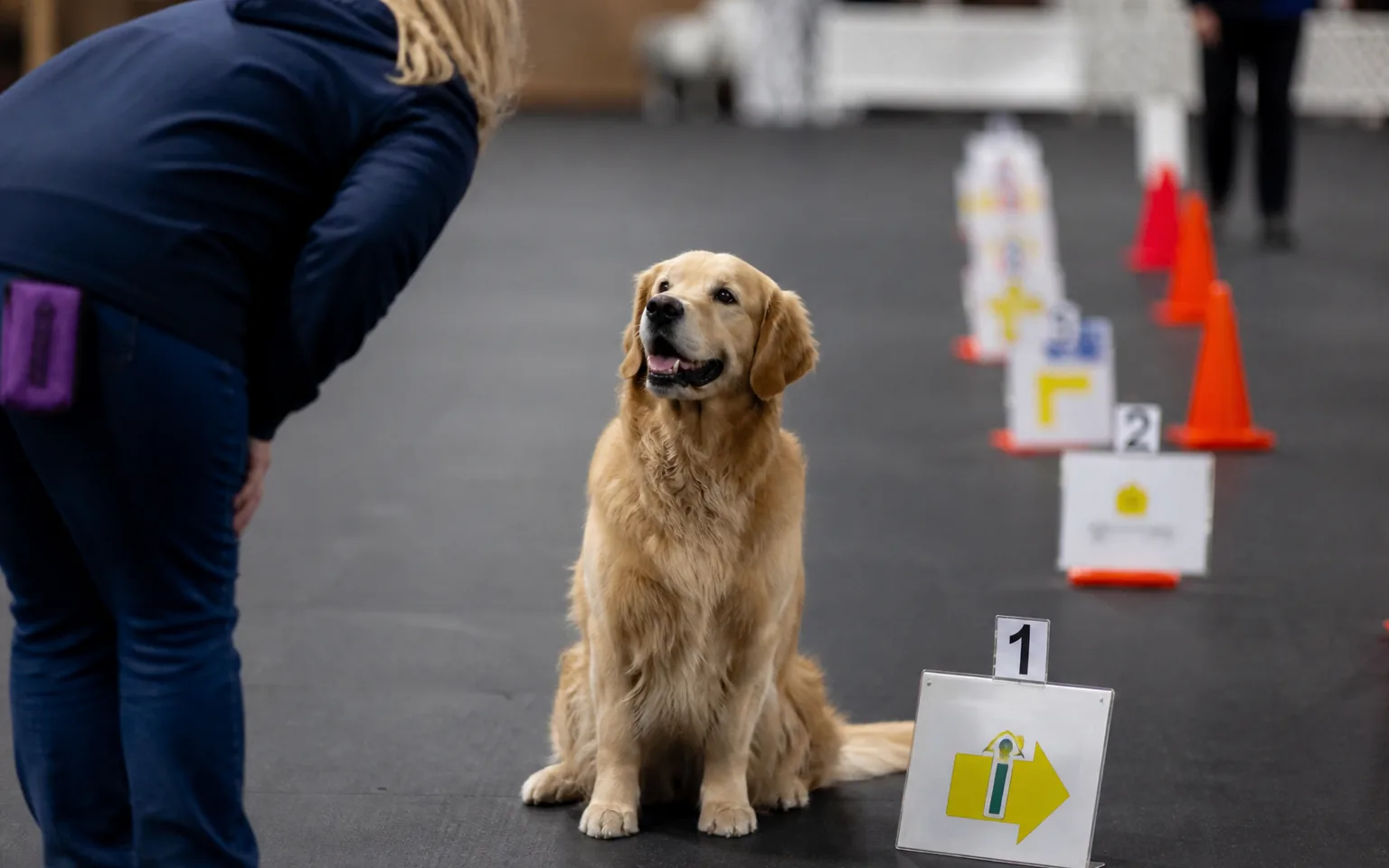
Golden Retriever sitting in front of a numbered station sign on a rally obedience course

Rally Obedience

The team follows a course of signs with obedience exercises.

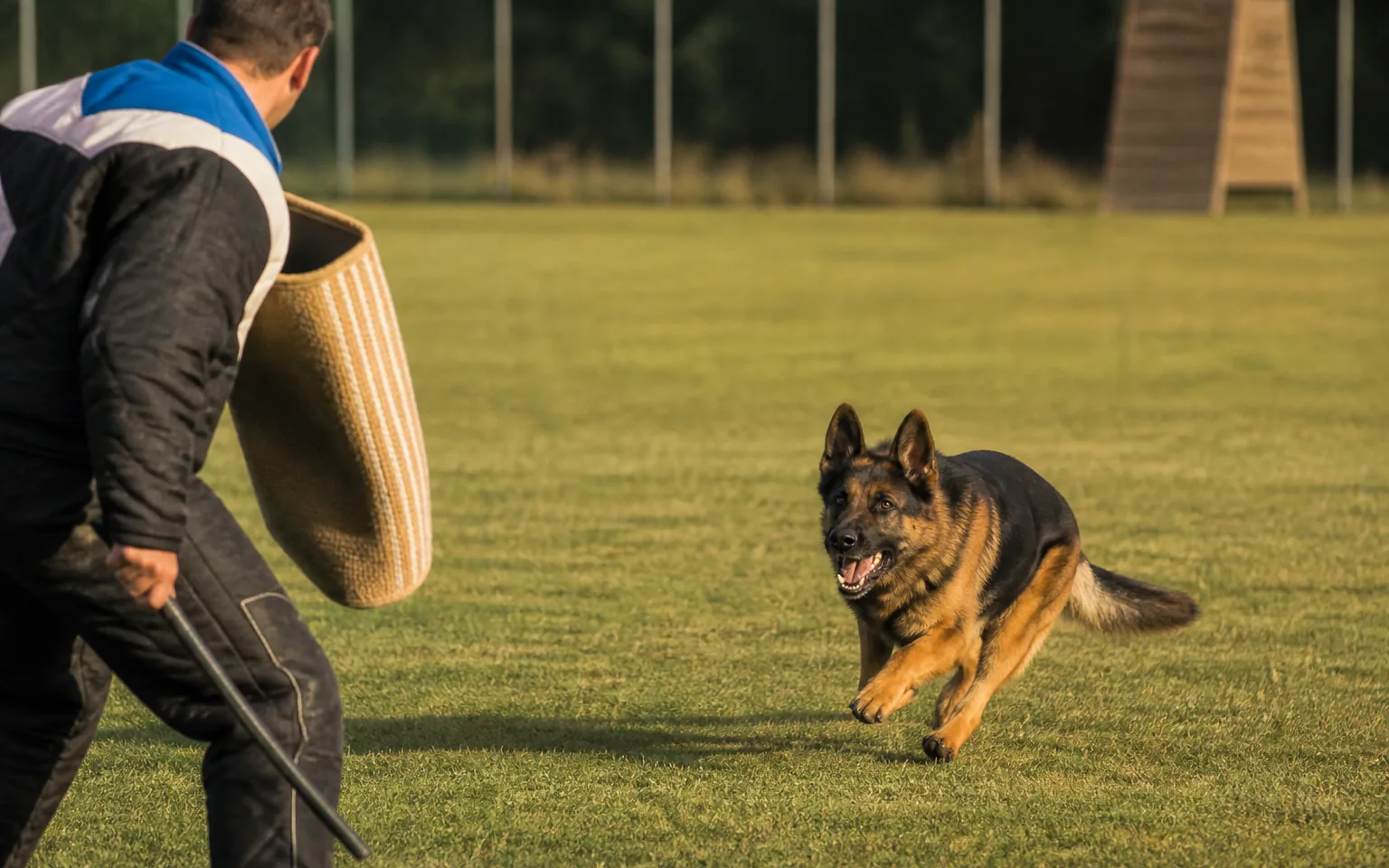
German Shepherd running towards a helper in a padded suit during the protection phase

IGP

A complex discipline made up of tracking, obedience and protection.

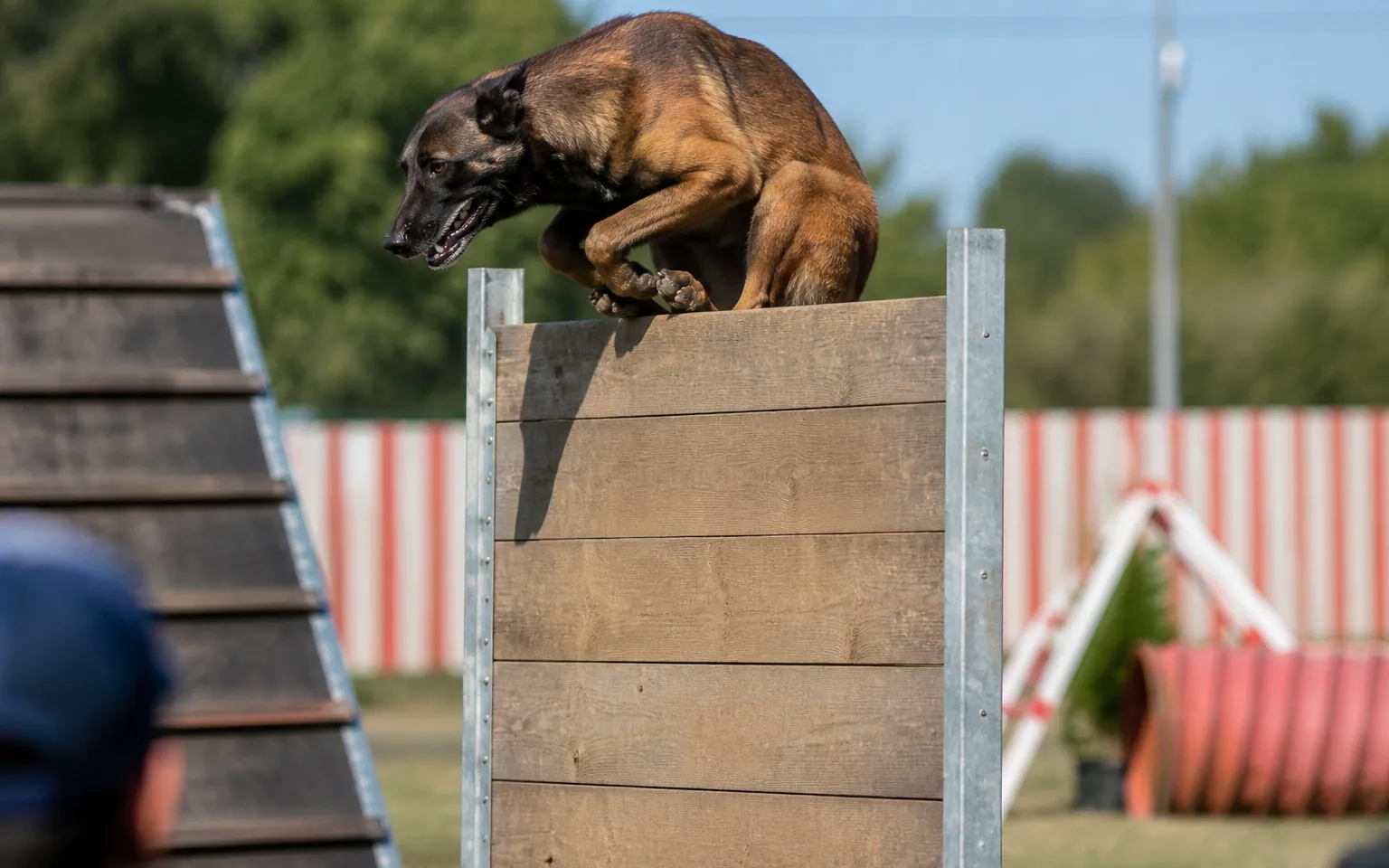
Belgian Malinois clearing the tall wooden palisade on a mondioring field

Mondioring

Obedience, jumps and protection exercises in a themed setting.

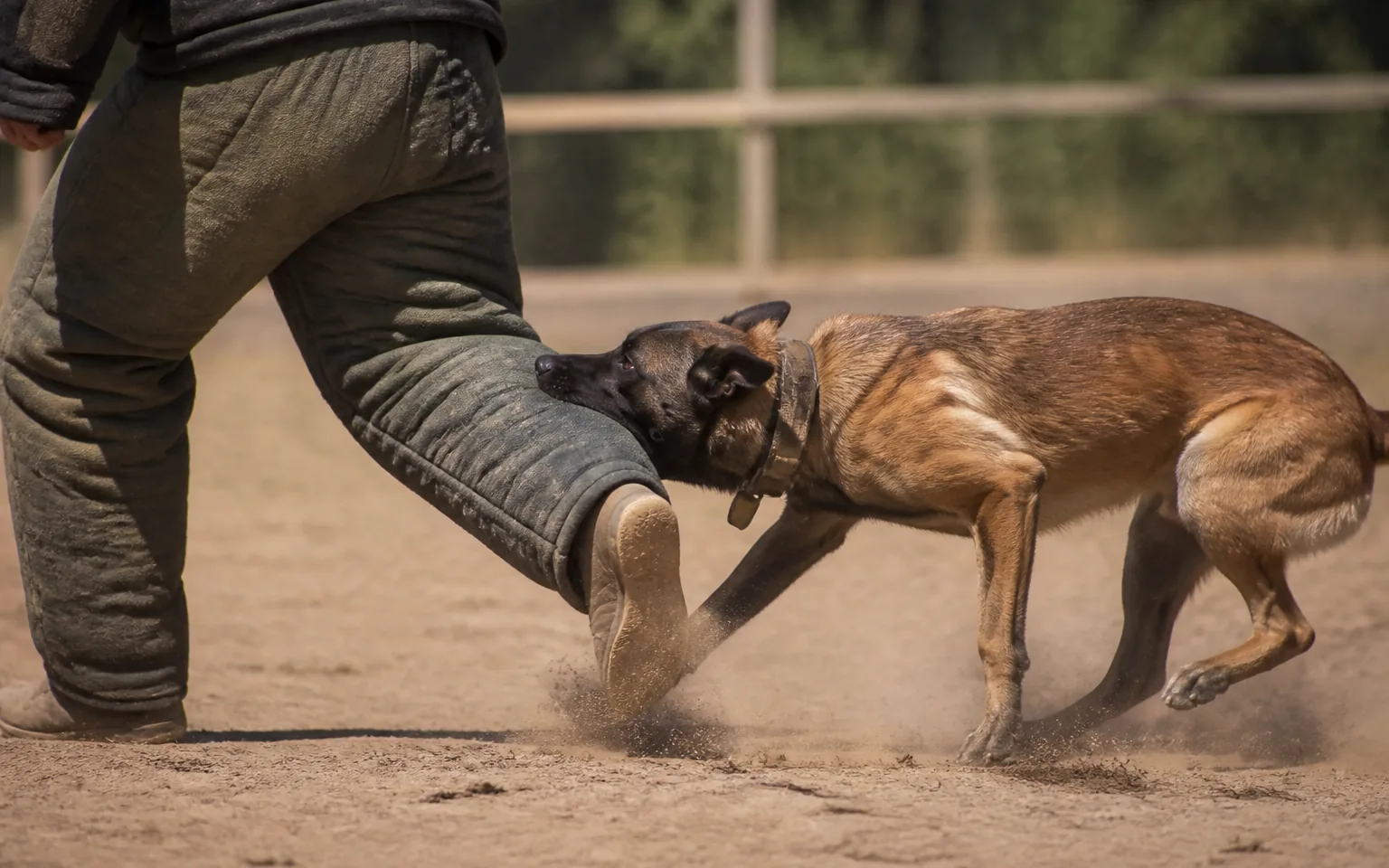
Belgian Malinois gripping the decoy's padded suit on sandy ground

Belgian Ring

A Belgian discipline with obedience, jumps and protection.

Dog and handler working together outdoors

We do not run Obedience

This page is informational. We work in mantrailing, search and rescue and preparation for the TSAC and BH exams - but if you want an honest opinion on what would suit your dog, write to us anytime.