Does IGP make a dog aggressive?
No. The protection phase is a tightly structured grip game on a sleeve, and control counts for more than the grip itself. A dog that won't let go on command gets eliminated from the exam. Nobody rewards that.

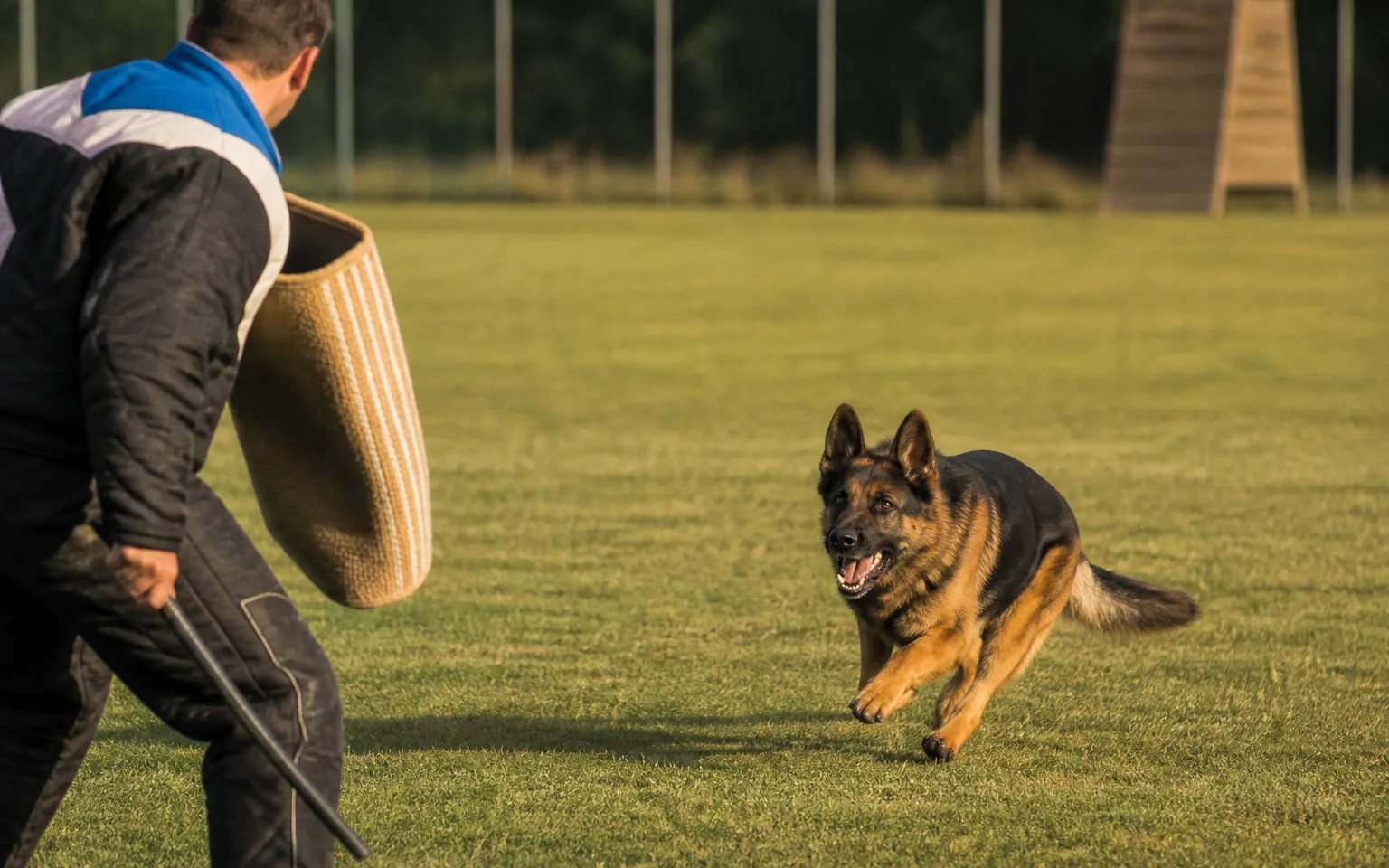
Obedience and working disciplines
Three sports rolled into one: tracking, obedience and protection, all on the same day, with the same dog. It's the test working dogs get measured against, and quite possibly the hardest discipline in dog sport.
About the discipline
IGP stands for Internationale Gebrauchshunde Prüfung. Until recently it was called IPO, and before that Schutzhund. European cynology built its whole idea of the working dog around it.
There are three phases, each scored on its own: tracking (section A), obedience (B) and protection (C). Each is worth 100 points, and the team has to clear the minimum in all three.
Protection is only ever worked with an equipped helper, under strict sporting rules. Aggression has no place in it: the dog grips the sleeve on command and has to let go the moment it's told.
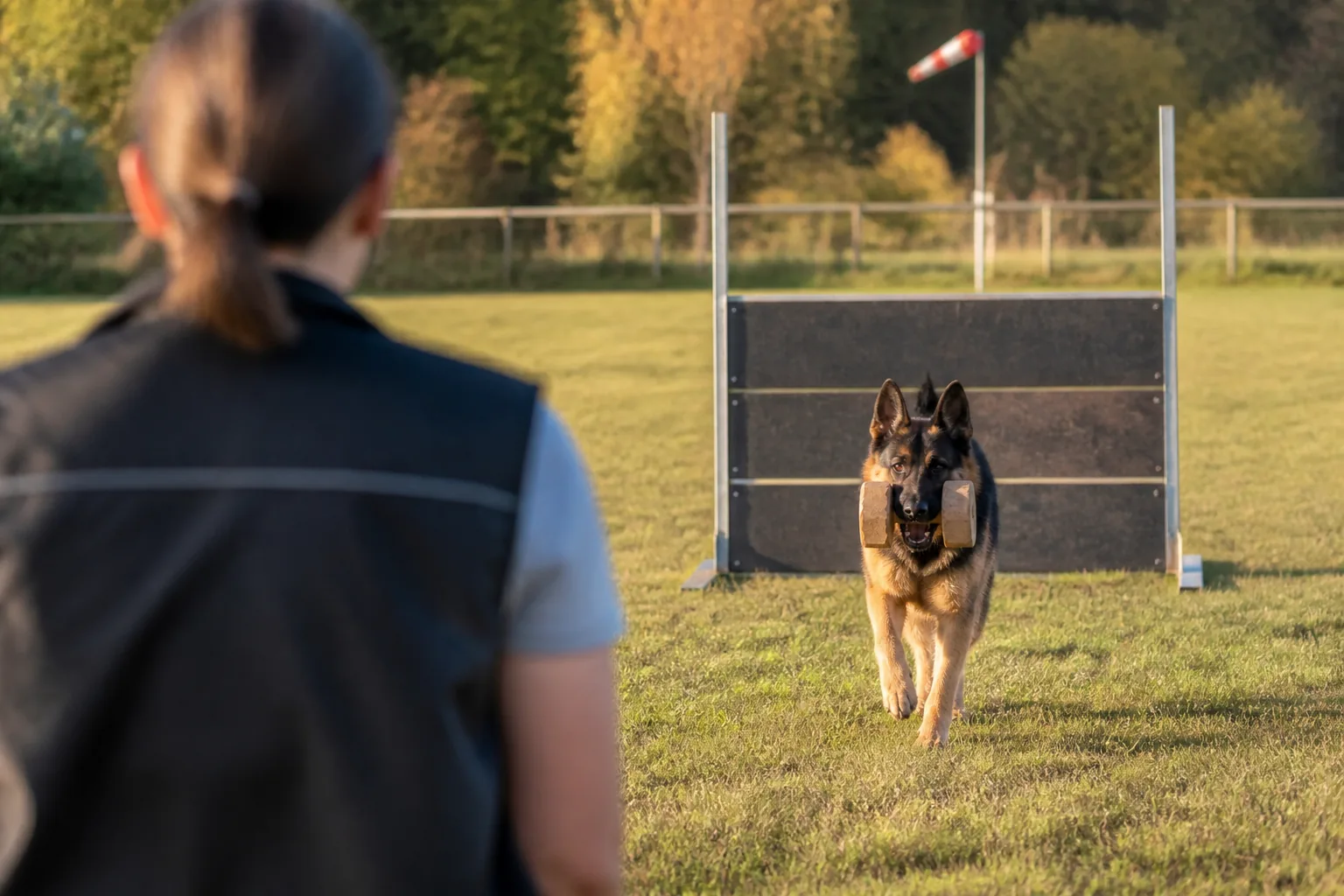
How it works in practice
If control in phase C isn't flawless, the team fails, no matter how well it did in the other two.
IGP isn't something you start on your own. For protection you need a club and a trained helper, full stop.
Frequently asked questions
No. The protection phase is a tightly structured grip game on a sleeve, and control counts for more than the grip itself. A dog that won't let go on command gets eliminated from the exam. Nobody rewards that.
Same discipline, new name. Schutzhund became IPO, and since 2019 it's been IGP. You'll run into all three names, especially in older material.
On paper, yes. In practice you mostly see German shepherds, malinois, rottweilers and dobermanns, because the physical and temperament demands of protection weed most others out.
The rule figures on this page come from FCI - International Utility Dog Regulations (IGP), 2025. Rules change and federations differ - always check the rulebook of the competition you are entering.
From the same category
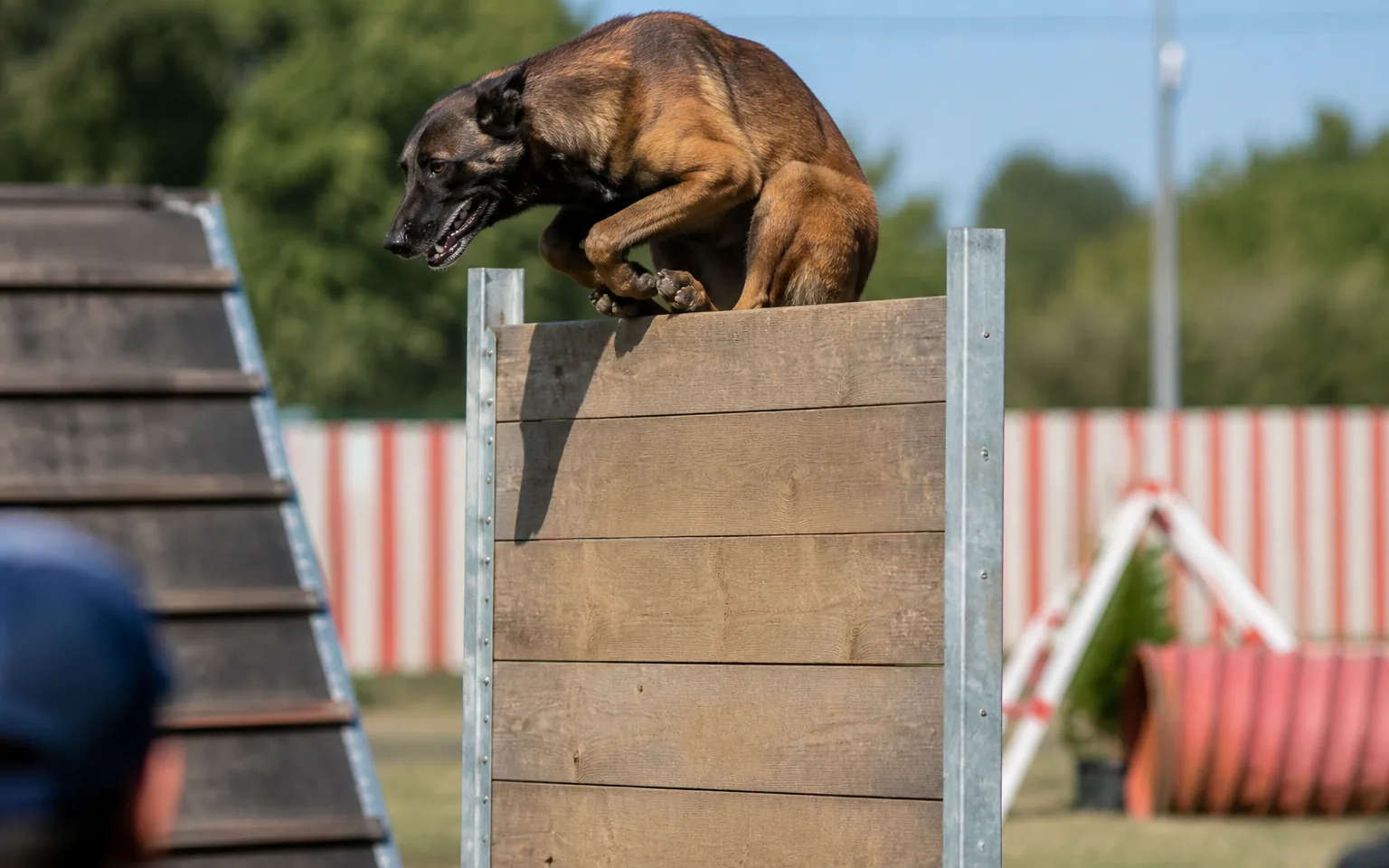
Obedience, jumps and protection, worked on a field dressed up to a theme.
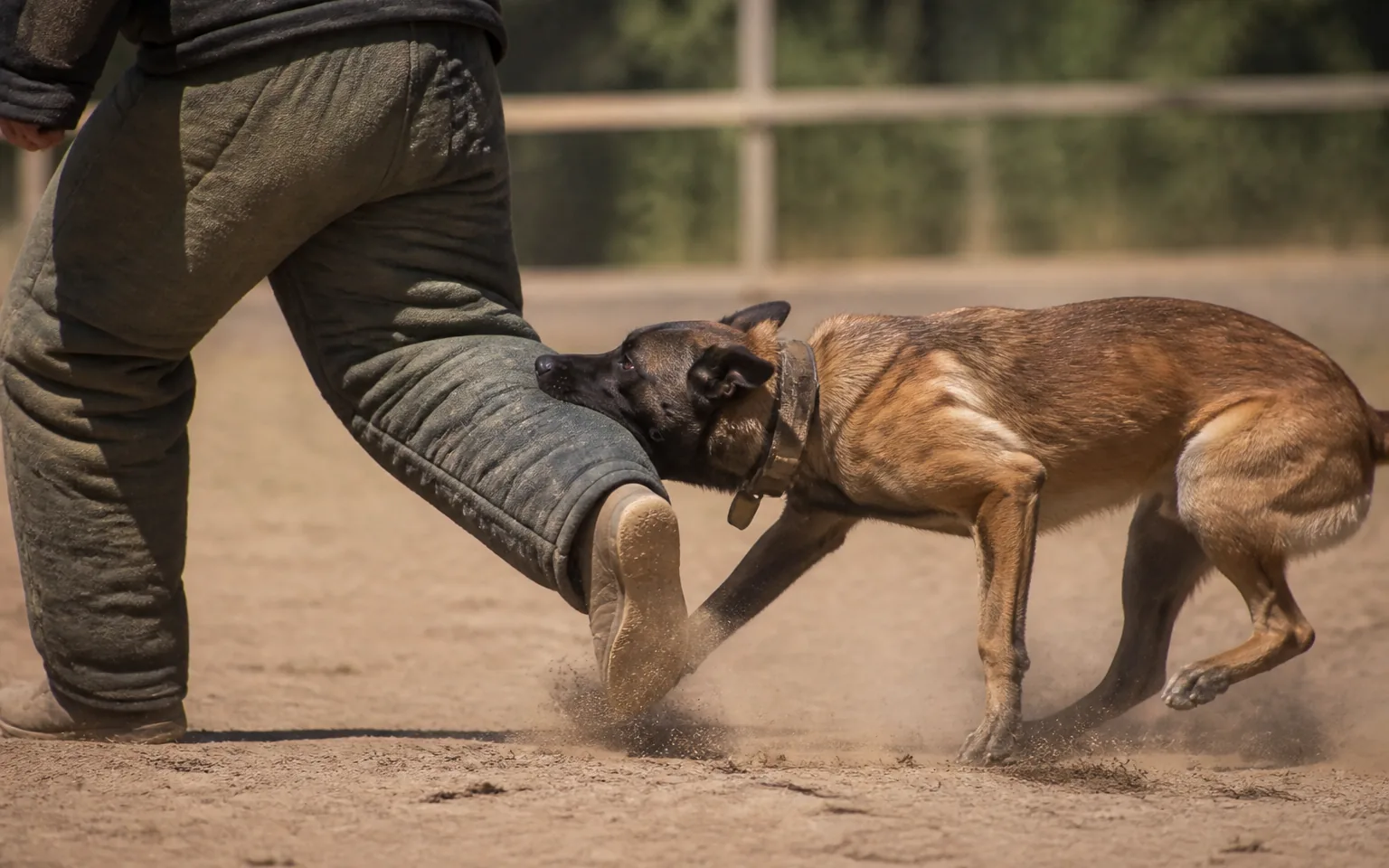
The Belgian ring school: obedience, jumps and protection.
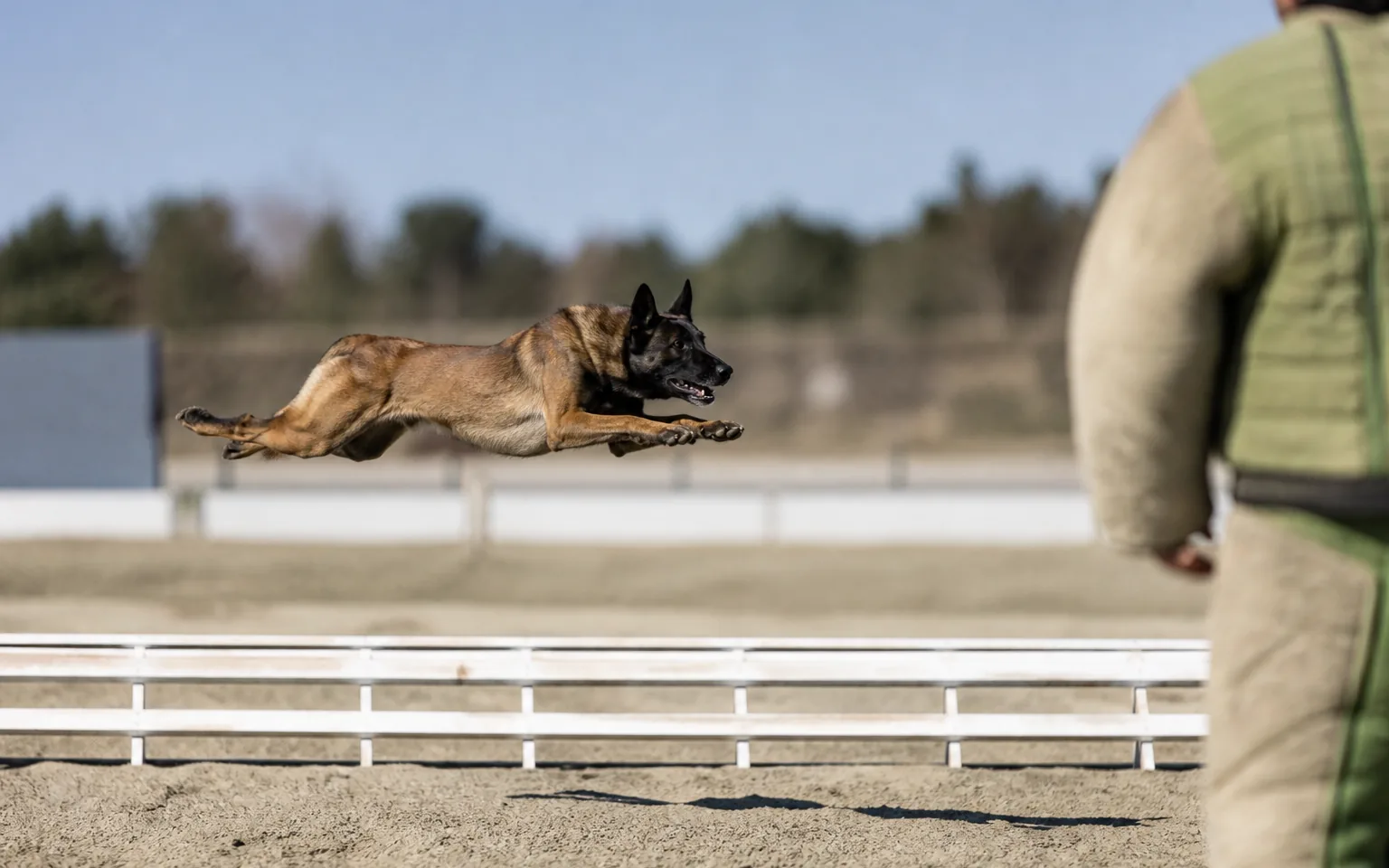
French ring sport: obedience, jumps and protection, with the palisade as its calling card.
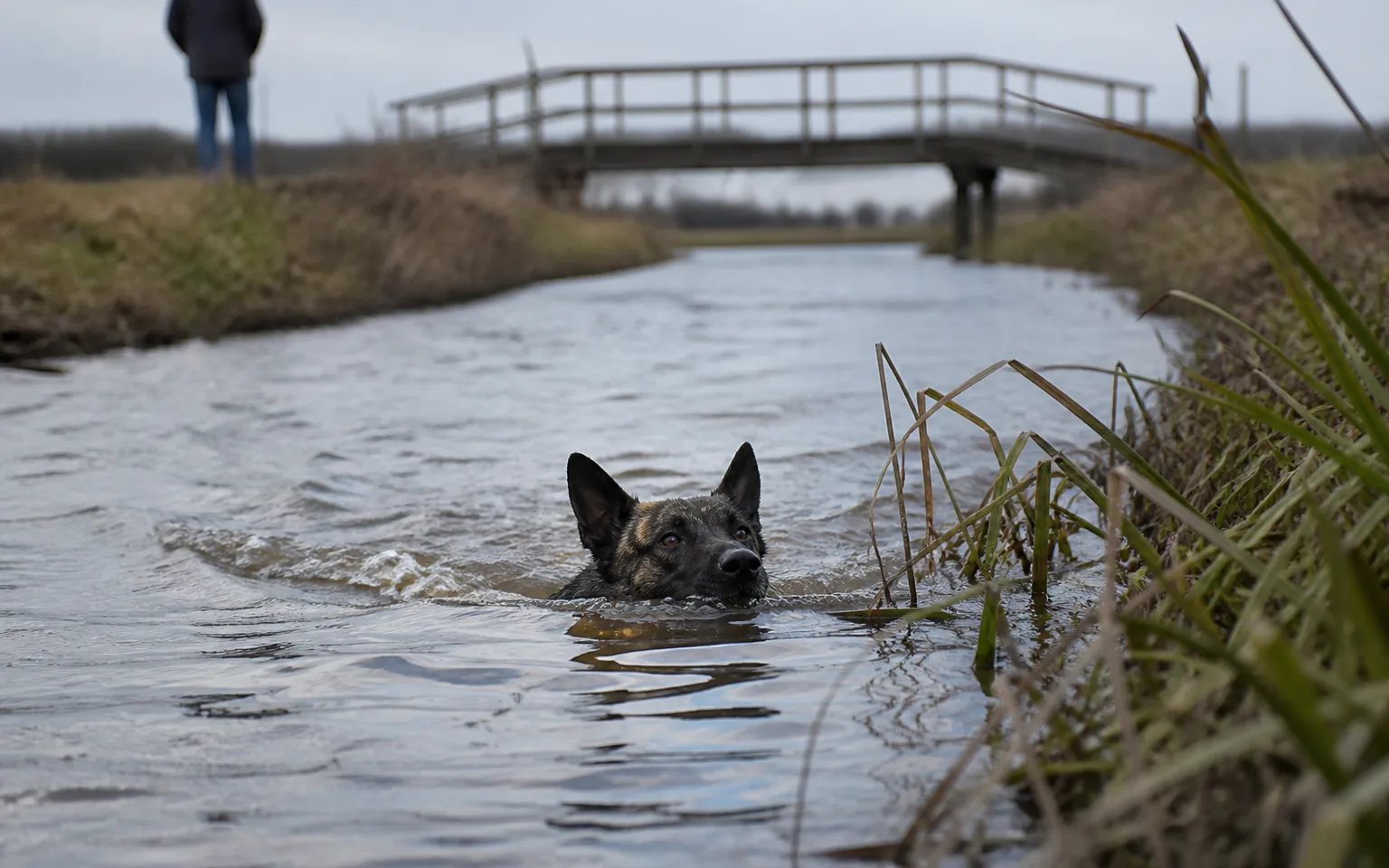
The Dutch programme for working and selecting utility dogs.
This page is informational. We work in mantrailing, search and rescue and preparation for the TSAC and BH exams - but if you want an honest opinion on what would suit your dog, write to us anytime.