Do I have to be a hunter?
No, and that's exactly why working tests exist. They only use artificial dummies, so they're open to anyone with a retriever who fancies some technical work.

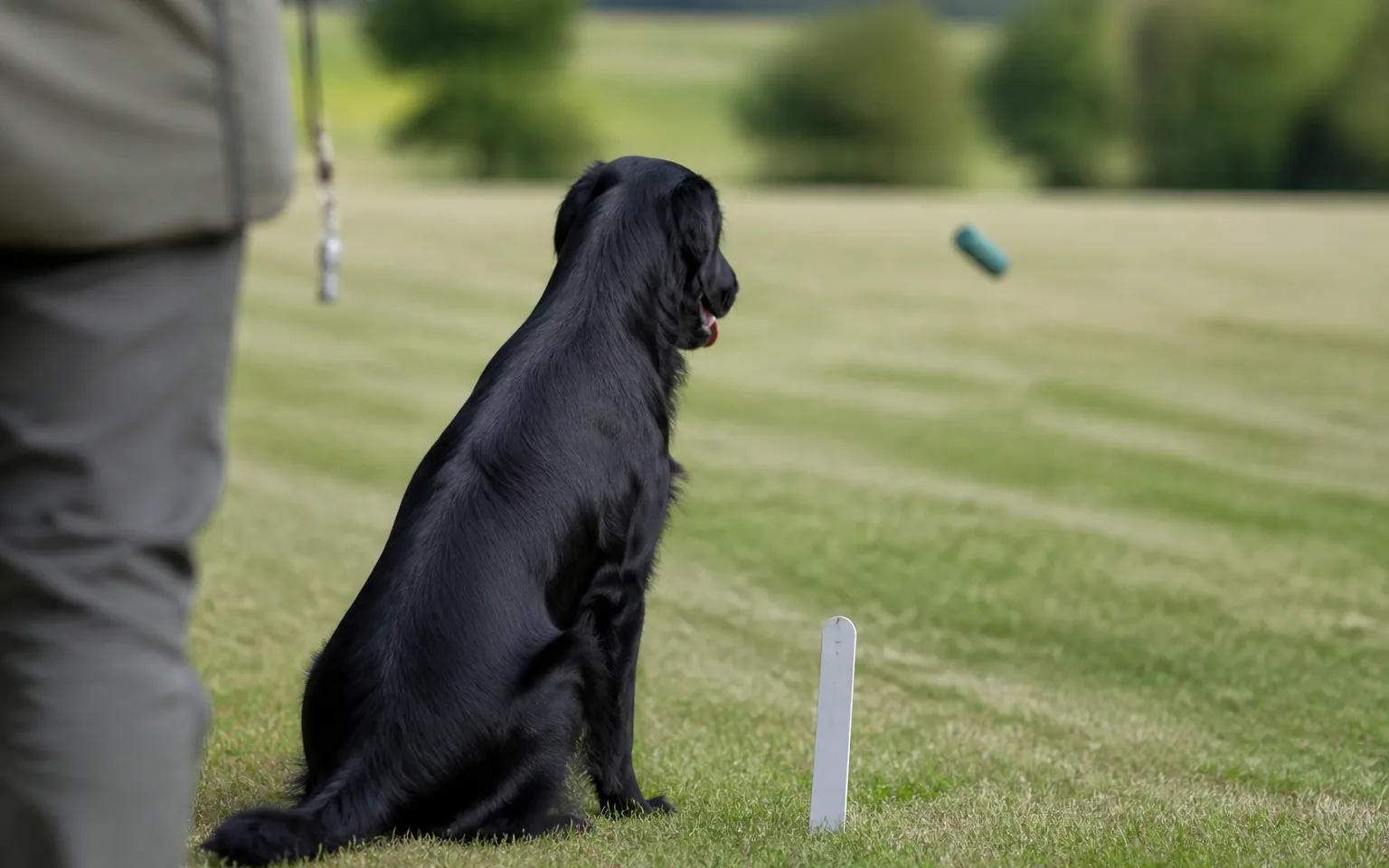
Hunting dogs
Same exercises as the shooting-field trials, but with dummies standing in for game. They run out of season and they're the best way into the retriever world.
About the discipline
Working tests were set up so you can train and compete outside the shooting season. Dummies, artificial retrieves made of canvas, take the place of game.
The exercises don't change. You get single and multiple marks, blind retrieves handled on the whistle, water work and crossing cover. The only difference is what the dog brings back.
If you own a retriever and don't shoot, this is the obvious place to start. You don't need a licence or a gun, and you don't have to wait for the season to open.
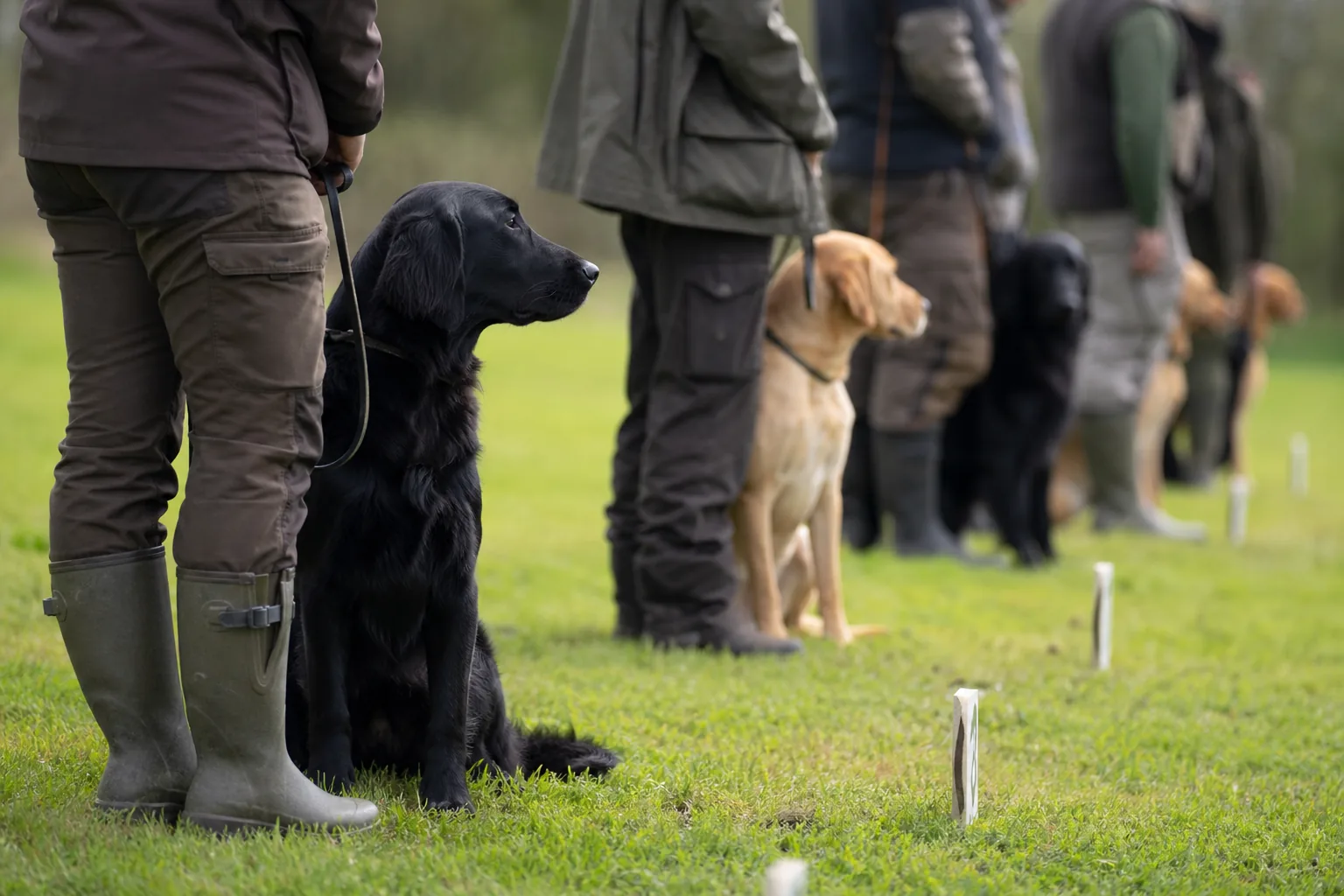
How it works in practice
Frequently asked questions
No, and that's exactly why working tests exist. They only use artificial dummies, so they're open to anyone with a retriever who fancies some technical work.
An artificial retrieve made of stuffed canvas, roughly the weight of game. They come in several sizes and colours: some you can see from a long way off, others are made deliberately hard to spot.
Technically the exercises are the same and can be every bit as hard. What's missing is the unpredictability of a real shooting day, which adds another layer of difficulty.
Two or three standard ones of medium weight, plus a brighter one for marks. Colour matters. White is easy to see and good for beginners. Green or brown come in when you want the dog to use its nose rather than its eyes. A launcher only earns its keep later, for long marks.
The rule figures on this page come from FCI - Rules for International Working Tests for Retrievers. Rules change and federations differ - always check the rulebook of the competition you are entering.
From the same category
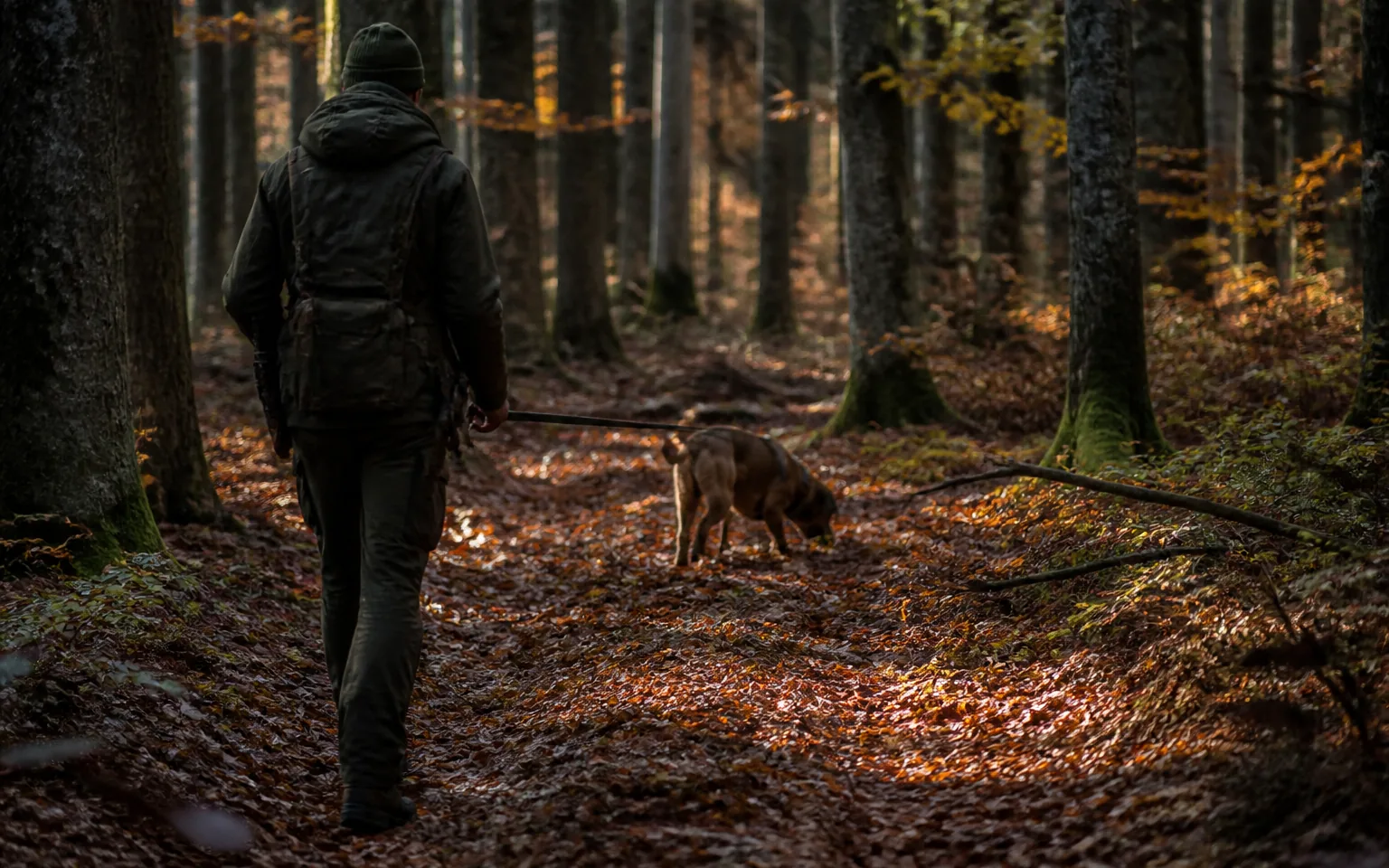
The dog follows a simulated blood trail, hours old, right to the end.
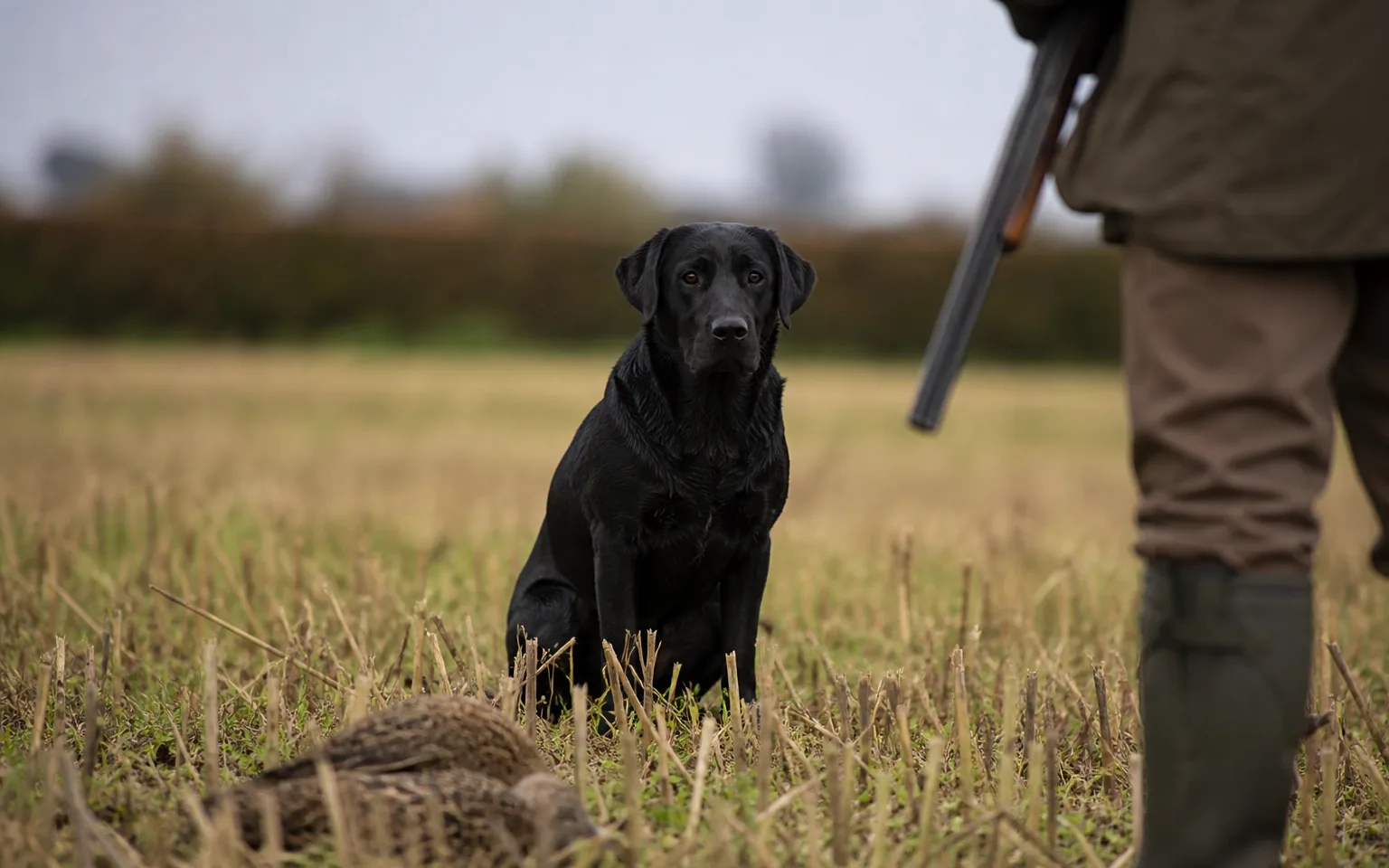
Trials in open country where judges watch how hunting dogs search.
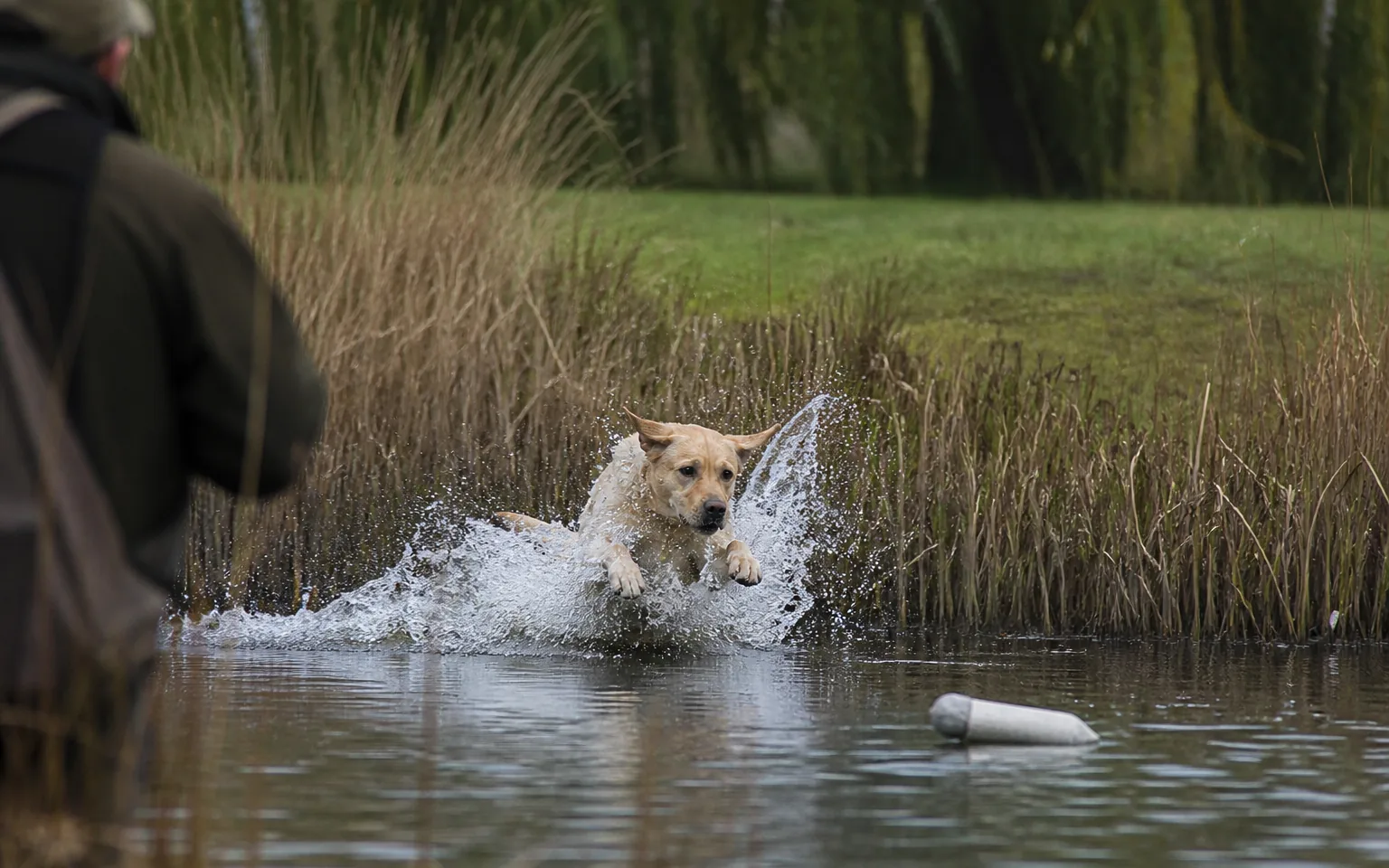
Trials where the dog brings back game or dummies, cleanly and on command.
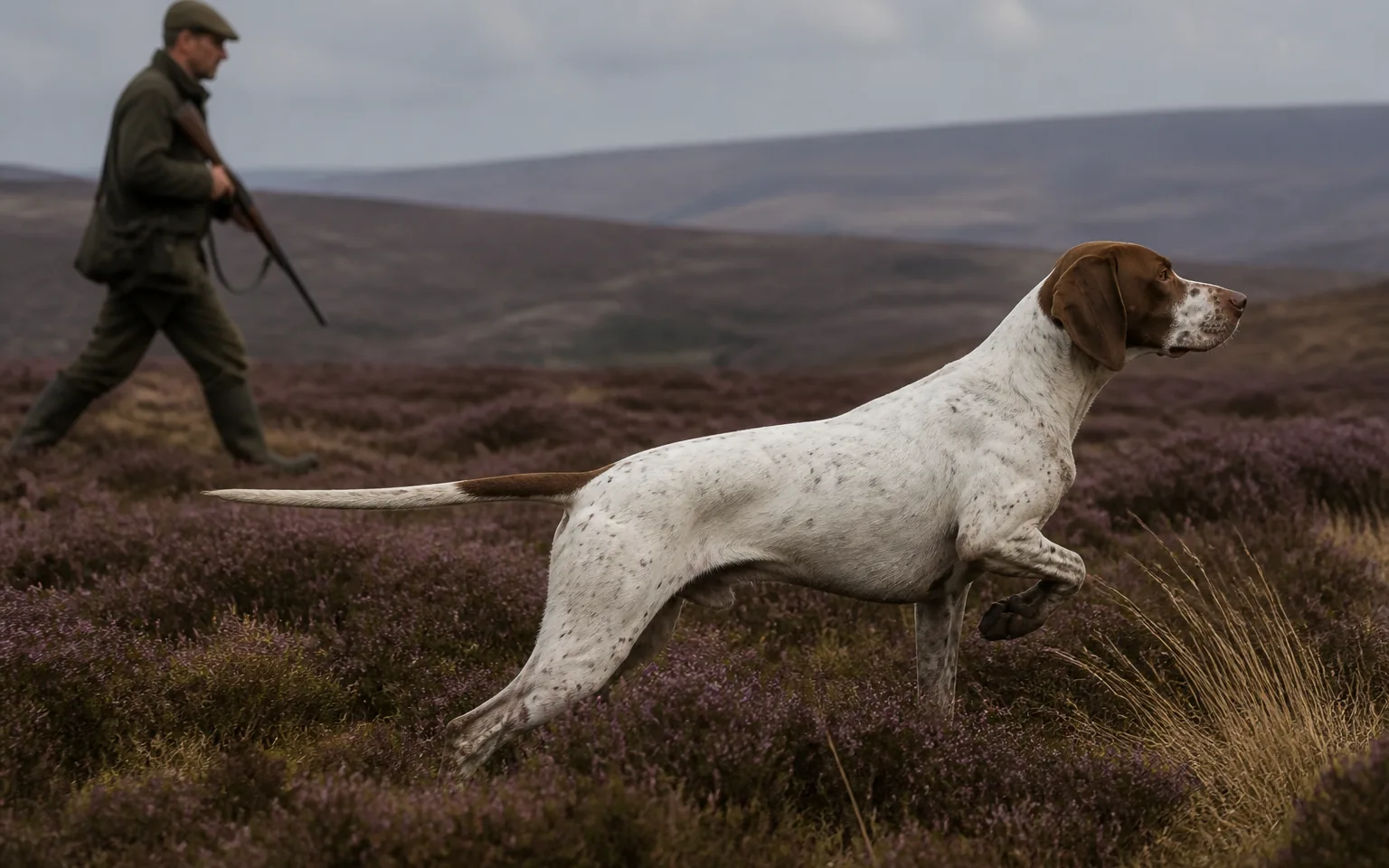
Trials where the dog searches for game and indicates it with a firm point.
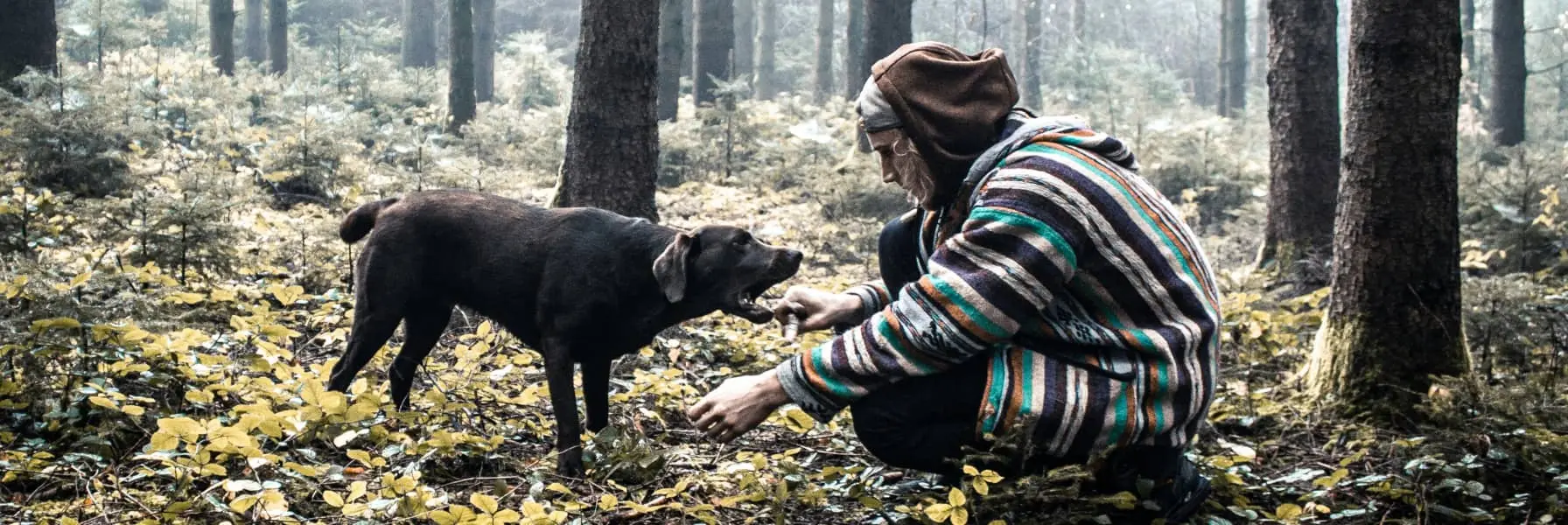
This page is informational. We work in mantrailing, search and rescue and preparation for the TSAC and BH exams - but if you want an honest opinion on what would suit your dog, write to us anytime.