Is pointing taught or innate?
In the breeds bred for it, it's innate. You can see it in puppies at play. The freeze doesn't need teaching. What you train is steadiness, so the dog holds until it's released.

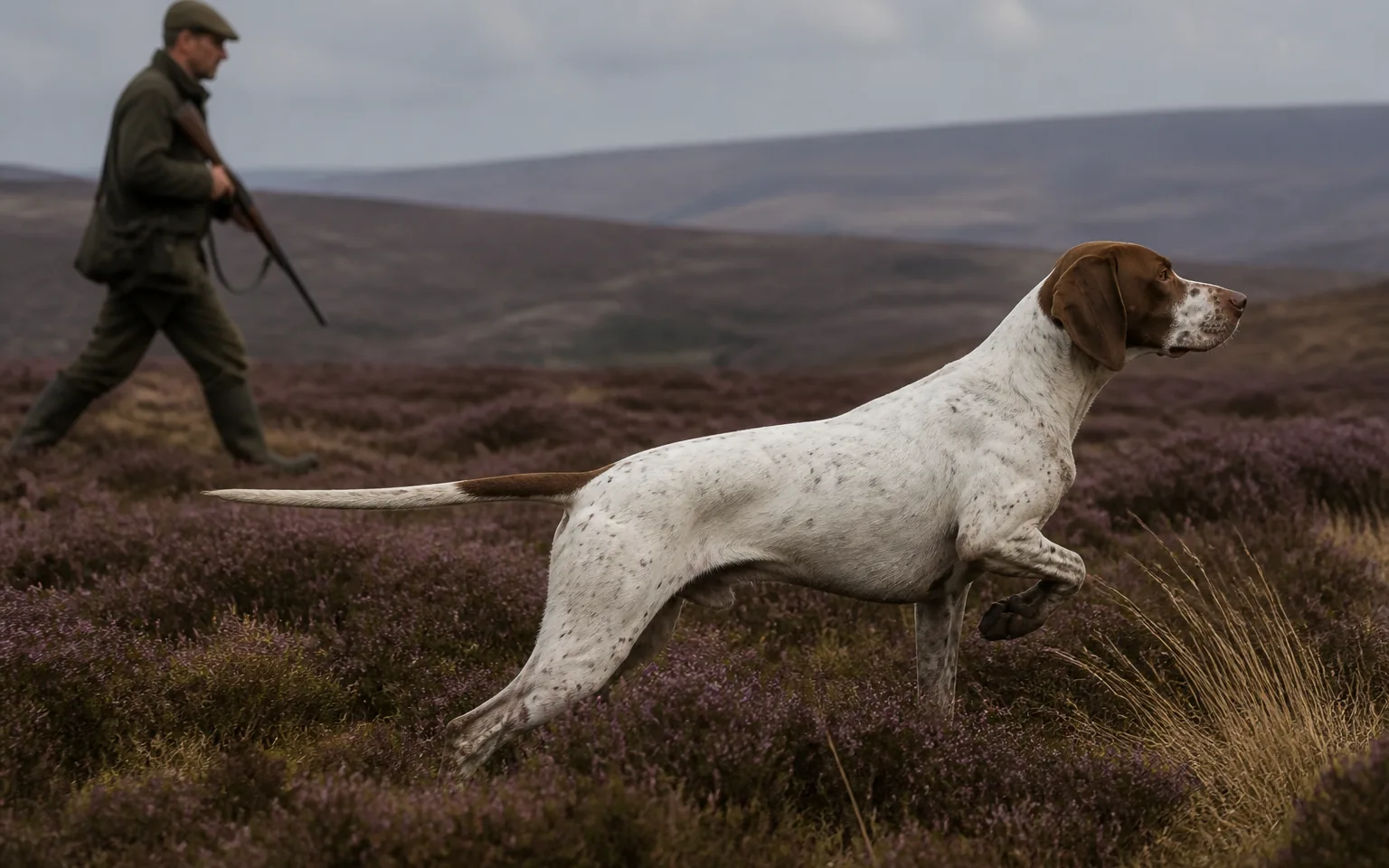
Hunting dogs
This is the sport of the pointing breeds. The dog ranges wide, and when it scents game it freezes: body stretched out, one paw up, tail in line with the back. It holds there until the hunter reaches it.
About the discipline
Pointing is one of the most striking behaviours people have bred into dogs. The dog scents prey and, instead of rushing in, freezes. That freeze is the indication, and then it waits.
At pointing trials judges look at the search first. They want it wide and fast, with smart use of the wind. Then they judge the point itself: how firm it is, the posture, and above all how steady the dog stays.
The hardest bit comes after that. The dog has to stay frozen while the hunter walks up and flushes the game, and again when the shot goes off. Move too early and the penalty is heavy.
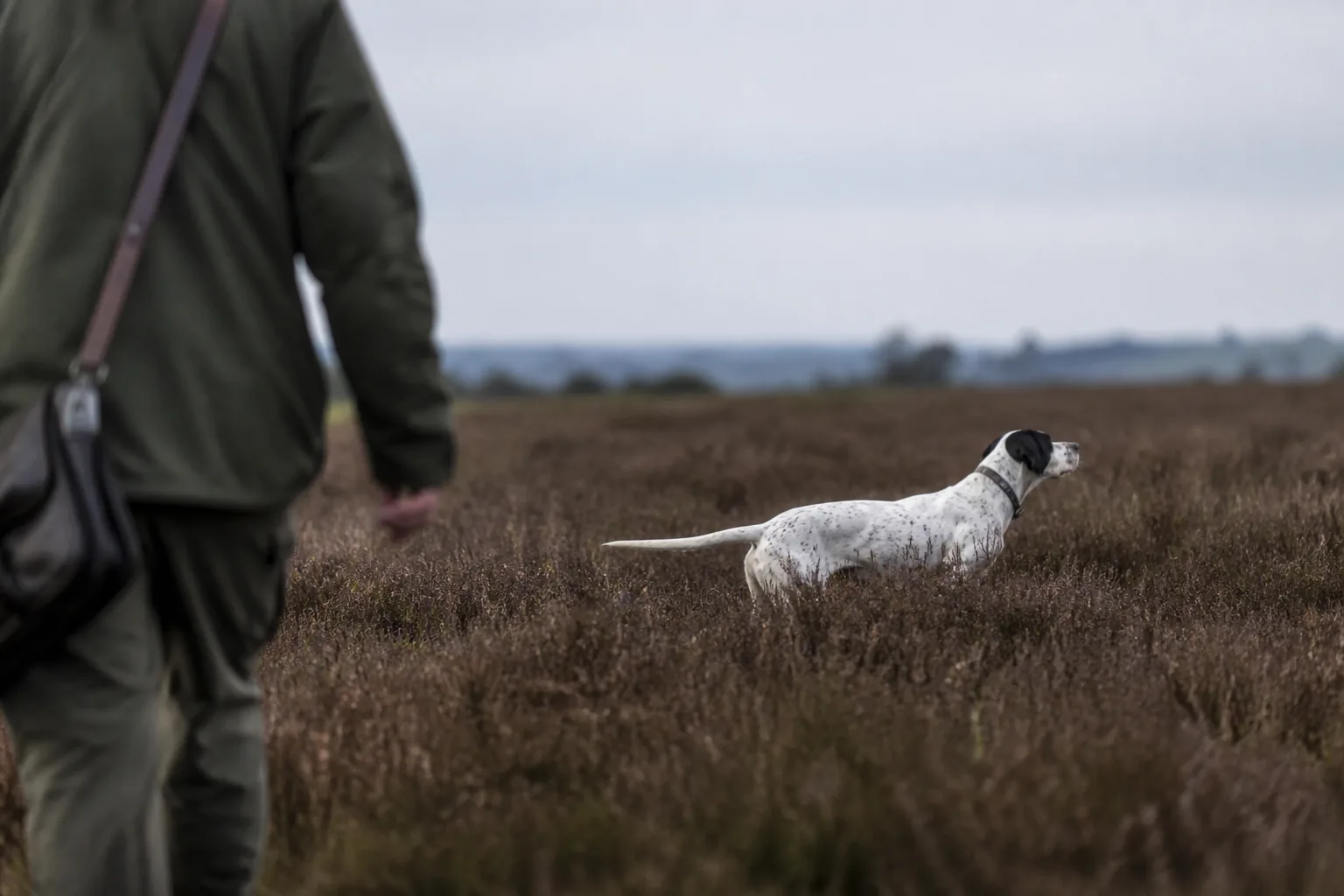
How it works in practice
Frequently asked questions
In the breeds bred for it, it's innate. You can see it in puppies at play. The freeze doesn't need teaching. What you train is steadiness, so the dog holds until it's released.
In braces, when one dog goes on point, the other has to stop too, even if it hasn't scented the game. Failing to honour costs a lot of points.
Either it's still too young, or it comes from a show line where the instinct has been watered down. An instinct test will sort that out quickly.
Start with very short holds: walk in just a few paces and reward the dog for staying still. Build up the time first, then how close you get, then add noise. The shot comes last, always from a long way off, and you bring it closer bit by bit.
The rule figures on this page come from FCI - Official Rules for International Field Trials and Working Tests. Rules change and federations differ - always check the rulebook of the competition you are entering.
From the same category
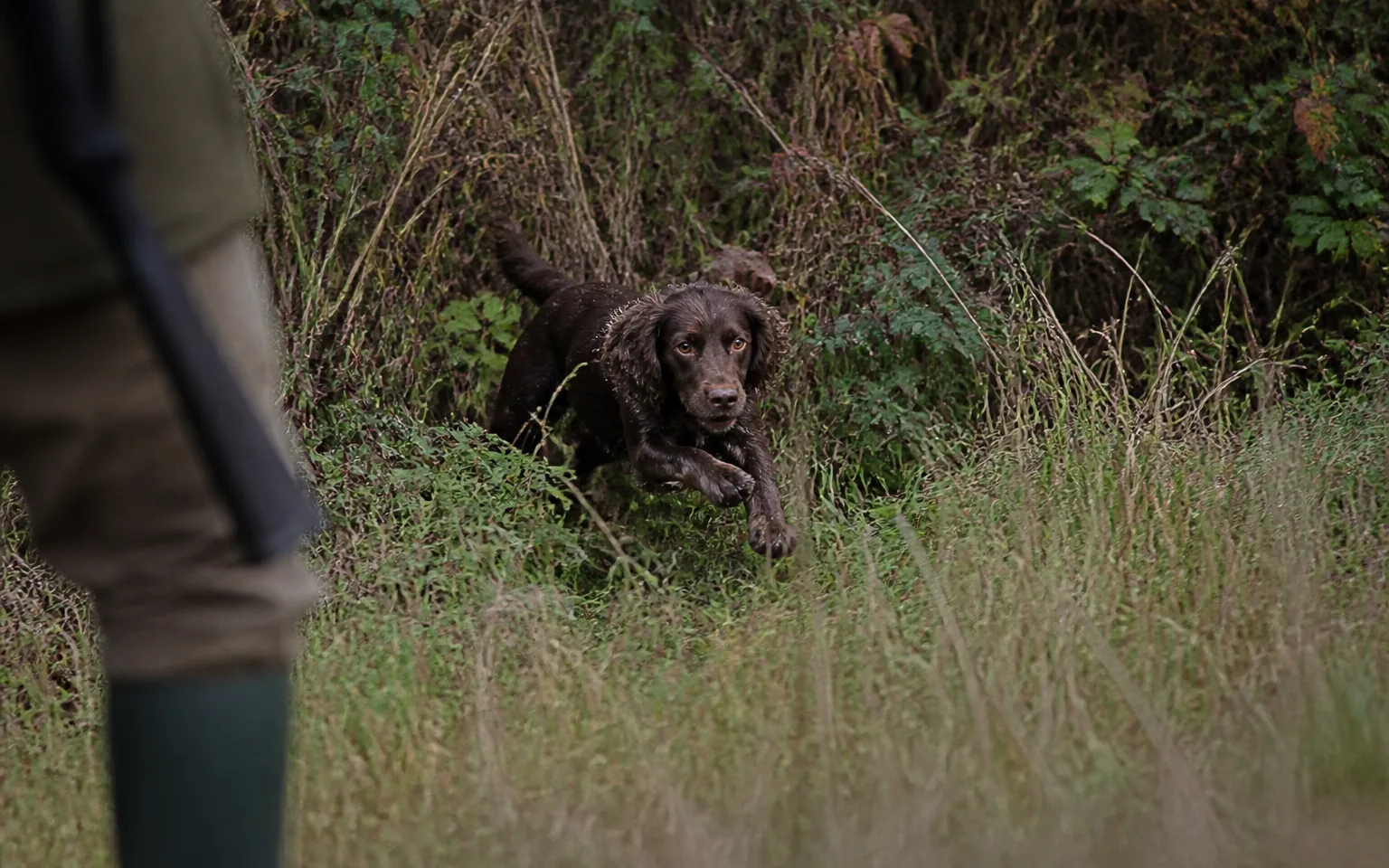
Trials where the spaniel pushes game out of thick cover and then retrieves on command.
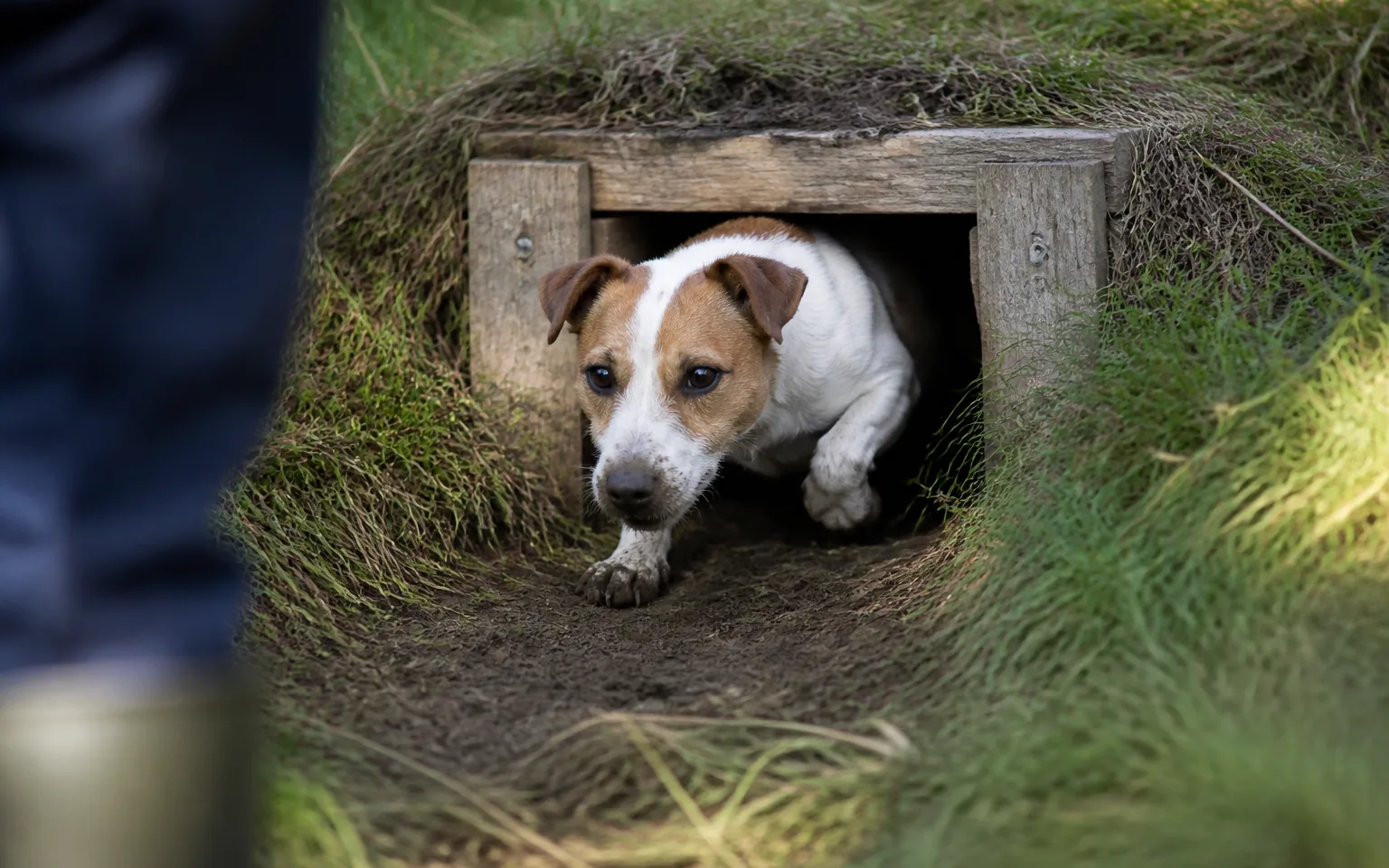
Trials in artificial tunnels for terriers and dachshunds, with the quarry safe behind a grille.
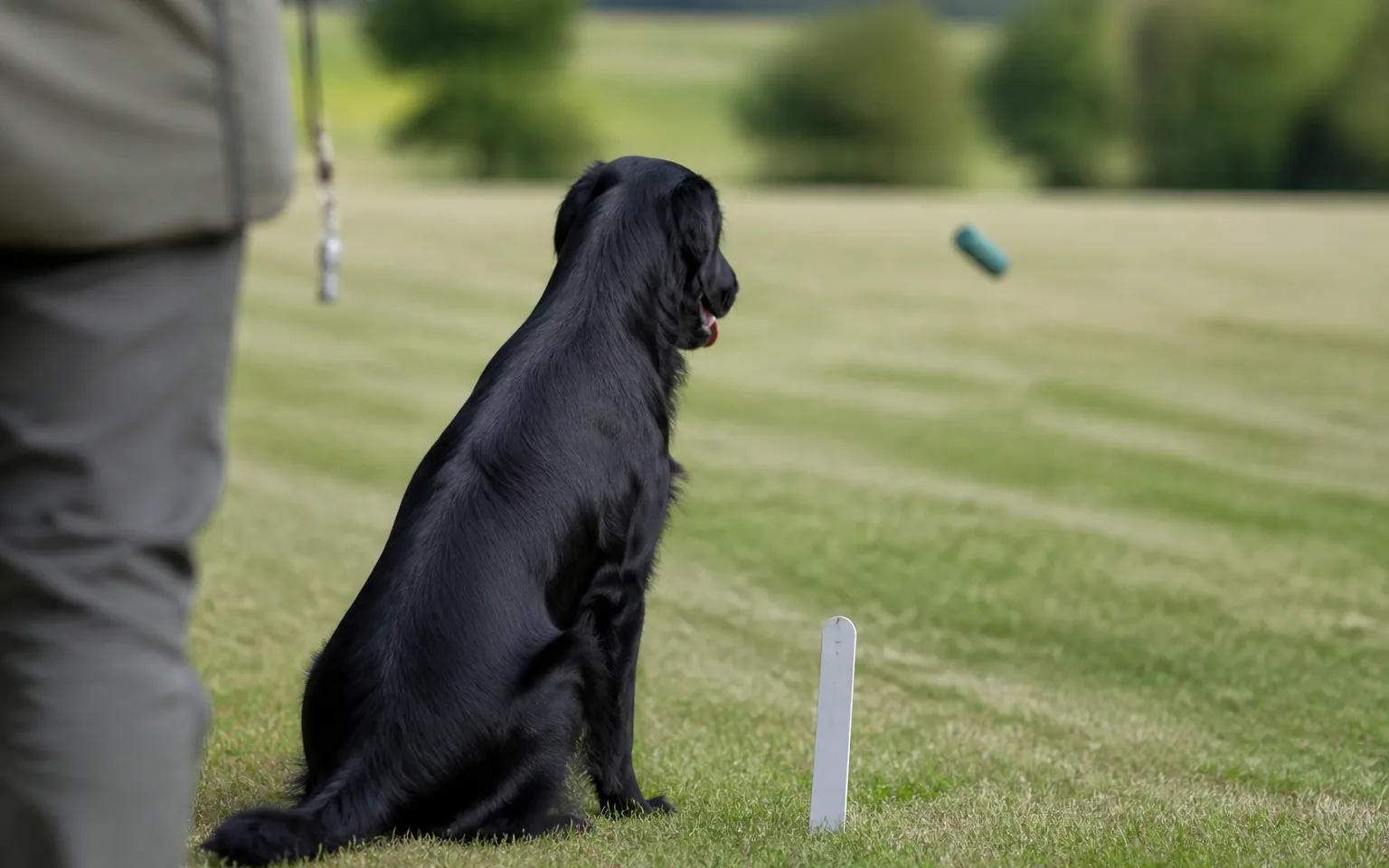
Retriever trials that use dummies in place of live game.
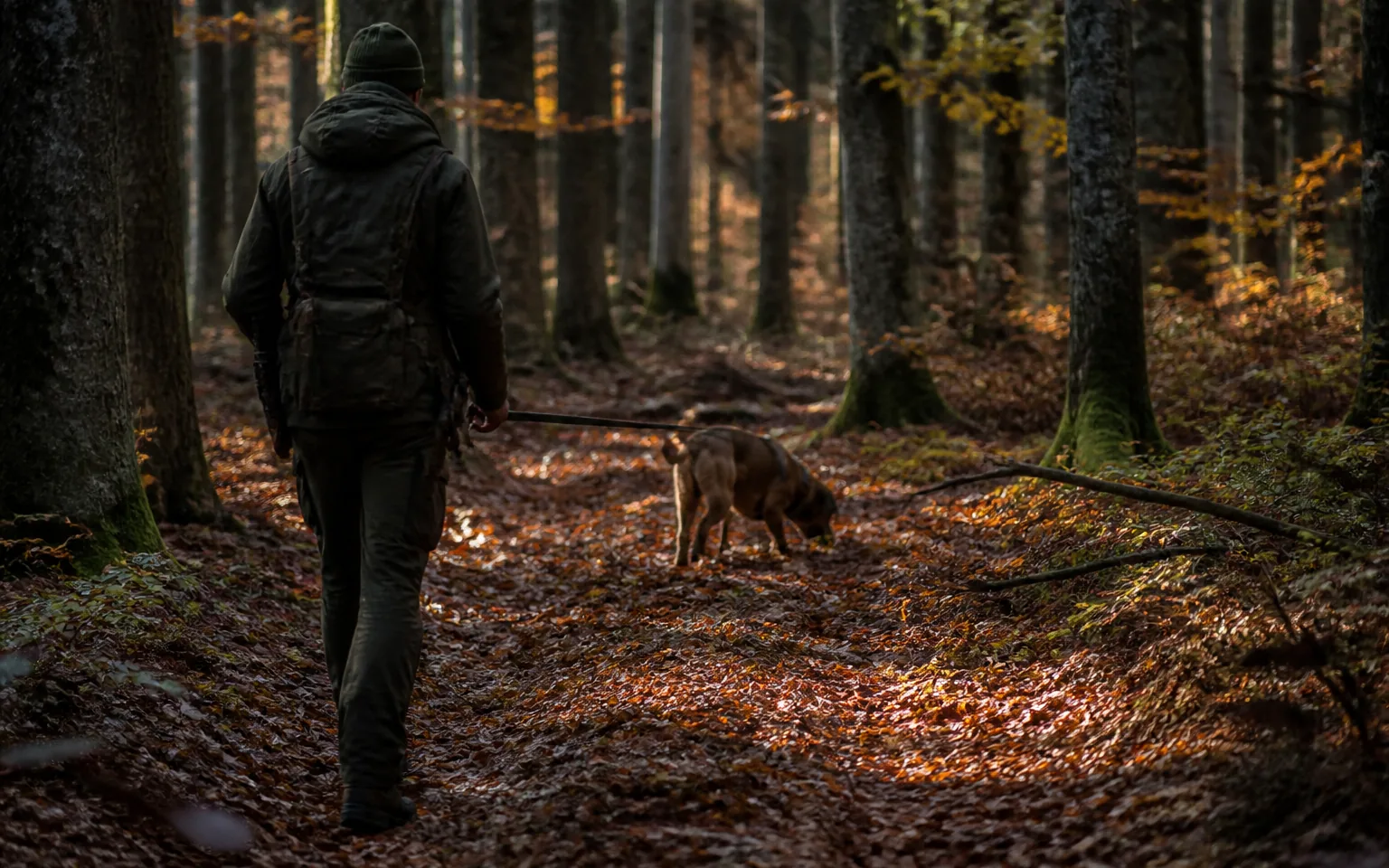
The dog follows a simulated blood trail, hours old, right to the end.
This page is informational. We work in mantrailing, search and rescue and preparation for the TSAC and BH exams - but if you want an honest opinion on what would suit your dog, write to us anytime.