Is real blood used?
At training and at trials a small quantity of abattoir blood is used, precisely to simulate a real trail. No animal is wounded for the purpose.

Hunting dogs
The most genuinely useful trial in the category: the dog follows a blood trail hours old, sometimes a day old, to find wounded game. Not sport for its own sake - an ethical obligation of hunting.
About the discipline
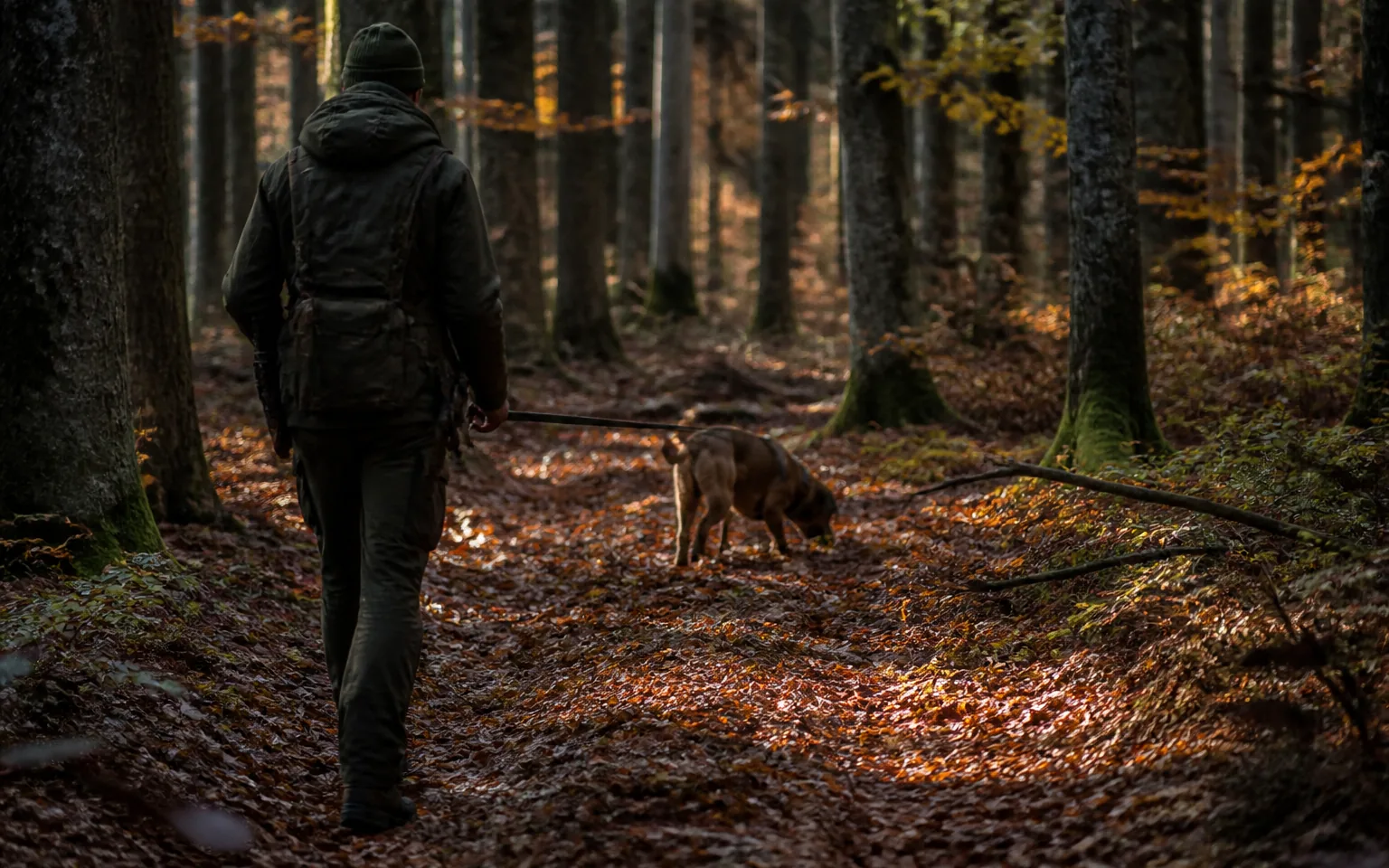
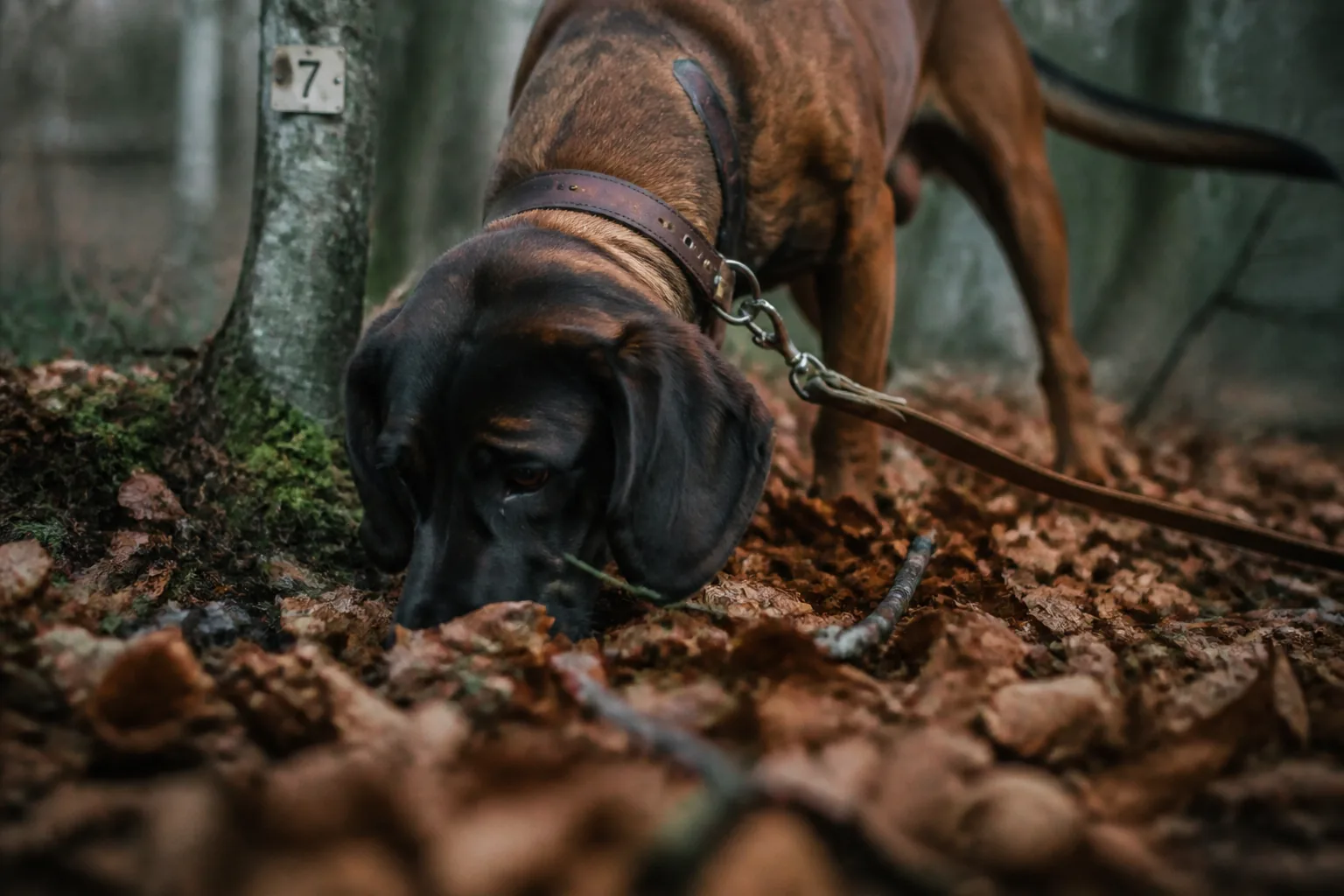
Blood tracking is the discipline by which a dog finds wounded game that has run off. At sporting trials the trail is laid artificially, with a small quantity of blood, and left to mature for several hours.
The dog works in a harness and long line, nose down, at a slow and methodical pace. Competition trails include corners, breaks and stretches without blood, which test the ability to pick the line up again.
Of all the hunting trials, this one has the clearest ethical justification: a wounded animal that is not found suffers. That is why, in many countries, having a tracking dog present for big game hunting is compulsory.
How it works in practice
Frequently asked questions
At training and at trials a small quantity of abattoir blood is used, precisely to simulate a real trail. No animal is wounded for the purpose.
Traditionally the dachshund and the Bavarian and Hanoverian mountain hounds, selected for centuries for this. In practice any dog with a good nose and patience can learn, including breeds with no hunting connection.
Both follow a scent line with the nose, in a harness and long line, and the handler learns to read the dog's signals. The target odour differs: animal blood in one case, the individual scent of a person in the other.
From the same category
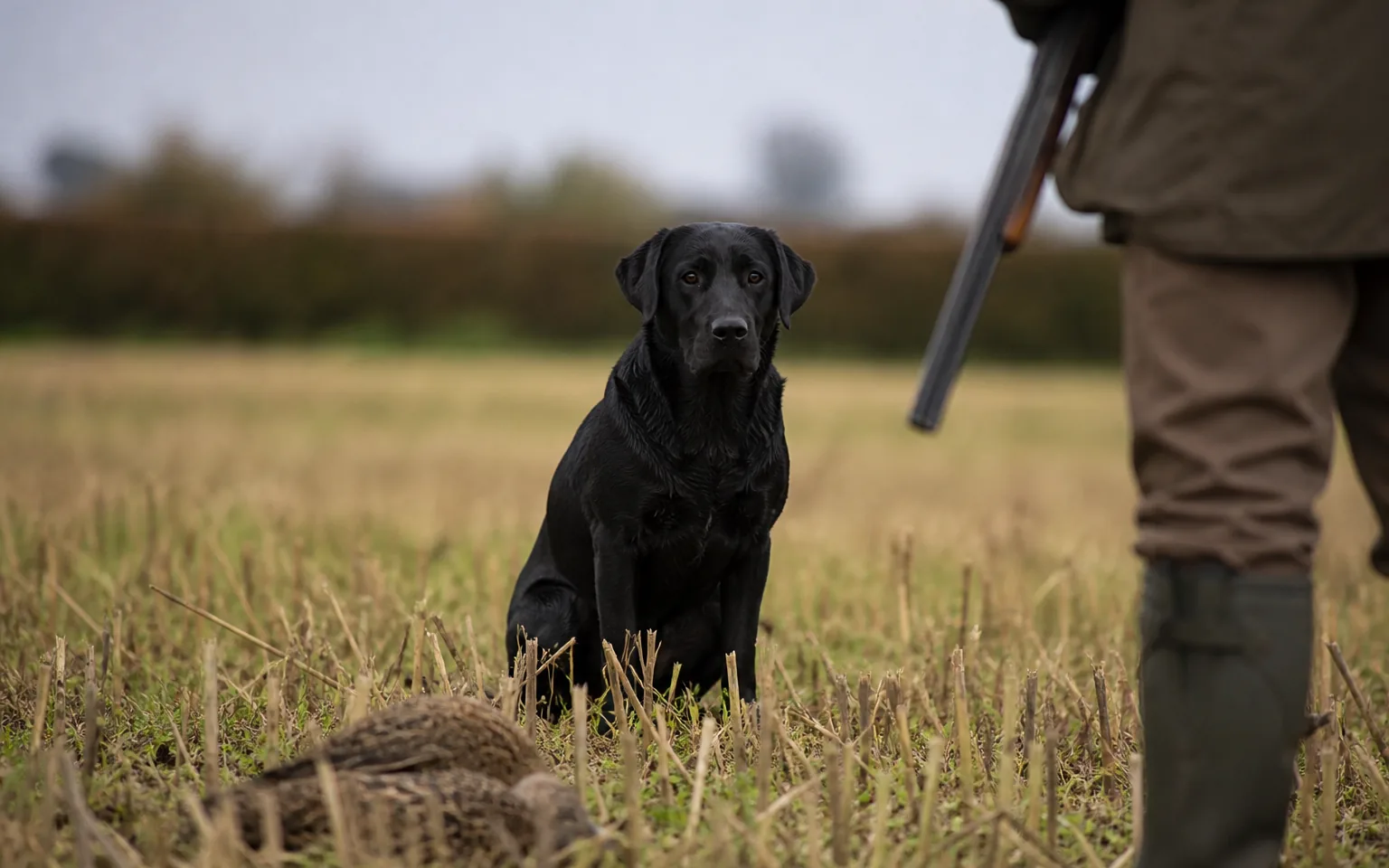
Assessing hunting dogs in the field.
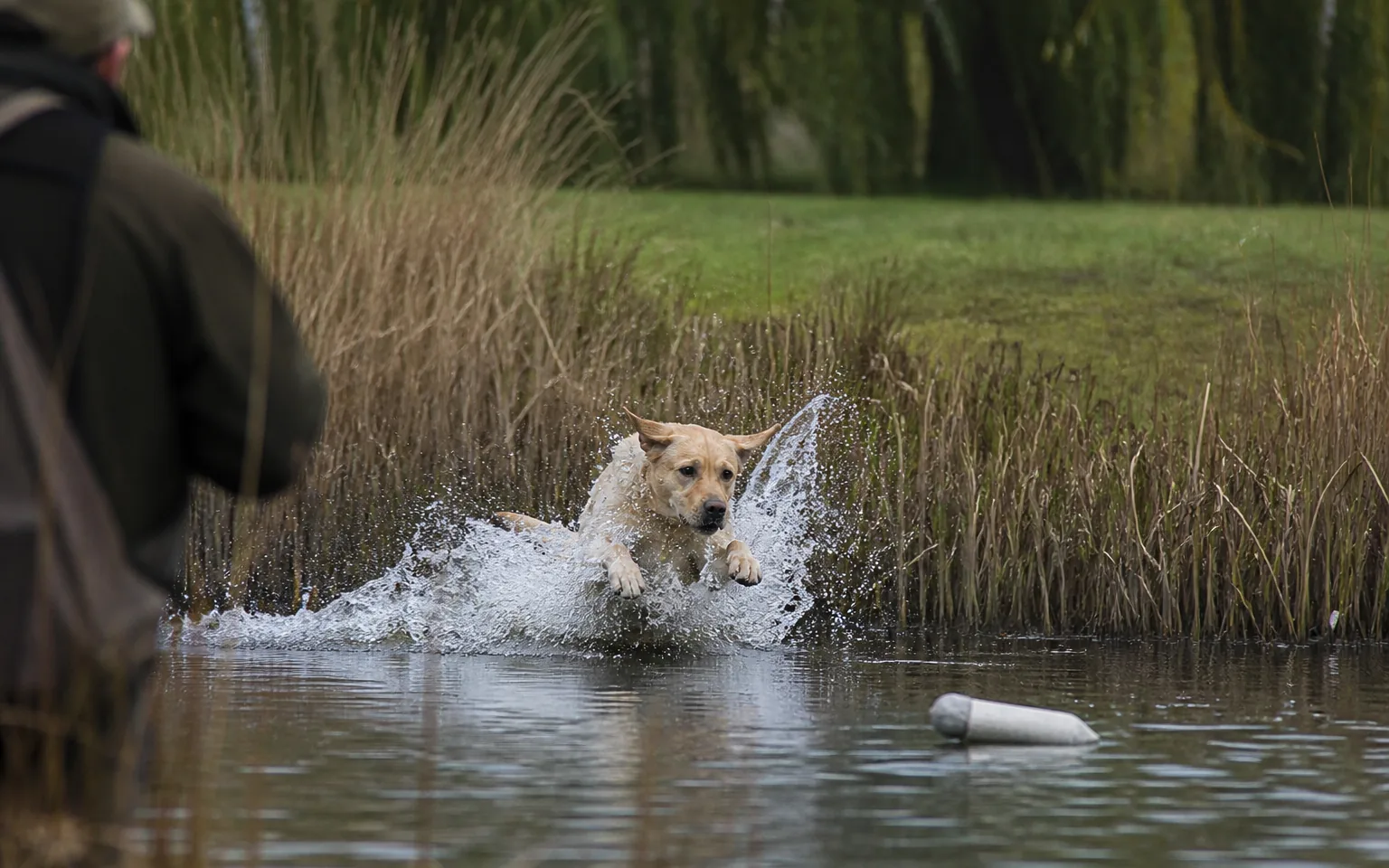
Recovering game or artificial dummies.
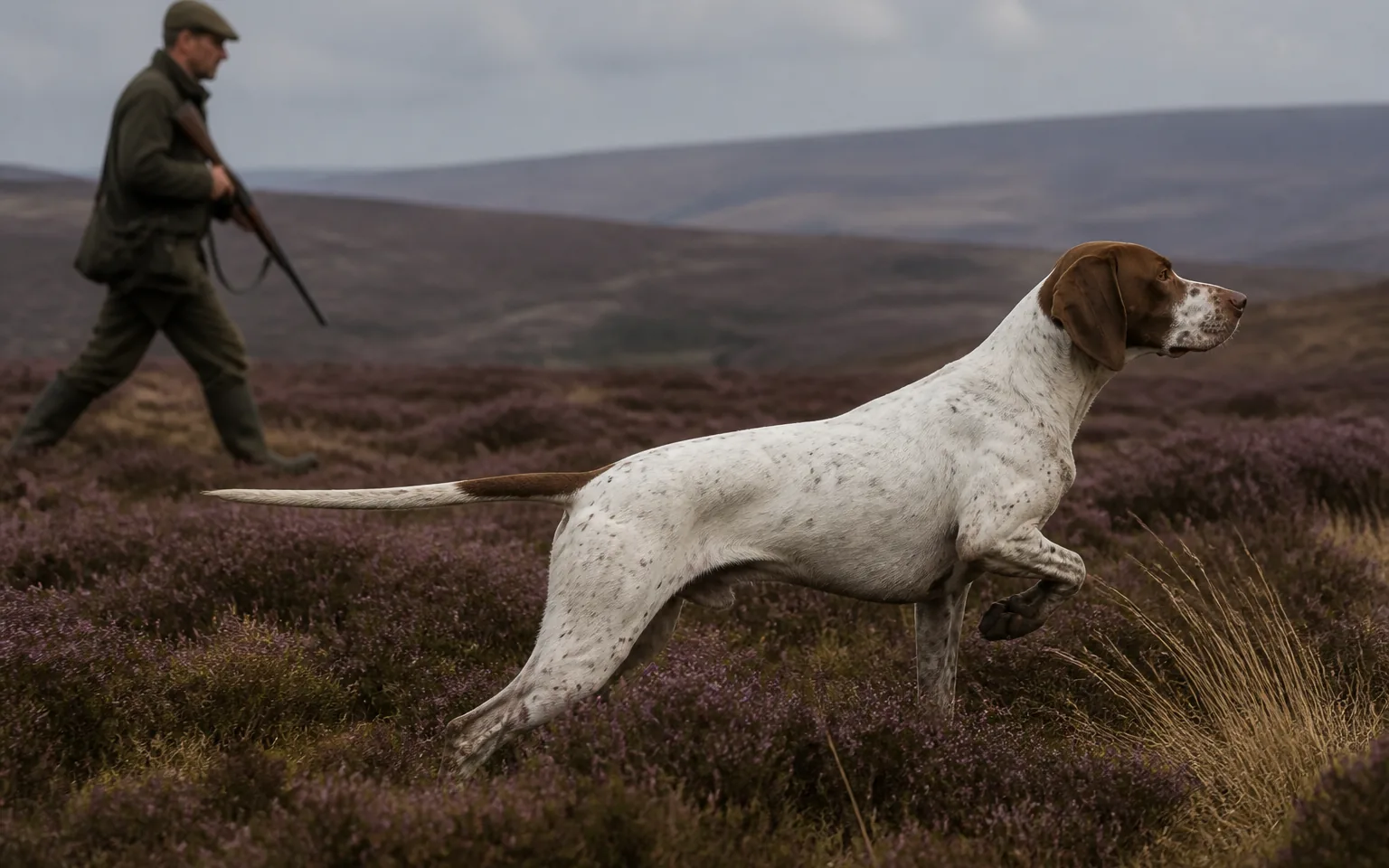
Searching for and pointing game.
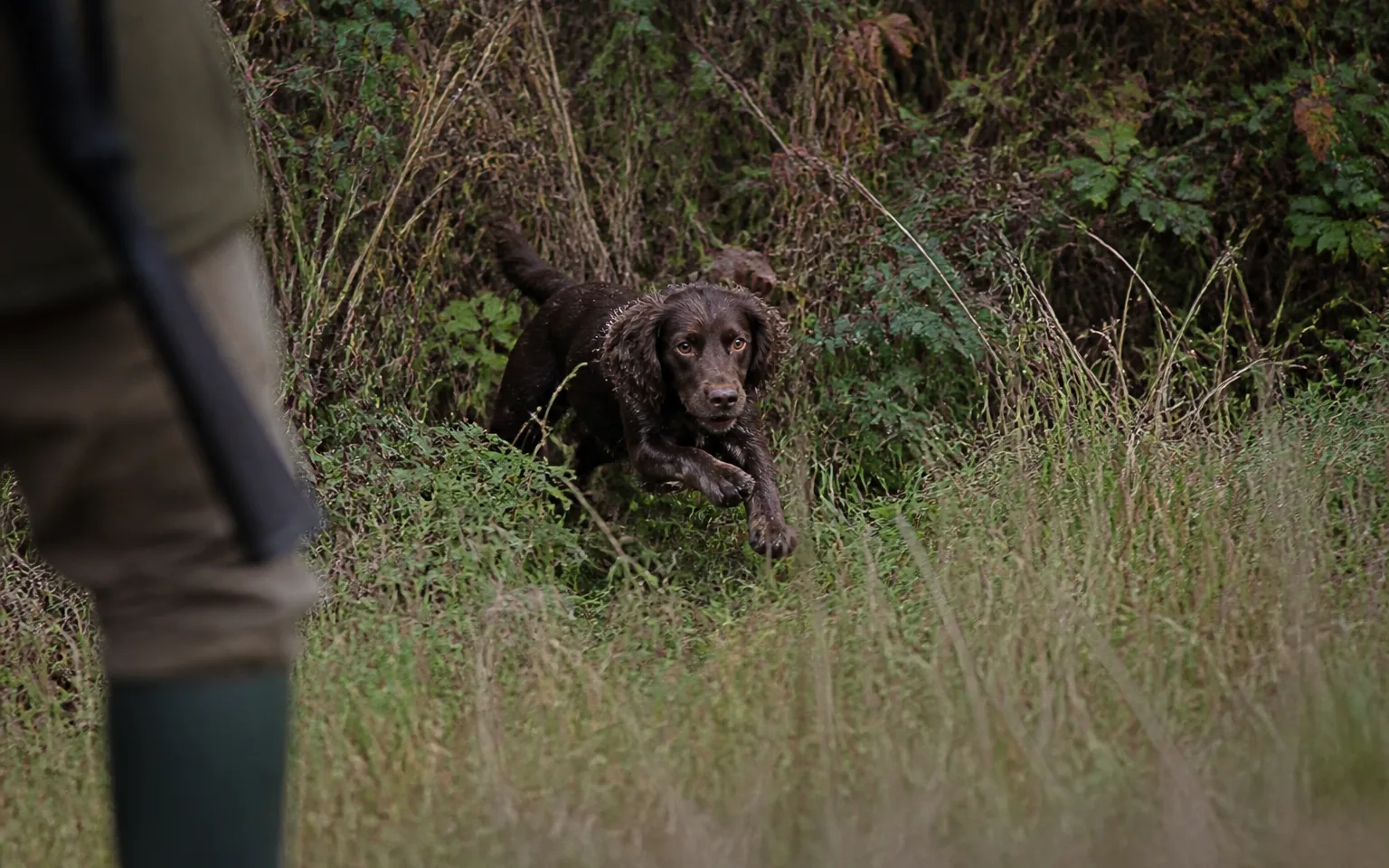
Quartering, flushing and retrieving.
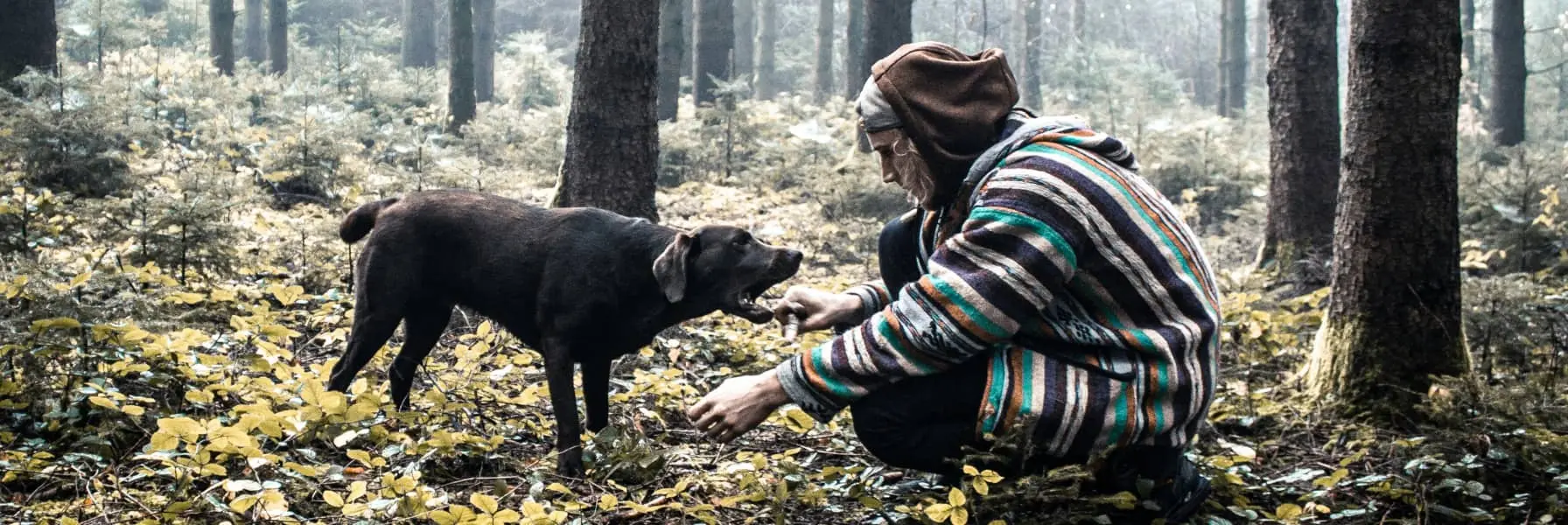
This page is informational. We work in mantrailing, search and rescue and preparation for the TSAC and BH exams - but if you want an honest opinion on what would suit your dog, write to us anytime.