What is a blind retrieve?
A retrieve the dog did not see fall. The handler sends it in a direction and corrects it along the way with whistle and arm signals, until it reaches the object.

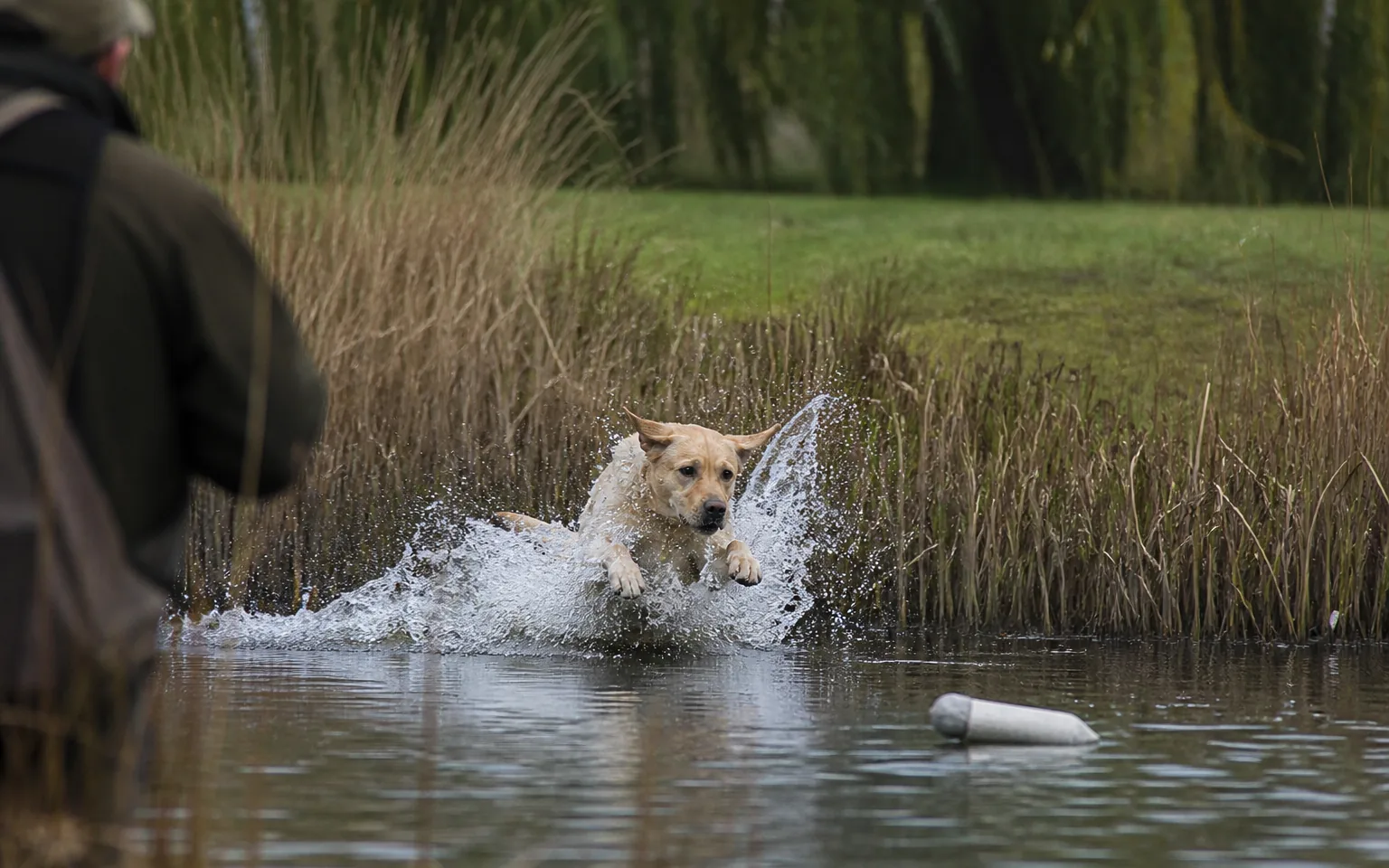
Hunting dogs
The retrievers' trials: the dog remembers where the game fell and brings it back intact, and when it saw nothing it is directed to the spot by whistle and hand signal, from tens of metres away.
About the discipline
Retrieving trials test exactly what a retriever does out shooting: it marks where the game fell, waits for the command and brings it back intact, through water, brambles or stubble.
The two essential components are the mark - the dog saw the fall and remembers the spot - and the blind retrieve, where it saw nothing and must be guided by whistle and arm signals.
The hold in the mouth is judged severely. A crushed or chewed retrieve, what is called a hard mouth, drops the score dramatically.
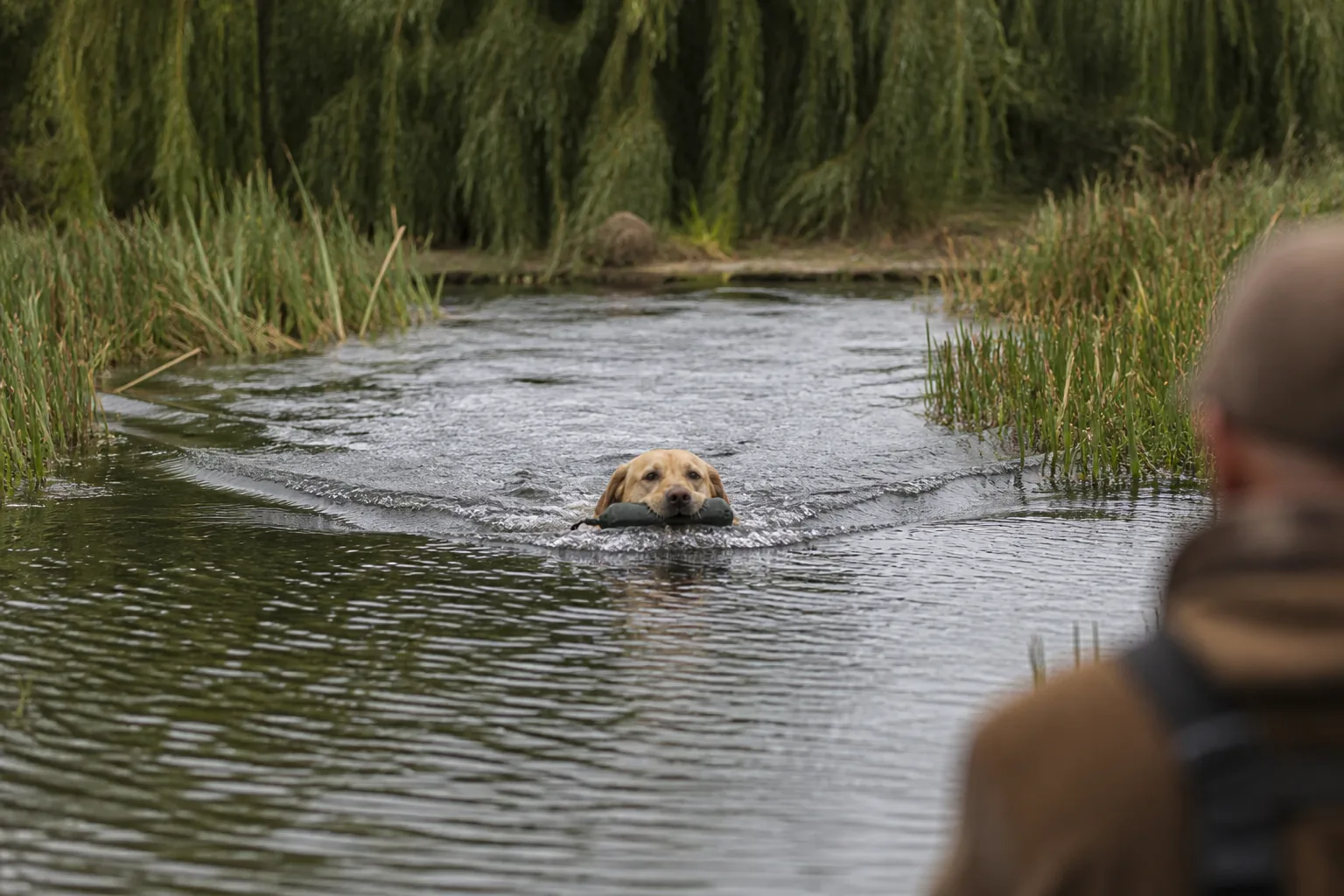
How it works in practice
Frequently asked questions
A retrieve the dog did not see fall. The handler sends it in a direction and corrects it along the way with whistle and arm signals, until it reaches the object.
The ability to carry game without crushing it. It is a genetically selected trait in retrievers and a major scoring criterion.
Yes. Working tests use artificial dummies, with no game, and reproduce the same technical exercises.
In stages: first short remembered retrieves, then hidden retrieves the dog already knows about, then direction corrections over short distances. The whistle means stop and look at the handler, and the arm gives the direction. That order does not change, otherwise the dog never grasps the system.
The rule figures on this page come from FCI - International Regulations for Field Trials for Retrievers. Rules change and federations differ - always check the rulebook of the competition you are entering.
From the same category
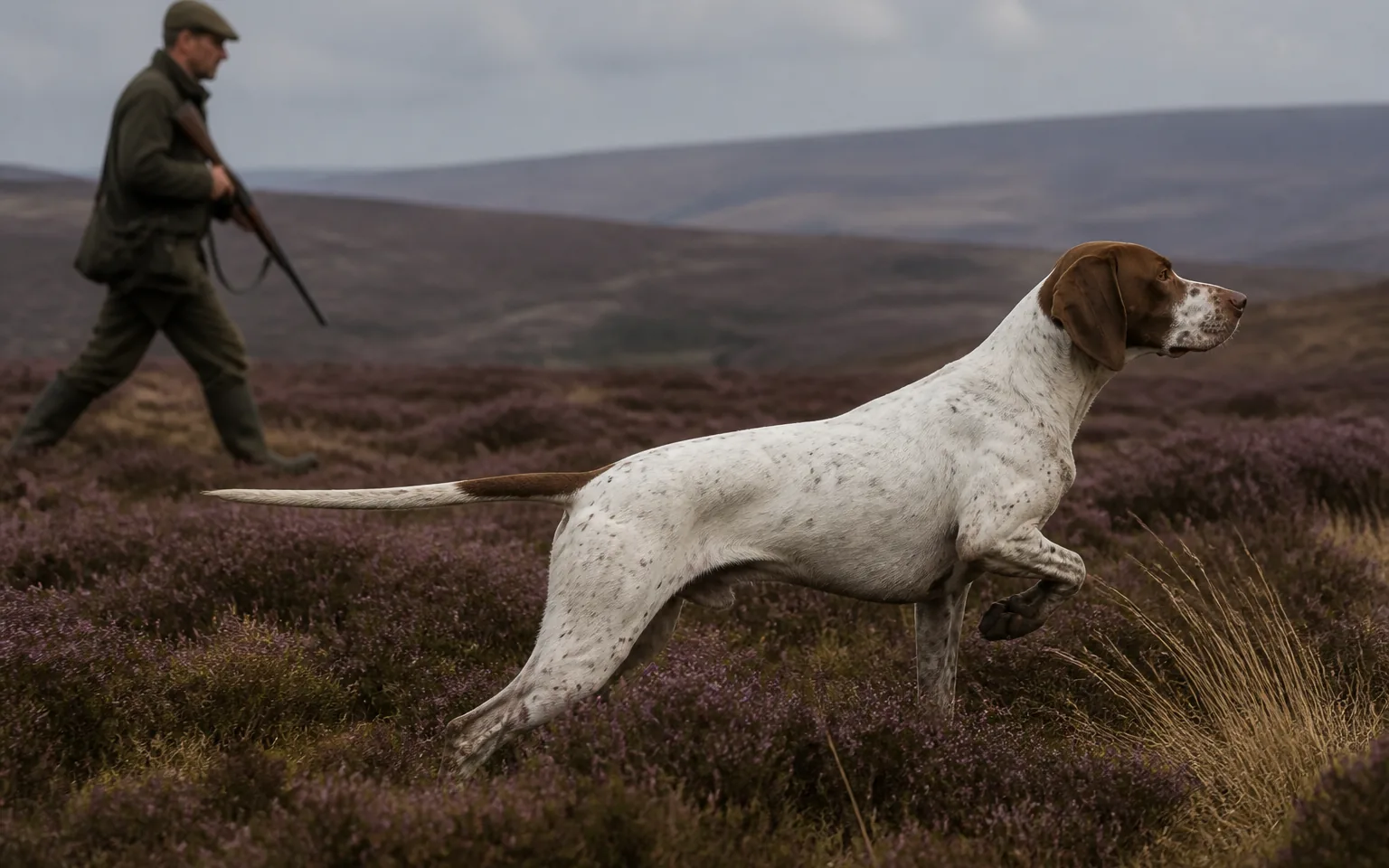
Searching for and pointing game.
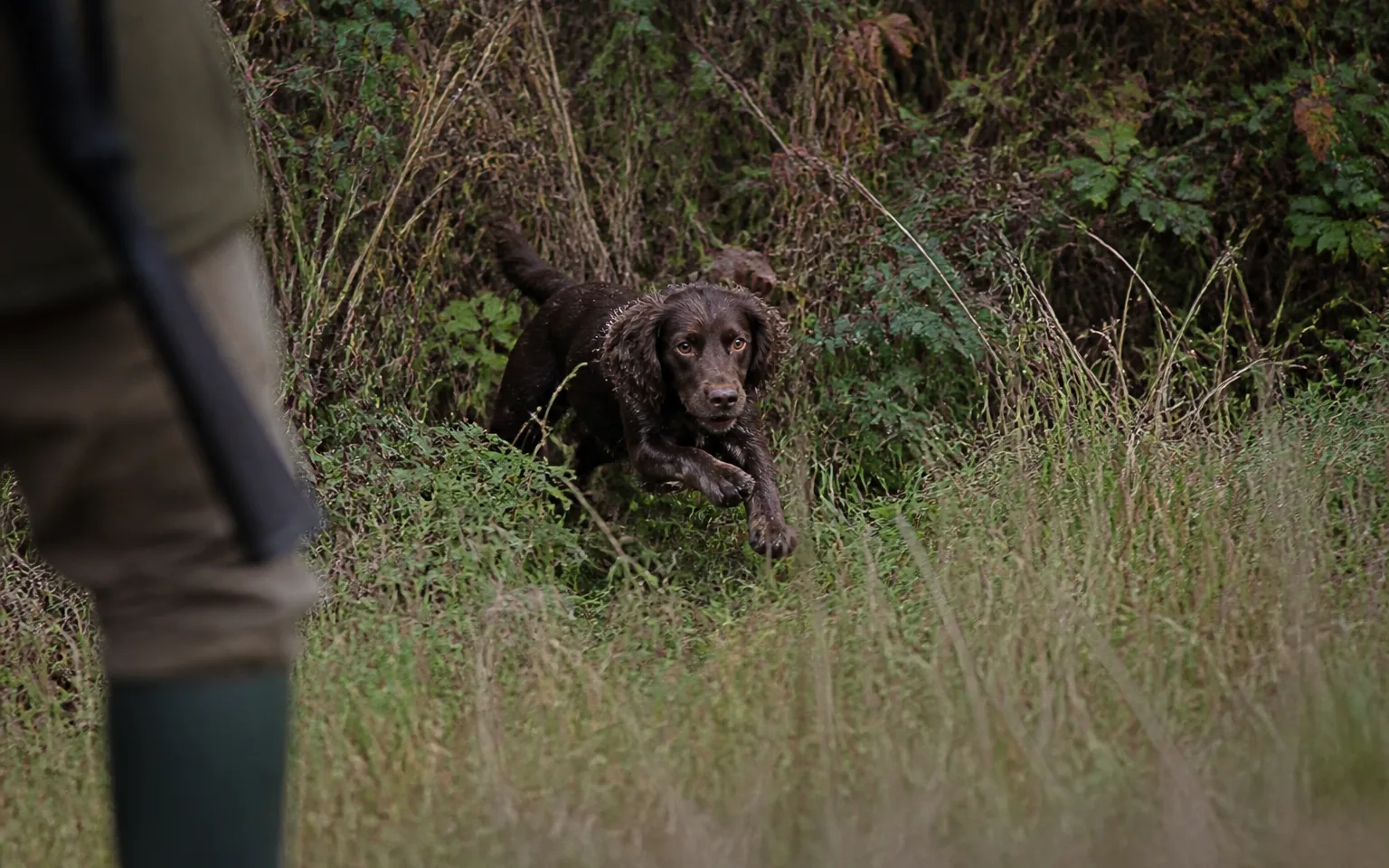
Quartering, flushing and retrieving.
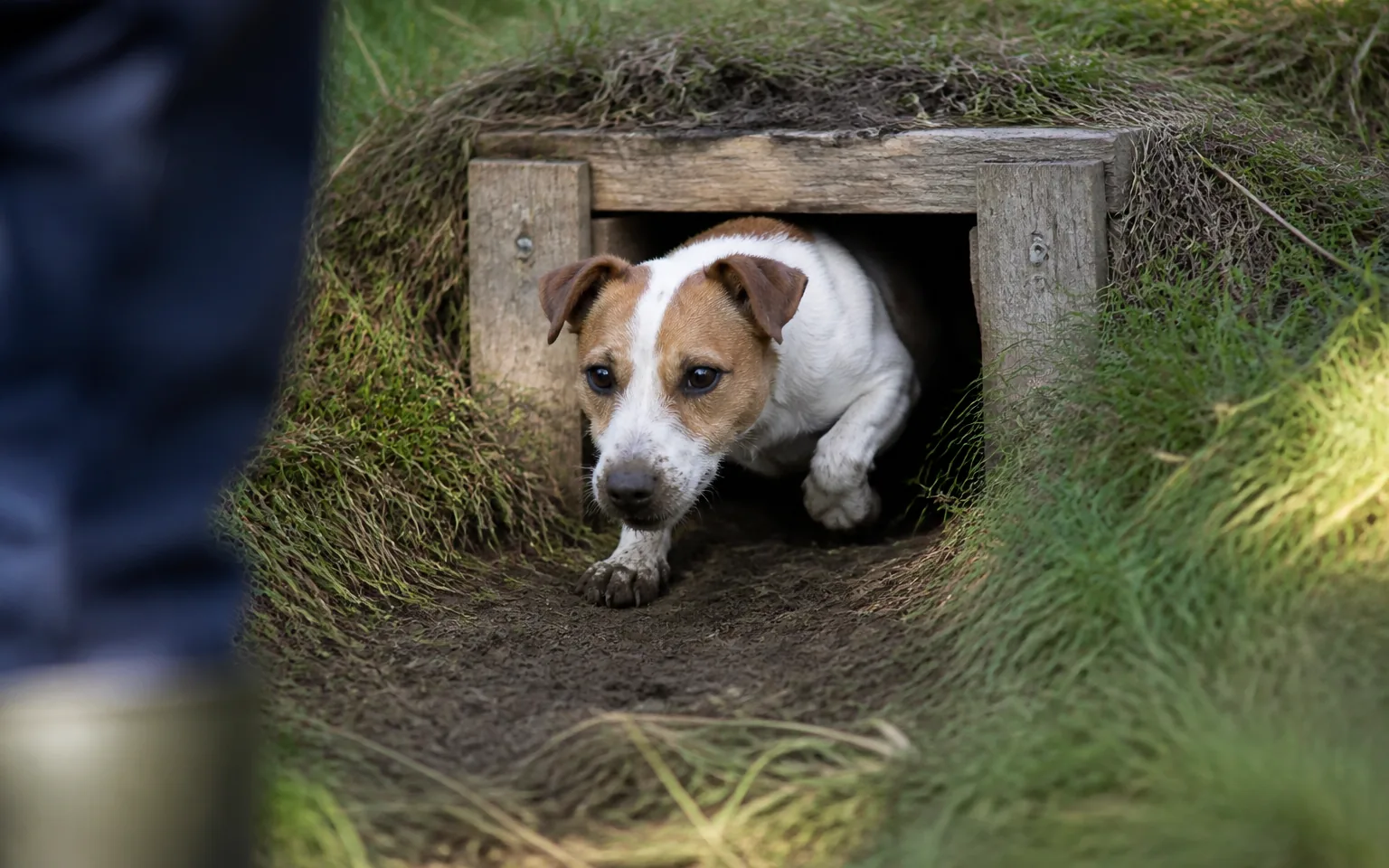
Trials in artificial tunnels for terriers and dachshunds.
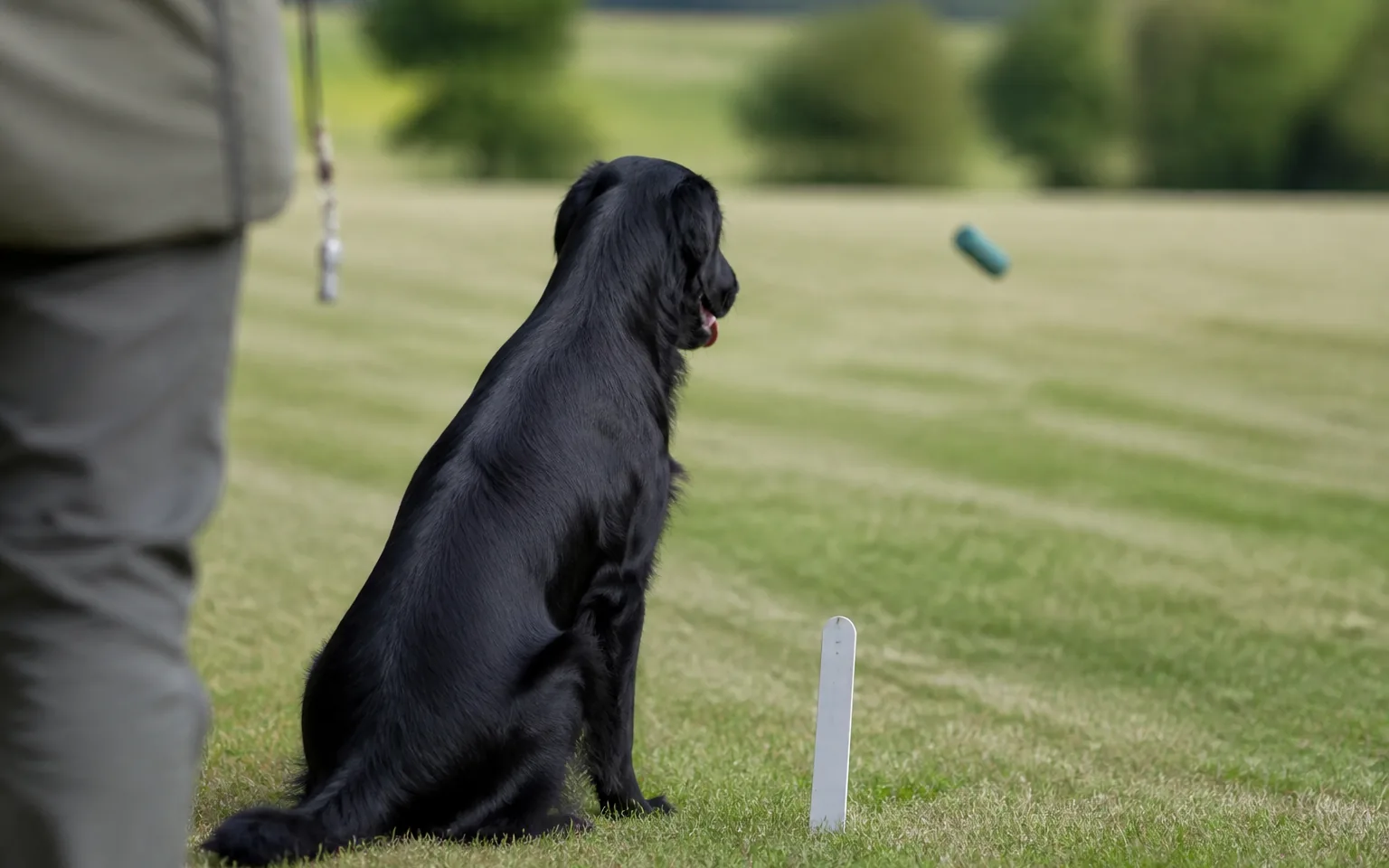
Retrieving trials without live game.

This page is informational. We work in mantrailing, search and rescue and preparation for the TSAC and BH exams - but if you want an honest opinion on what would suit your dog, write to us anytime.