Is game actually shot?
It depends on the format. Some trials run under real hunting conditions. Others use released game, and working tests even use artificial dummies.

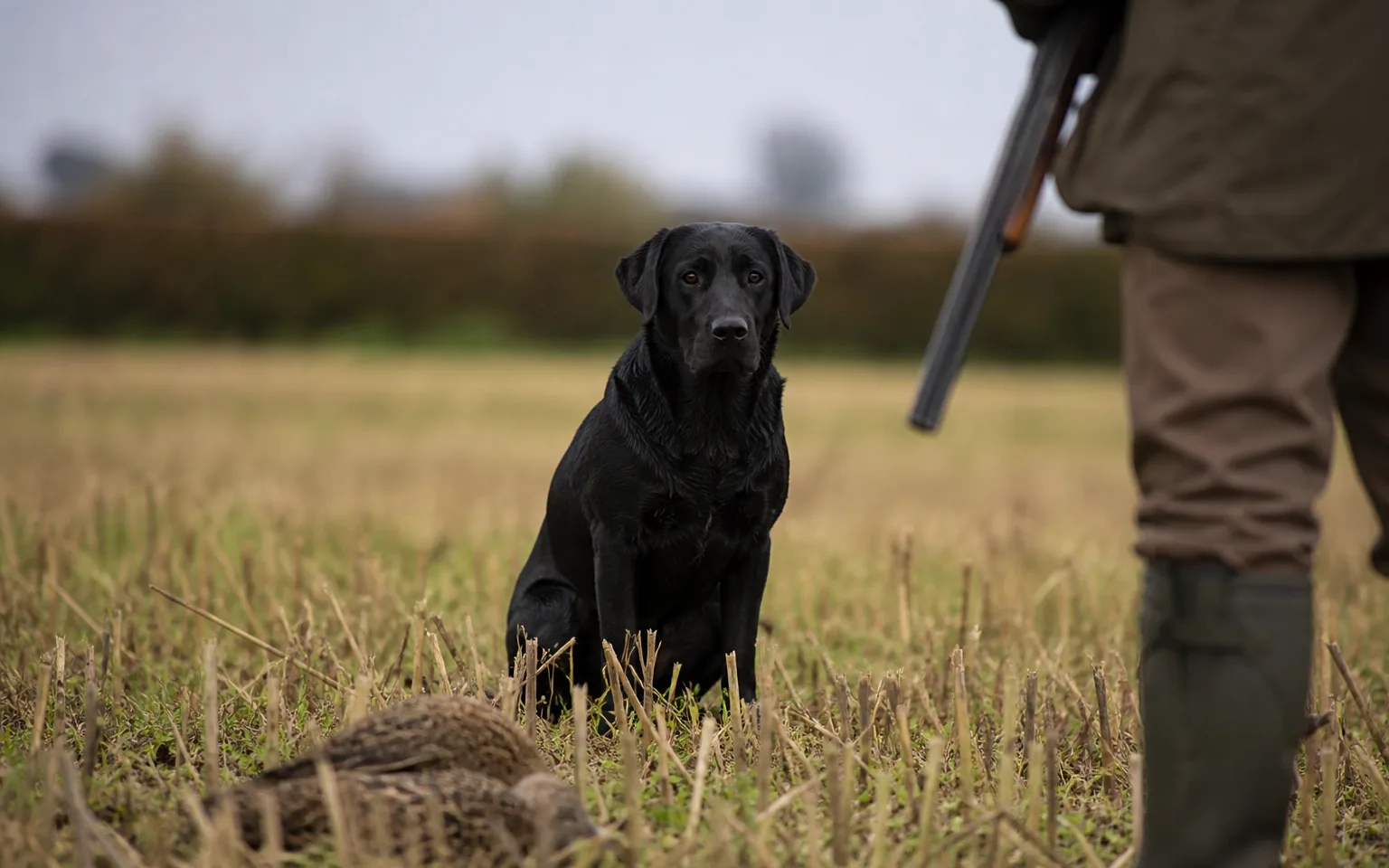
Hunting dogs
These are the classic field competitions for hunting dogs. Judges watch how the dog searches, how much ground it covers, how it moves and how well it works with its handler. It all happens on real ground, in real conditions.
About the discipline
Field trials are the benchmark competitions for hunting breeds. Dogs work in open country, in braces or one at a time, while judges score the way they search.
The result matters, but style counts just as much. Judges look at how wide the dog ranges and at what pace, how it uses the wind, and whether it covers the ground without leaving patches unworked.
Each breed group has its own trials and criteria. A pointer or setter works differently from a spaniel or retriever, so they aren't judged by the same yardstick.
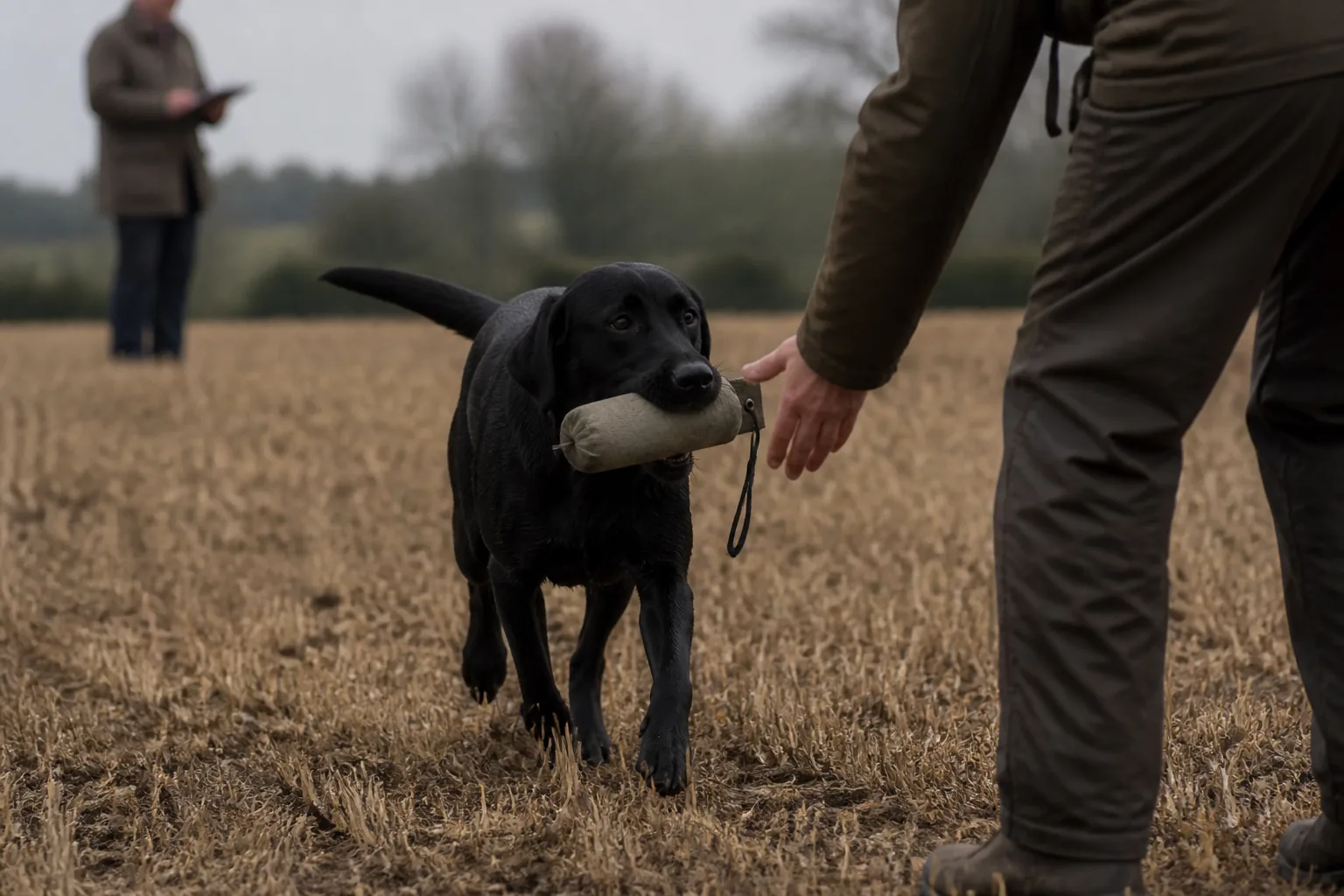
How it works in practice
Frequently asked questions
It depends on the format. Some trials run under real hunting conditions. Others use released game, and working tests even use artificial dummies.
Not at official trials. They're organised by breed group, and each type of work has its own criteria.
It's the typical way a breed covers ground. A pointer runs wide and fast, a spaniel hunts close to the handler and methodically. Judges score how well the dog sticks to its breed's pattern.
Go and watch first, at one or two competitions. See how the dogs work, how they're scored and what judges expect from each breed group. Then find a club or trainer who works your breed. Search styles differ so much between groups that general advice won't get you far.
The rule figures on this page come from FCI - Official Rules for International Field Trials and Working Tests. Rules change and federations differ - always check the rulebook of the competition you are entering.
From the same category
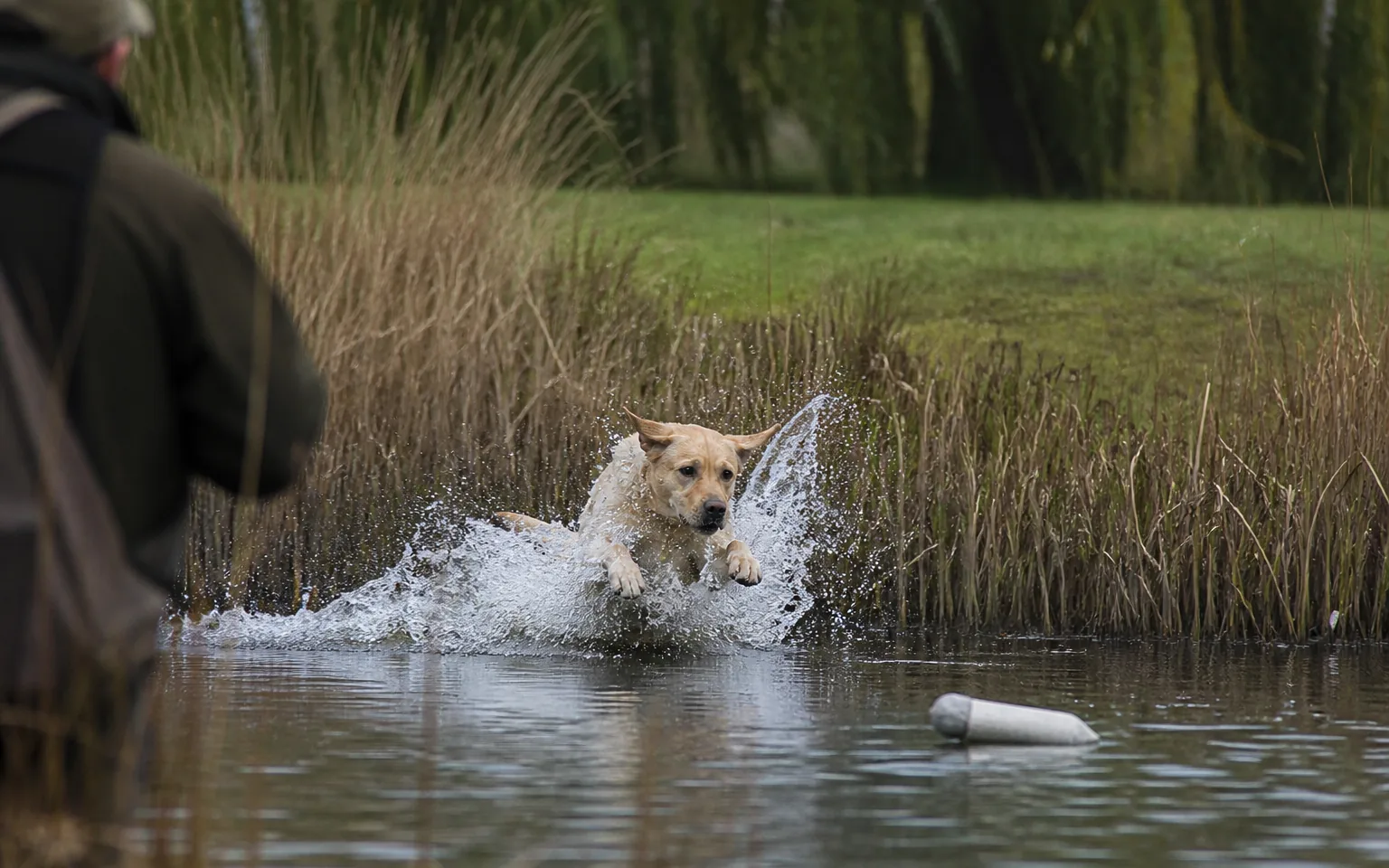
Trials where the dog brings back game or dummies, cleanly and on command.
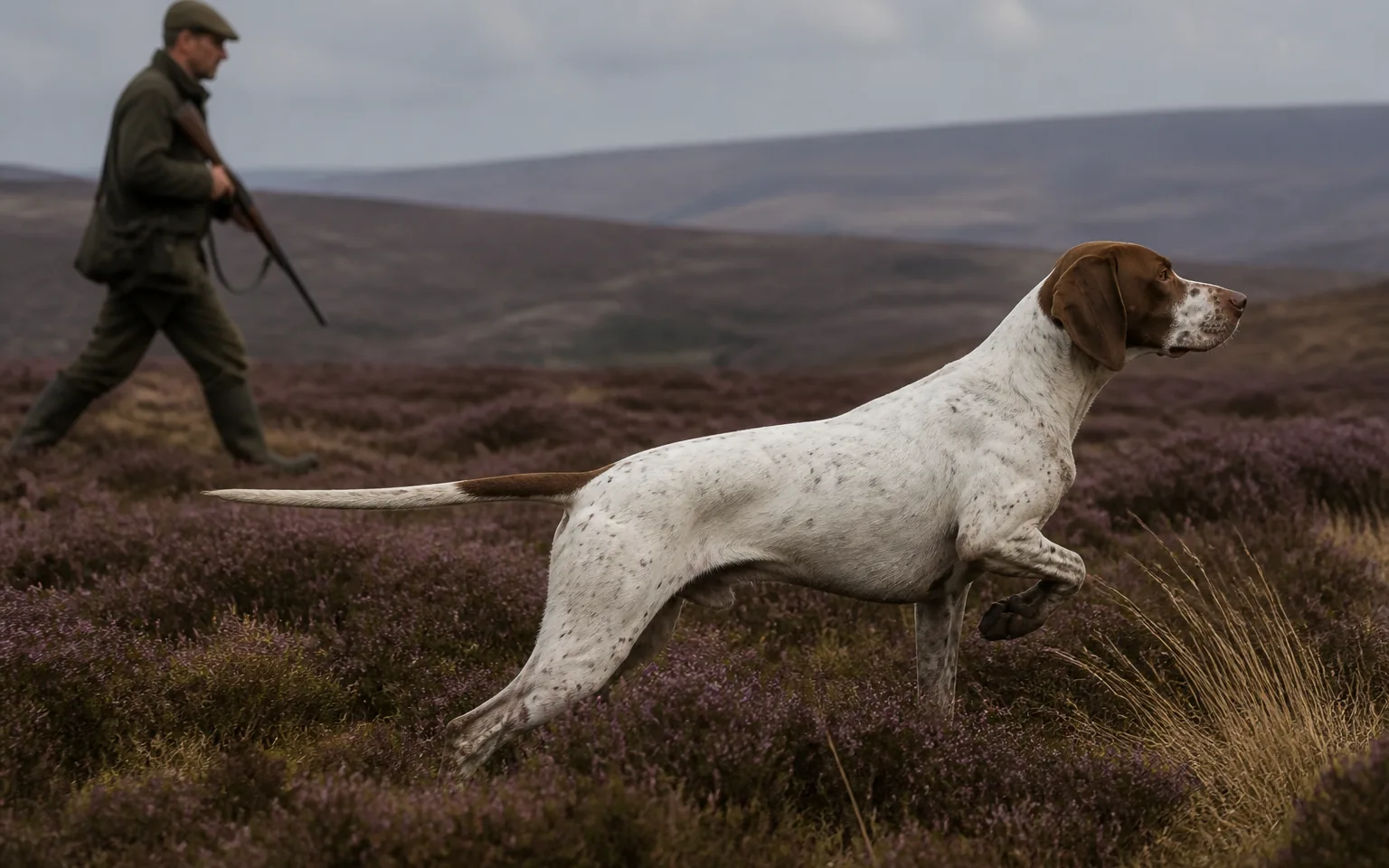
Trials where the dog searches for game and indicates it with a firm point.
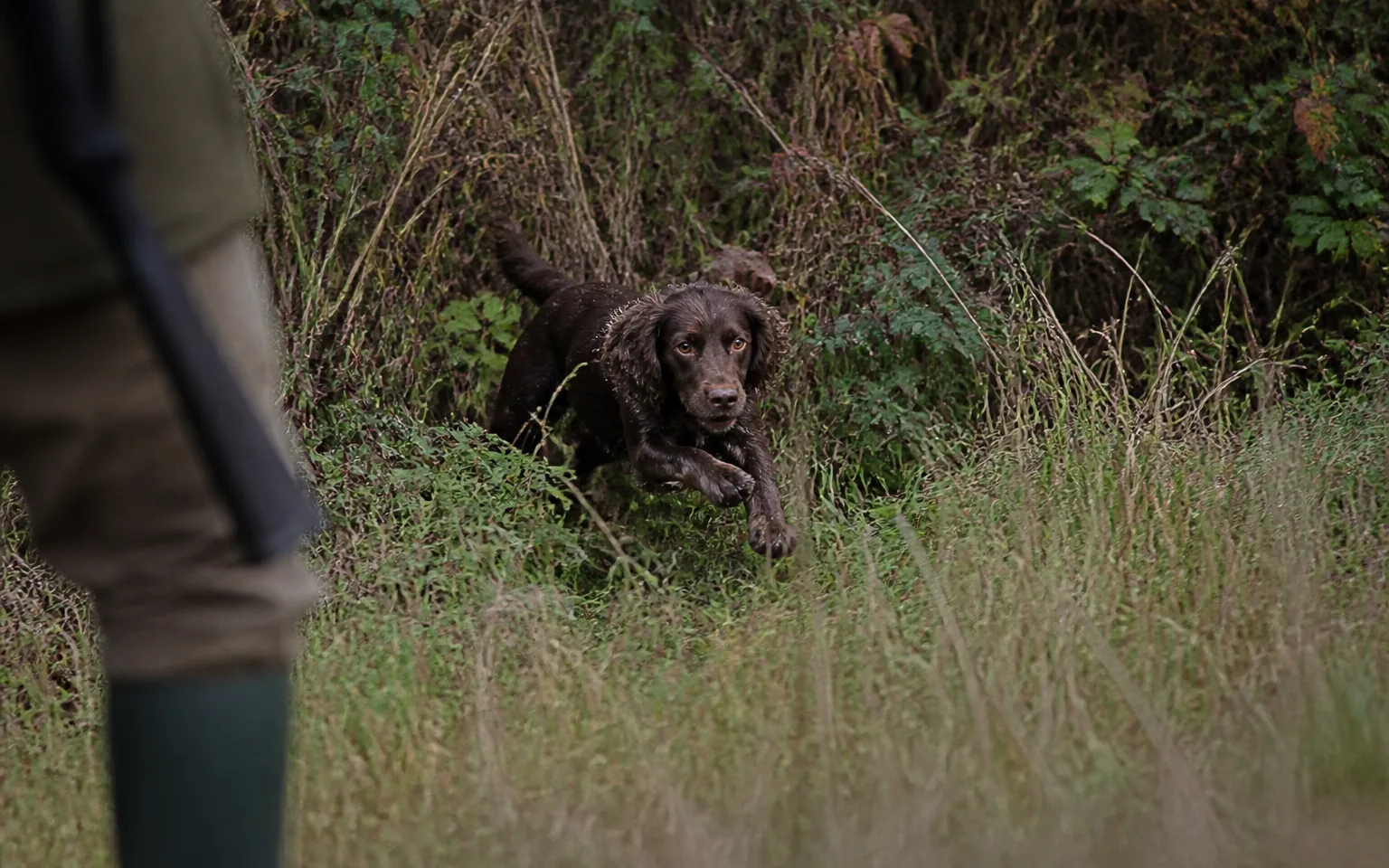
Trials where the spaniel pushes game out of thick cover and then retrieves on command.
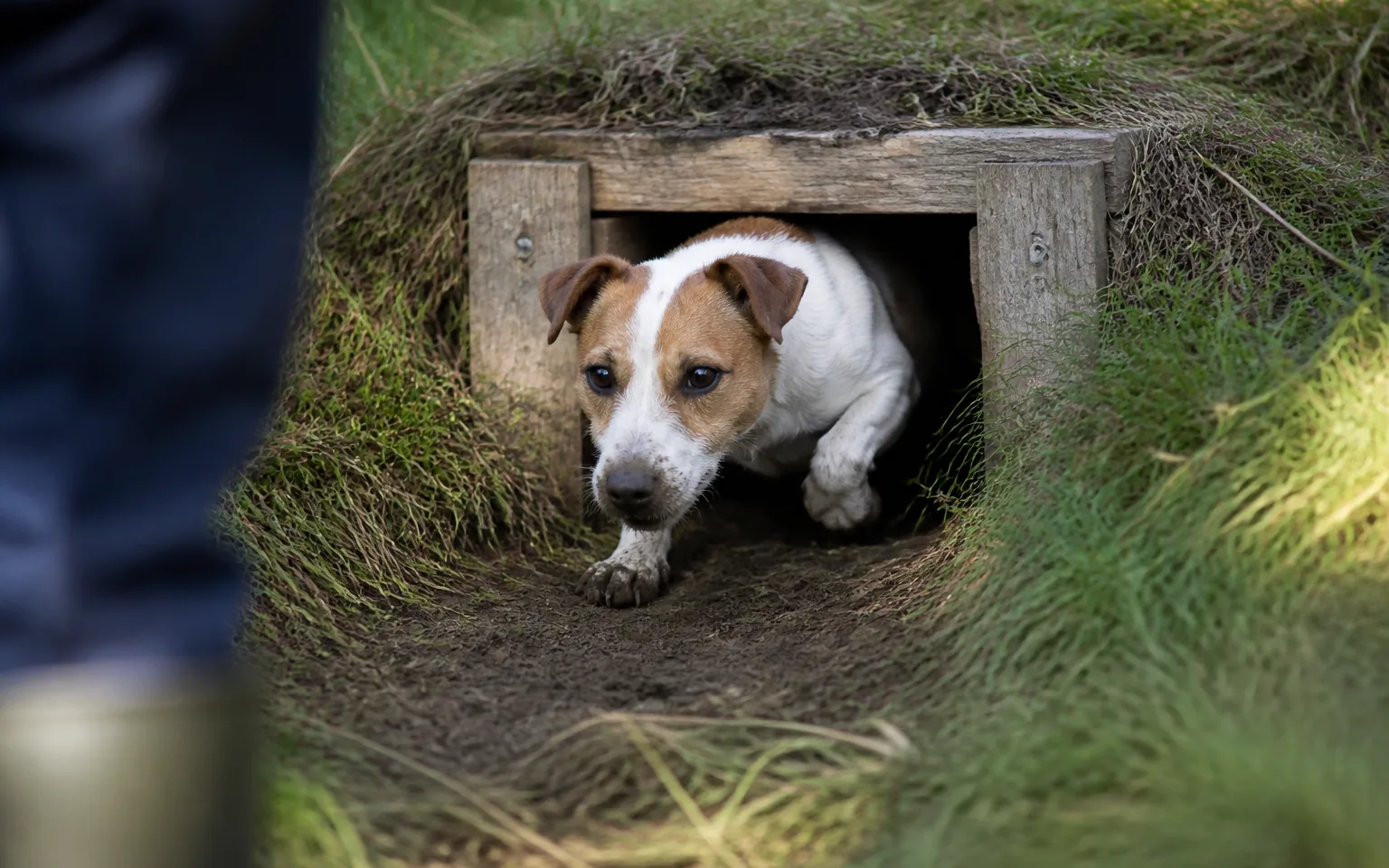
Trials in artificial tunnels for terriers and dachshunds, with the quarry safe behind a grille.
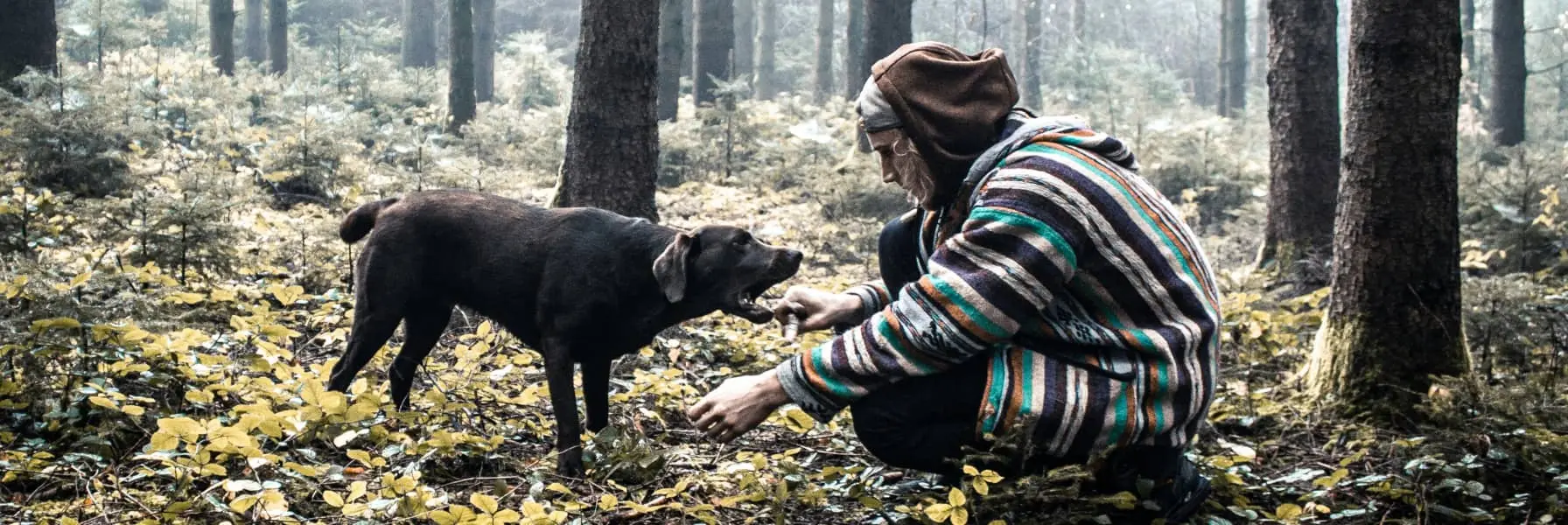
This page is informational. We work in mantrailing, search and rescue and preparation for the TSAC and BH exams - but if you want an honest opinion on what would suit your dog, write to us anytime.