Three layers
The skin has three main layers: the epidermis, on the outside; the dermis, in the middle; the hypodermis (subcutis), on the inside. The paw pads have a thick, horny epidermis and a layer of connective and fatty tissue that cushions.
Compound follicles
The dog's hair follicles are compound: a central hair (the primary or guard hair) surrounded by 3-15 thinner secondary hairs, all emerging through the same pore. Puppies are born with simple follicles, which become compound as they grow. The secondary hairs form what we call the undercoat.
The hair cycle and shedding
Each hair goes through three phases: anagen (growth), catagen (transition) and telogen (rest, the mature hair, which then falls out). Shedding is usually heavier in early spring and in the fall, with variation by breed, age, health status and environmental conditions.
How coat types are described
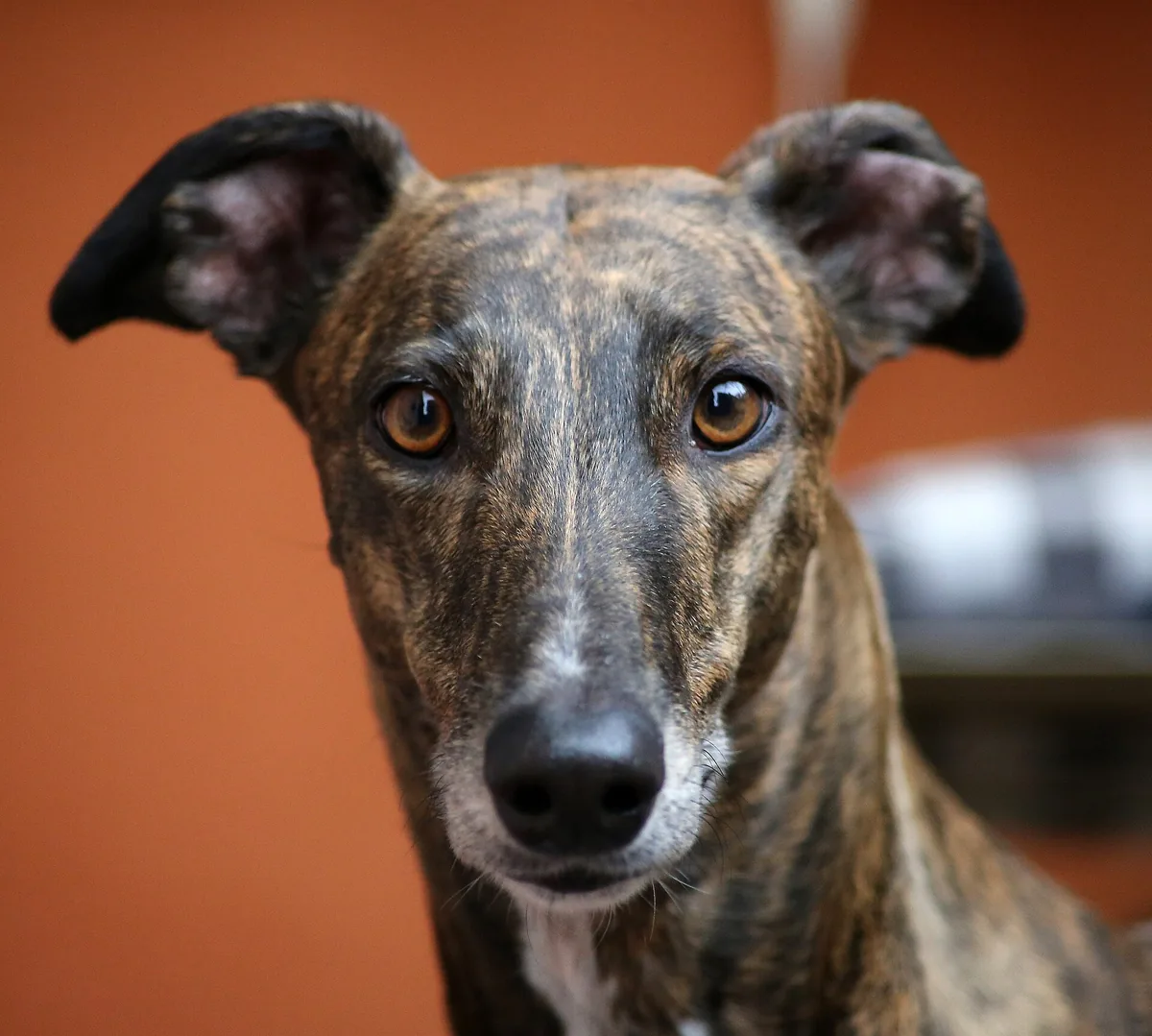
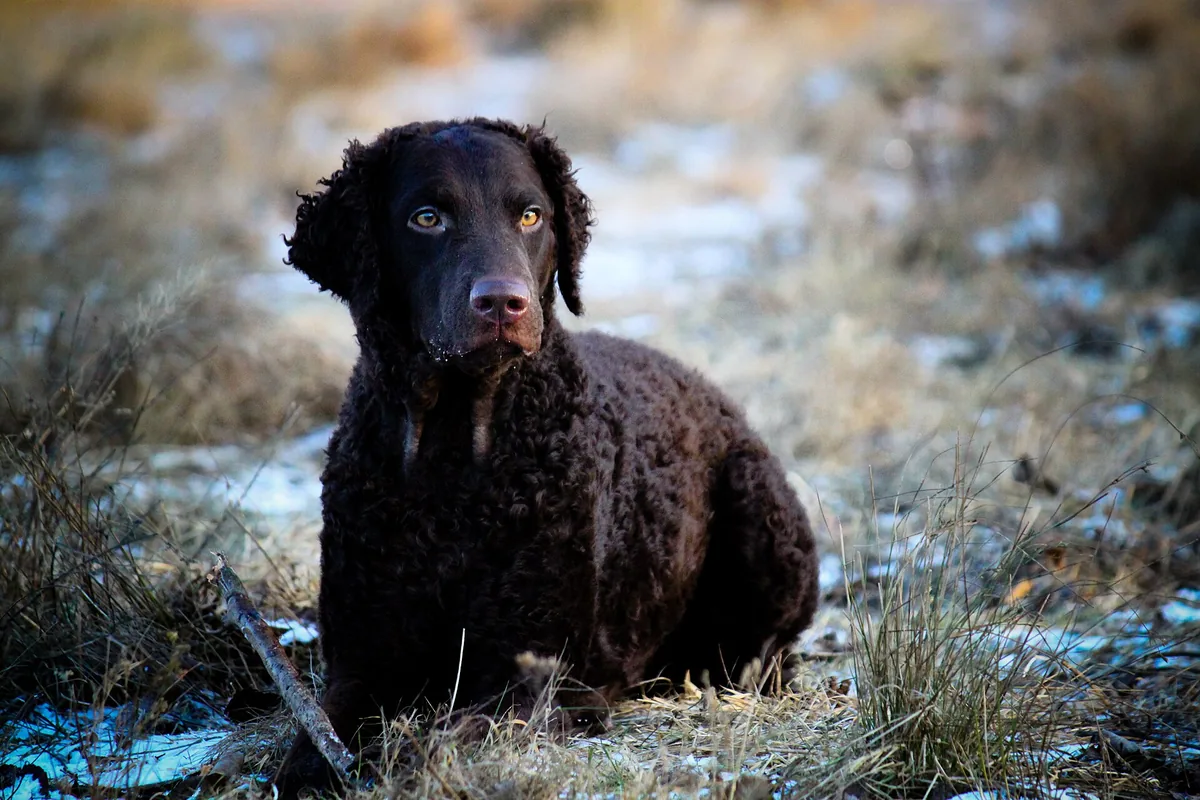
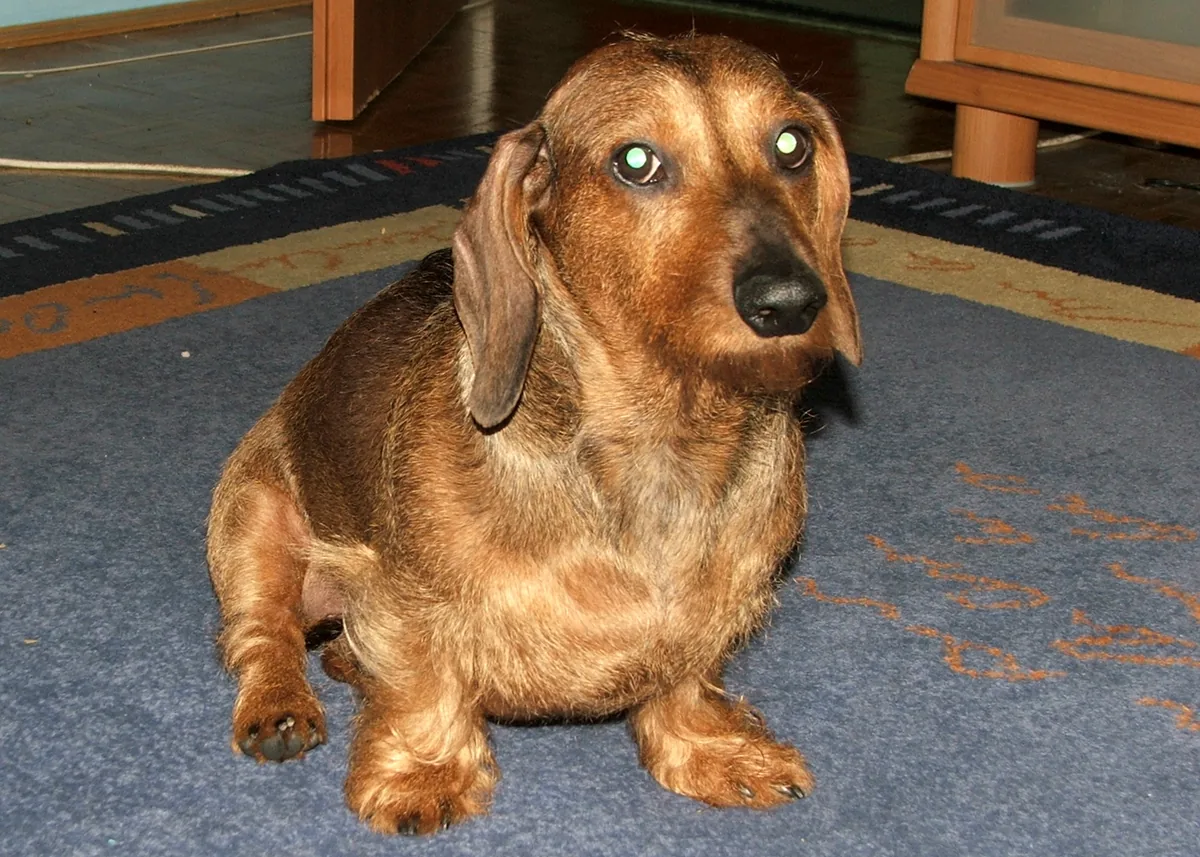
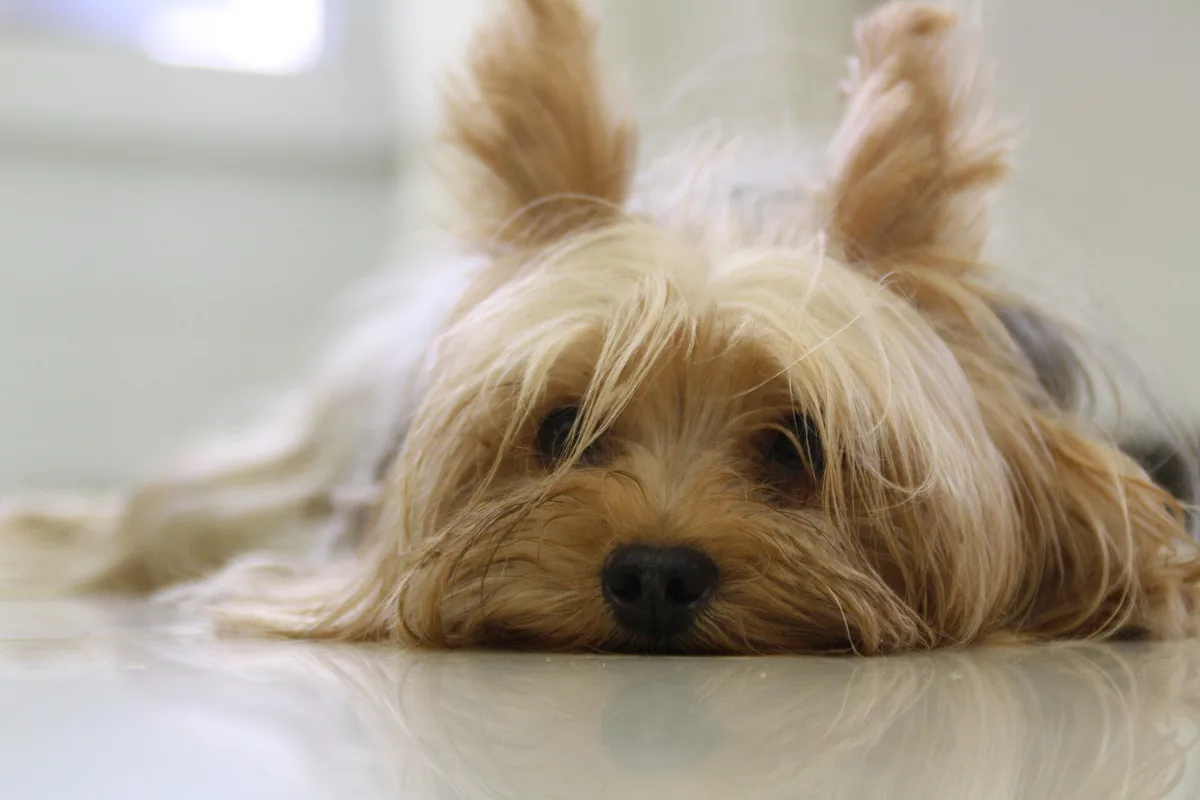
A coat is described on three separate axes: hair length, texture (smooth, wiry, curly, corded) and the presence of a dense undercoat beneath the outer coat (“double coat”). Classifications into “types” often mix the axes; that is why the atlas does not publish a table of breeds by coat type.
The FCI Poodle standard says only that the breed was originally used for hunting waterfowl; the “functional” explanations of the curly coat that circulate have no source.
On grooming
Regular brushing, more often for double coats, and not clipping the outer coat in double-coated breeds are common general recommendations in the grooming literature. The atlas does not present them as absolute rules for all breeds and does not replace the advice of a veterinarian or a groomer for a particular dog.