Is it harmful for the dog?
No, if the rules are followed: correct harness, progressive weights, warm-up and zero forcing. It becomes harmful when someone skips stages or pushes a dog past its limits.

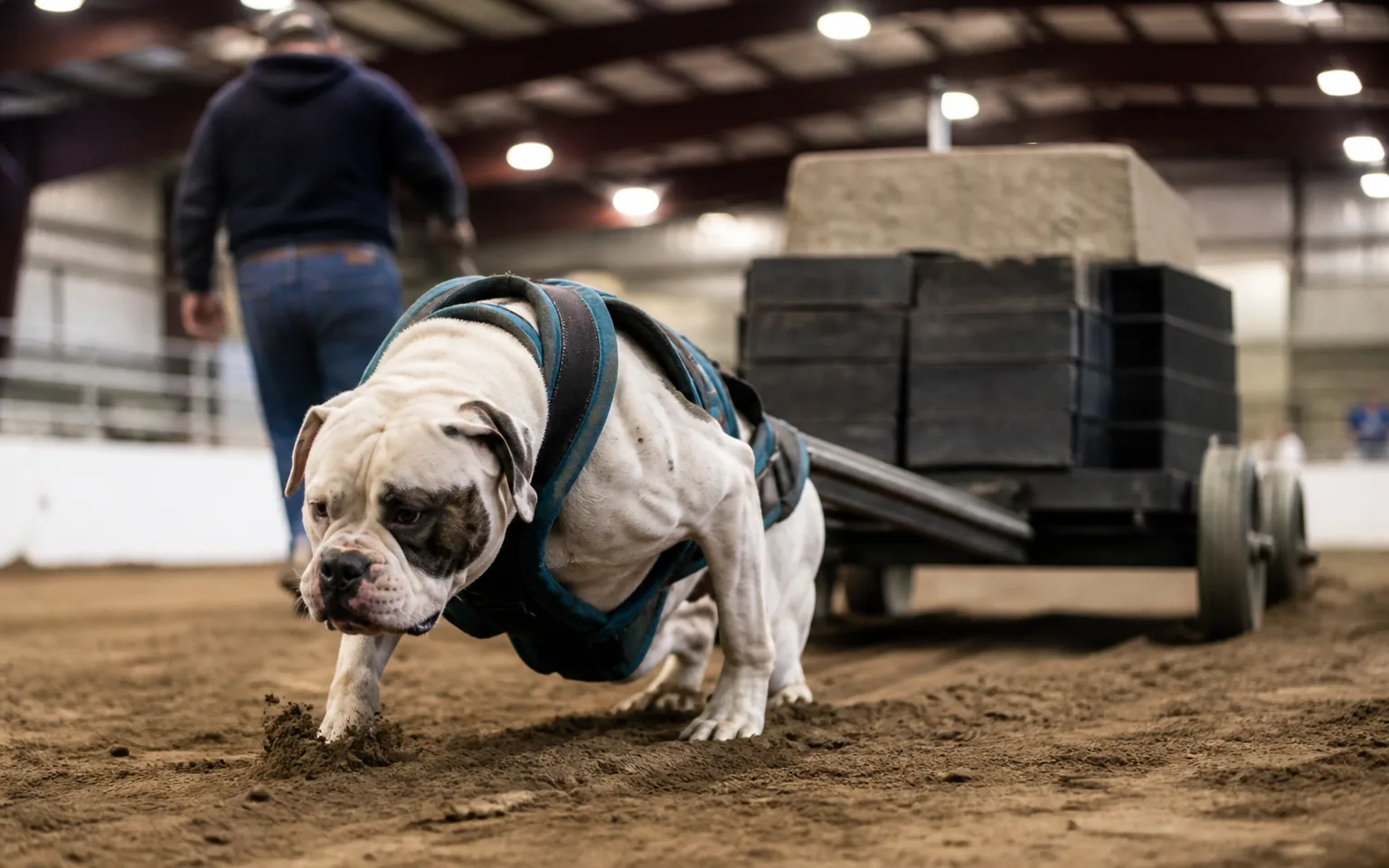
Strength and pulling
The dog pulls a loaded sled a few metres in a specialised harness. A pure strength sport, with weight categories and safety rules stricter than in any other discipline on this list.
About the discipline
Weight pull measures how much a dog can pull over a short distance, usually a few metres, within a time limit. The load increases round by round, until elimination.
Competition is by body weight category, and performance is measured against the dog's own weight - a small dog pulling ten times its mass beats a large one pulling five.
Safety rules are essential: a specially designed harness that spreads the force over chest and shoulders, a suitable surface, a compulsory warm-up and an absolute ban on forcing the dog by lead or harsh commands.
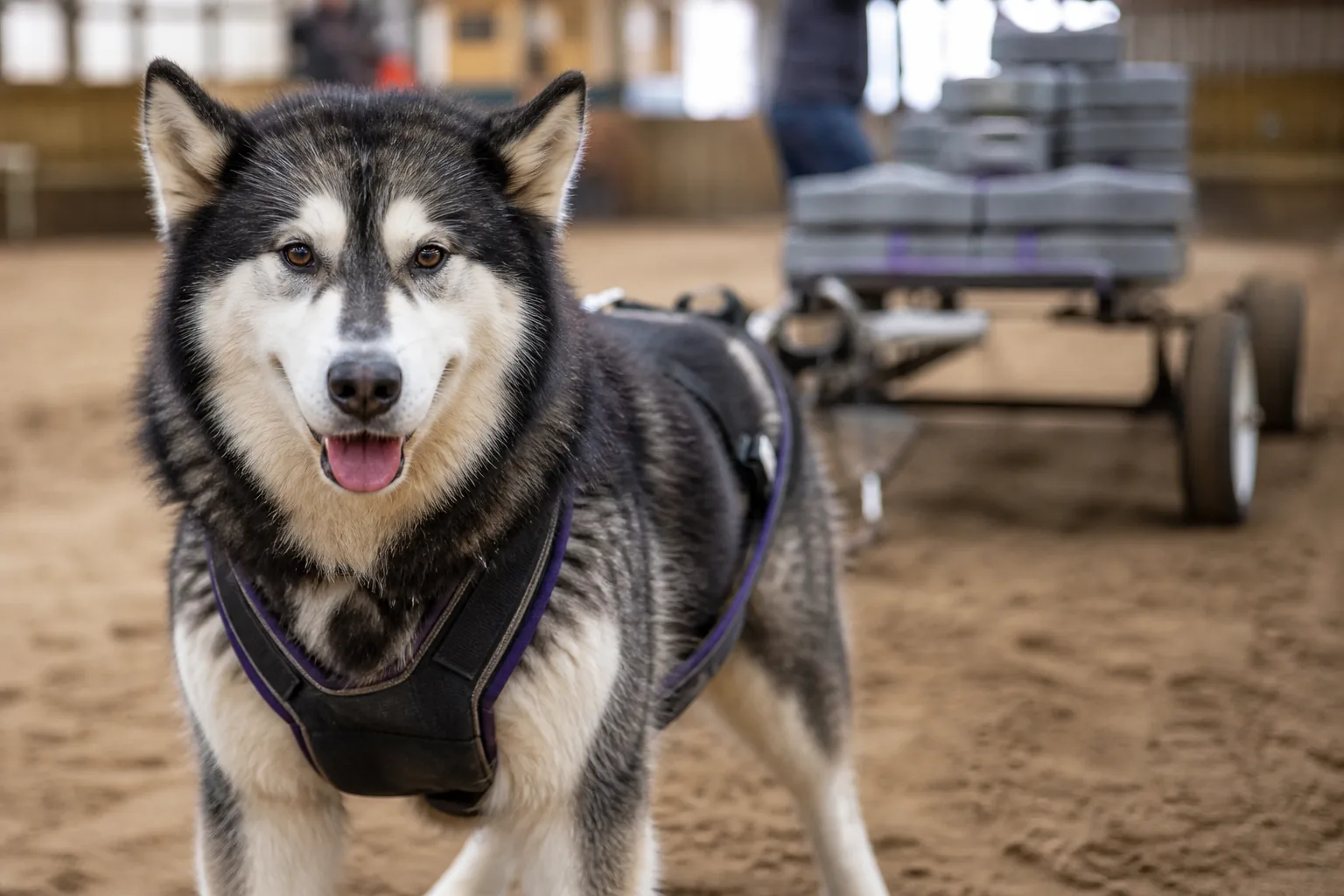
How it works in practice
A dog is not pushed, not pulled by the lead and not forced. It must pull because it wants to, otherwise the trial is pointless and becomes risky.
Never practised with growing dogs or those with joint problems. A prior radiographic examination is a reasonable precaution.
Frequently asked questions
No, if the rules are followed: correct harness, progressive weights, warm-up and zero forcing. It becomes harmful when someone skips stages or pushes a dog past its limits.
A dedicated weight pull harness, with a rigid spreader that keeps the straps clear of the hind legs. A canicross or walking harness is unsuitable and can injure.
Not necessarily. Competition is by weight category, and rankings compare the load pulled to body mass, which often favours small, compact dogs.
From the same category
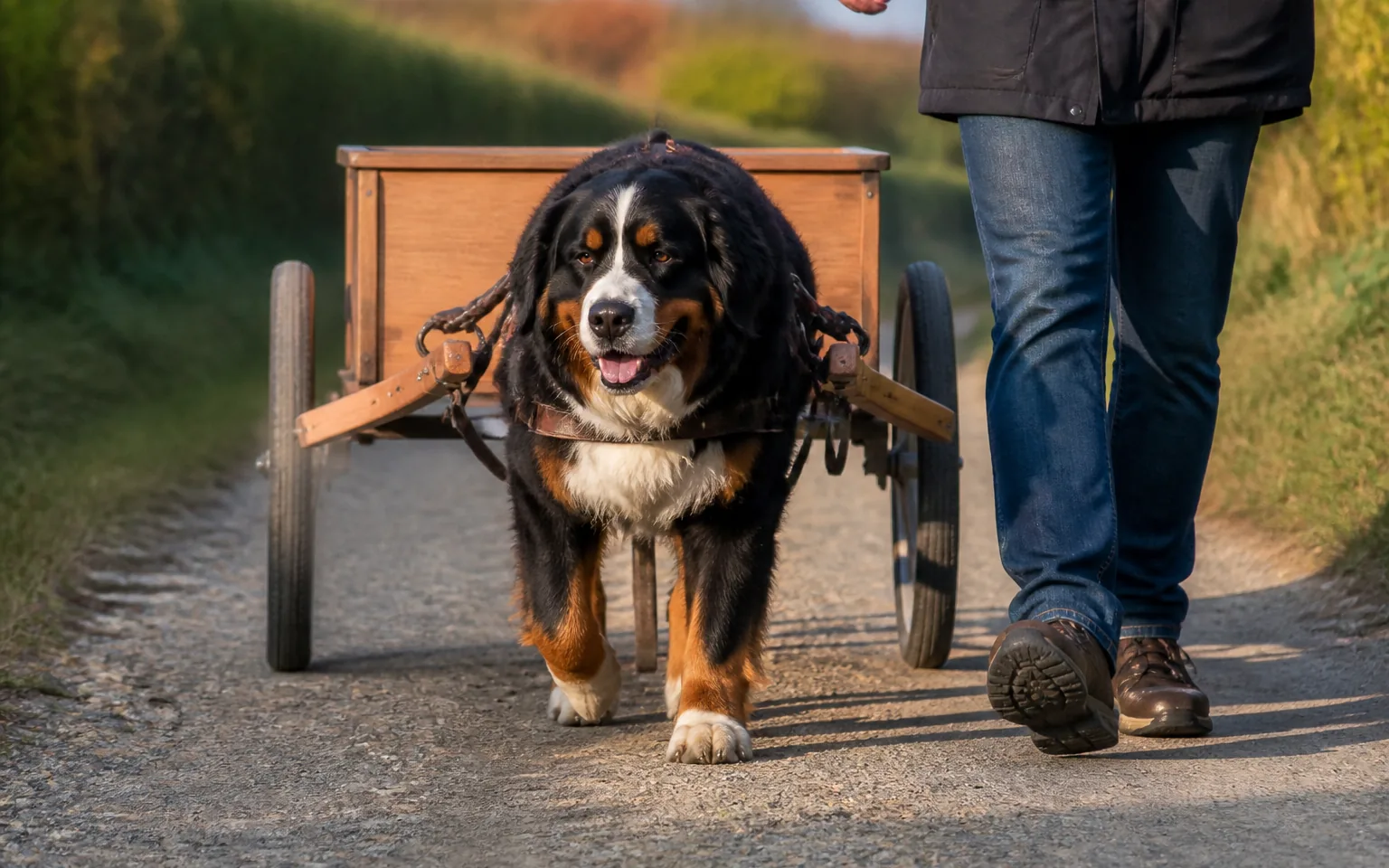
Pulling a cart.
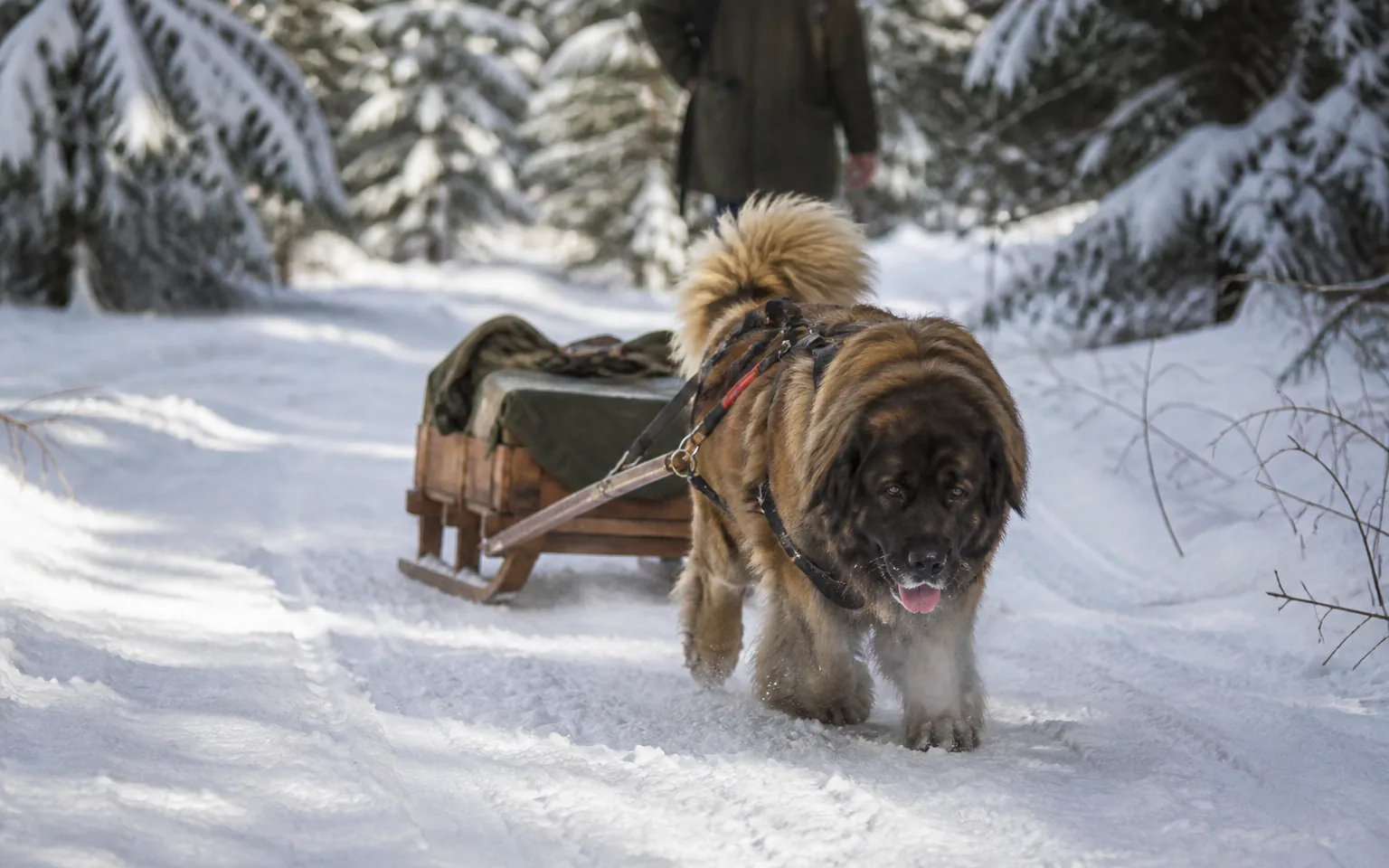
Controlled transport of a load.
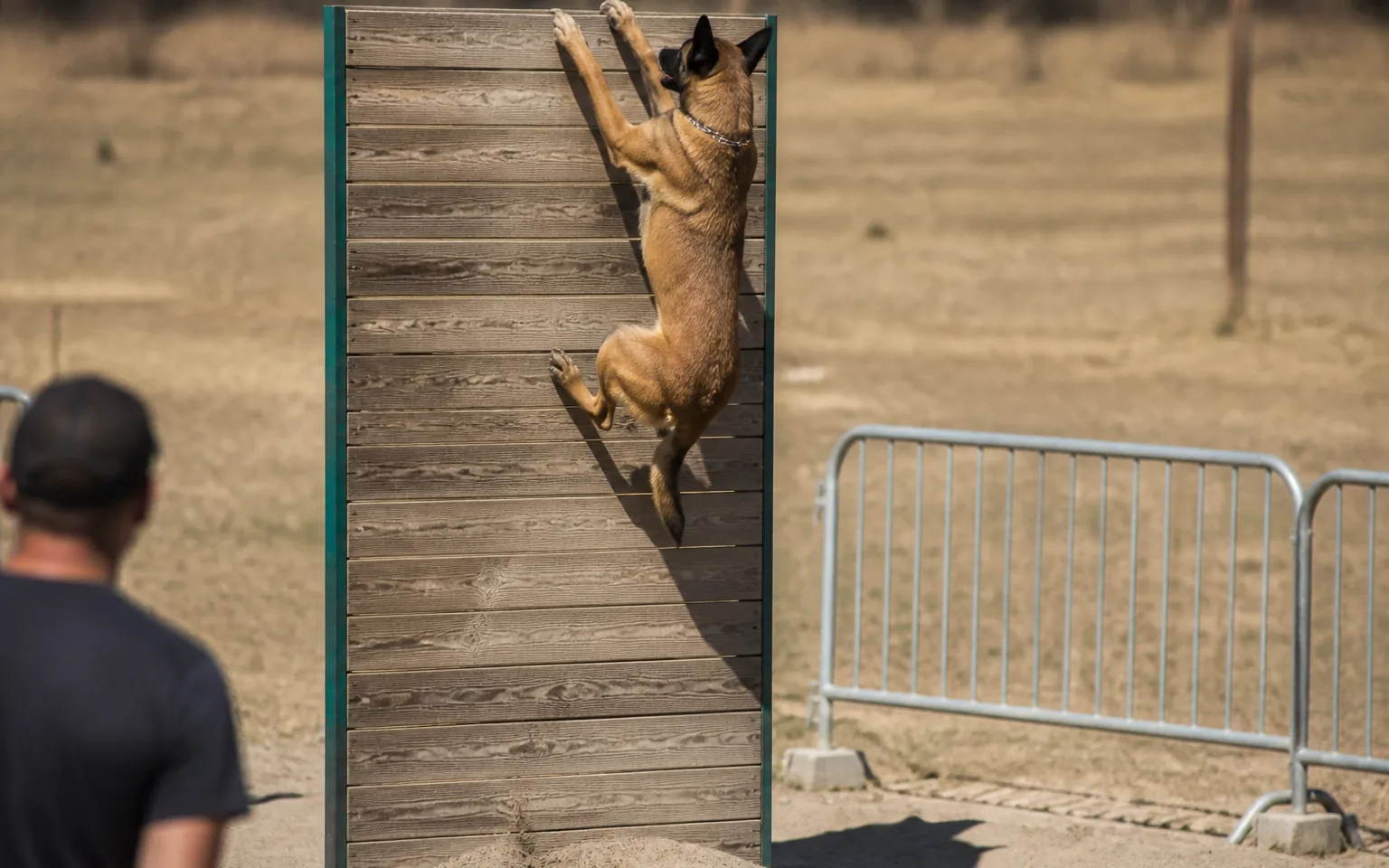
Climbing a vertical wall, seen at some competitions.
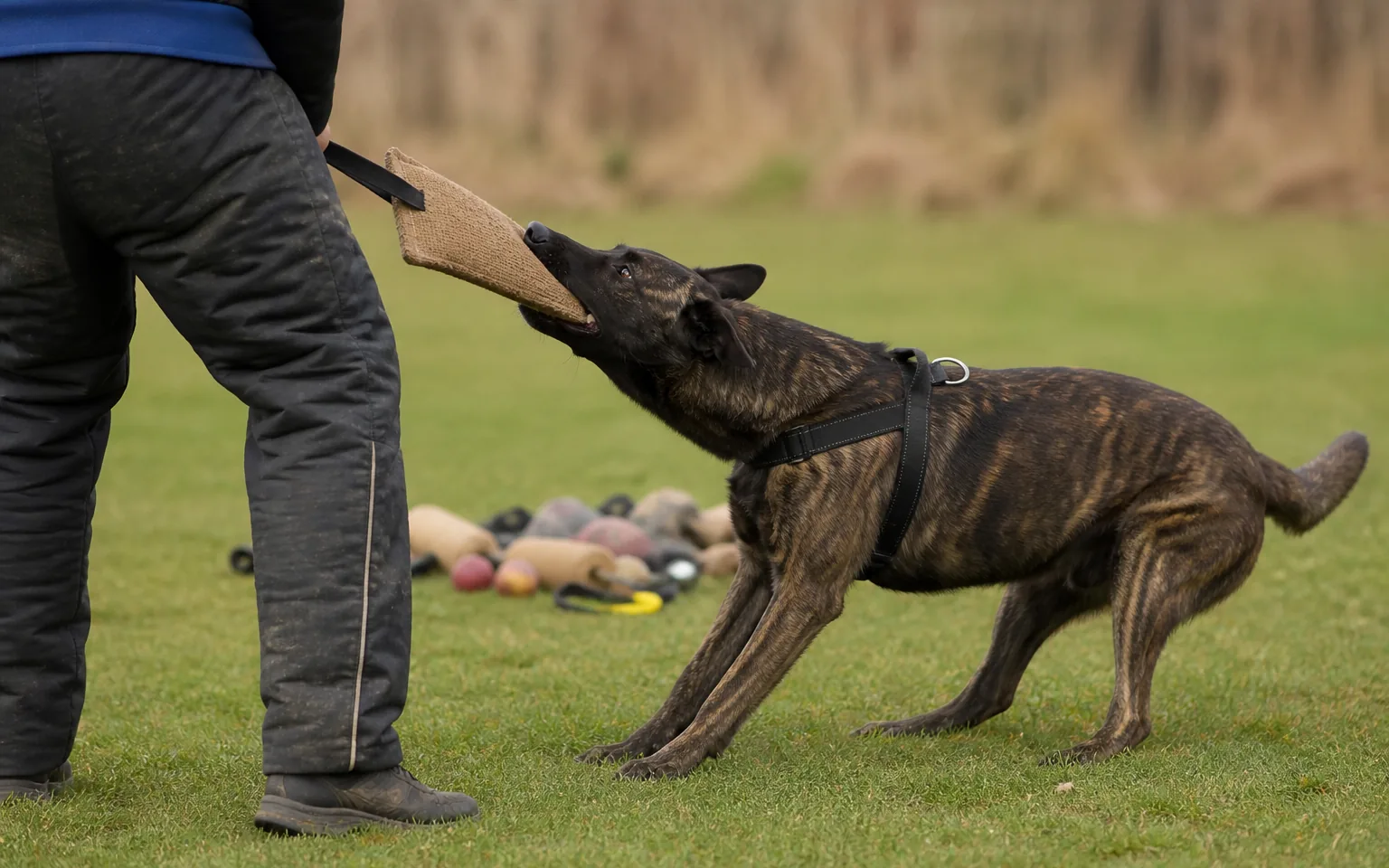
Controlled pulling contests at certain sporting events.

This page is informational. We work in mantrailing, search and rescue and preparation for the TSAC and BH exams - but if you want an honest opinion on what would suit your dog, write to us anytime.