Is it dangerous?
It can be, without conditioning and a proper landing area. With a warm-up, gradual progression and the right surface, the risk drops considerably.

Strength and pulling
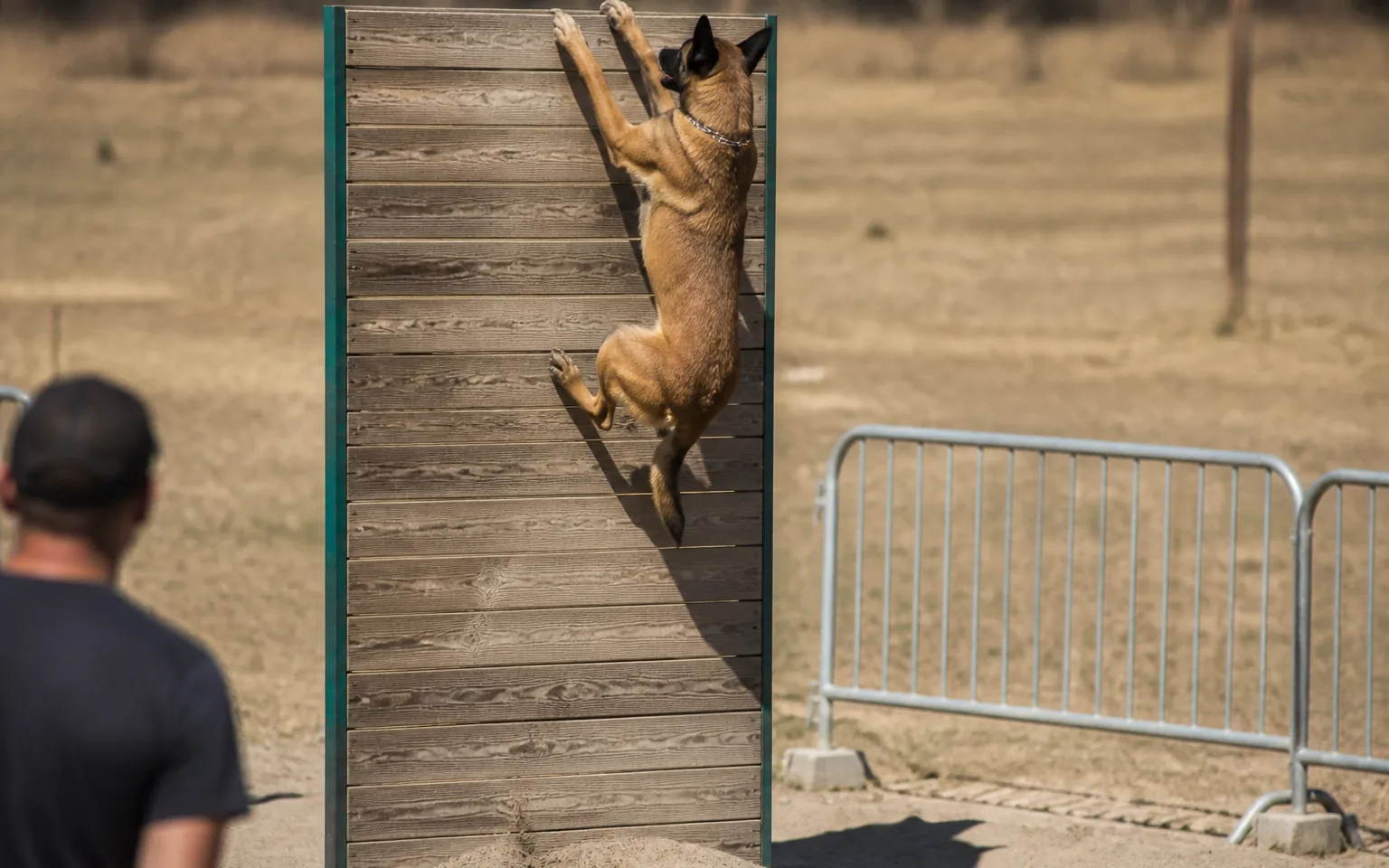
A sloping or vertical wall that grows after every successful round. The dog scales it using momentum and claws - a test of explosive strength and of nerve.
About the discipline
Wall climb appears as a separate event at strength sport competitions and at show-type events. The wall has a grippy surface and its height rises round by round.
The dog does not jump over it but climbs: it builds momentum, hits the wall with its front paws and pushes with the hind legs until it clears the top or touches a target.
It is spectacular but also one of the most physically demanding events. The landing and the impact on the shoulders call for serious conditioning and a dog in peak form.
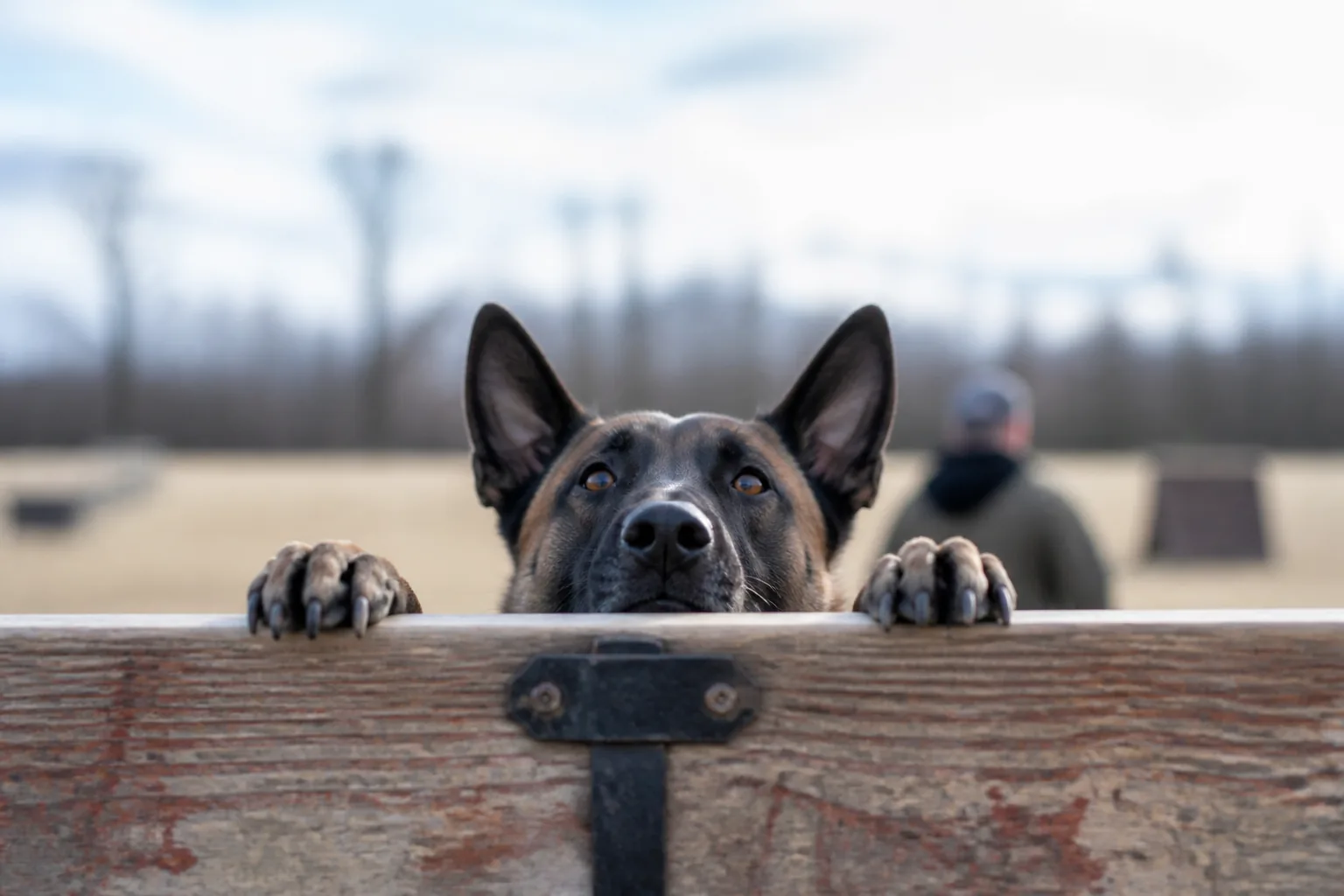
How it works in practice
It is among the most demanding events for shoulders and spine. Not practised without a full warm-up and prior medical assessment.
Frequently asked questions
It can be, without conditioning and a proper landing area. With a warm-up, gradual progression and the right surface, the risk drops considerably.
It depends on the competition and the dog's size. Athletic large dogs frequently clear two metres.
Not advisable. It requires a properly built wall with a grippy surface and a landing area - improvised versions cause injuries.
Through strength and proprioception work, not by repeating the jump. Climbing on inclined surfaces, balance exercises, hind-limb work and general cardio. The high wall is attempted rarely, as a test, never as daily training - the shoulder load is too great.
From the same category
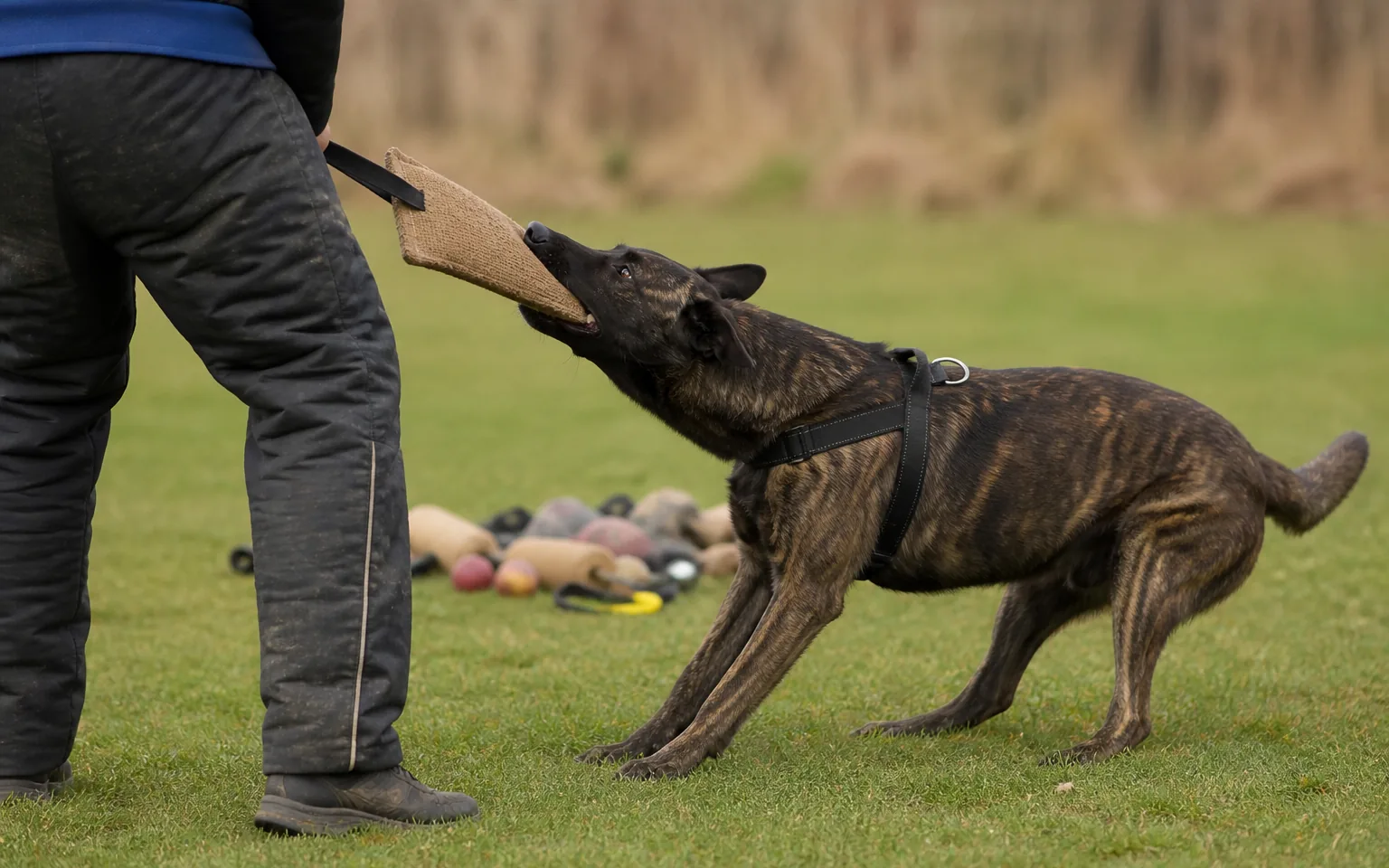
Controlled pulling contests at certain sporting events.
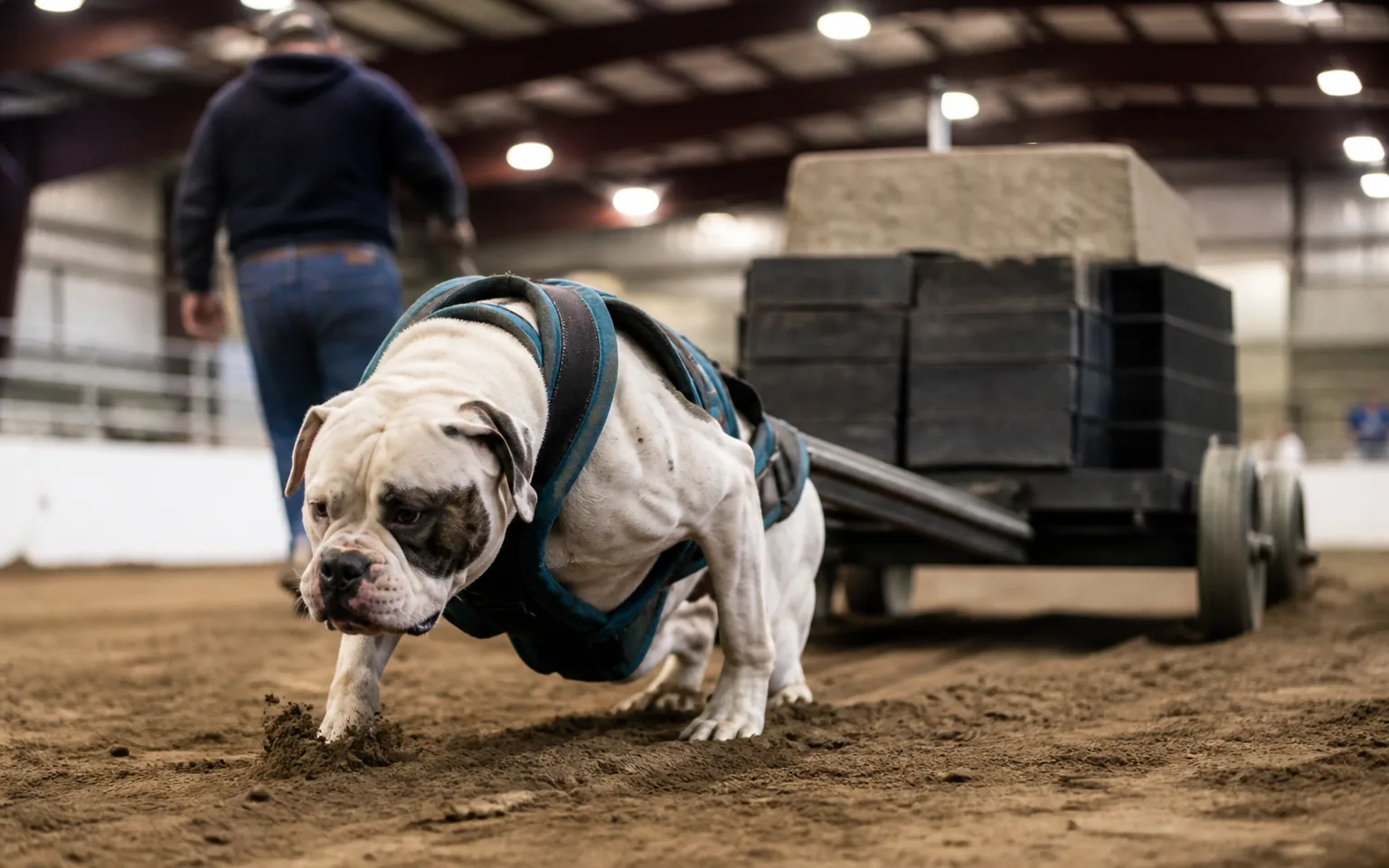
Pulling a loaded sled over a short distance.
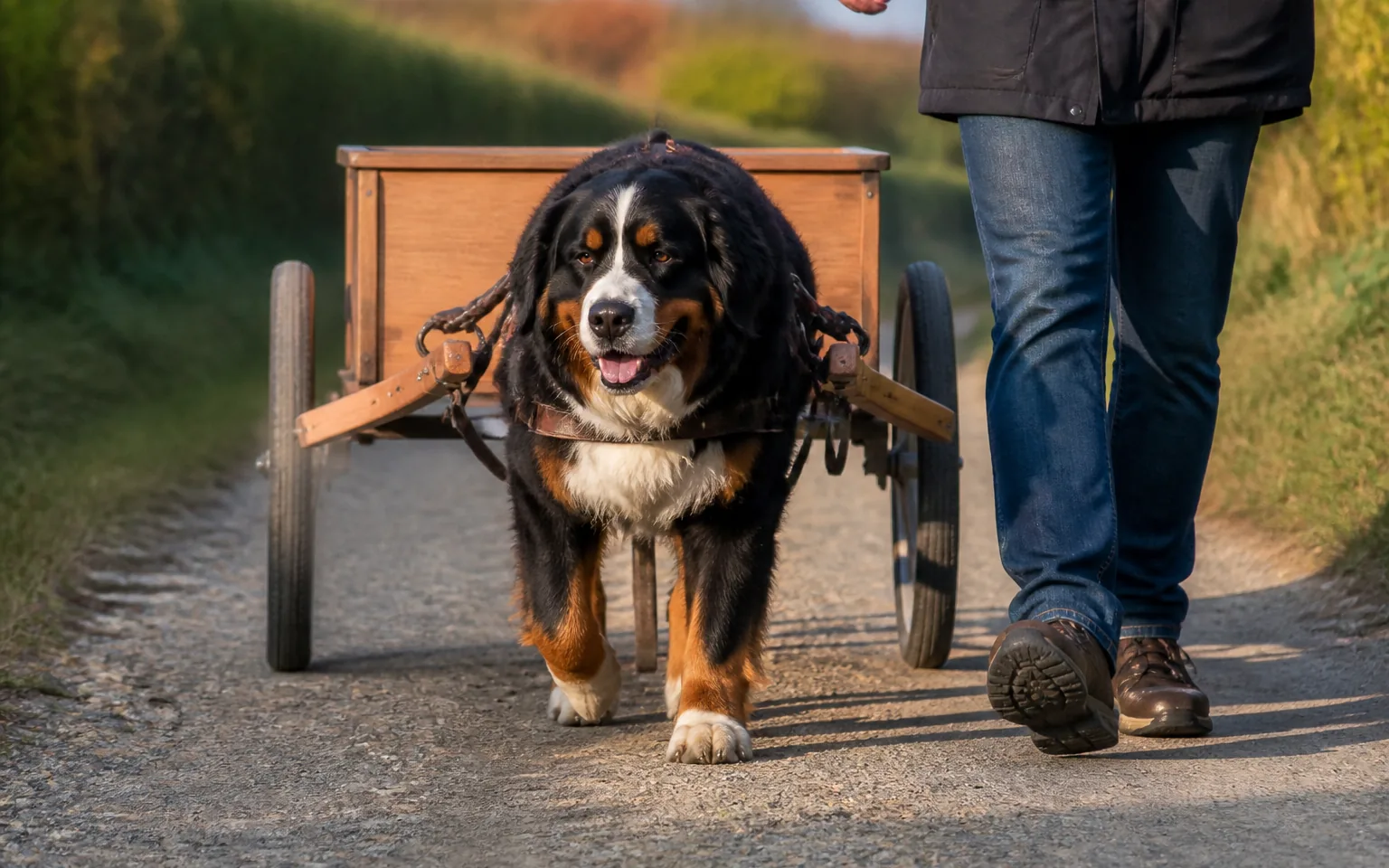
Pulling a cart.
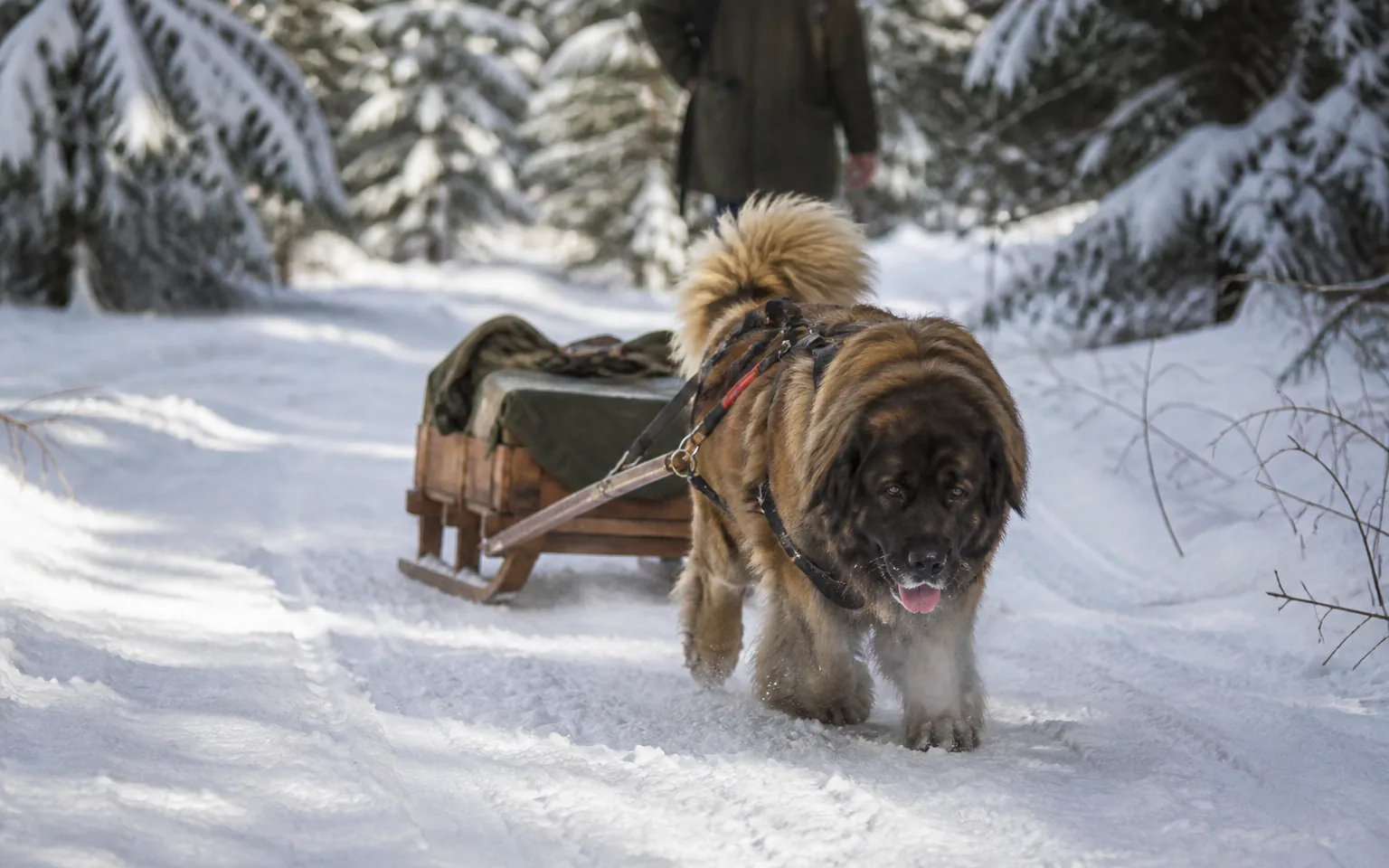
Controlled transport of a load.
This page is informational. We work in mantrailing, search and rescue and preparation for the TSAC and BH exams - but if you want an honest opinion on what would suit your dog, write to us anytime.