How does it differ from carting?
They are very close. Draft dog emphasises transporting a real load and practical usefulness, and the trials are often tied to breed clubs' working titles.

Strength and pulling
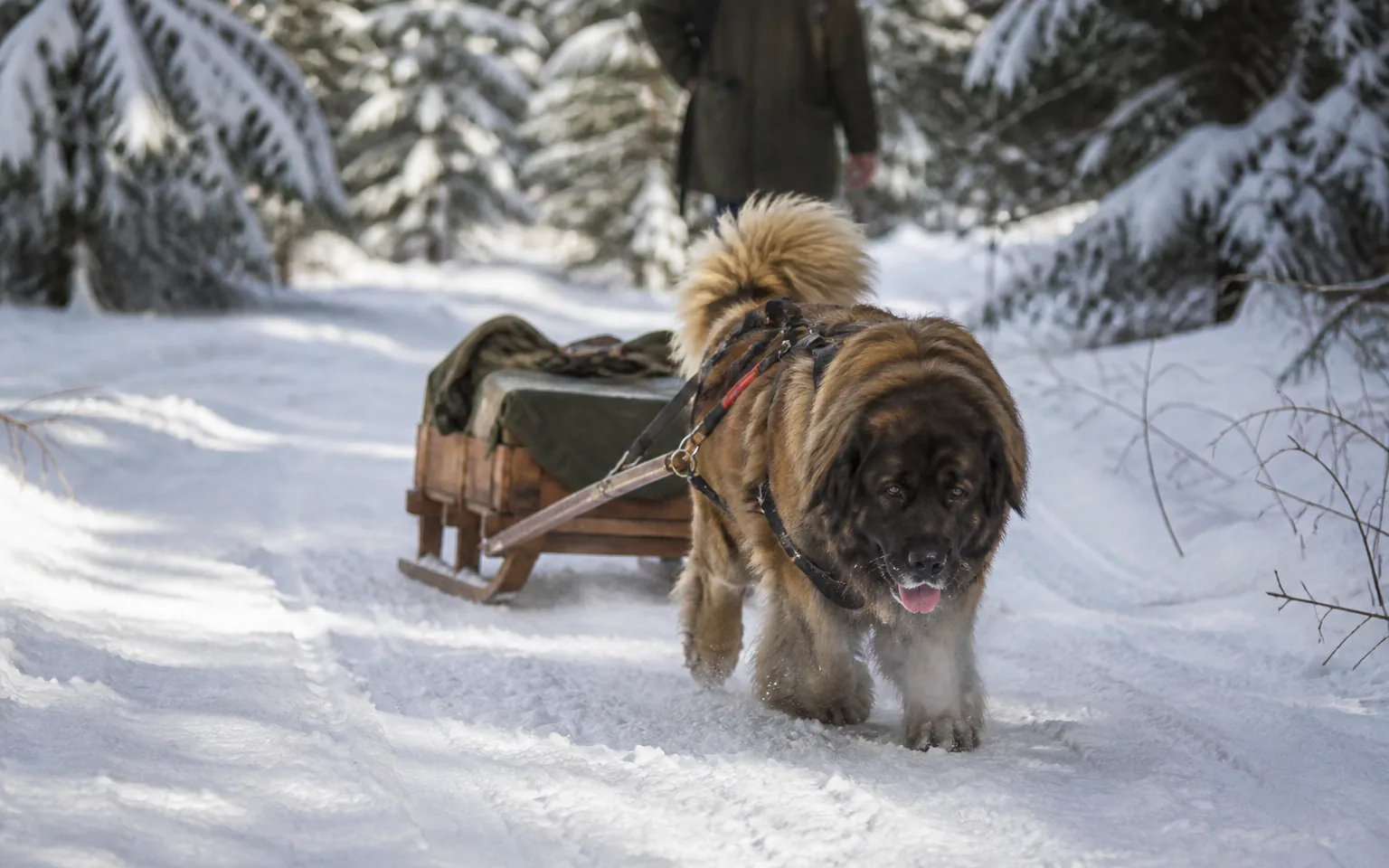
Carting's more practical relative: the dog transports a real load along a course with everyday obstacles, and breed clubs award certificates for it.
About the discipline
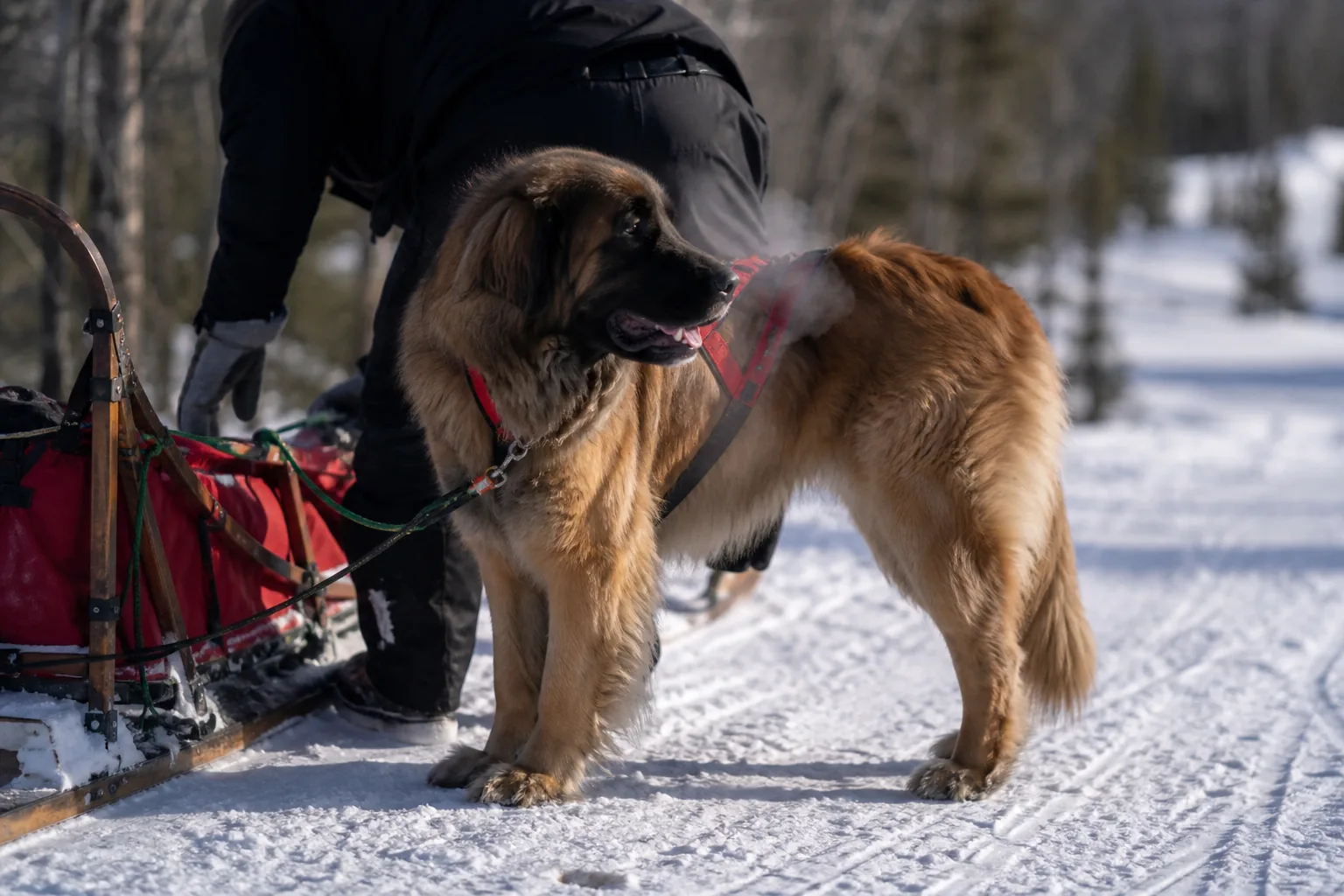
Draft dog is the name breed clubs use for hauling trials with a load. The dog must show it can do useful work, not merely pull an empty cart.
The course includes practical situations: loading and unloading, crossing uneven ground, climbing a gentle slope, manoeuvring in tight spaces and standing with the load.
Many clubs award a working title on passing, which makes the discipline a selection tool for the pulling breeds as well.
How it works in practice
Frequently asked questions
They are very close. Draft dog emphasises transporting a real load and practical usefulness, and the trials are often tied to breed clubs' working titles.
At club trials, usually not, because they are tied to breed titles. It can, however, do recreational carting without restrictions.
It depends on the rulebook and the dog's size, but it stays reasonable. This is not a maximum-strength test but controlled transport.
In very small steps. Start with the harness alone, add the empty shafts, then a few metres with no load, and only then weight. The noise behind them is what worries most dogs, so let them hear it while walking freely first.
From the same category
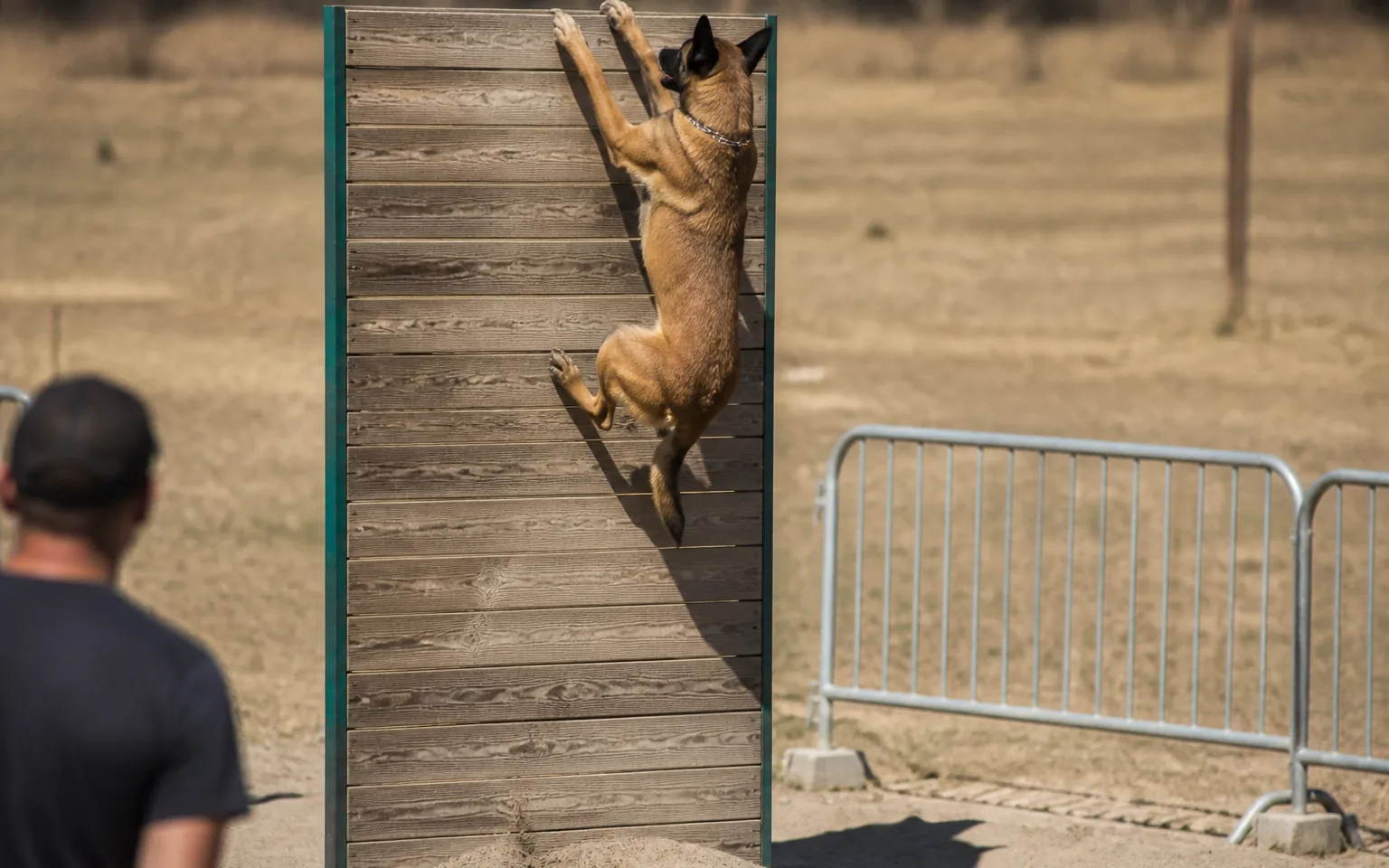
Climbing a vertical wall, seen at some competitions.
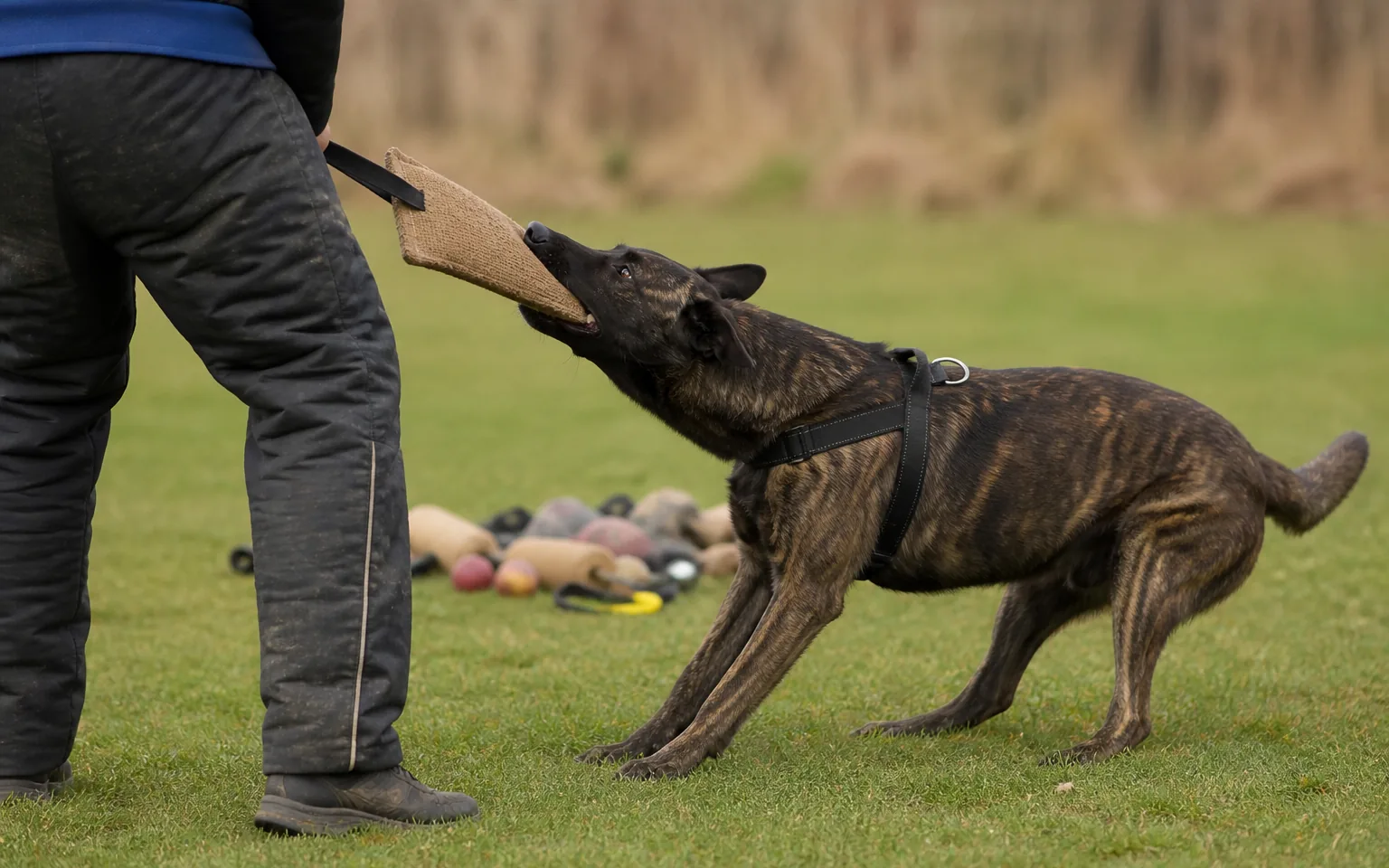
Controlled pulling contests at certain sporting events.
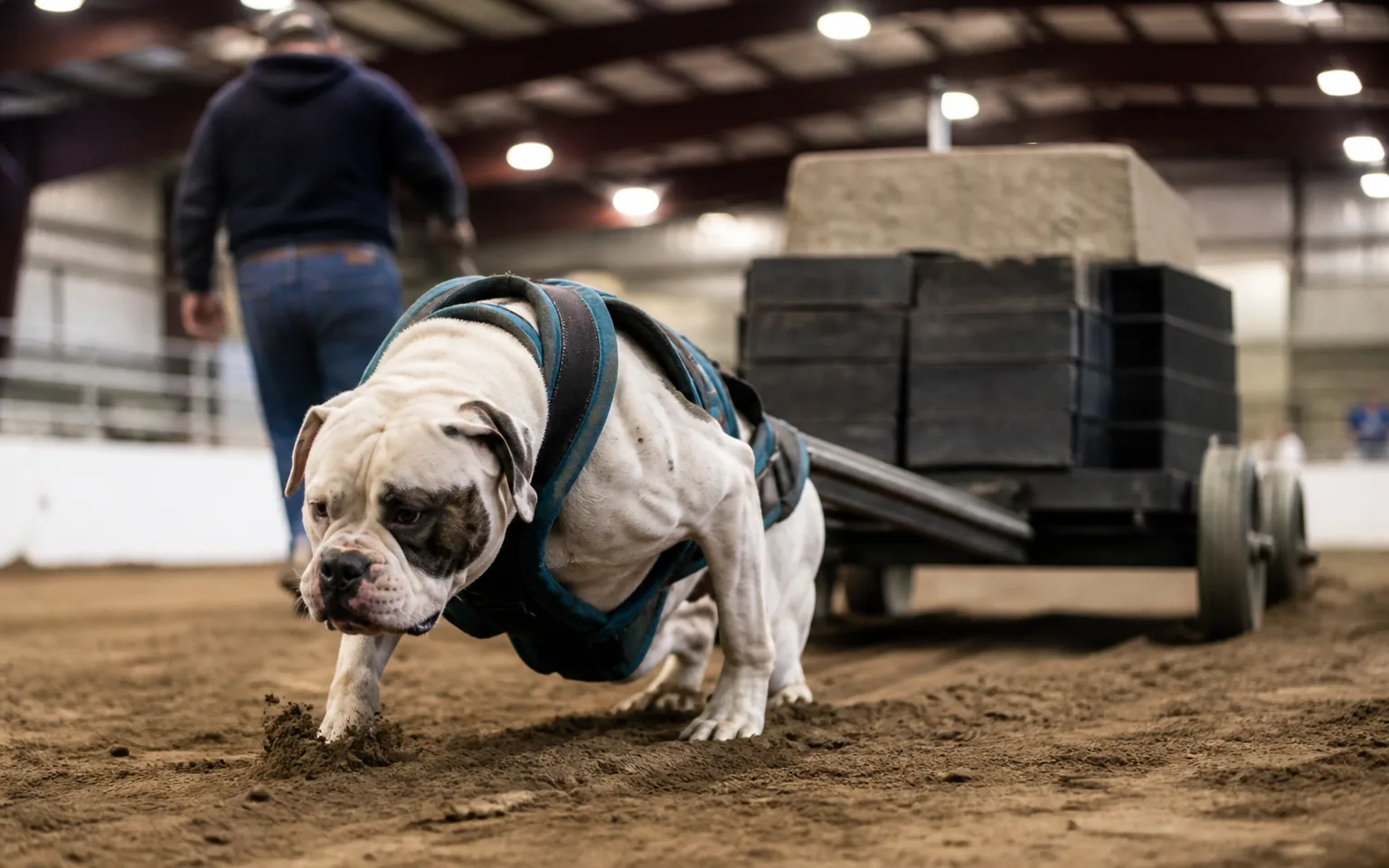
Pulling a loaded sled over a short distance.
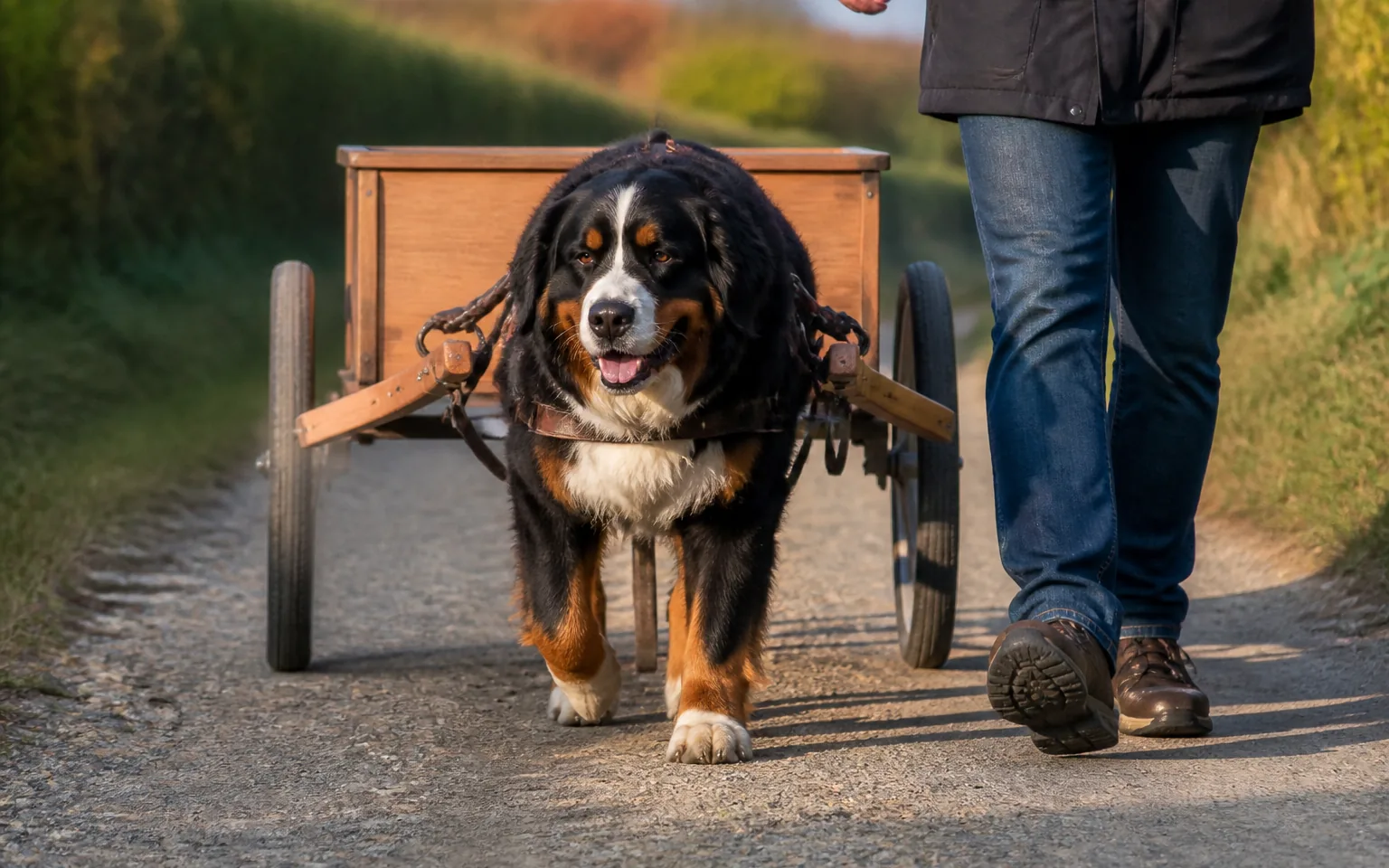
Pulling a cart.

This page is informational. We work in mantrailing, search and rescue and preparation for the TSAC and BH exams - but if you want an honest opinion on what would suit your dog, write to us anytime.