How does it differ from water rescue?
Water rescue involves saving and towing a person. Water work stays with retrieving, towing objects and cooperation, without the rescue component.

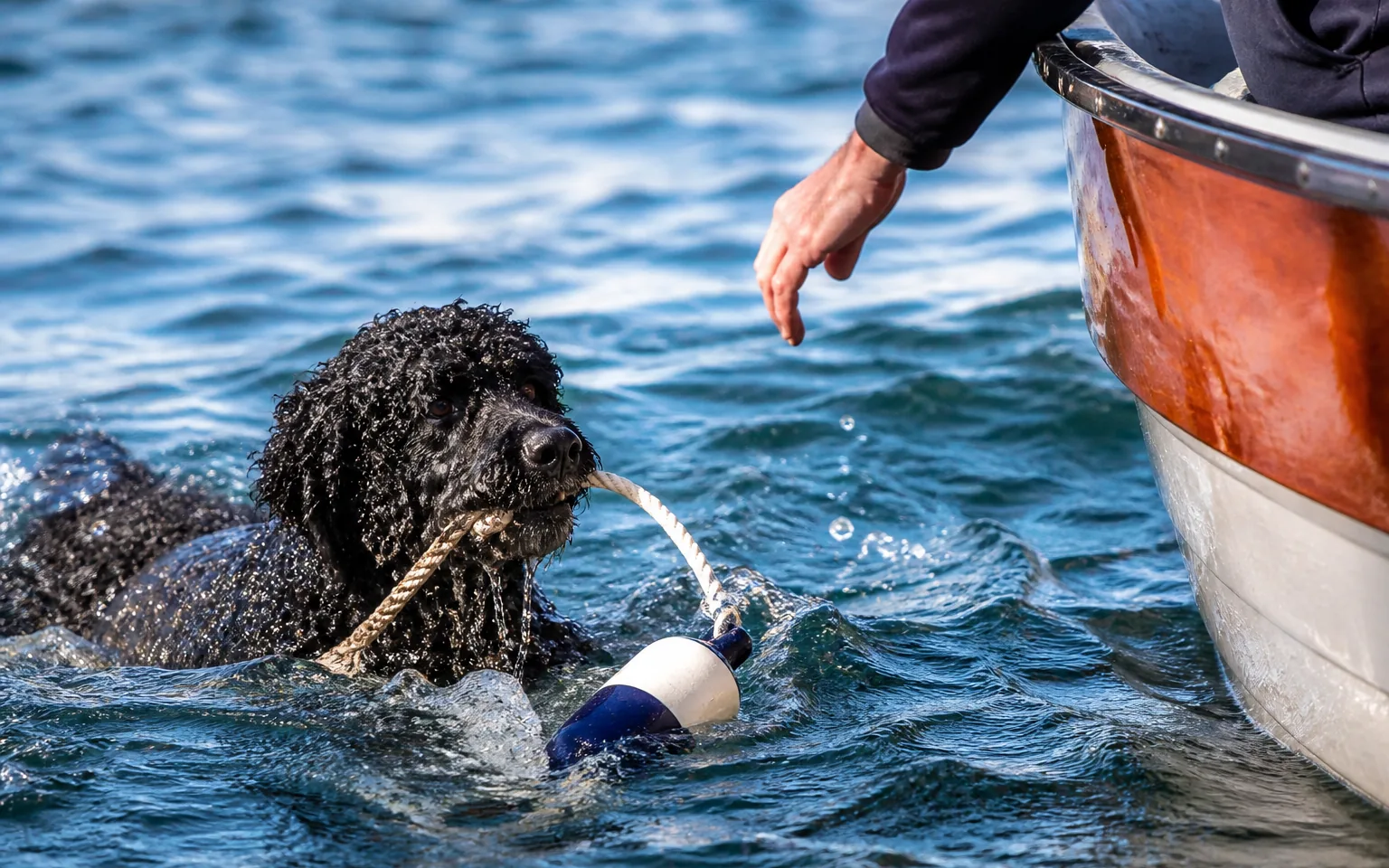
Water sports
The less dramatic relatives of water rescue: retrieving from water, towing objects, cooperation between dog and handler - working trials for breeds built to swim.
About the discipline
Water work covers the trials in water that do not involve rescuing a person: retrieving floating objects, towing a rope or a net, carrying items between boat and shore.
Many water breed clubs - Newfoundland, Portuguese water dog, Labrador - organise such trials, with progressive levels of difficulty.
It is the accessible option for anyone who wants to work in water with their dog, but without the physical demands of rescue proper.
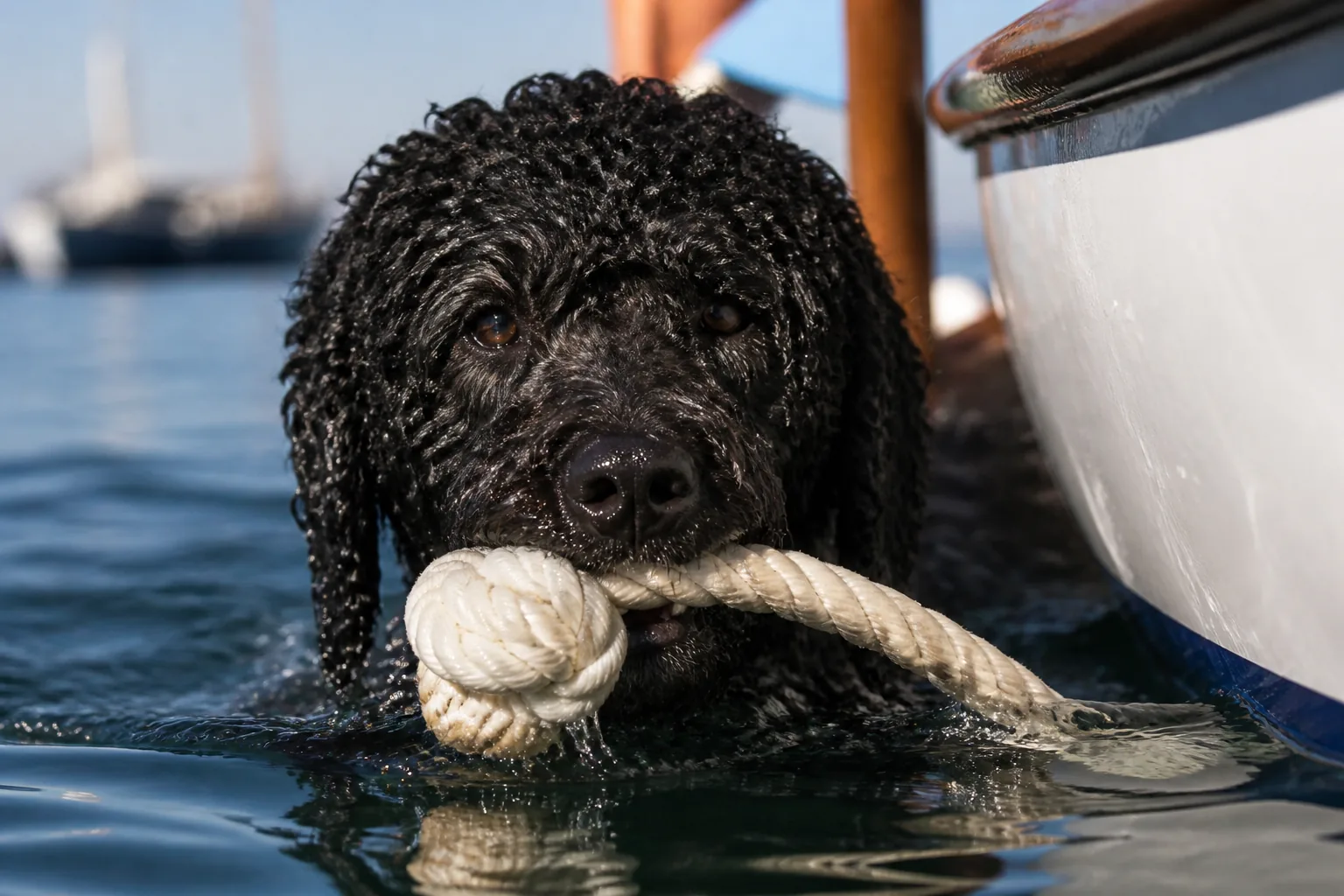
How it works in practice
Frequently asked questions
Water rescue involves saving and towing a person. Water work stays with retrieving, towing objects and cooperation, without the rescue component.
At club trials, often yes, if it enjoys water and is in good physical condition. Water breeds do have anatomical advantages that show under sustained effort.
Yes, for dogs without an insulating coat. Limit the duration, dry the dog thoroughly afterwards and avoid very cold water.
Far less than it seems. Swimming is demanding, and cold water speeds up fatigue. Work in short bouts with drying breaks between them, and stop at the first sign of slowing. A tired dog in deep water is a dangerous situation, not a motivation problem.
From the same category
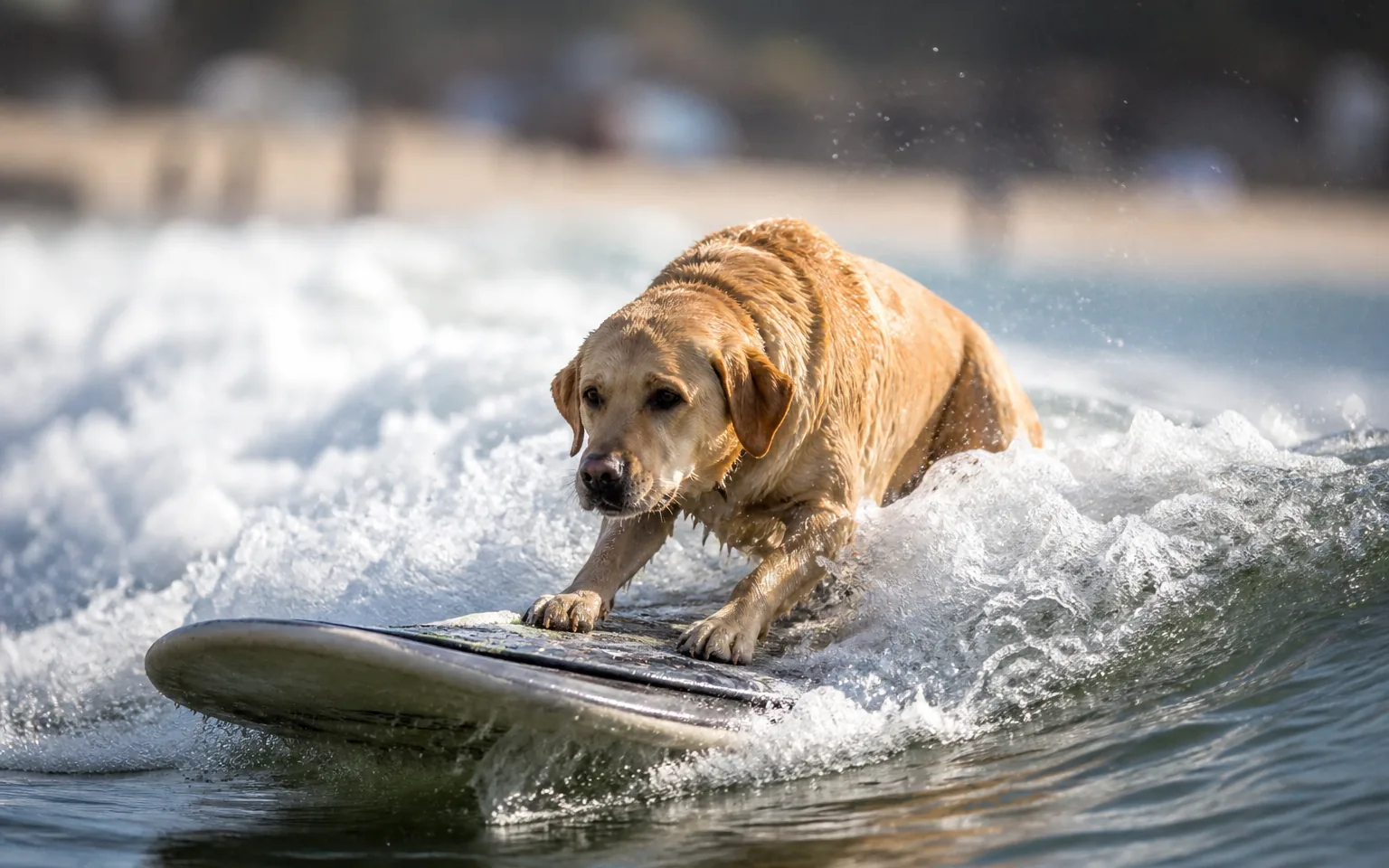
The dog keeps its balance on a surfboard.
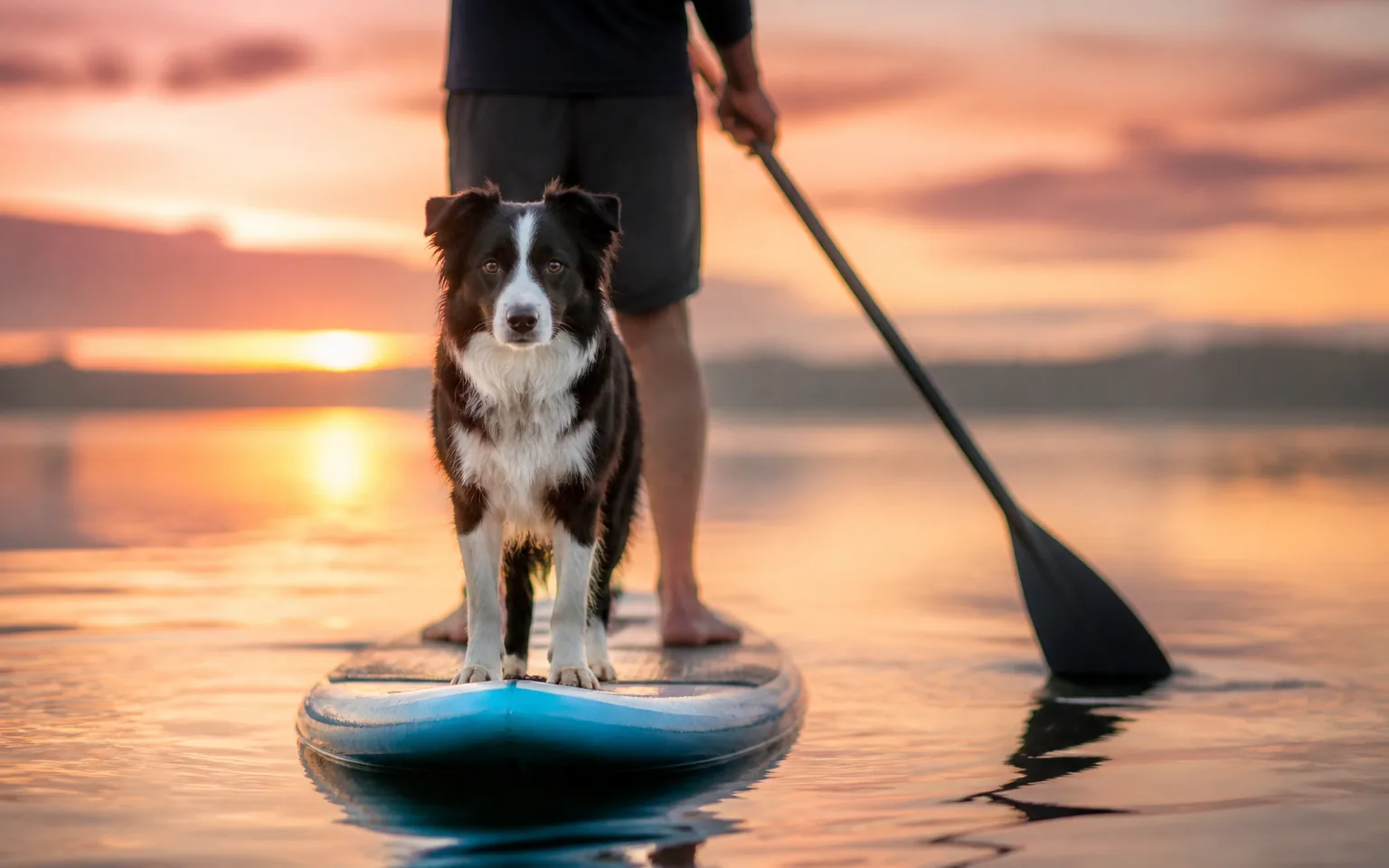
A recreational or competitive activity on a paddleboard.
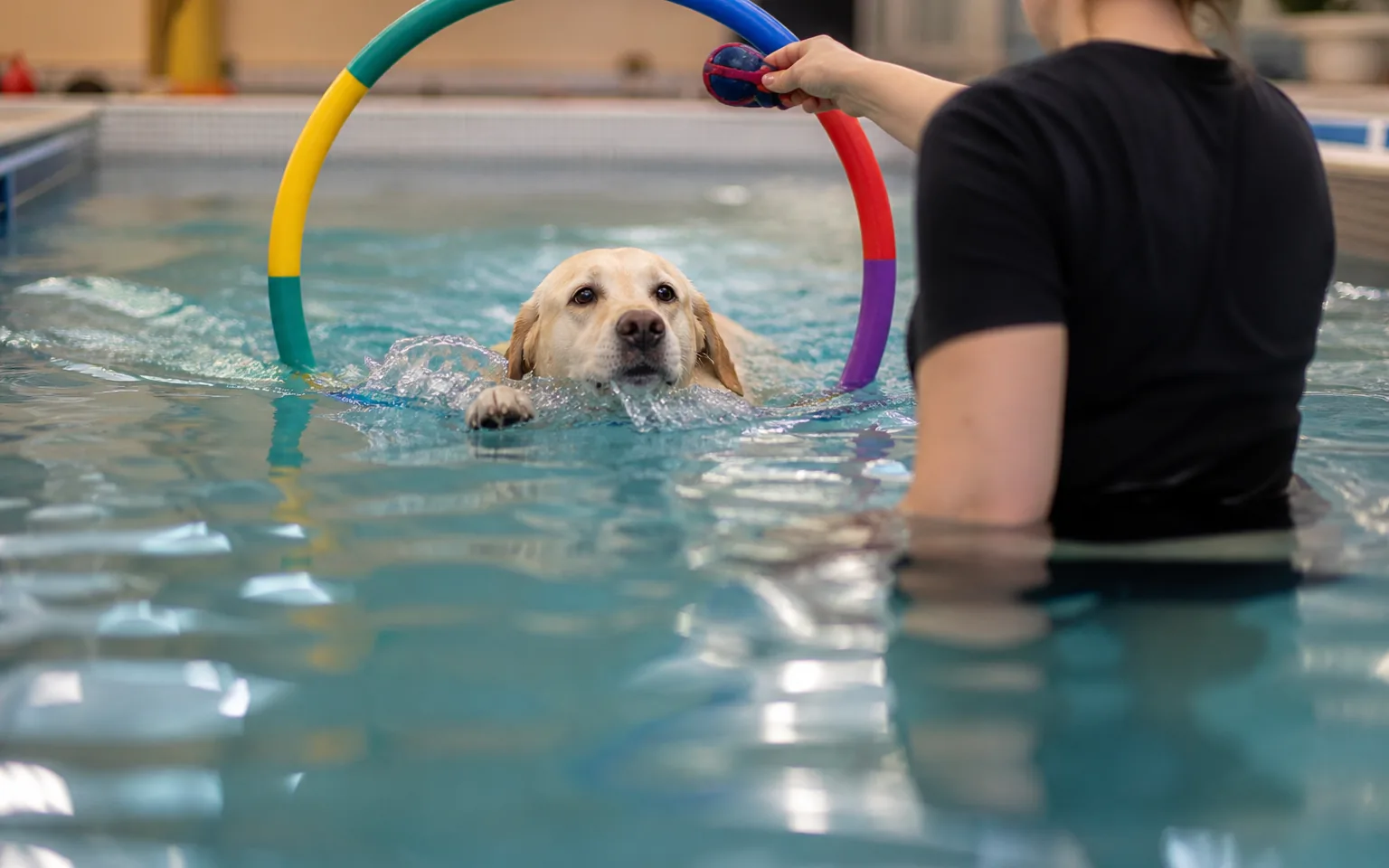
A course of hoops and floating obstacles, swum rather than run.
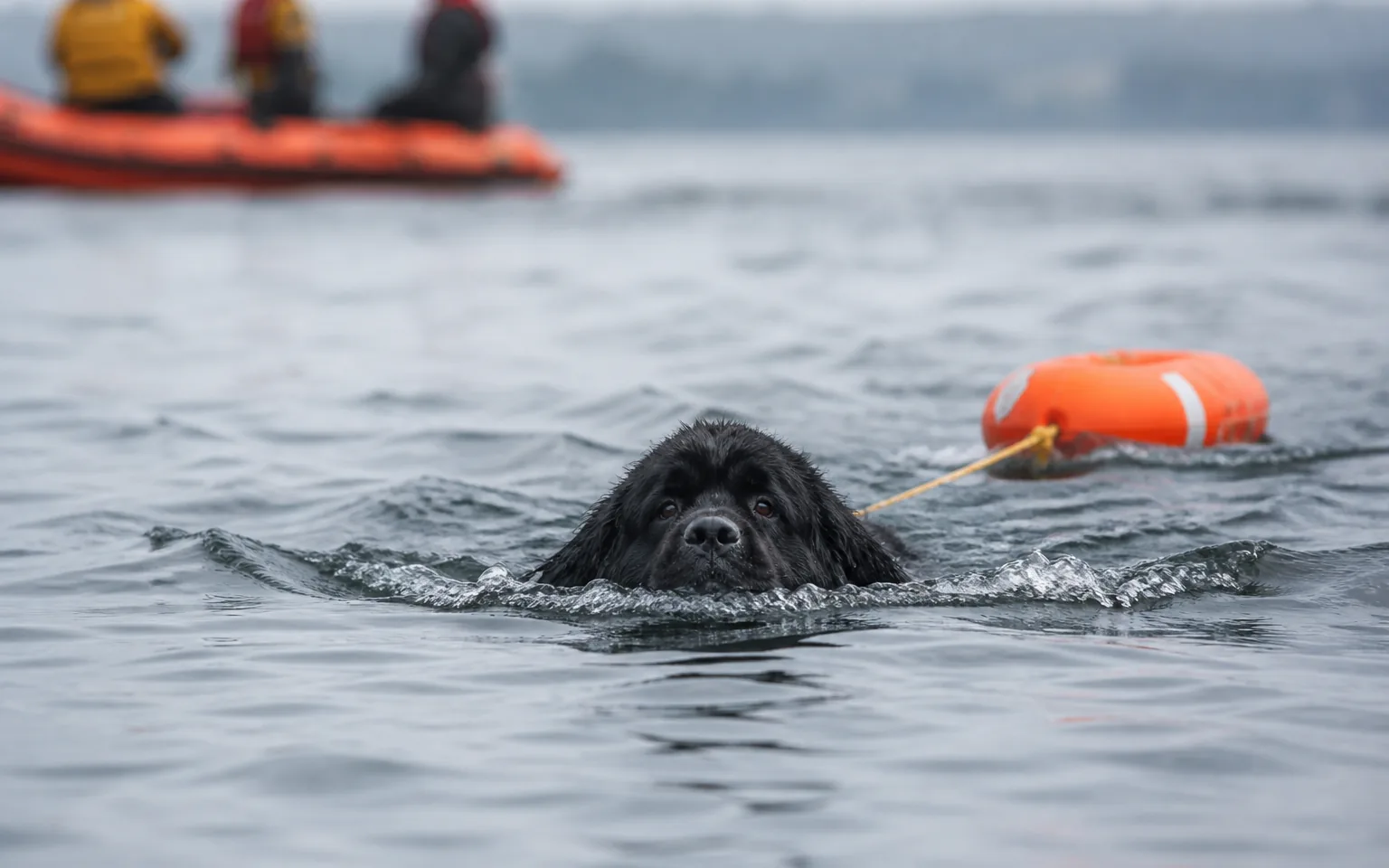
Aquatic rescue and towing of people or objects.

This page is informational. We work in mantrailing, search and rescue and preparation for the TSAC and BH exams - but if you want an honest opinion on what would suit your dog, write to us anytime.