My dog is old. Will it work?
Yes, it is one of the best activities for seniors. Many tricks are performed sitting or lying down and tax the mind, not the body.

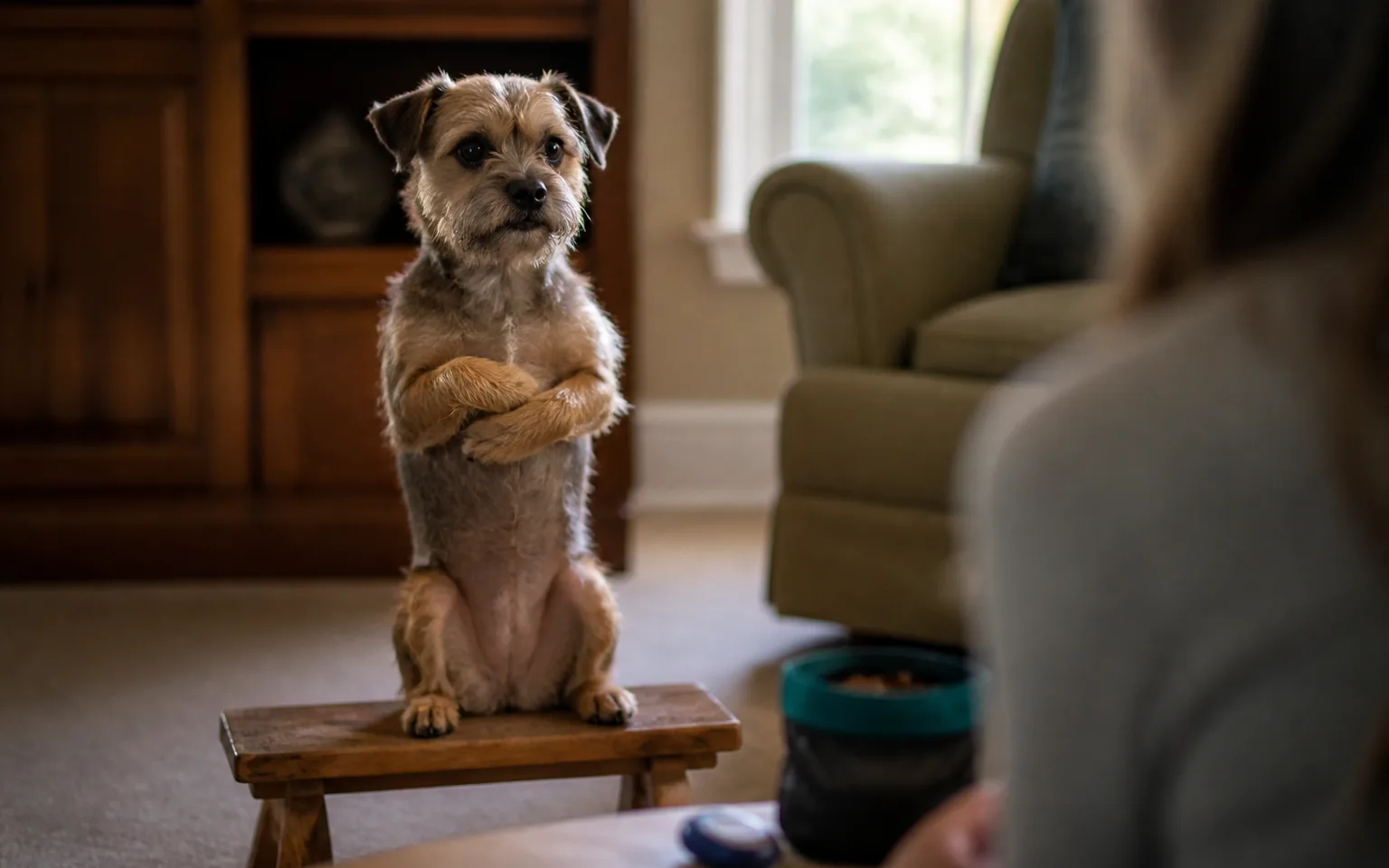
Dance and presentation
A programme of tricks organised into levels, from give a paw to complex linked sequences. It can be assessed by video, so you need neither a competition nor a club.
About the discipline
Trick dog gives structure to what many owners do anyway: teaching tricks. The difference is that here there are levels, clear criteria and titles you can earn.
You start with simple tricks - paw, spin, touch the target - and progress to complex sequences in which several behaviours are chained together.
The great advantage: many programmes accept assessment by video recording, so you can work at your own pace, at home, without the pressure of a competition.
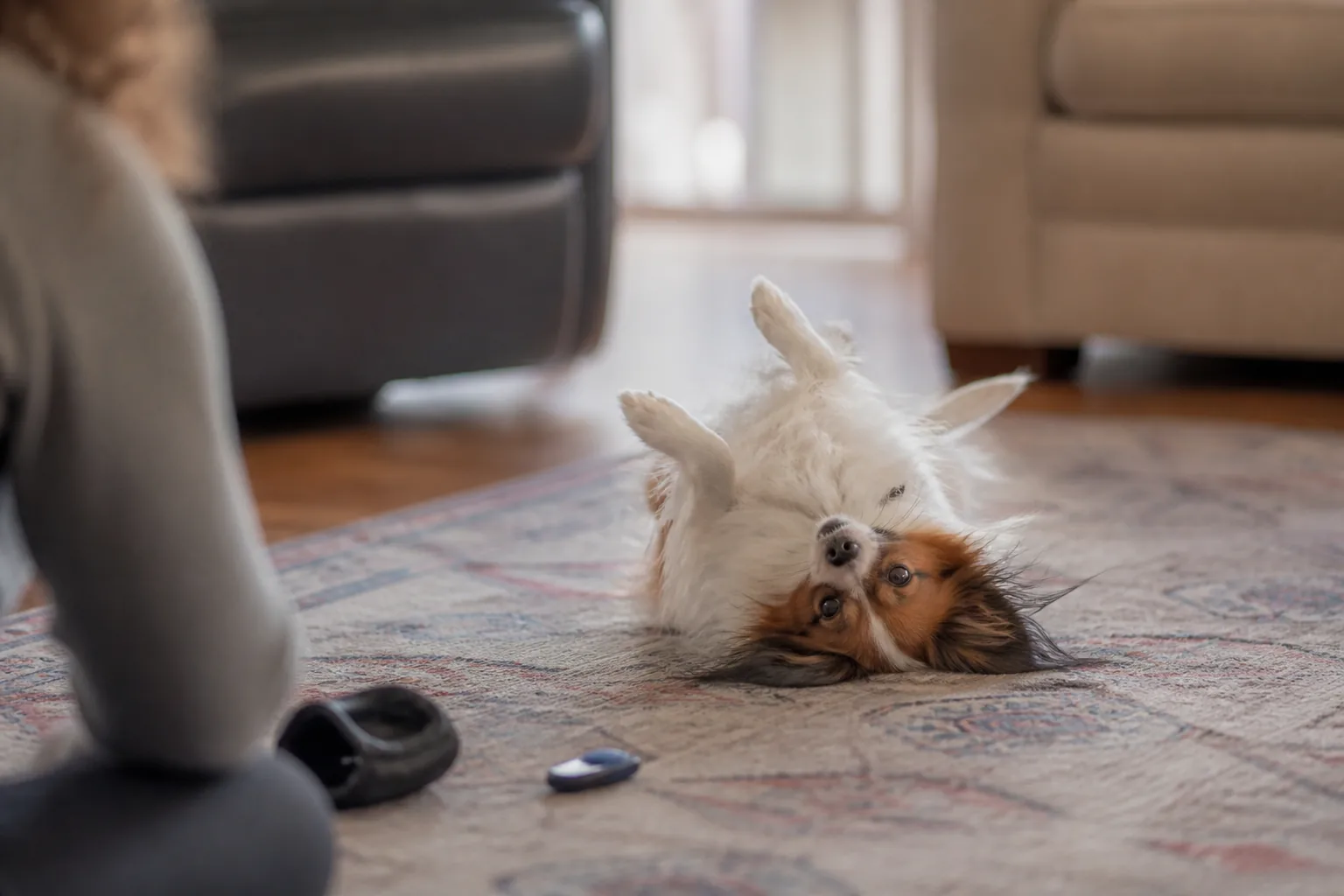
How it works in practice
Frequently asked questions
Yes, it is one of the best activities for seniors. Many tricks are performed sitting or lying down and tax the mind, not the body.
Not necessarily, but it helps. A clear marker - a clicker or a short word - makes learning visibly faster, because it pinpoints exactly what was right.
You complete the level's list of tricks and present it to an assessor, in person or by video recording, depending on the programme.
It varies by programme, but usually between ten and fifteen simple tricks, performed on the first cue. They are accessible things: paw, spin, touch the target, weave through the legs, down from standing. Most teams gather them in a few weeks of short daily work.
From the same category
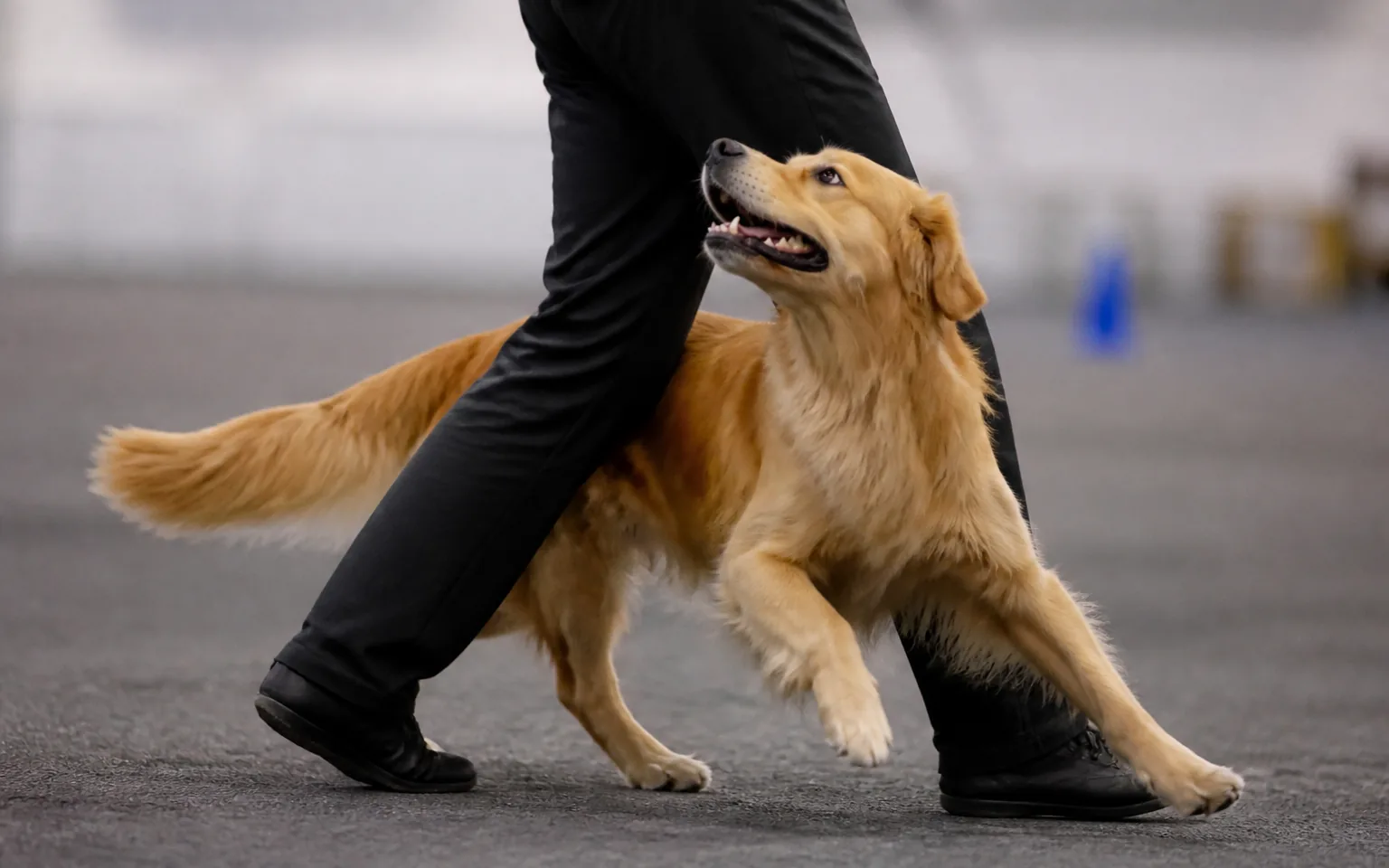
A blend of obedience, movement and creativity.
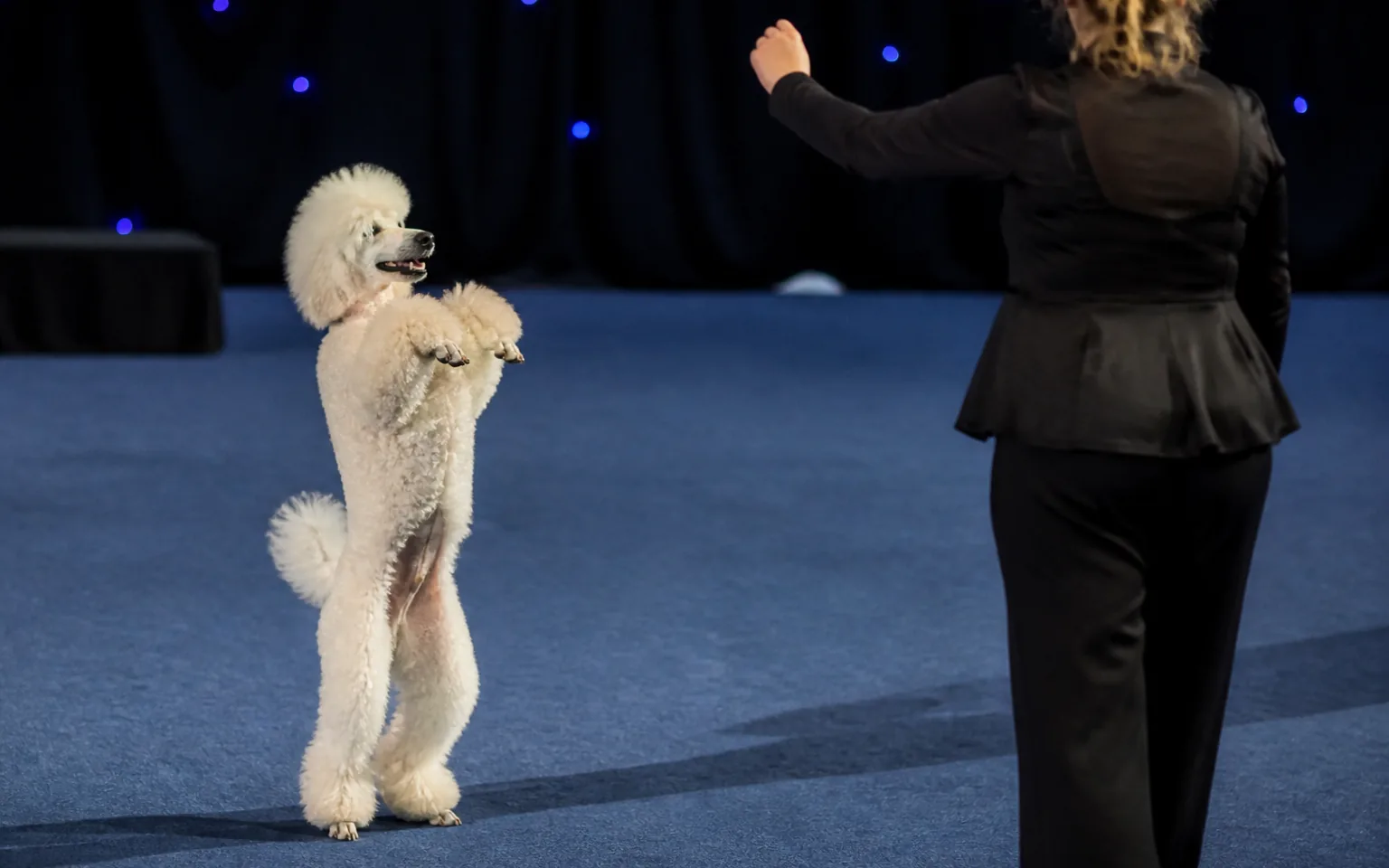
A choreographed routine set to music, with moves and tricks.
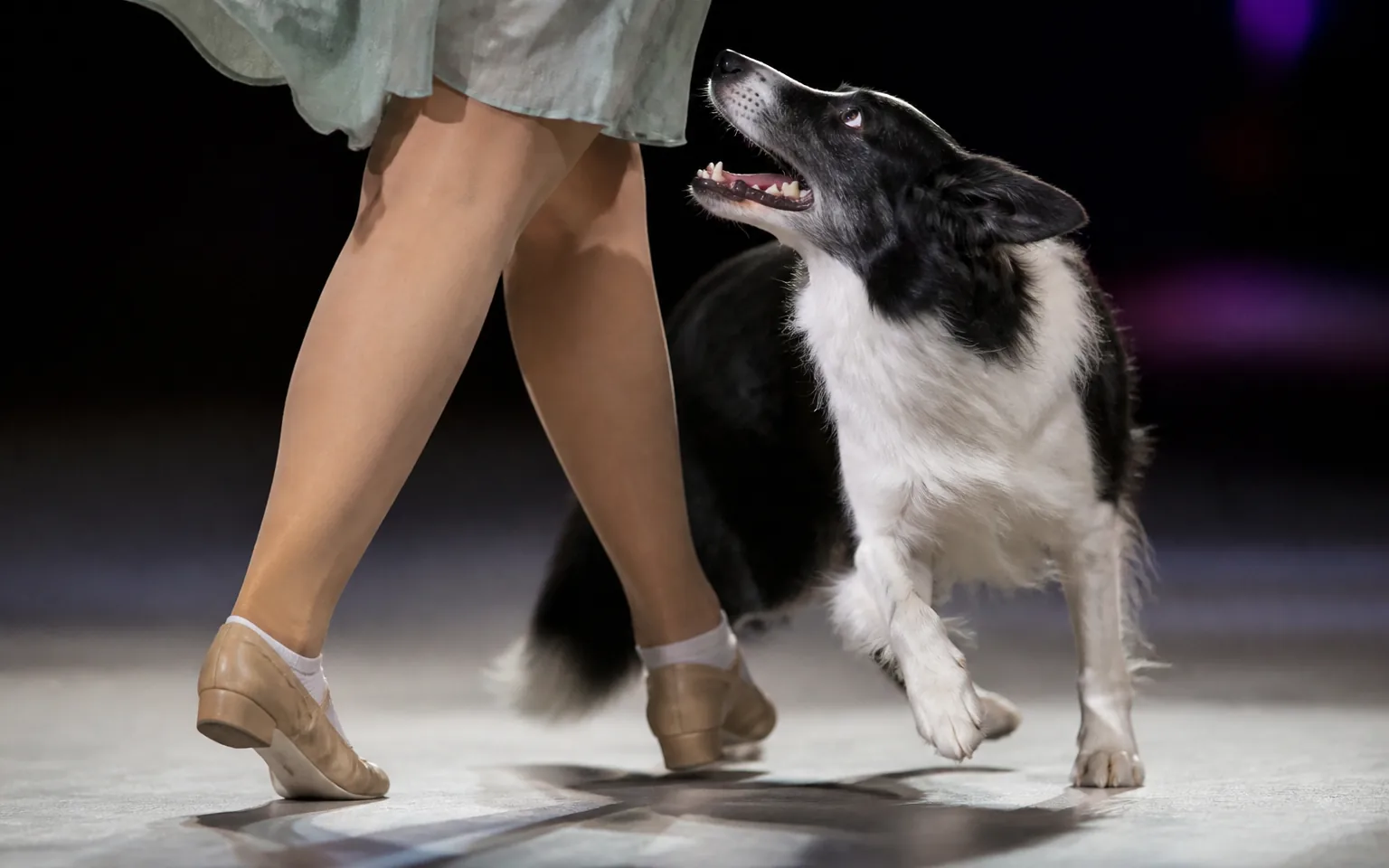
Heelwork and positions performed to music.
This page is informational. We work in mantrailing, search and rescue and preparation for the TSAC and BH exams - but if you want an honest opinion on what would suit your dog, write to us anytime.