Do I need to know how to dance?
No. Coordination and a sense of rhythm matter, not dance technique. Many successful routines are built from simple movements executed impeccably.

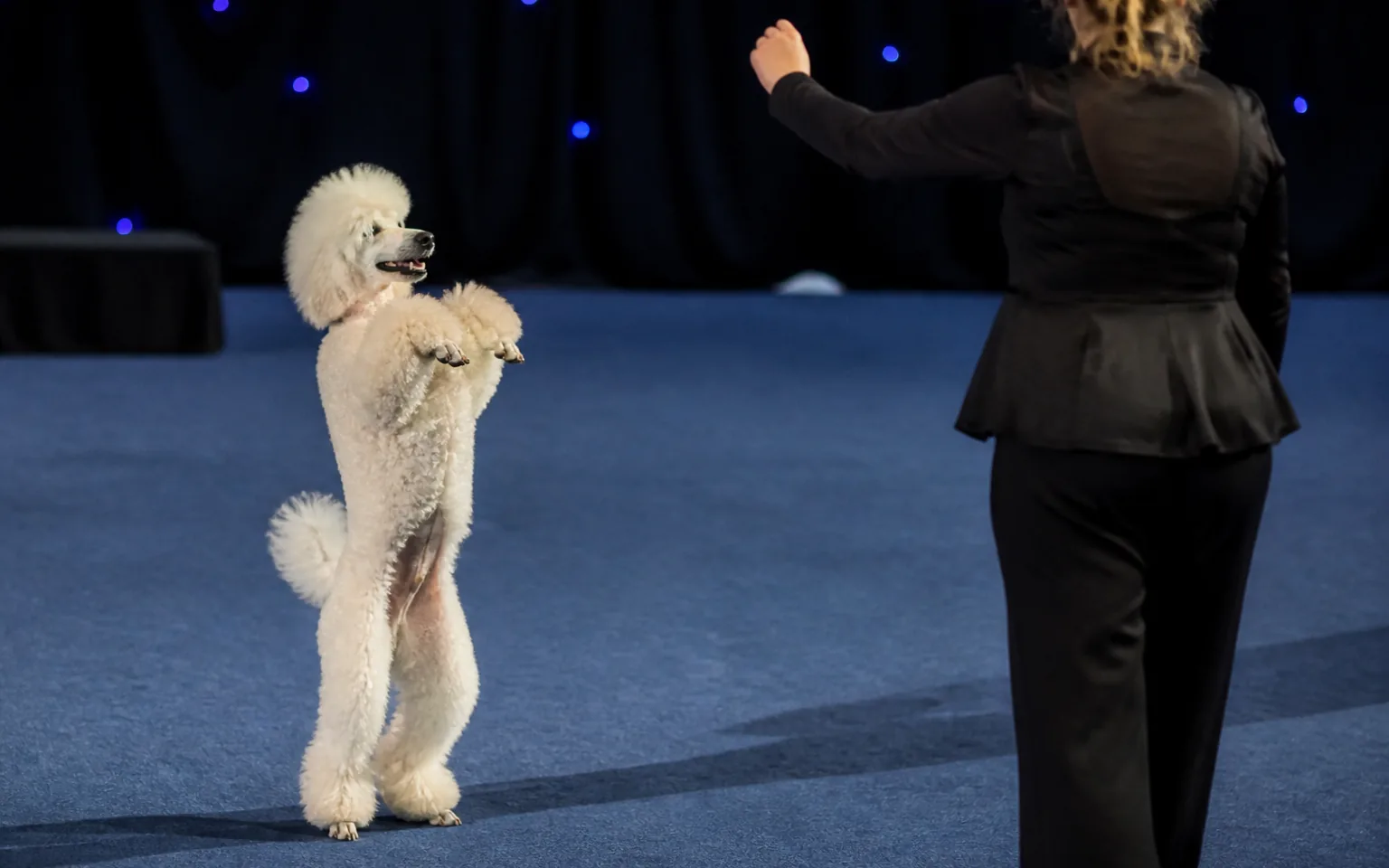
Dance and presentation
A choreography of a few minutes, to music you choose, in which the dog performs moves and tricks in time with the beat. The sport closest to showbusiness - and far harder than it looks.
About the discipline
Dog dancing, or canine freestyle, is the discipline where a team builds a routine to music: movements around the handler, tricks, transitions and changes of pace, all choreographed.
Two things are scored separately: technique - how cleanly the dog performs - and artistic impression, meaning the fit with the music, originality and expressiveness.
Behind a three-minute routine there are usually months of work on individual movements. Every transition is learned separately, then linked.
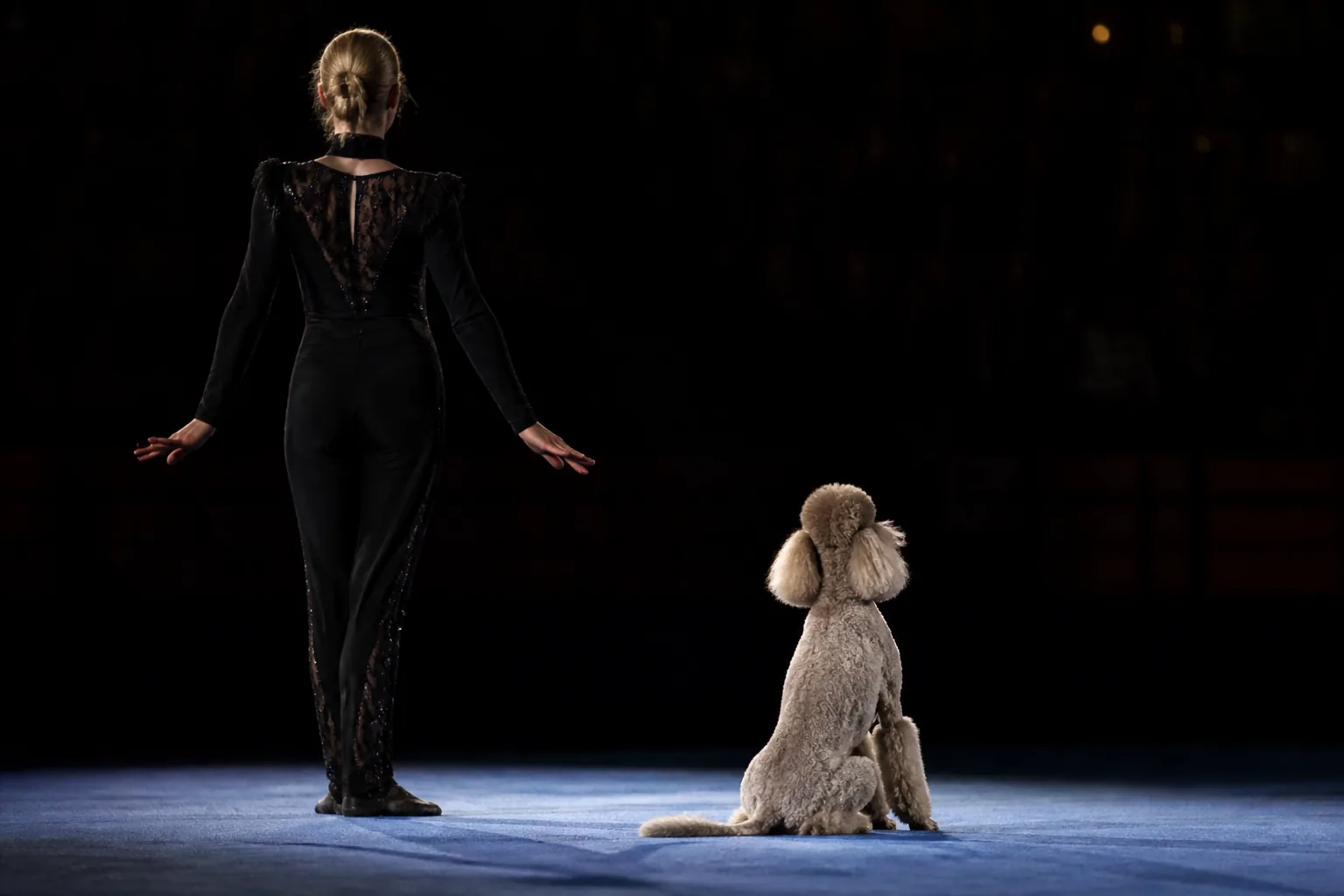
How it works in practice
Movements on the hind legs are worked briefly and in moderation, because they load the spine. Not for young dogs or those with back problems.
Frequently asked questions
No. Coordination and a sense of rhythm matter, not dance technique. Many successful routines are built from simple movements executed impeccably.
All of them. Border collies and poodles appear often because they learn quickly, but the discipline is open to any size and temperament.
Months. Each movement is learned separately, then linked into short sequences, and only at the end synchronised with the music.
Music that matches your dog's natural rhythm, not your taste. A small dog moves faster, a large one slower, and a routine set to the wrong tempo always looks out of sync. Film your dog walking relaxed, count the steps per minute and look for tracks at a similar tempo.
From the same category
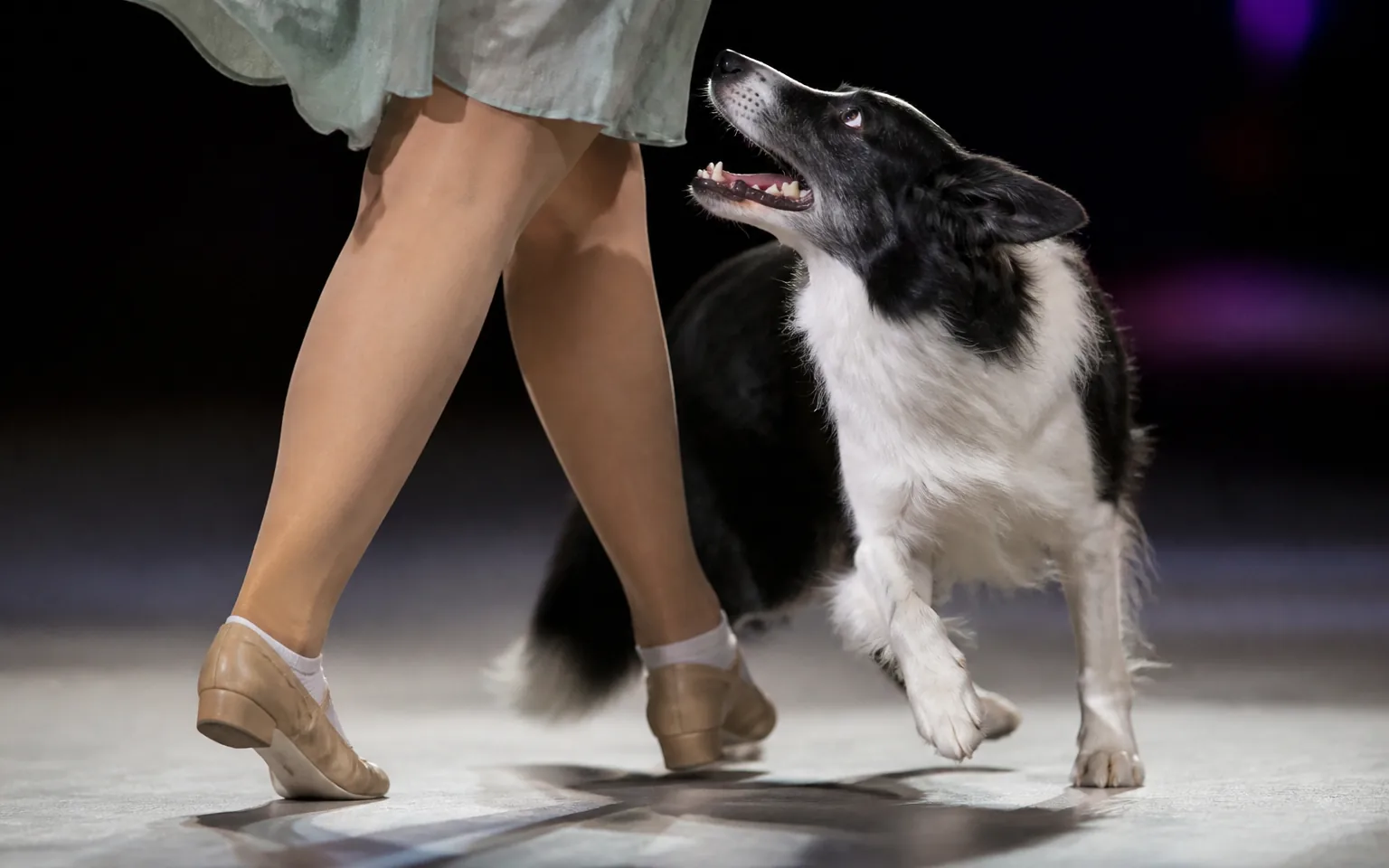
Heelwork and positions performed to music.
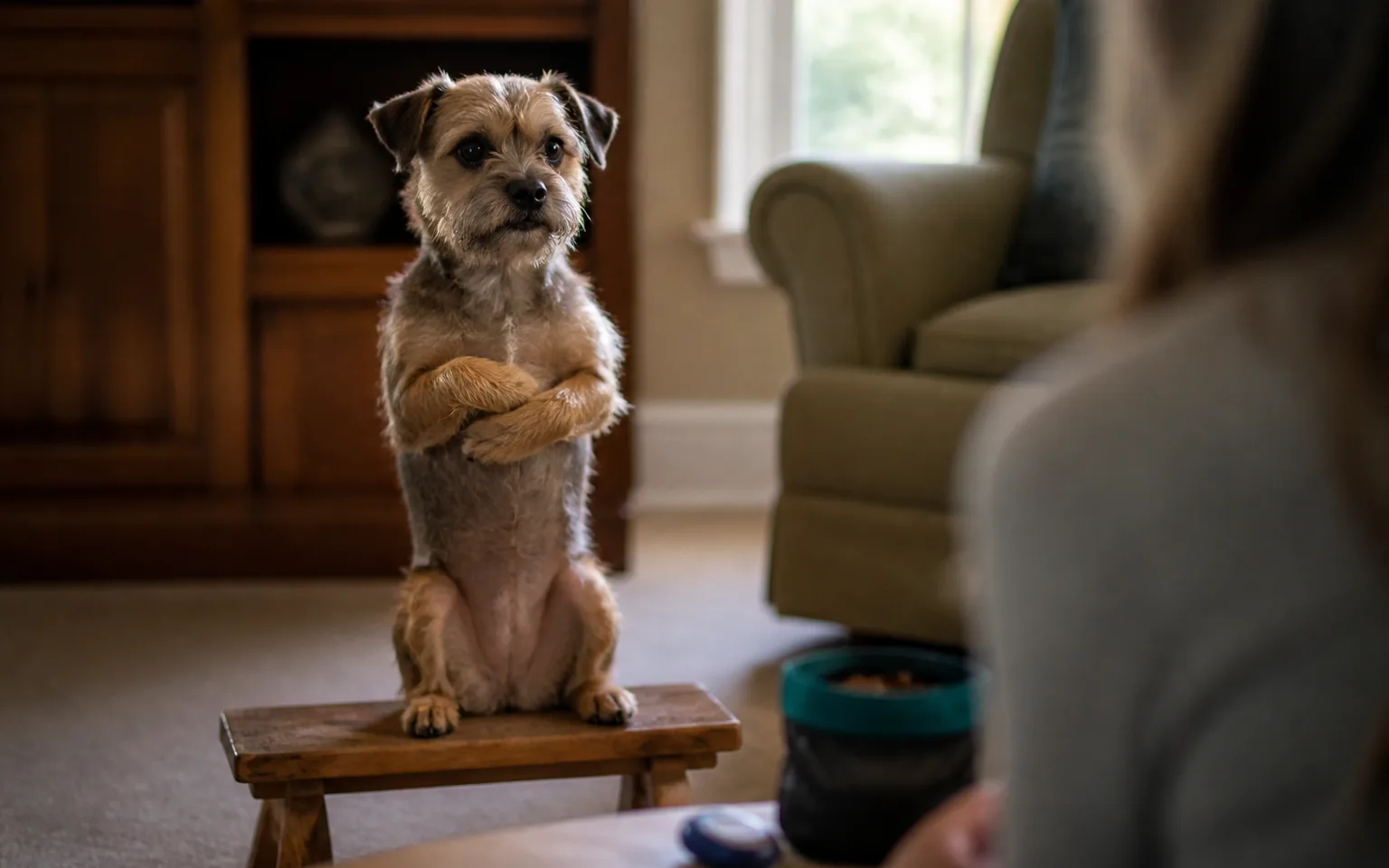
Series of tricks organised into difficulty levels.
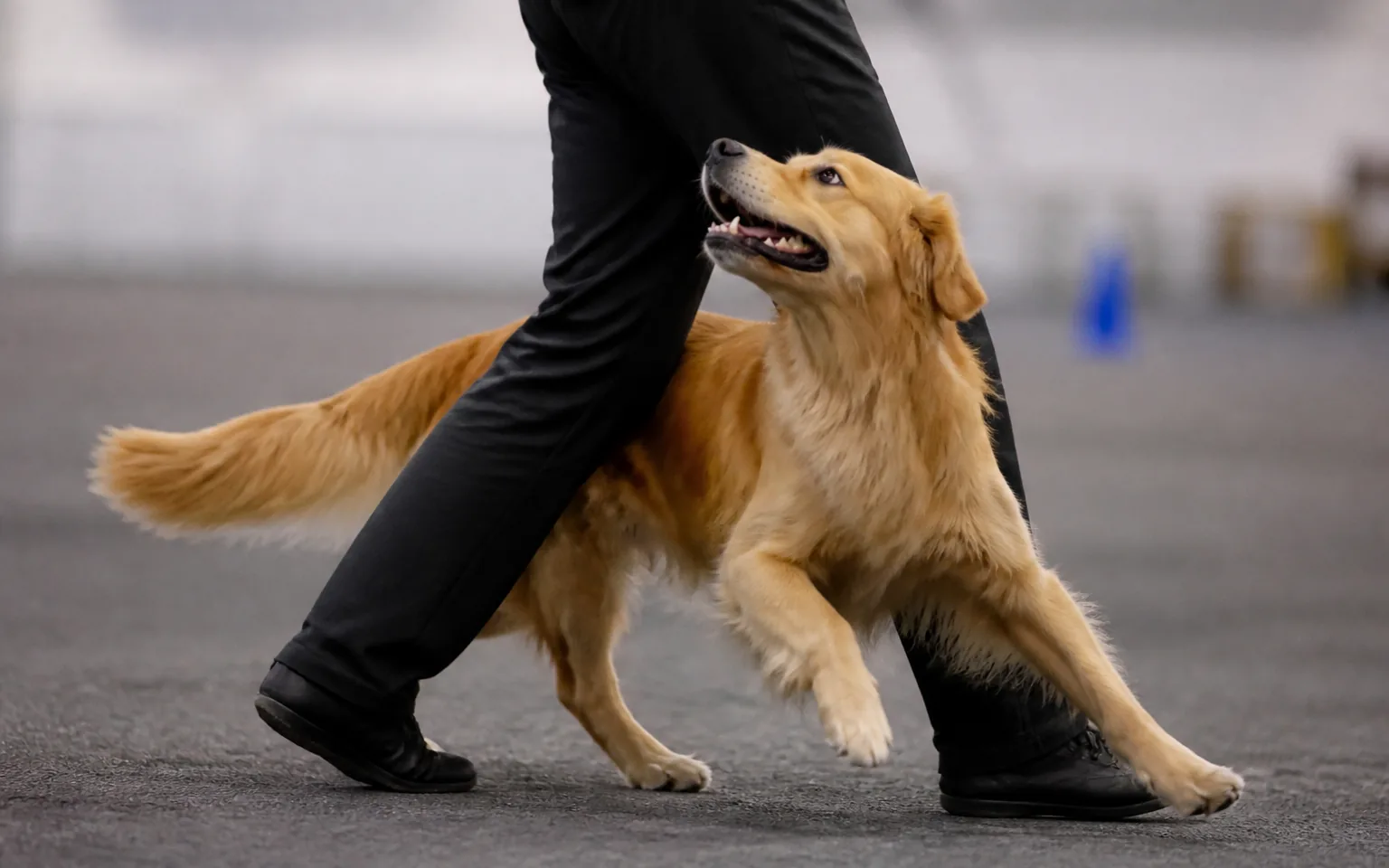
A blend of obedience, movement and creativity.
This page is informational. We work in mantrailing, search and rescue and preparation for the TSAC and BH exams - but if you want an honest opinion on what would suit your dog, write to us anytime.