Is there an official rulebook?
Not a single international one. The format appears at demonstrations and local competitions, with rules set by the organiser.

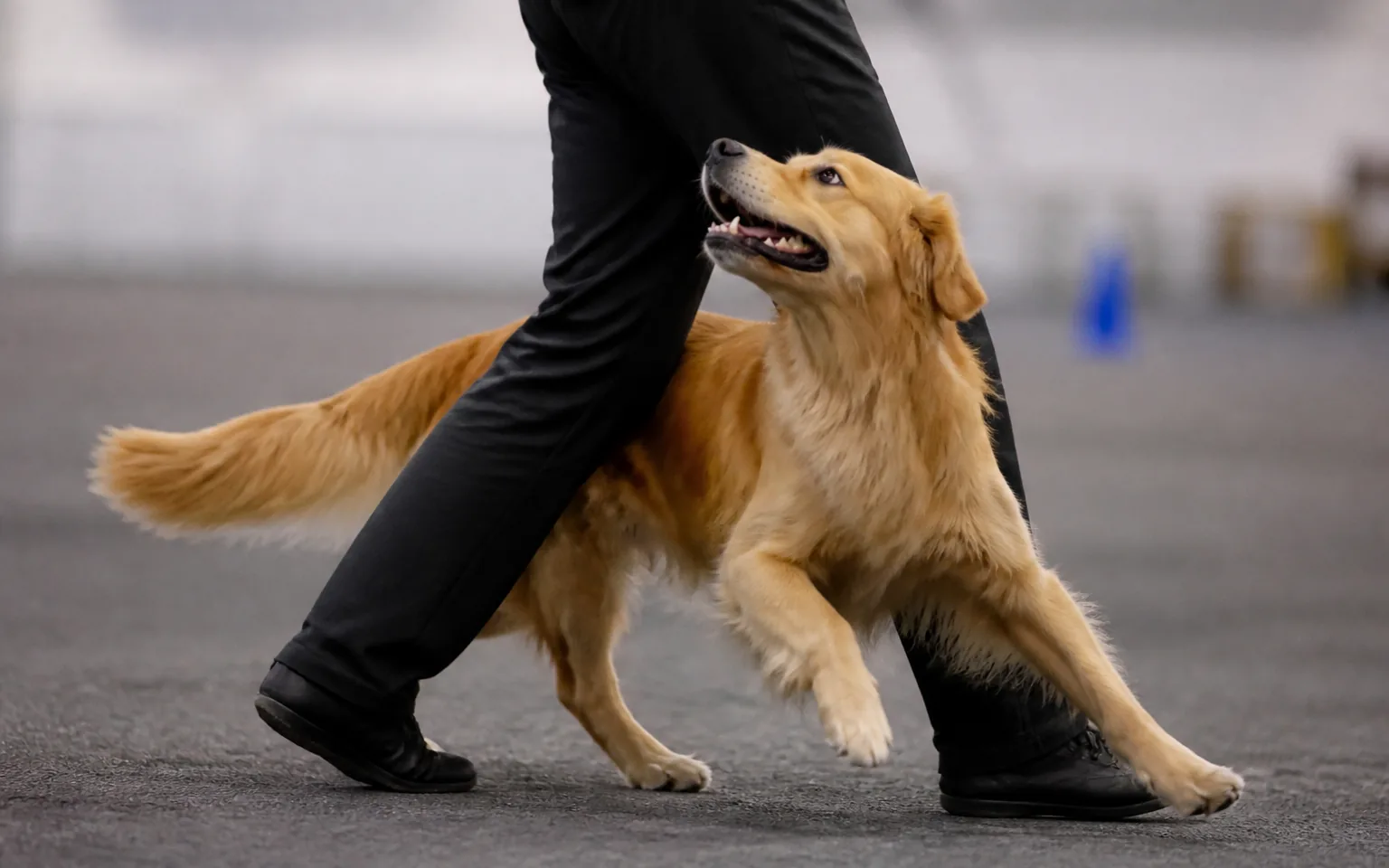
Dance and presentation
The classic obedience exercises, but presented freely: you choose the order, the pace and how you link them. A bridge between the rigour of Obedience and the freedom of freestyle.
About the discipline
Freestyle obedience is not a discipline with a single international rulebook, but rather a presentation format seen at demonstrations and local competitions.
The idea is simple: the same exercises as in classic obedience - positions, recall, heelwork, retrieve - but presented in a sequence composed by the handler, often to music.
It is frequently used as a bridge: teams who find Obedience too rigid and dog dancing too artistic find a comfortable middle ground here.
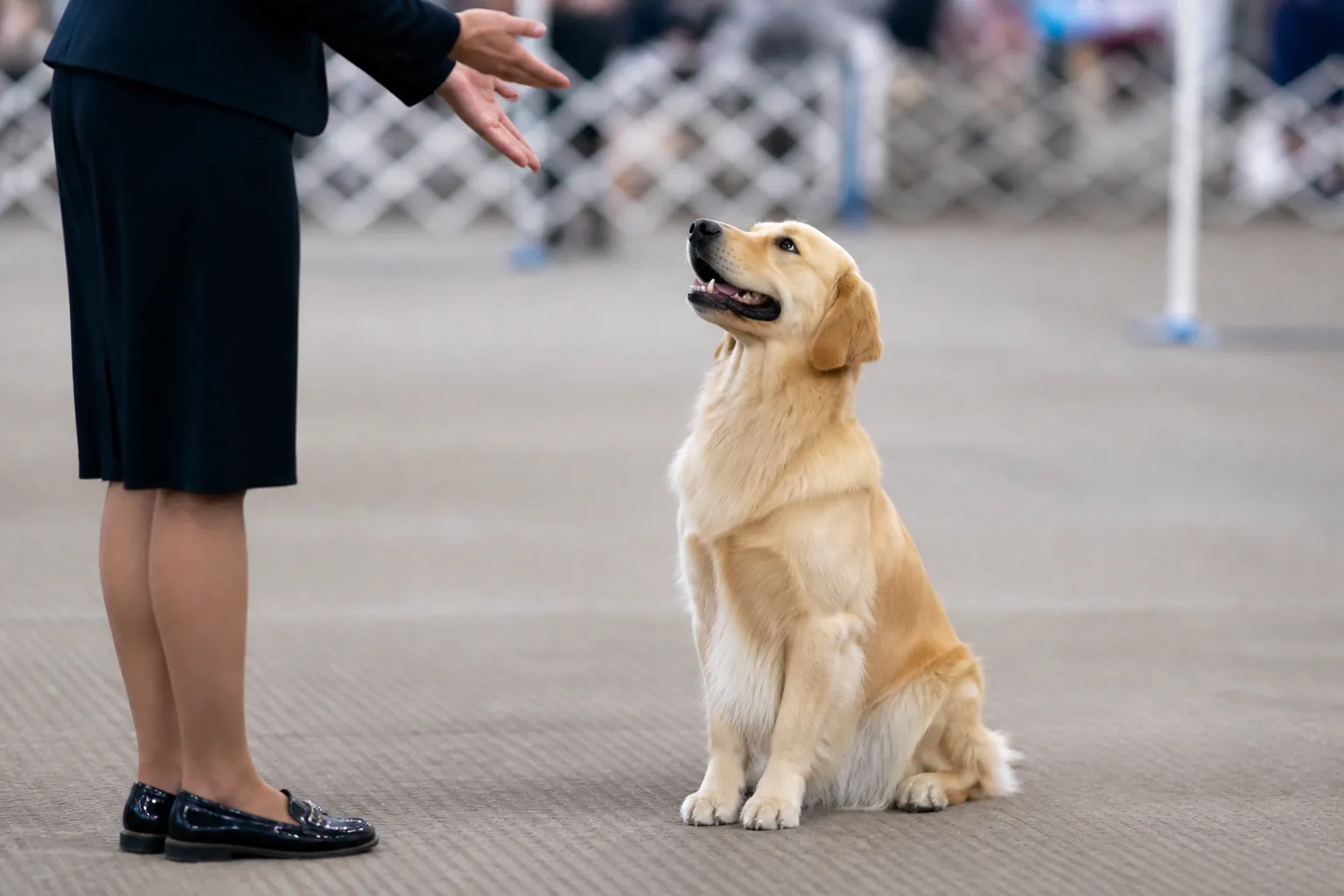
How it works in practice
Frequently asked questions
Not a single international one. The format appears at demonstrations and local competitions, with rules set by the organiser.
Here the underlying exercises stay those of obedience, and the freedom concerns order and presentation. Dog dancing uses movements and tricks created specifically for choreography.
Yes, it is a relaxed way to test how a team behaves in front of an audience, without the pressure of strict technical scoring.
Those that work happily and expressively, whatever their breed or size. Attitude matters more than precision: a team clearly enjoying itself leaves a better impression than a technically flawless but tense one. It is, after all, a presentation format, not an examination.
At demonstrations run by training clubs, at dog fairs and at events promoting canine sports. Being a free format, it appears more often as a show piece than as a scored class. It is also the best way to work out whether you would enjoy it: watch a few teams and see if the atmosphere appeals to you.
From the same category
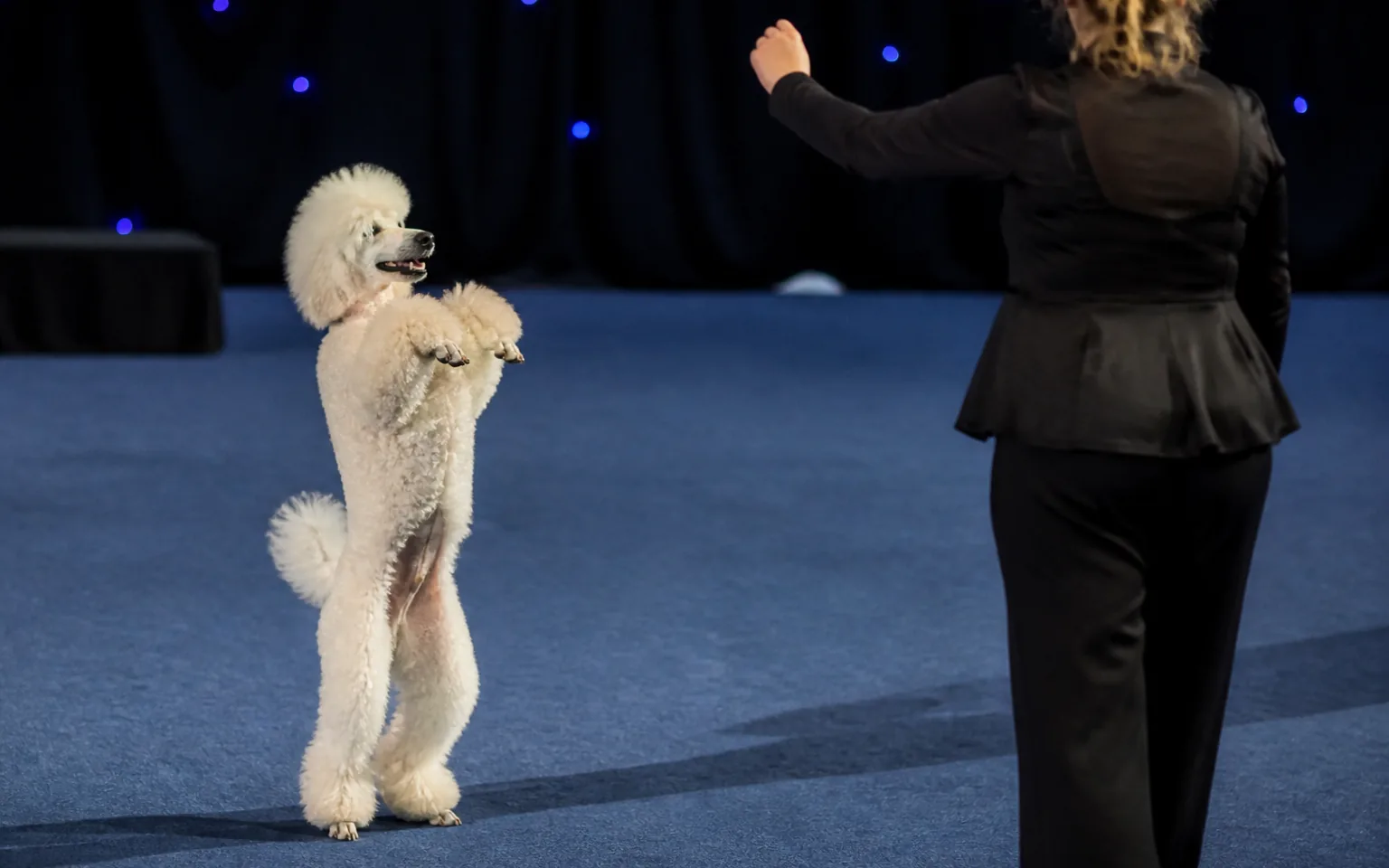
A choreographed routine set to music, with moves and tricks.
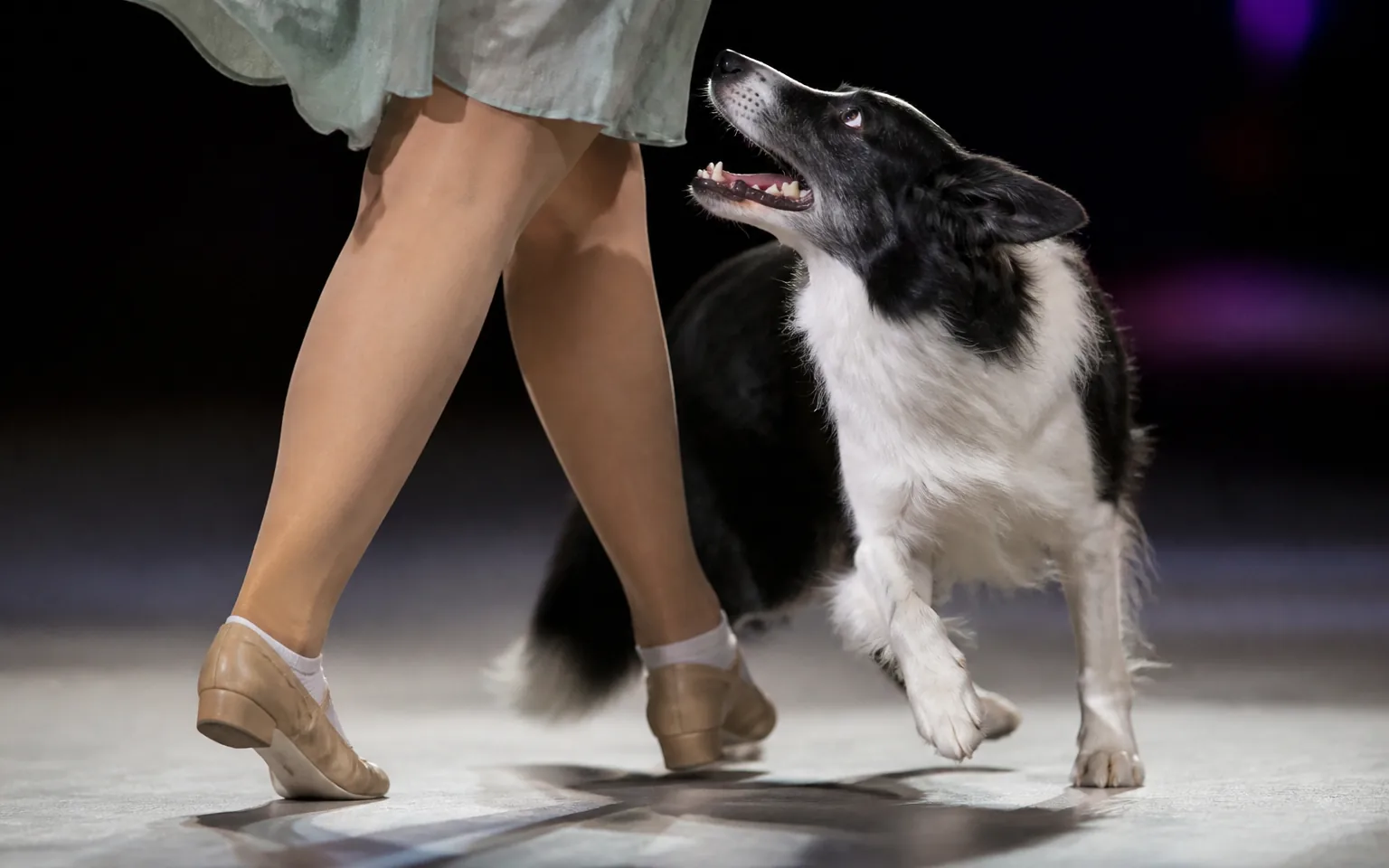
Heelwork and positions performed to music.
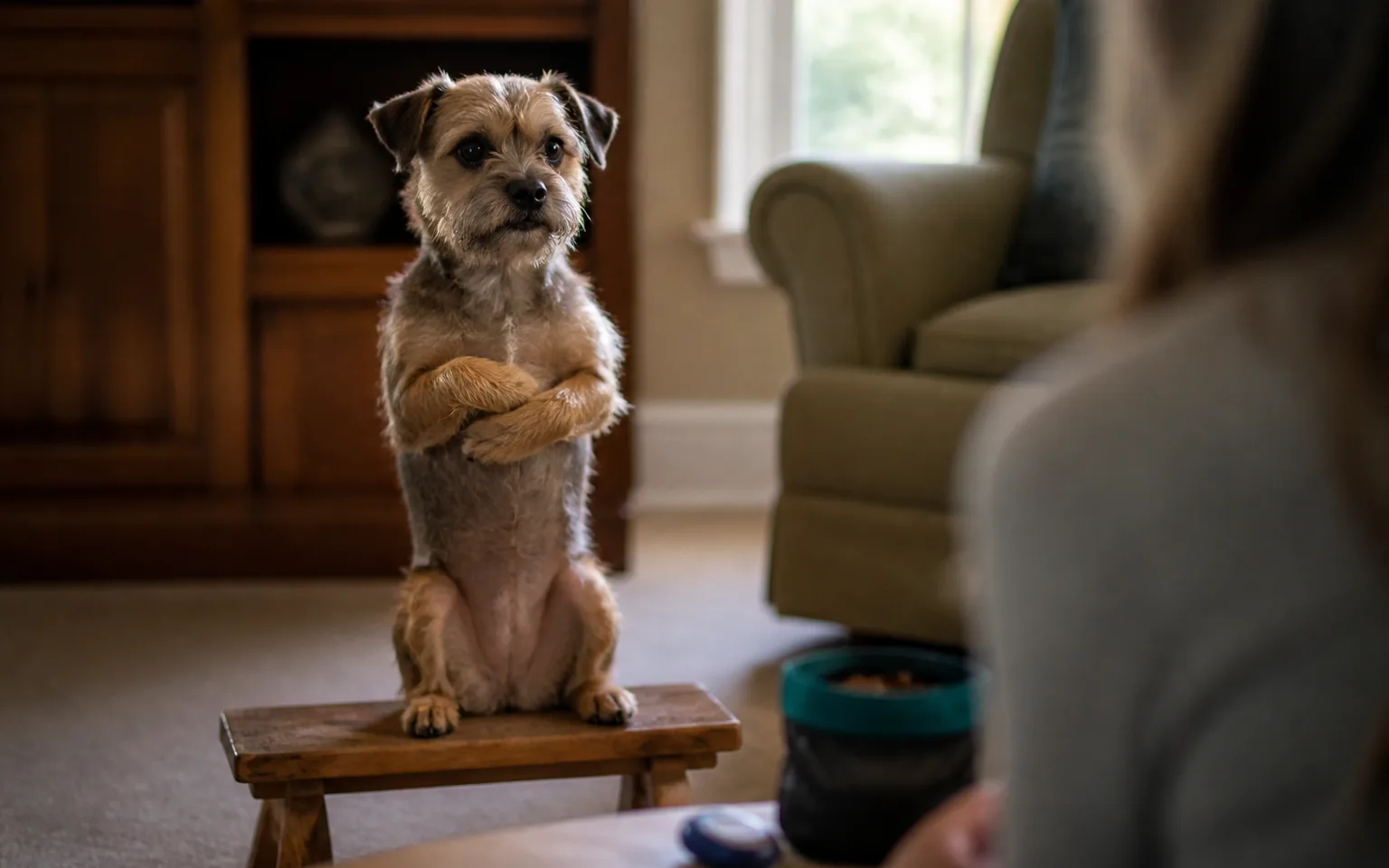
Series of tricks organised into difficulty levels.

This page is informational. We work in mantrailing, search and rescue and preparation for the TSAC and BH exams - but if you want an honest opinion on what would suit your dog, write to us anytime.