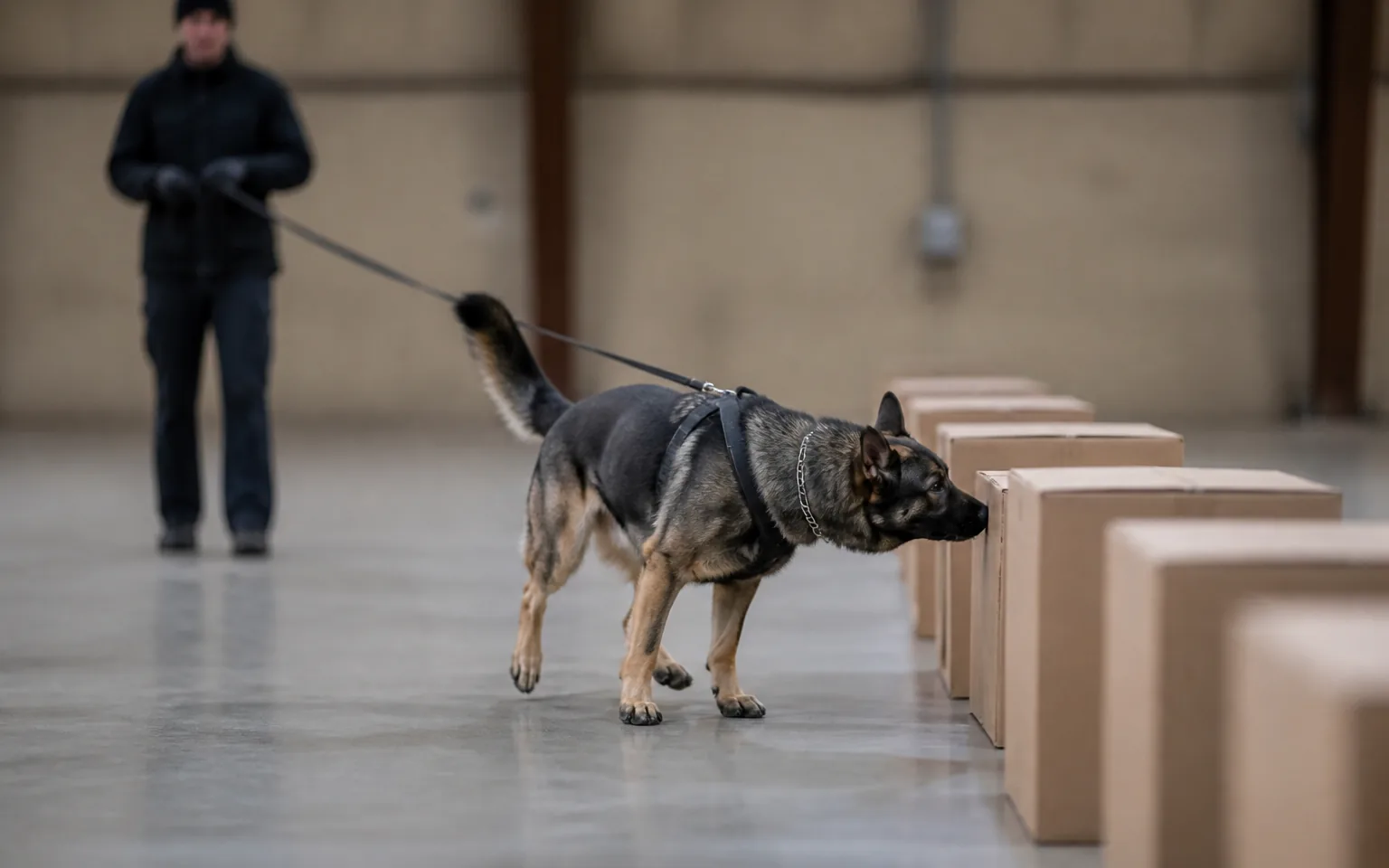
German Shepherd searching a row of cardboard boxes for a target odour in a training hall

Scent sports

Nose Work / Scent Work

The dog searches for a target odour hidden somewhere in a room, on a vehicle or across a patch of ground, and indicates it. The most accessible scent sport: you can start in your kitchen, with a few cardboard boxes.

About the discipline

What Nose Work is

Nose work began as a sporting adaptation of detection dog work. Instead of dangerous substances, the dog learns to search for harmless odours - usually essential oils such as clove or bergamot.

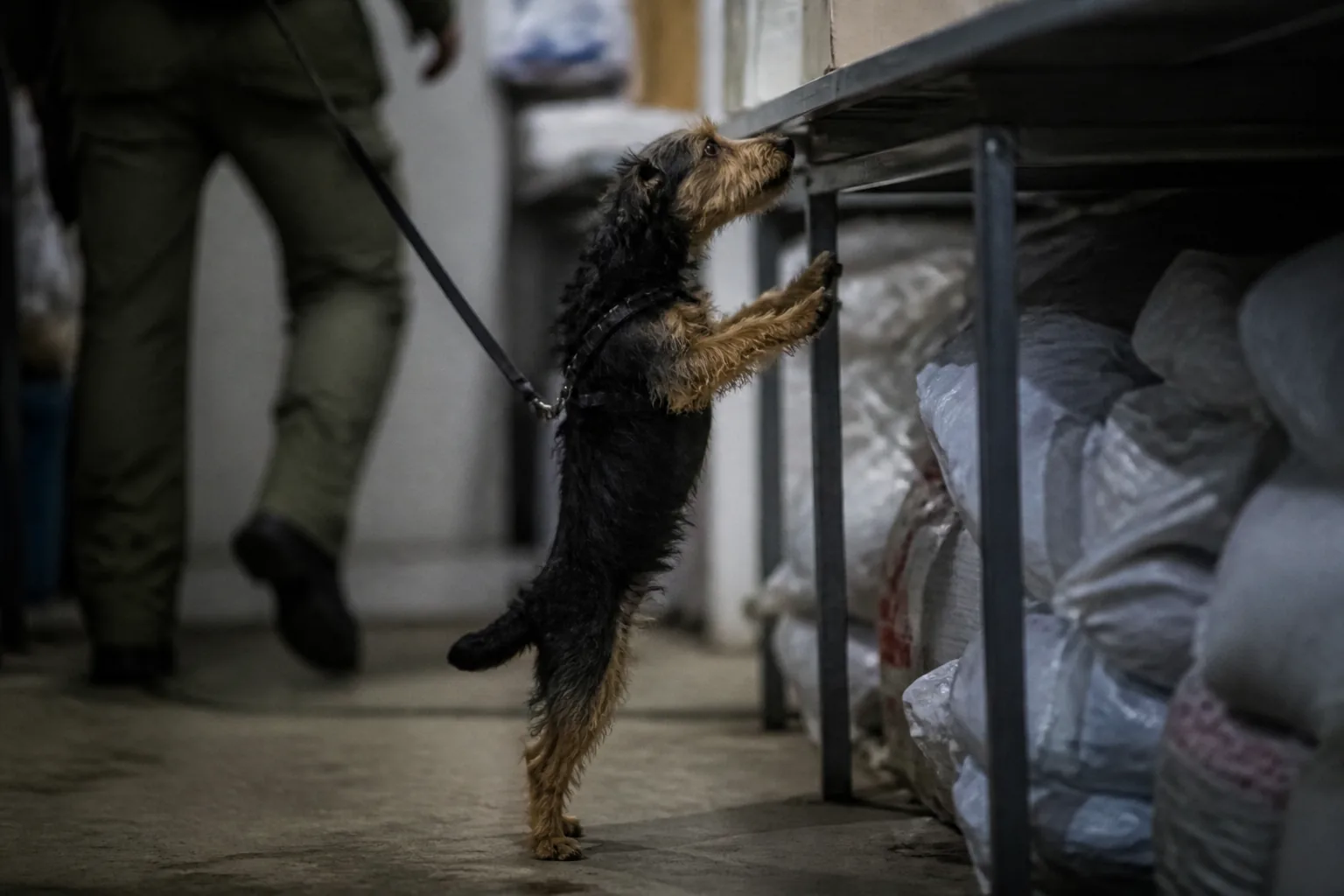
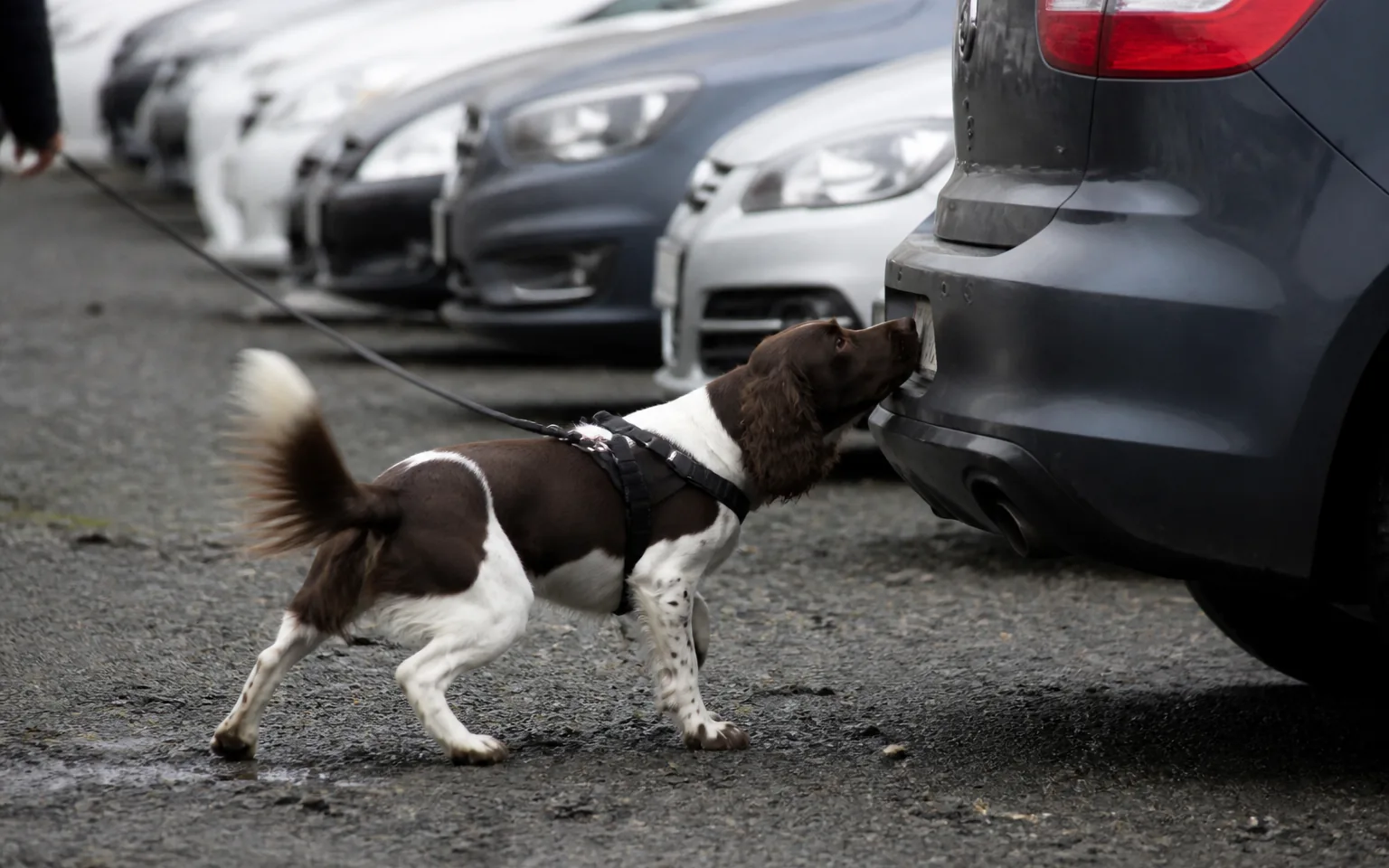
It is worked across four elements: interiors, exteriors, containers and vehicles. The dog searches freely while the handler follows and reads the moment it finds the source.

The great advantage is accessibility. It needs no ground and no physical condition, and an anxious or reactive dog can work alone in a hall without meeting other dogs. For many, it is the first activity they are actually good at.

Terrier up on its hind legs sniffing under a metal shelf during a container search

How it works in practice

What a search looks like

  • the target odour is chosen and hidden in the search area
  • the dog enters and searches freely, at its own pace
  • the handler follows without steering it towards the source
  • the dog indicates by stopping, sitting or freezing
  • the handler calls the find and rewards
  • difficulty grows with harder hides and larger areas

The most common handler mistake is leading the dog to the hide. In a correct search, the dog decides where it goes.

Which dogs it suits

  • absolutely any dog, including seniors and dogs with disabilities
  • anxious or reactive dogs, who work alone in the hall
  • high-energy dogs, who tire mentally fast
  • teams with no access to training grounds

What you need

  • cardboard boxes or containers to begin with
  • the target odour, in a small quantity
  • high-value rewards
  • a harness and long line, for outdoor searches

Frequently asked questions

Common questions about Nose Work / Scent Work

How does it differ from mantrailing?

In nose work the dog searches for an abstract target odour hidden somewhere in an area. In mantrailing it searches for the scent of a specific person and follows the route that person took. The first is a search in space, the second a pursuit through time.
My dog is reactive. Can it do nose work?

It is one of the best options. Work is done individually, dogs do not meet, and scent work has a calming effect. Many teams with reactive dogs start precisely here.

How long does it take to learn?

The first successes come surprisingly fast, often in the first session. What takes time is generalisation: searching just as well in a new place, with distractions and difficult hides.

The rule figures on this page come from NACSW - National Association of Canine Scent Work. Rules change and federations differ - always check the rulebook of the competition you are entering.

From the same category

Related sports

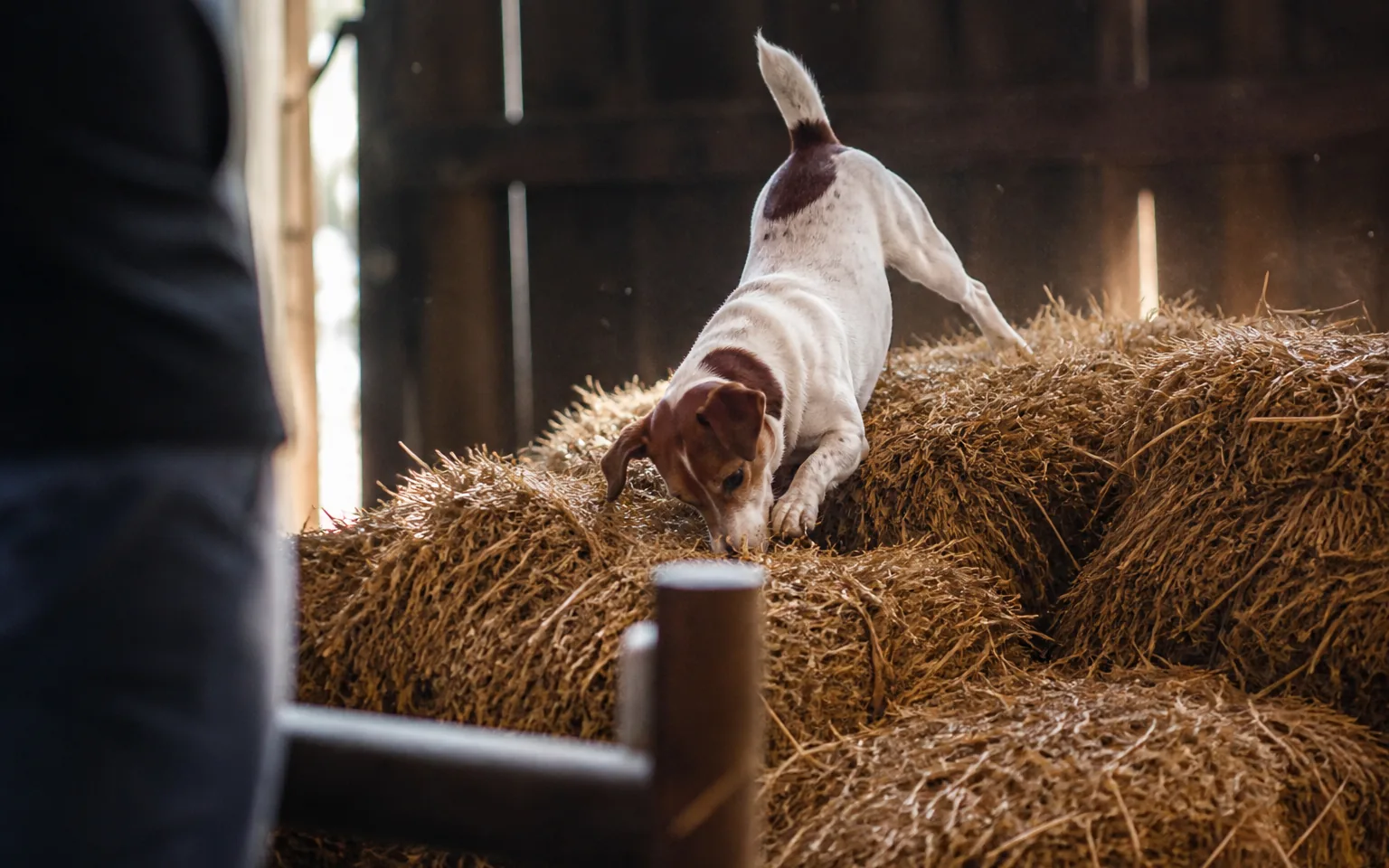
Jack Russell Terrier scrambling over stacked straw bales inside a barn

Barn Hunt

Locating a protected rat in a course built of straw bales.

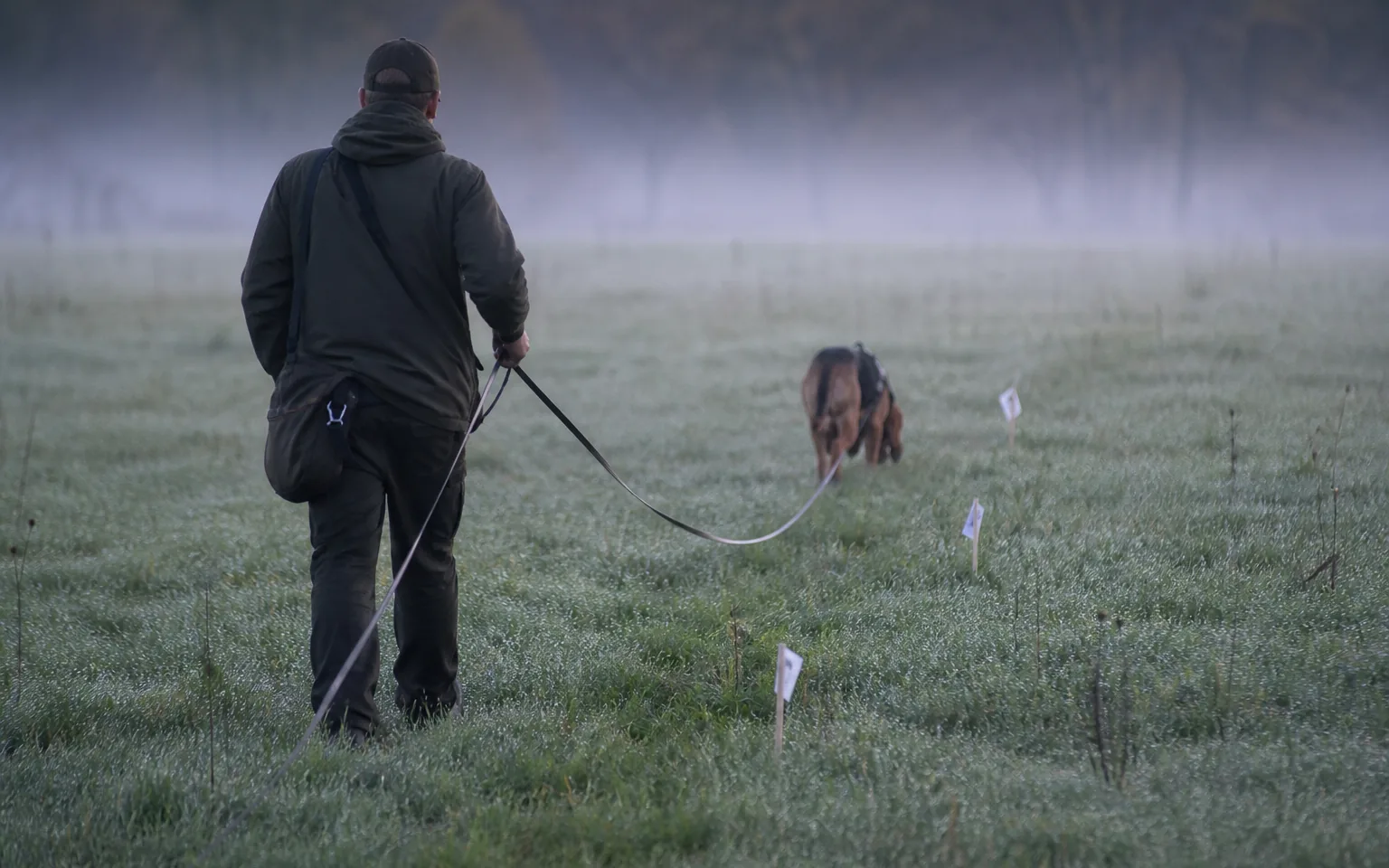
Handler following a dog working a flagged track on a long line through morning mist

Tracking

Following a track left on the ground, step by step.

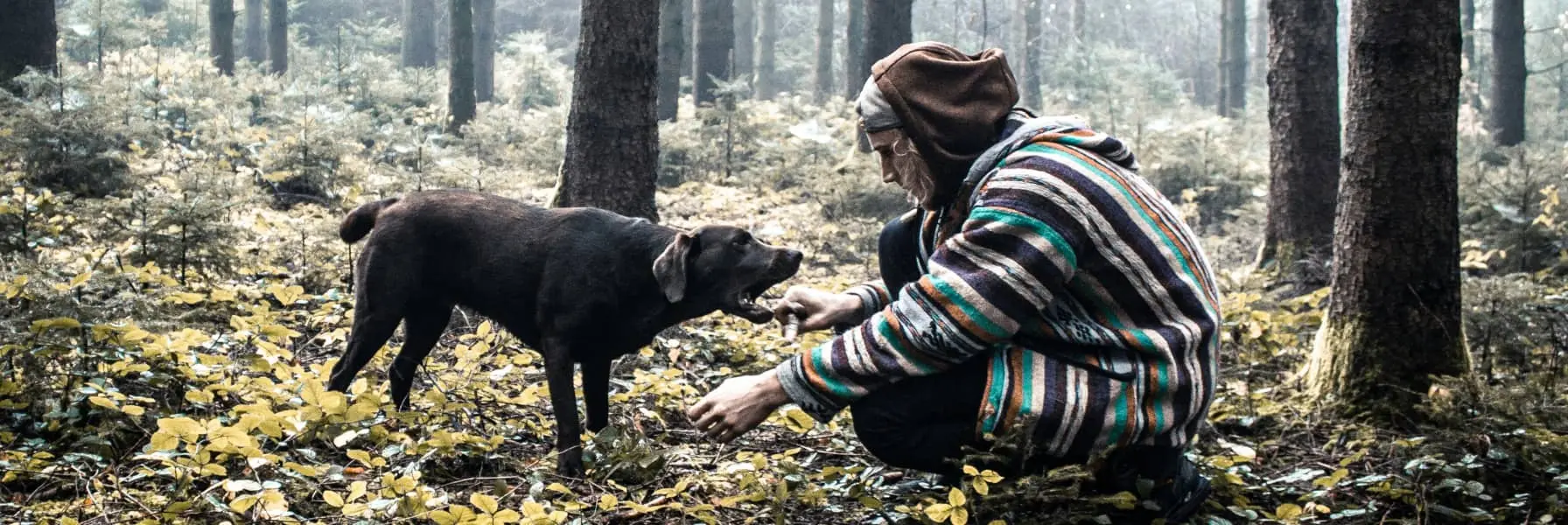
Dog and handler working together outdoors

We do not run Nose Work / Scent Work

This page is informational. We work in mantrailing, search and rescue and preparation for the TSAC and BH exams - but if you want an honest opinion on what would suit your dog, write to us anytime.