Does the dog have to bring the article back?
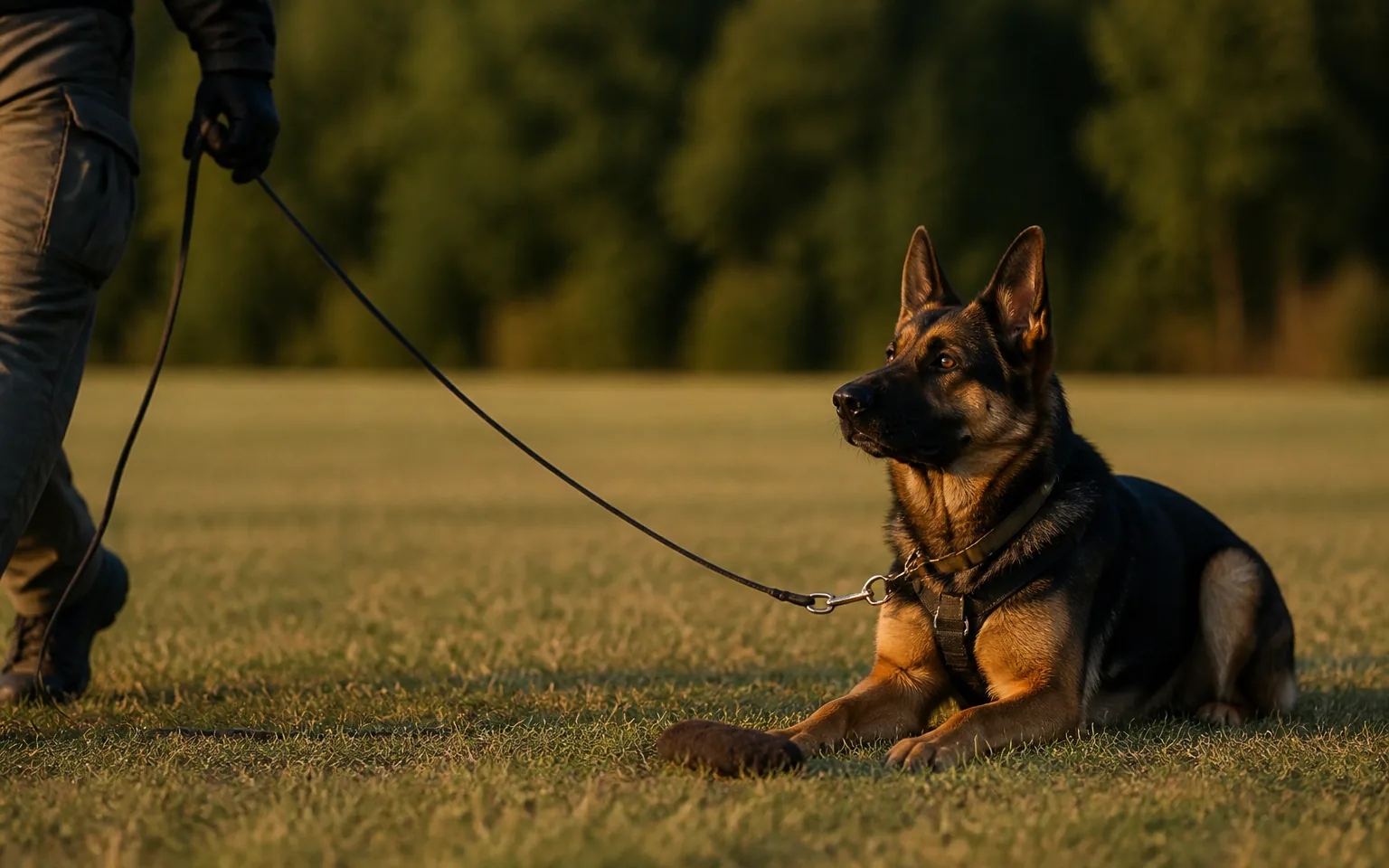
Depends on the rules. In some trials the dog retrieves it, in others it lies down next to it and indicates it where it is. You train each one separately.

Scent sports
A square is marked out on the ground and a few small articles, handled by a person, are hidden inside it. The dog has to find every one and indicate it. It doesn't know how many there are, or where.
About the discipline
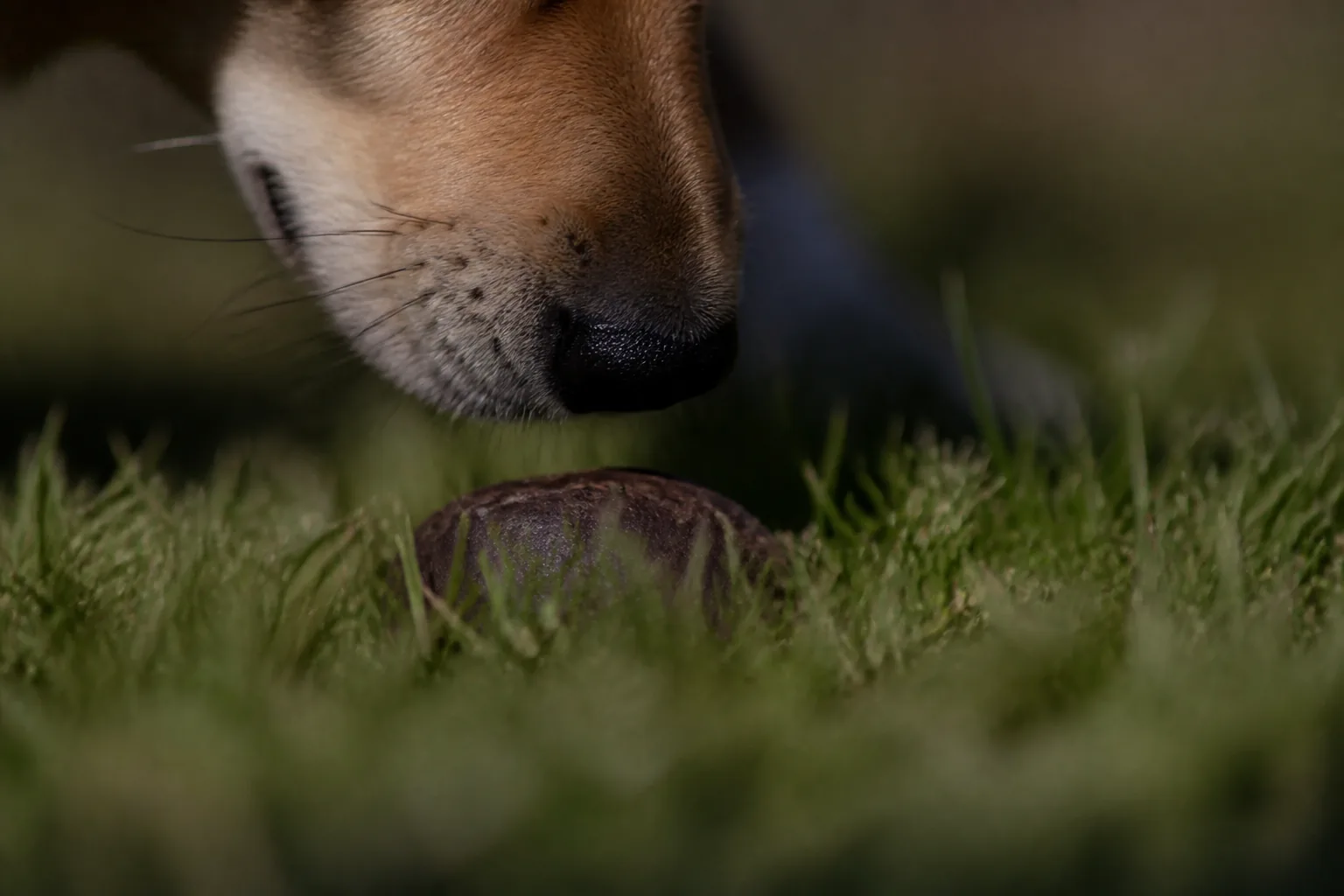
In article search the dog looks for articles carrying human scent: bits of leather, wood, metal or fabric that someone has handled and then left inside a marked area.
It's a separate exercise in Working Trials and turns up in several utility tests. The team works in a marked square, against the clock, and nobody tells them how many articles are out there.
Finding things isn't the hard part. Searching properly is. A dog that zigzags about will hit one article by luck and miss the rest. A well-trained dog quarters the square strip by strip until it has covered every bit of it.
How it works in practice
Frequently asked questions
Depends on the rules. In some trials the dog retrieves it, in others it lies down next to it and indicates it where it is. You train each one separately.
Small pieces of leather, wood, metal or fabric. Every material holds scent its own way, and metal usually gives dogs the most trouble.
Yes, in a garden or a park that doesn't get much foot traffic. Start with one article in a small patch. Then make the area bigger and add more articles, a little at a time.
Usually a few centimetres, matchbox-sized or smaller. That's what makes it hard: the dog can't spot them as it goes past and has to find them by nose alone. At the higher levels you'll also get materials that hold scent badly, such as metal.
The rule figures on this page come from The Kennel Club - Working Trials. Rules change and federations differ - always check the rulebook of the competition you are entering.
From the same category
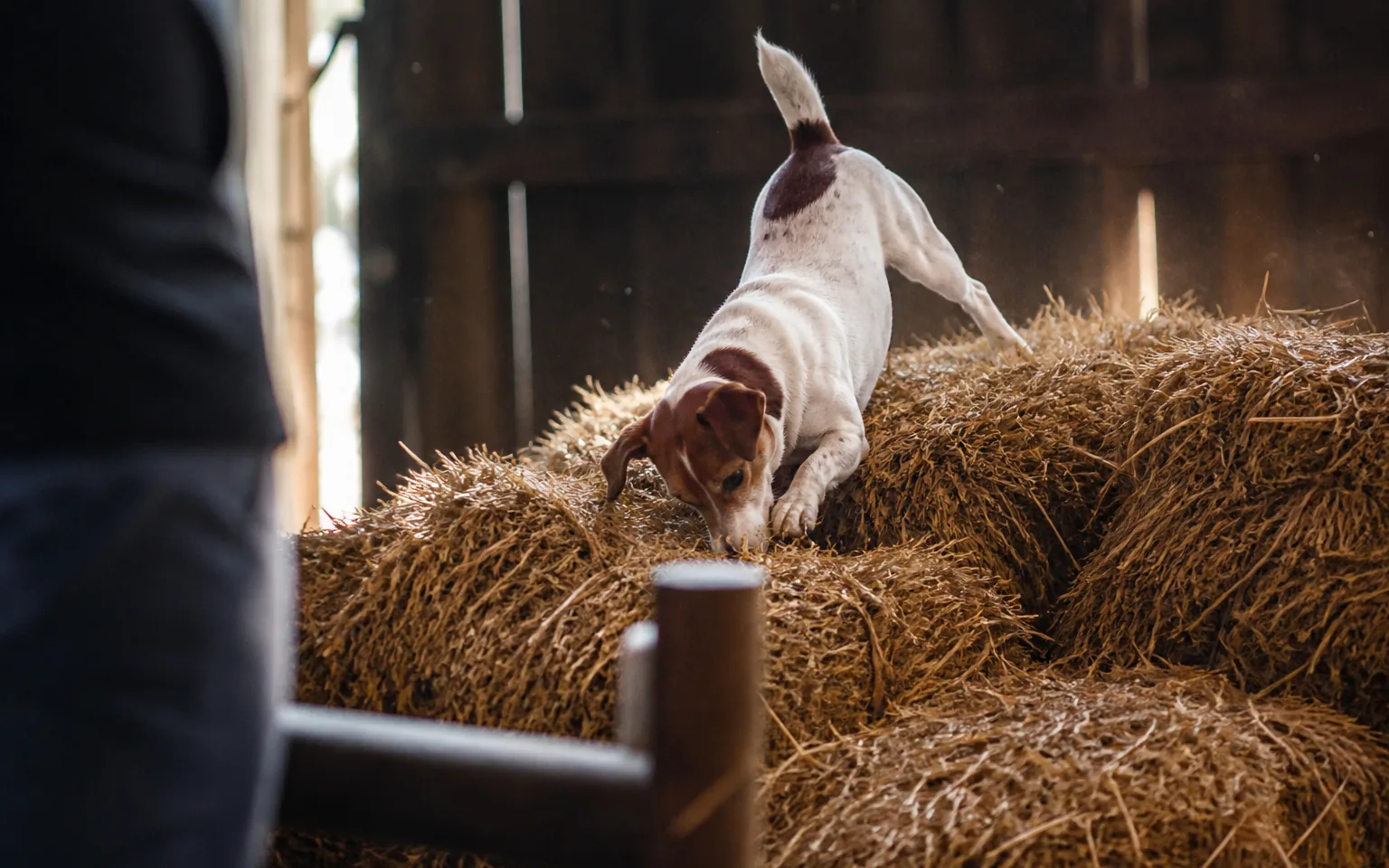
The dog finds a protected rat hidden in a course built from straw bales.
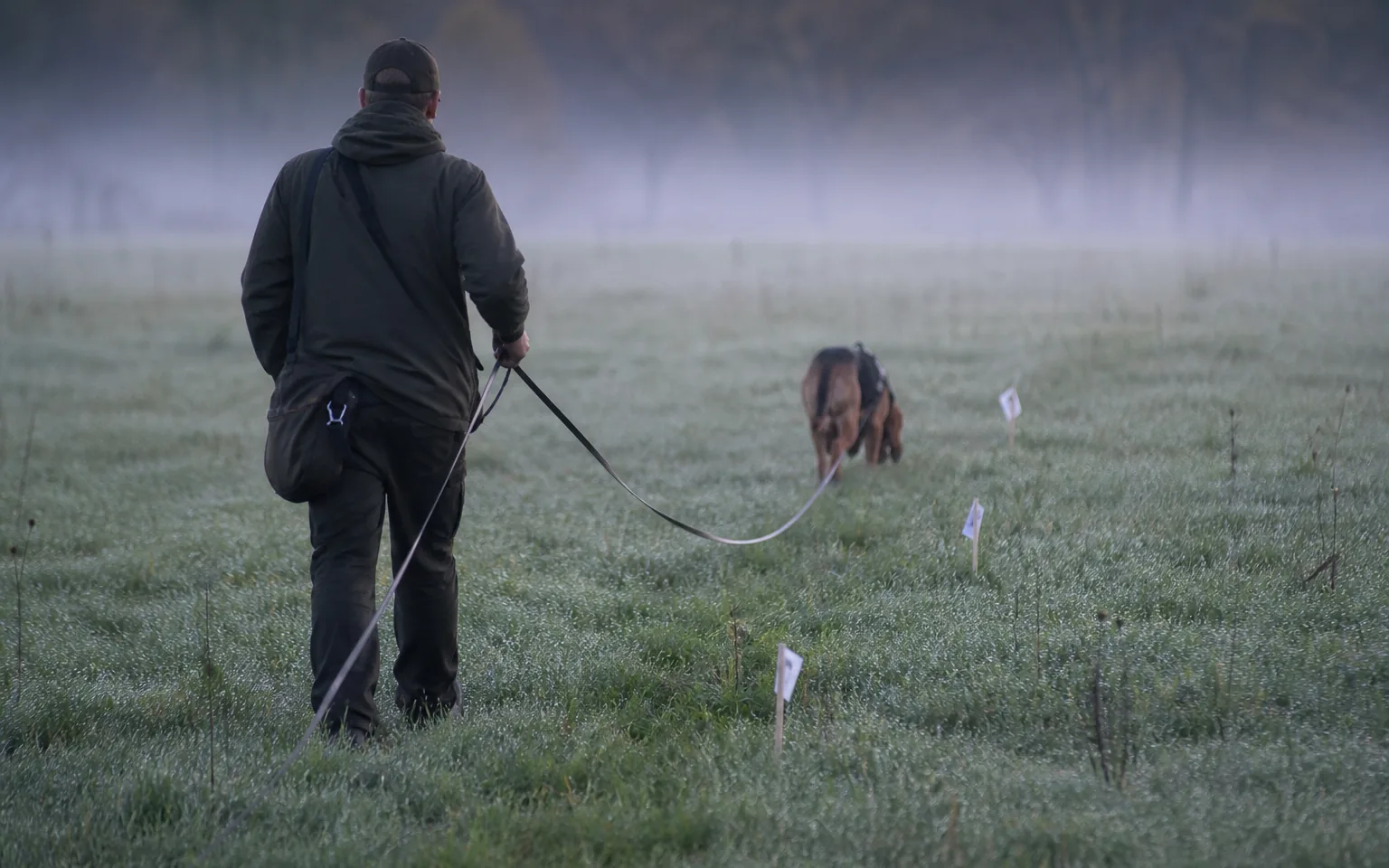
Following a track left on the ground, step by step.
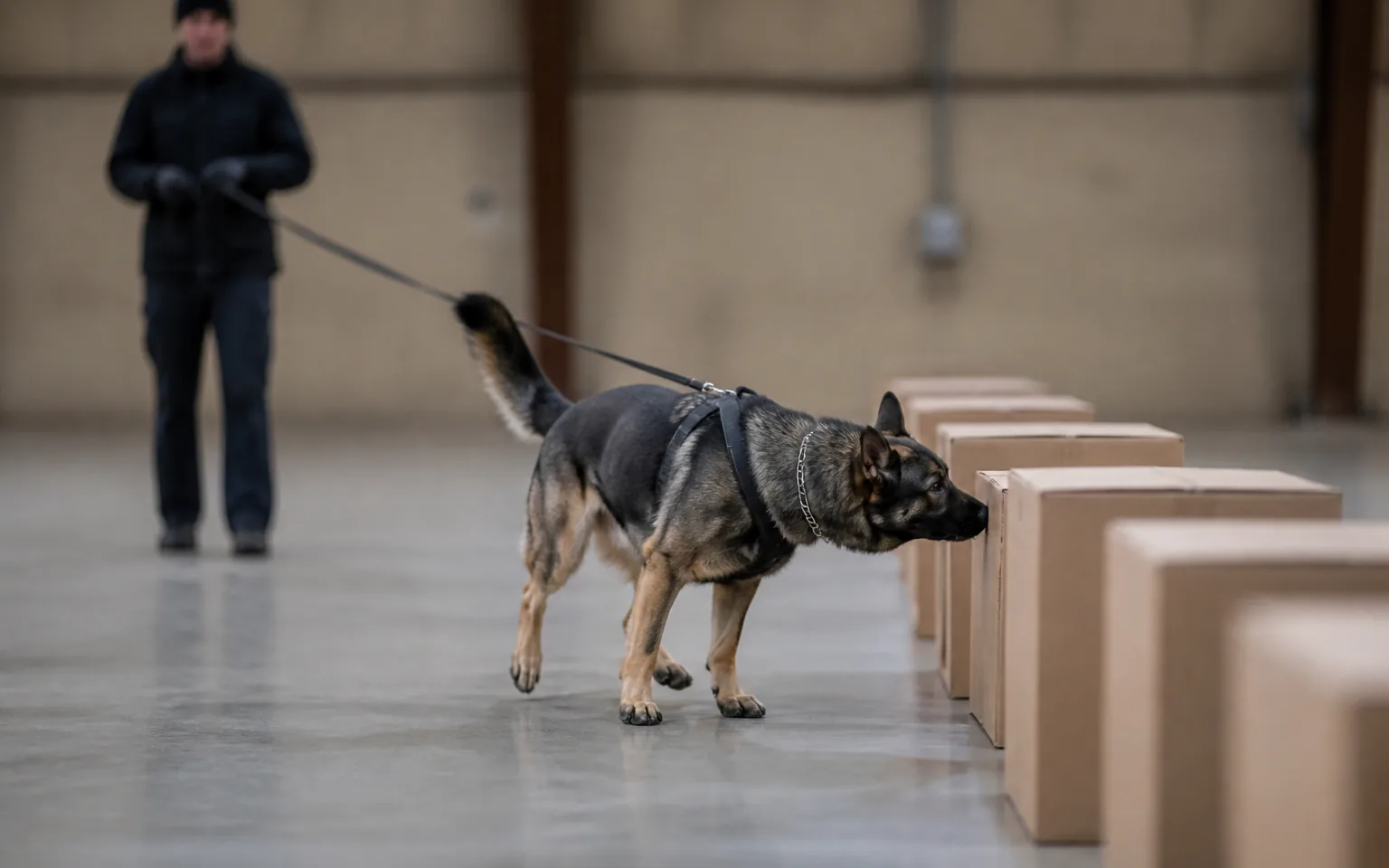
Finding a hidden target odour in all sorts of places.
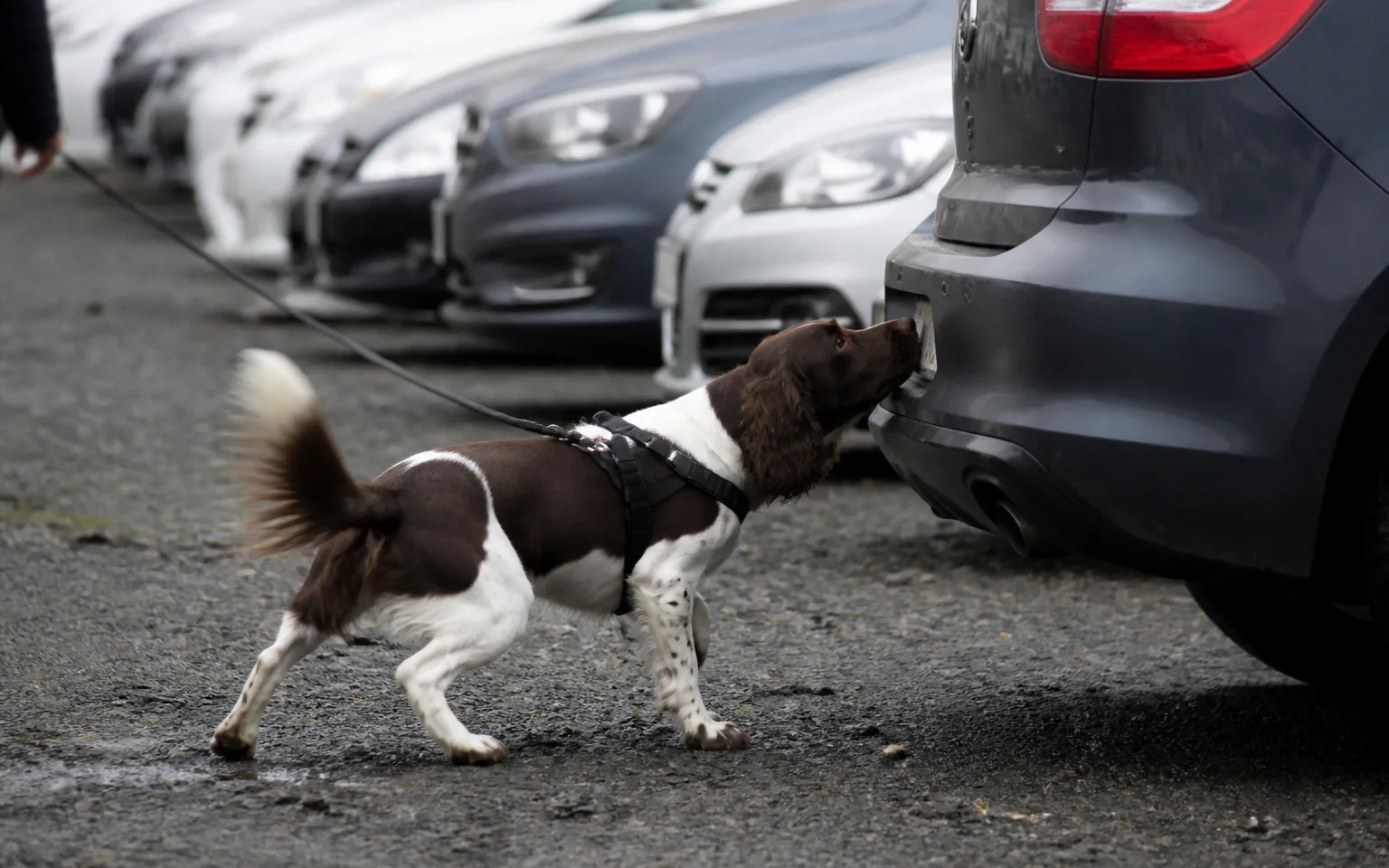
Finding and indicating odours set in advance, under rules close to real detection work.
This page is informational. We work in mantrailing, search and rescue and preparation for the TSAC and BH exams - but if you want an honest opinion on what would suit your dog, write to us anytime.