Is previous experience needed?
In practice, yes. You can start directly, but most teams come from nose work, where they have already learned the mechanics of searching and indicating.
Scent sports
Nose work's more serious sibling: several target odours, scenarios closer to real detection work and strict requirements for how the dog indicates the source.
About the discipline
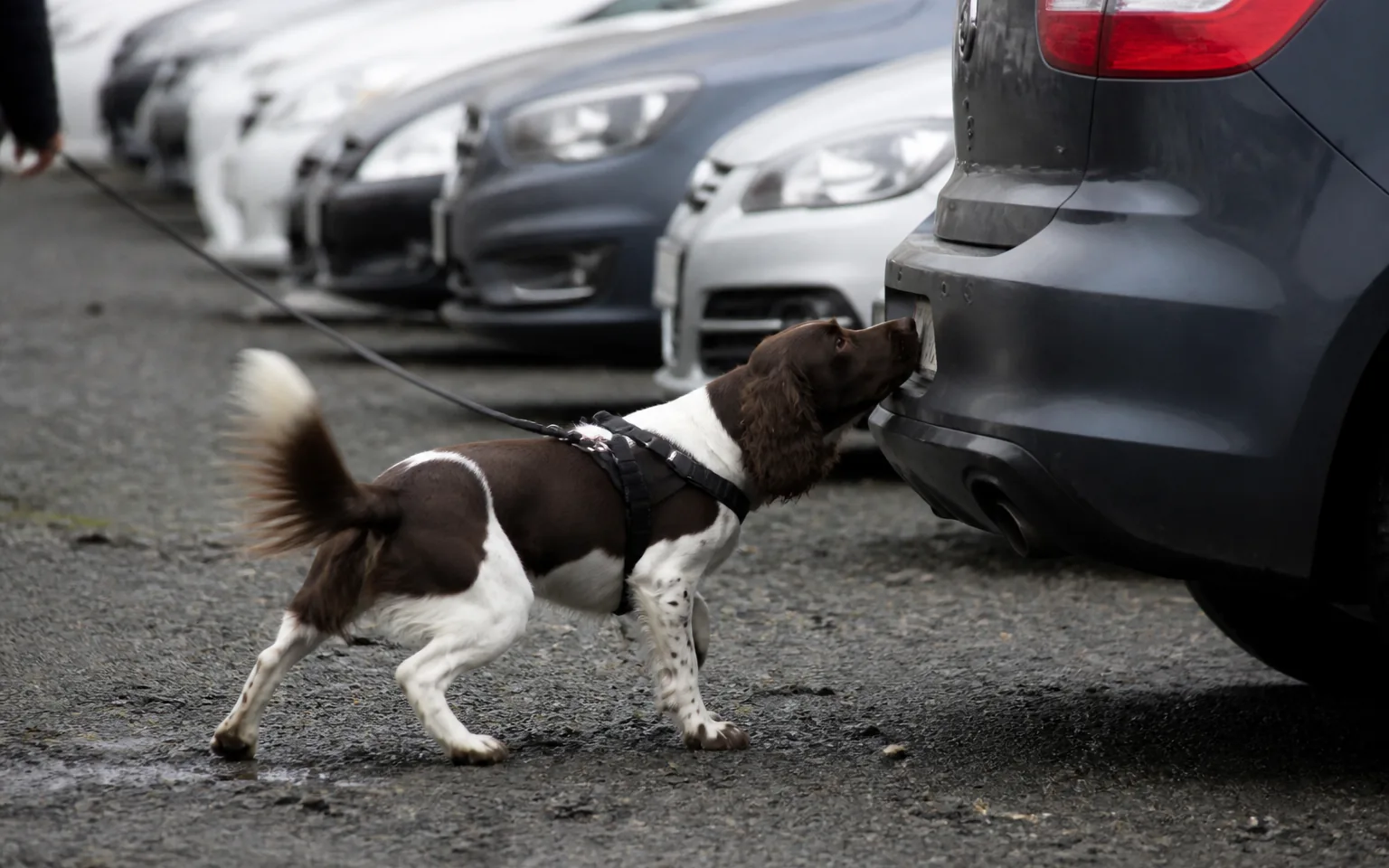
Detection dog sport takes the structure of real detection work and turns it into competition. The dog learns several target odours and must find them in scenarios that mimic working situations.
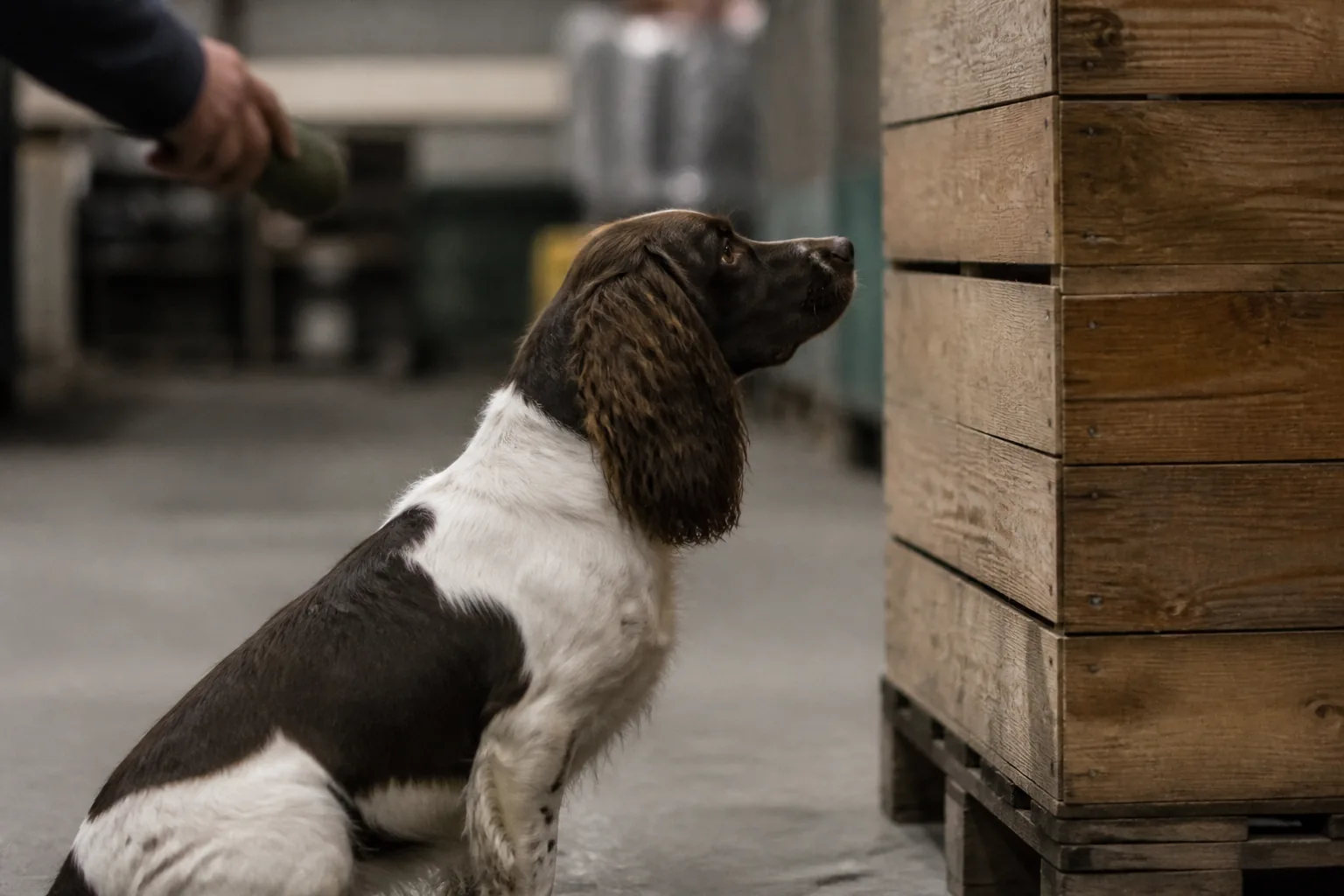
The difference from nose work lies in the rigour: indication must be clear and passive, meaning the dog neither touches nor damages the source, and the number of hides in an area is not known in advance.
It is the discipline for teams who have finished the nose work levels and want something closer to professional work, without actually entering it.
How it works in practice
Frequently asked questions
In practice, yes. You can start directly, but most teams come from nose work, where they have already learned the mechanics of searching and indicating.
The dog signals the source without touching, scratching or moving it - usually by sitting or freezing on it. It is the standard from real detection work, where disturbing a source can be dangerous.
No. Sport uses harmless odours such as essential oils. Real substances appear only in professional work, with service dogs.
The association itself is made quickly, often in a few short sessions. What takes time is generalisation: finding the odour in new places, at different heights, among distractions. A fully integrated new odour usually means a few months of consistent work.
From the same category
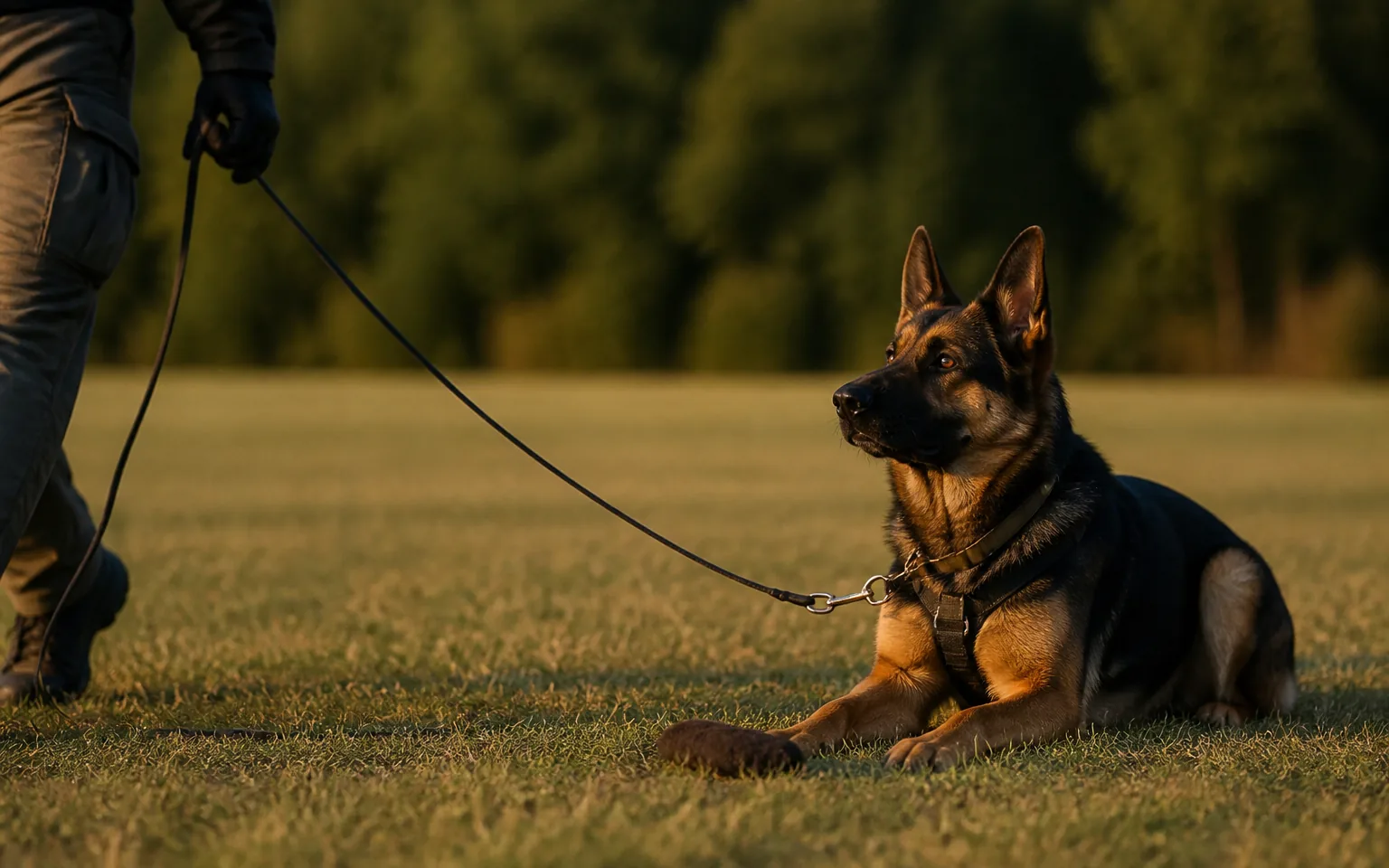
Finding small articles carrying human scent.
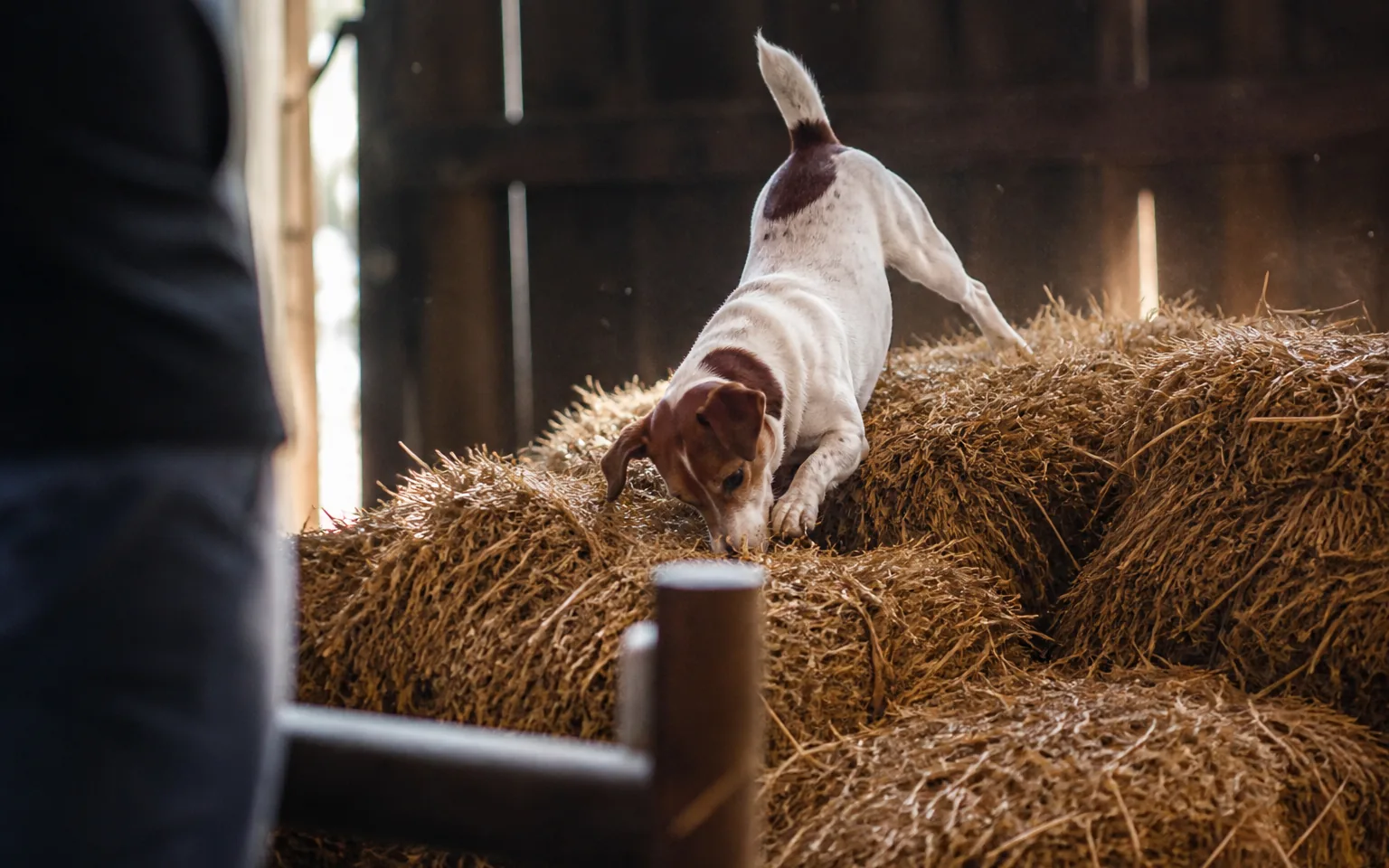
Locating a protected rat in a course built of straw bales.
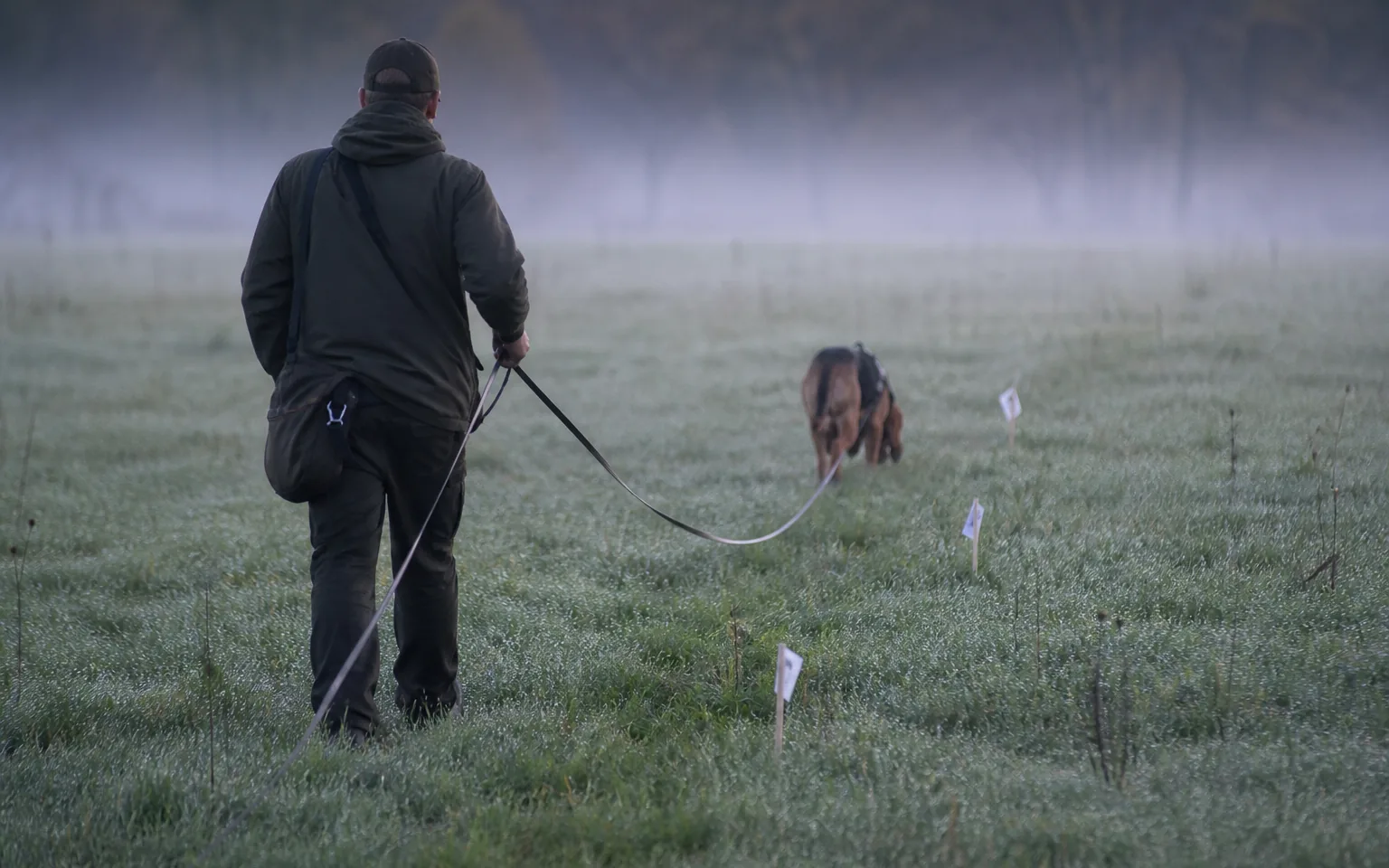
Following a track left on the ground, step by step.
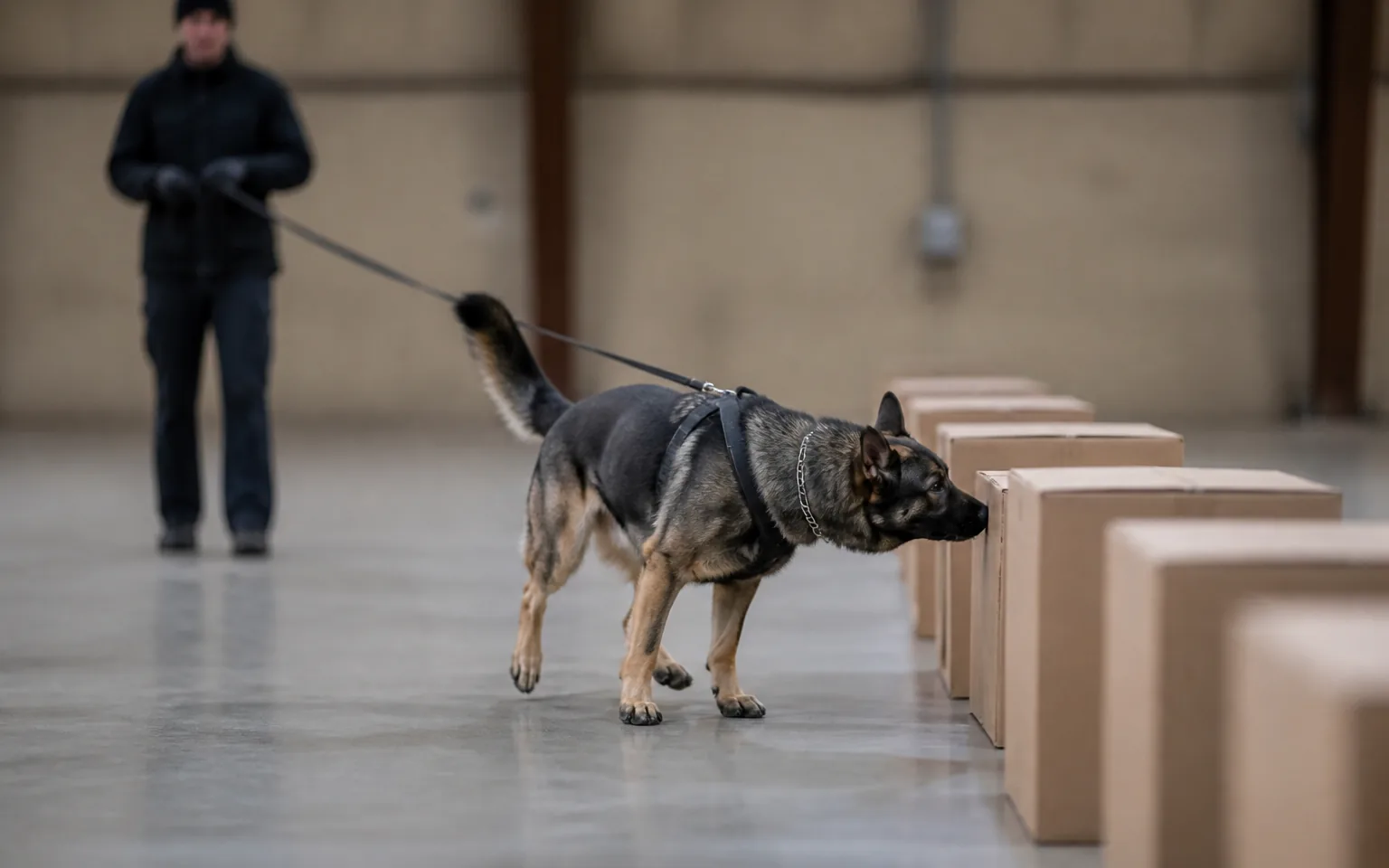
Identifying a target odour in different environments.

This page is informational. We work in mantrailing, search and rescue and preparation for the TSAC and BH exams - but if you want an honest opinion on what would suit your dog, write to us anytime.