Is hoopers suitable for an older dog?
It is one of the few disciplines designed for exactly that. With no jumps, no sharp turns and no forced stops, the load on the joints is minimal.

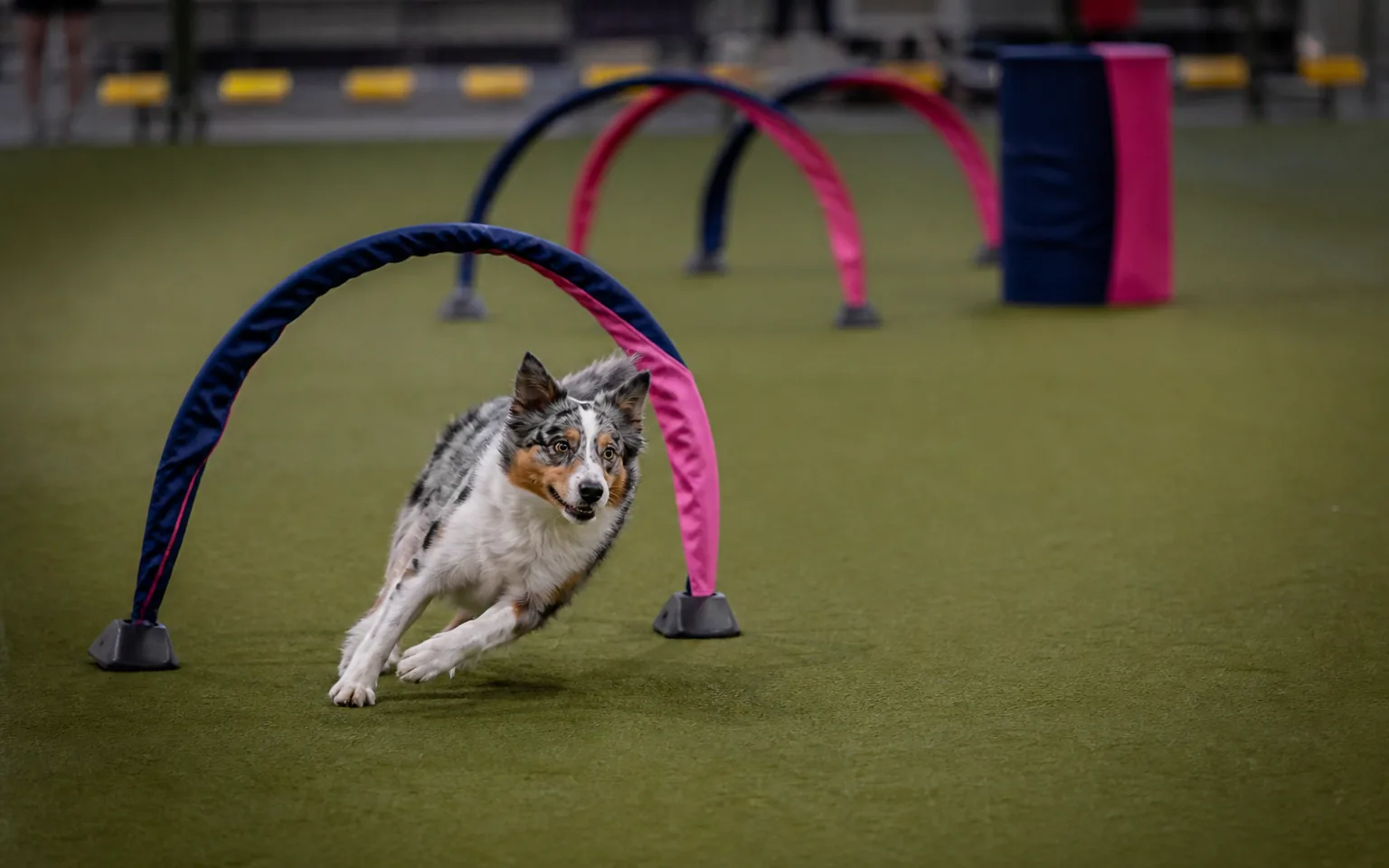
Agility and obstacles
All the logic of agility, without the jumps and without tight turns. The dog runs through hoops, tunnels and gates on wide lines - and the handler directs from a distance.
About the discipline
Hoopers is a relatively young sport, designed specifically as a gentle alternative to agility. The obstacles are hoops standing on the ground, tunnels, barrels and gates - nothing to jump, nothing to climb.
The lines are wide and flowing, with no abrupt stops, which means minimal strain on the joints. A dog with mild dysplasia, a senior or one in rehabilitation can do hoopers safely.
The interesting part is that the handler usually stays inside a marked box. They do not run alongside but direct the dog from a distance, with voice and gestures alone. It becomes a sport of communication rather than speed.
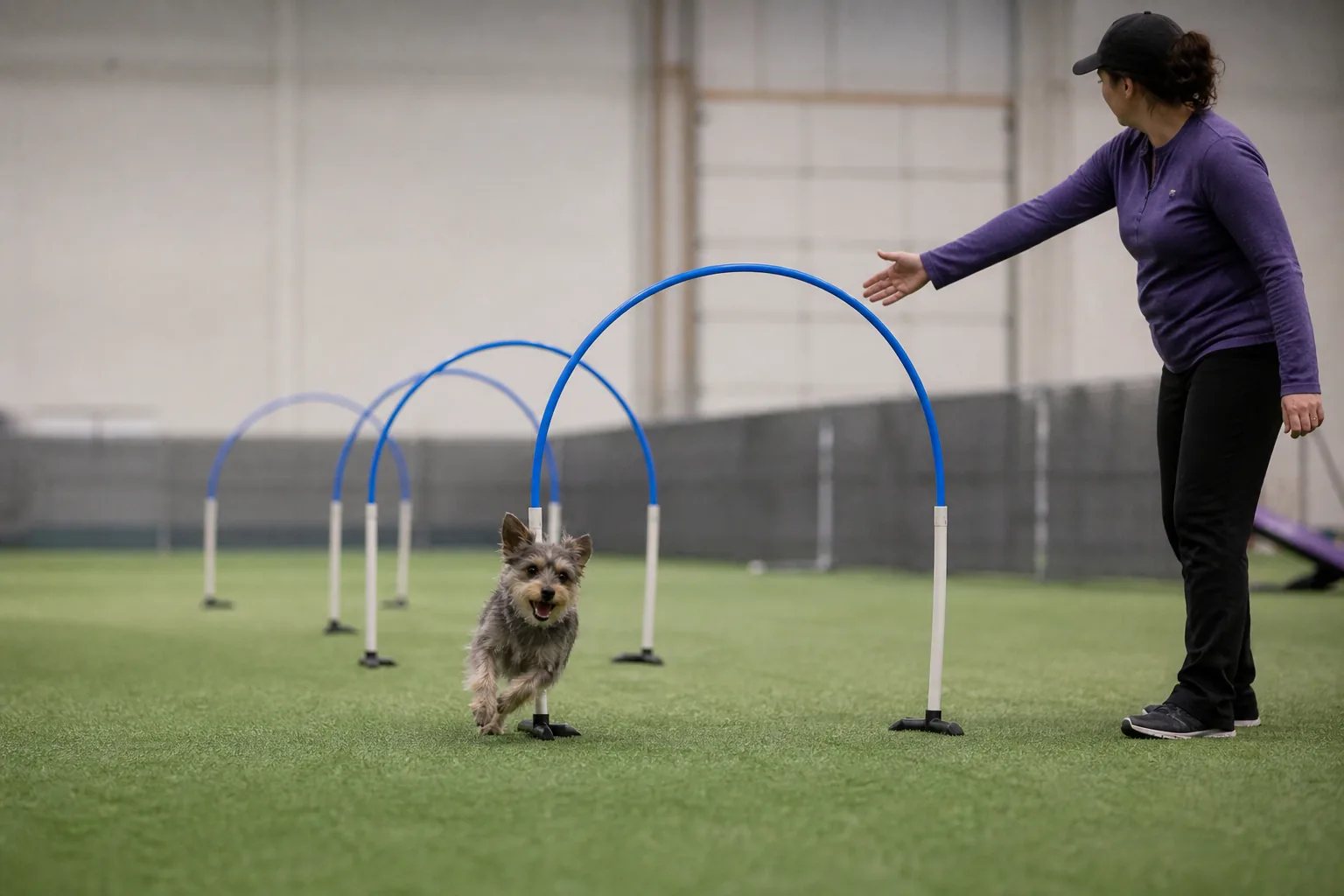
How it works in practice
Frequently asked questions
It is one of the few disciplines designed for exactly that. With no jumps, no sharp turns and no forced stops, the load on the joints is minimal.
Agility involves jumping, climbing and tight turns, with the handler running alongside. Hoopers has no jumps, the lines are wide, and the handler directs from a distance.
Yes, and that is the real challenge of the discipline. It is built gradually, starting a few metres away and increasing the distance as the dog learns the gestures.
Start very close, with a single hoop, and reward going through it. Then step back one pace at a time, not two. Gestures must be large and consistent from the outset, because at ten metres the dog can no longer read your face, only the direction of your arm.
From the same category
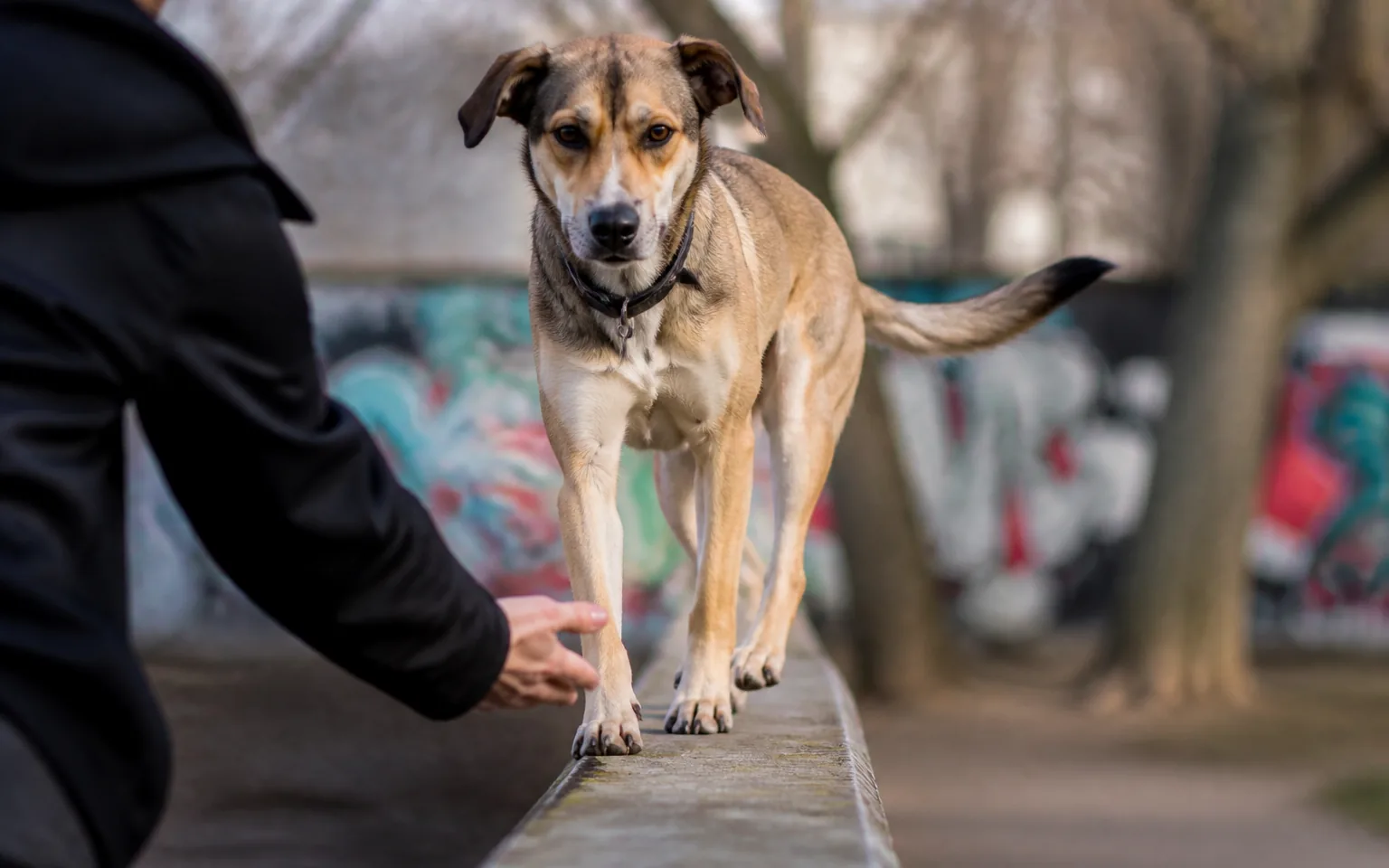
Controlled negotiation of obstacles in urban or natural settings.
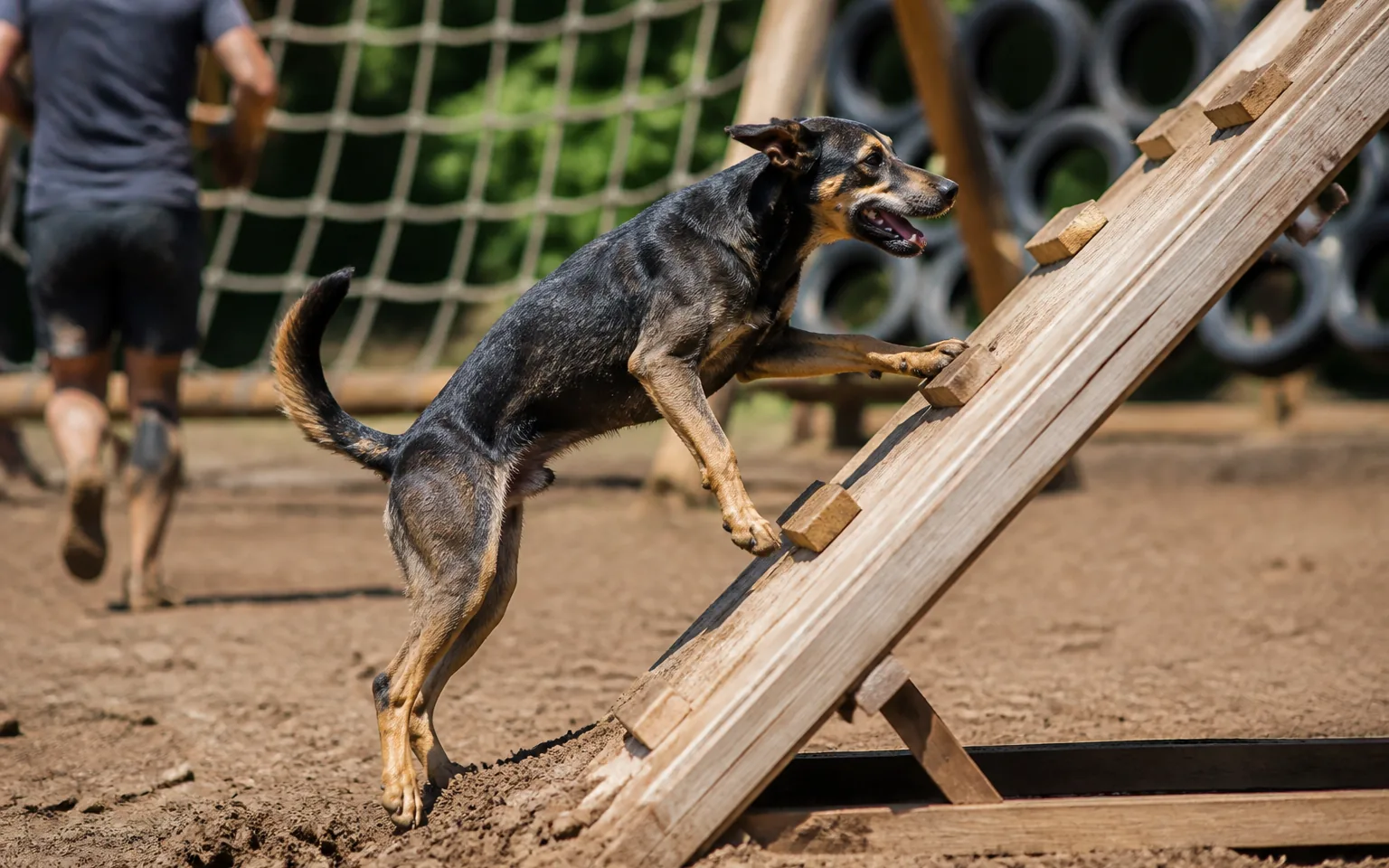
Varied courses testing balance, strength and coordination.
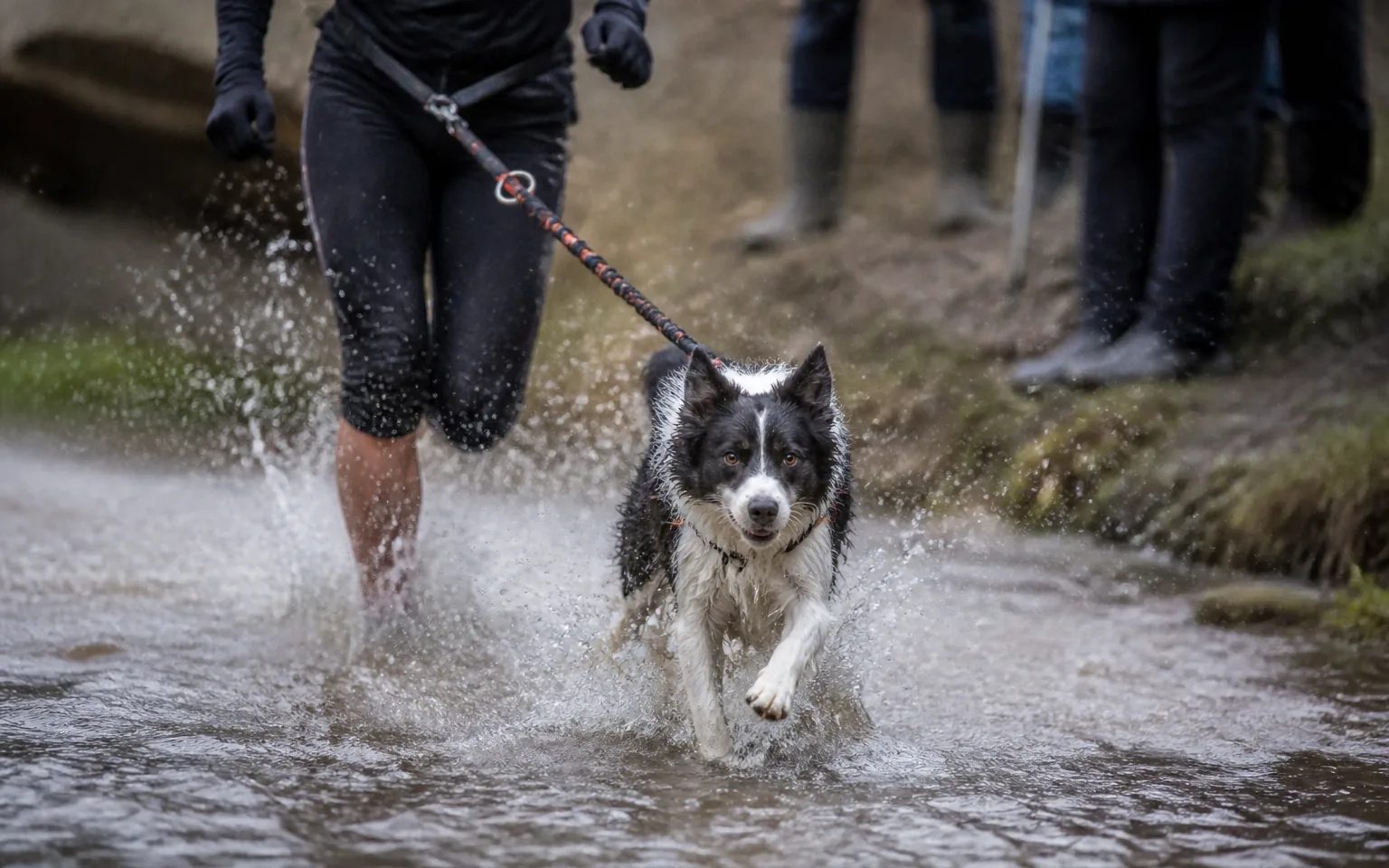
Running with your dog on courses that include obstacles.
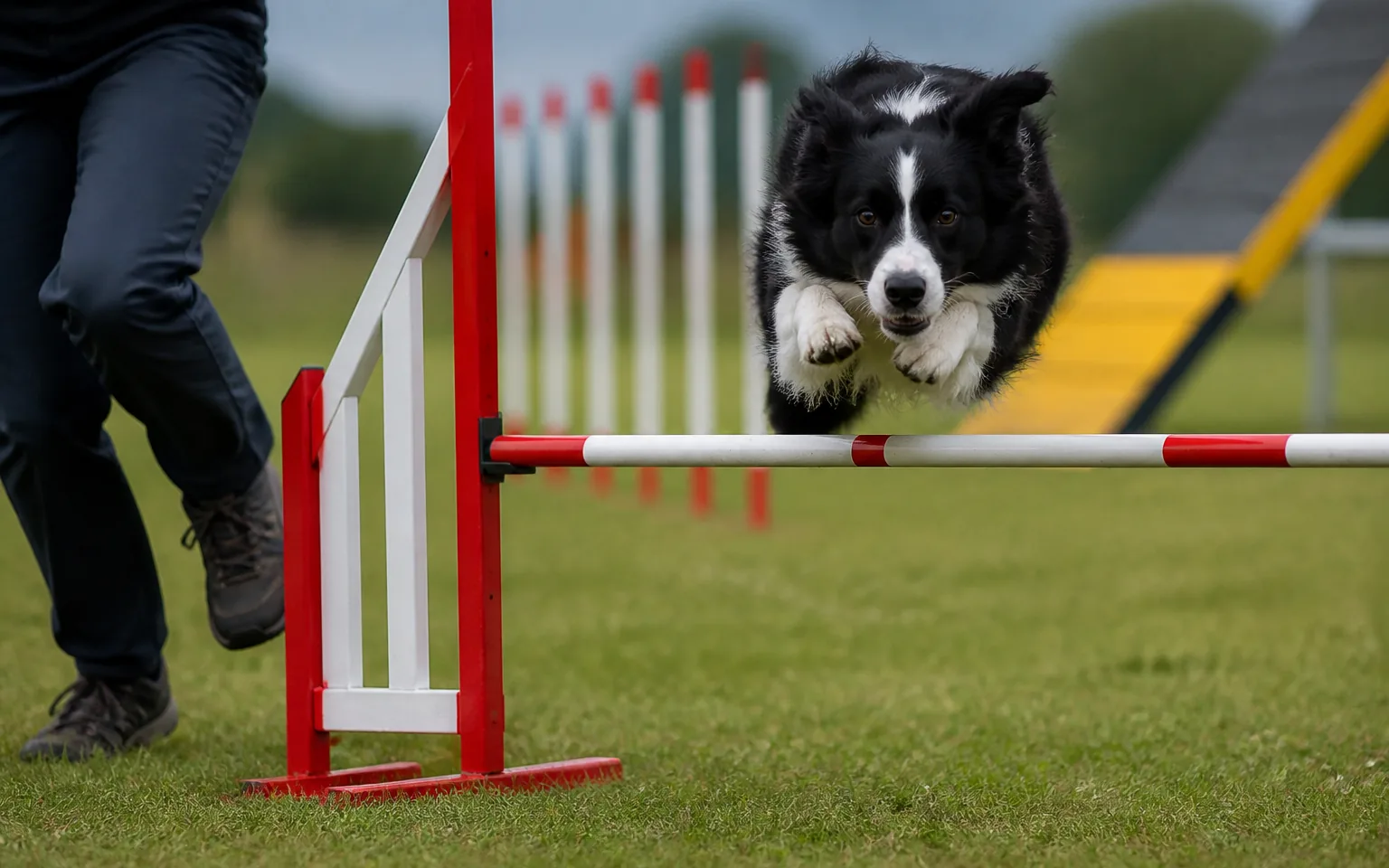
A course of jumps, tunnels, weaves and contact obstacles.

This page is informational. We work in mantrailing, search and rescue and preparation for the TSAC and BH exams - but if you want an honest opinion on what would suit your dog, write to us anytime.