From what age can a dog run?
You do not run sustained distances with a growing dog. Depending on size, wait for the growth plates to close, somewhere between 12 and 18 months. Until then, only walks and free play.

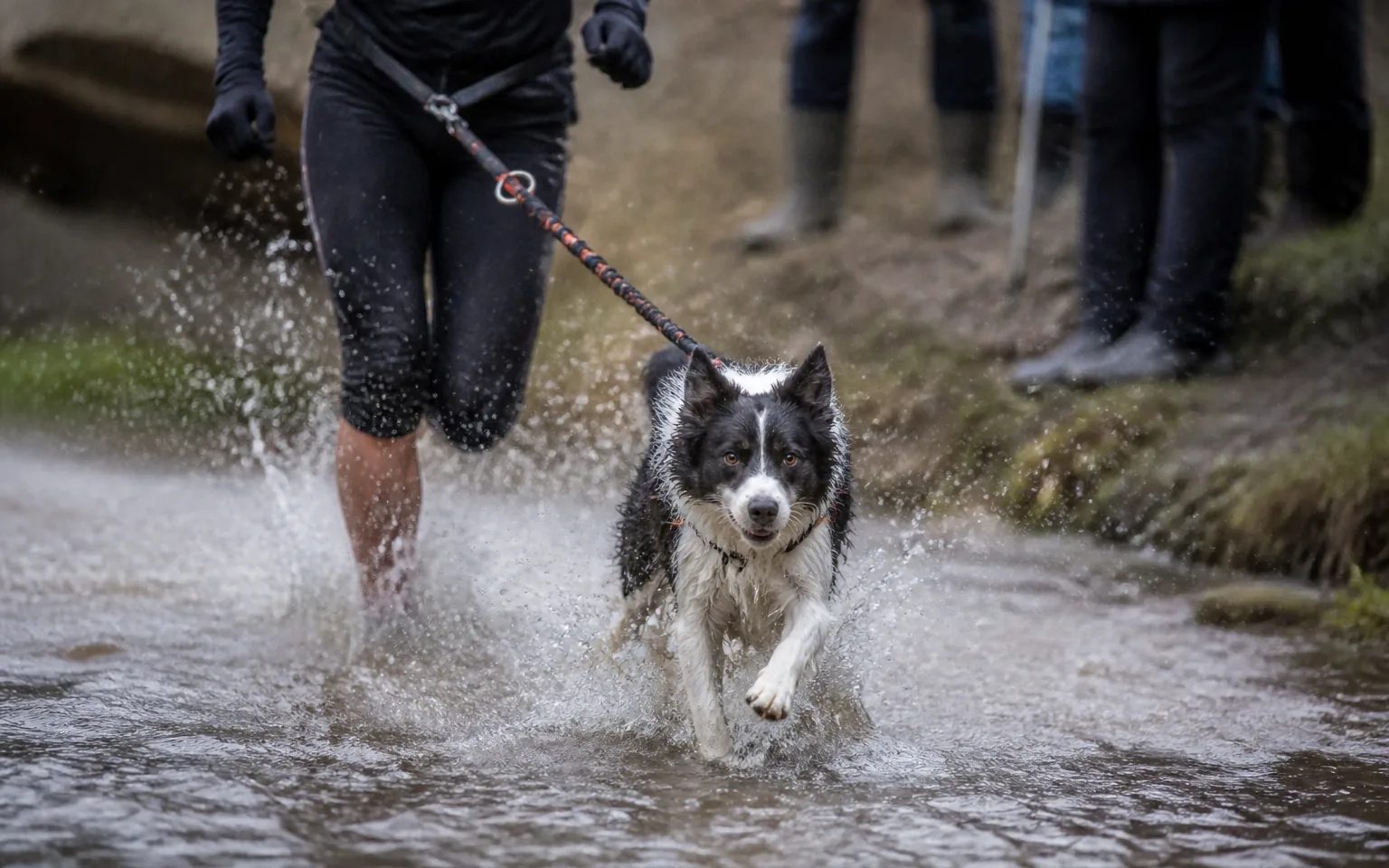
Agility and obstacles
Classic canicross, but on a course that also throws problems at you: ditches, tree stumps, low fences, mud. You run attached to your dog and cross the obstacles together, not in turns.
About the discipline
The format grew out of the meeting between canicross and popular obstacle races. The runner is attached to the dog by a belt and a bungee line, and the course includes obstacles.
Unlike human obstacle races, the obstacles here are designed so both can cross them. You will not find three-metre walls, but low crossings, ditches and technical sections.
The pace is set by the dog, and coordination matters more than strength. A well-synchronised pair crosses the obstacles without slowing down.
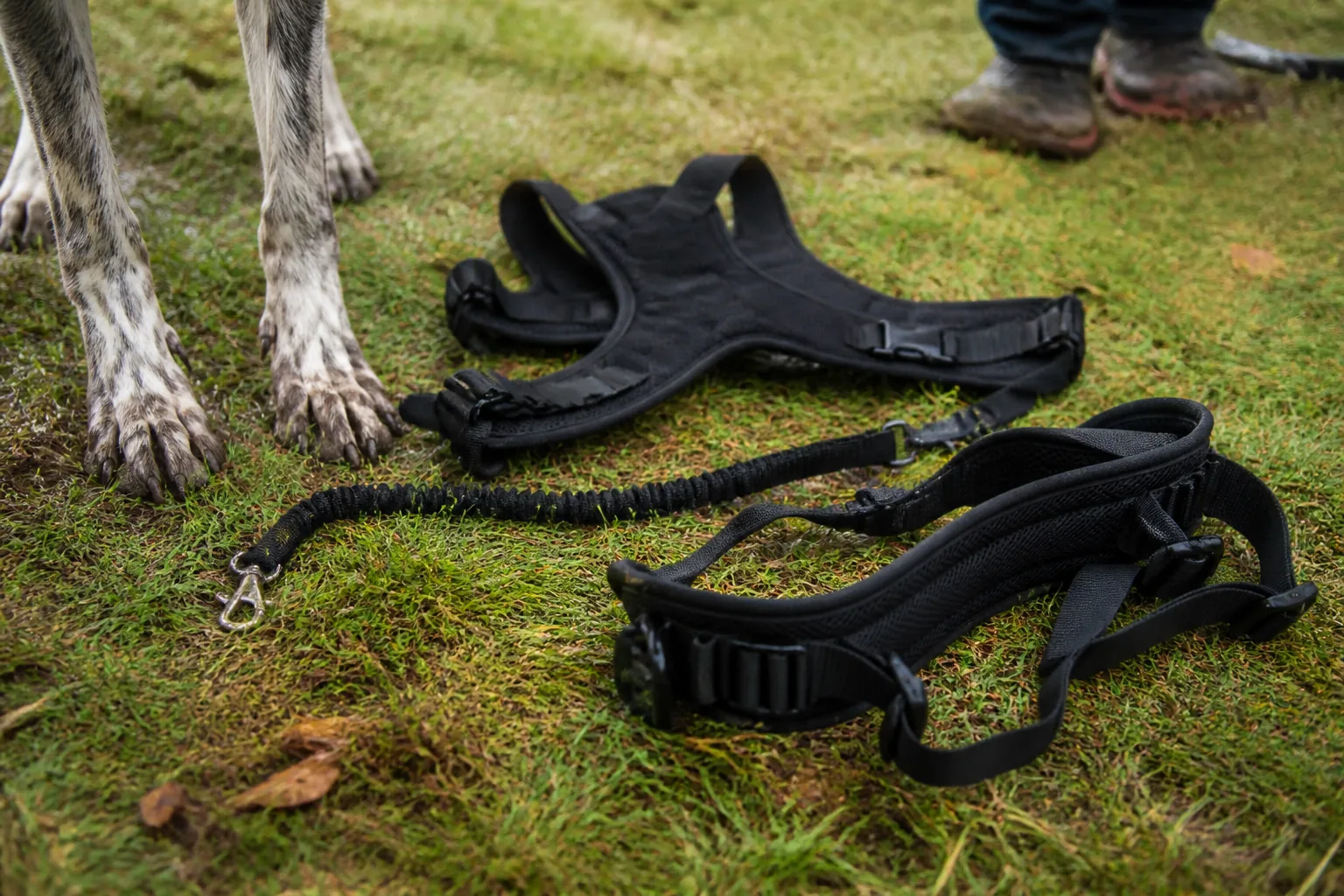
How it works in practice
Brachycephalic breeds, with short muzzles, are not suited to sustained effort, especially in warm weather.
Frequently asked questions
You do not run sustained distances with a growing dog. Depending on size, wait for the growth plates to close, somewhere between 12 and 18 months. Until then, only walks and free play.
The colder the better. Above 15 to 18 degrees the effort becomes risky for most dogs, and serious races are cancelled in high temperatures.
No. The bungee line and pulling harness exist to distribute the force safely. An ordinary lead clipped to a collar can injure the dog.
From the same category
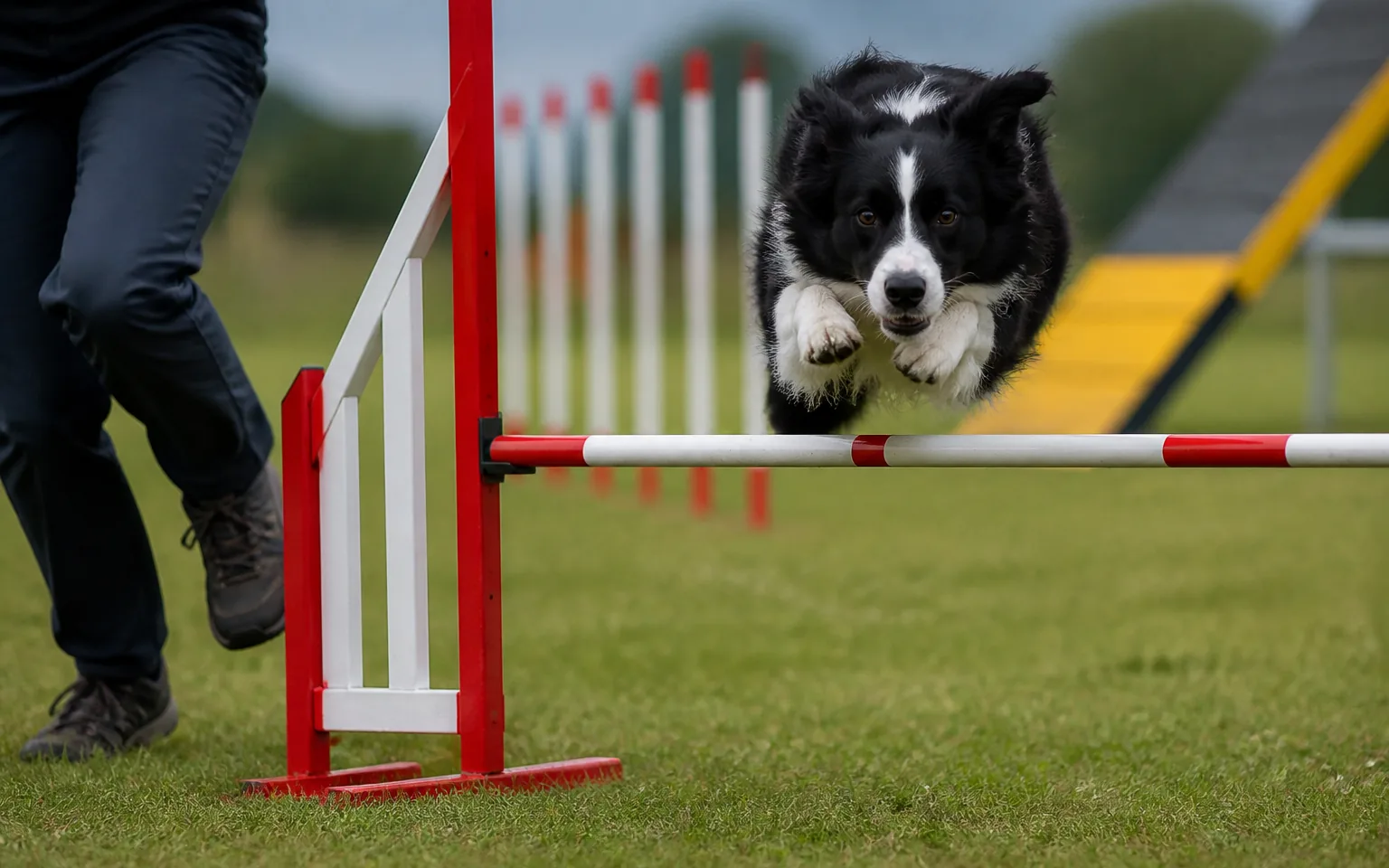
A course of jumps, tunnels, weaves and contact obstacles.
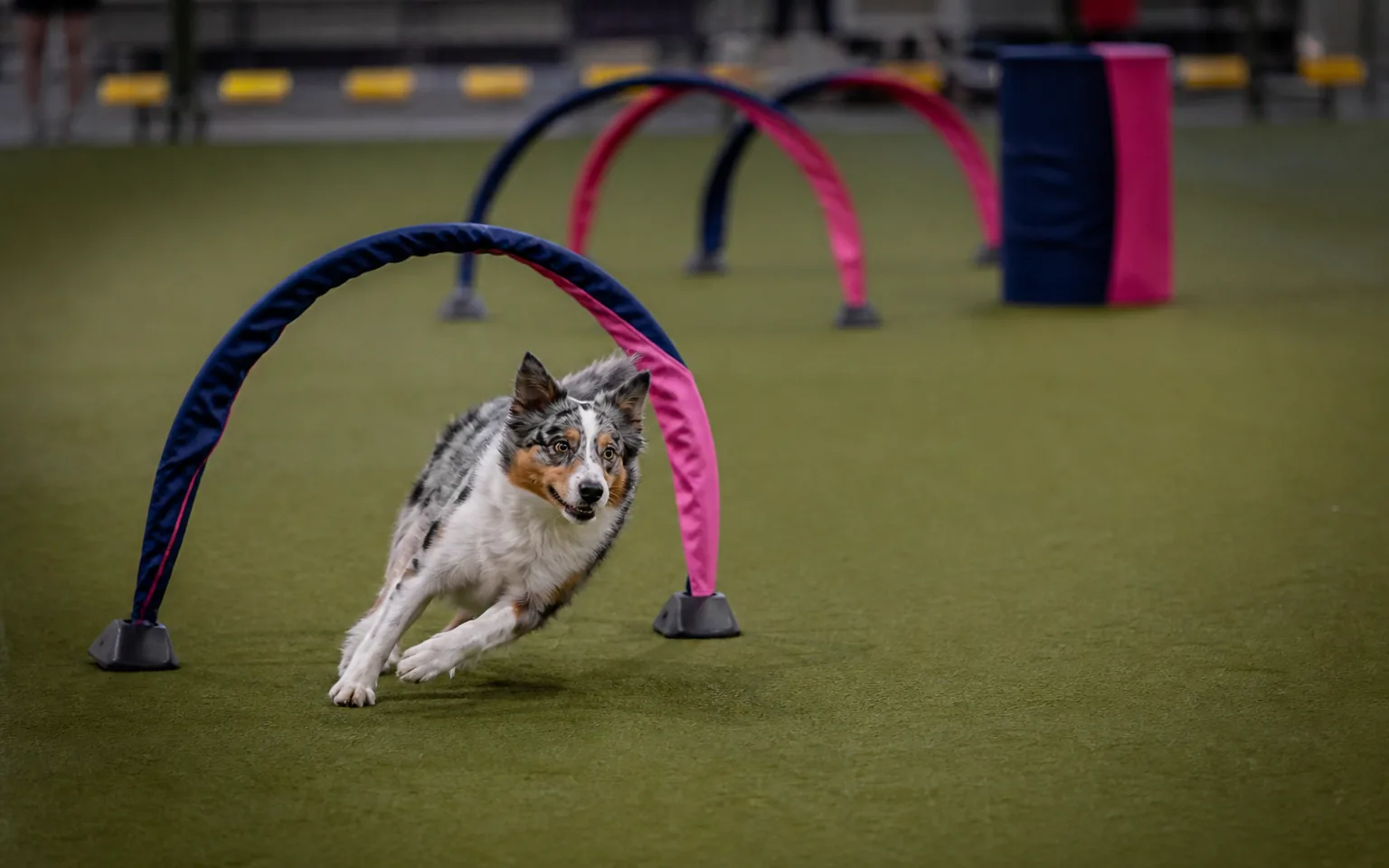
A course of hoops, tunnels and gates, with no high jumps.
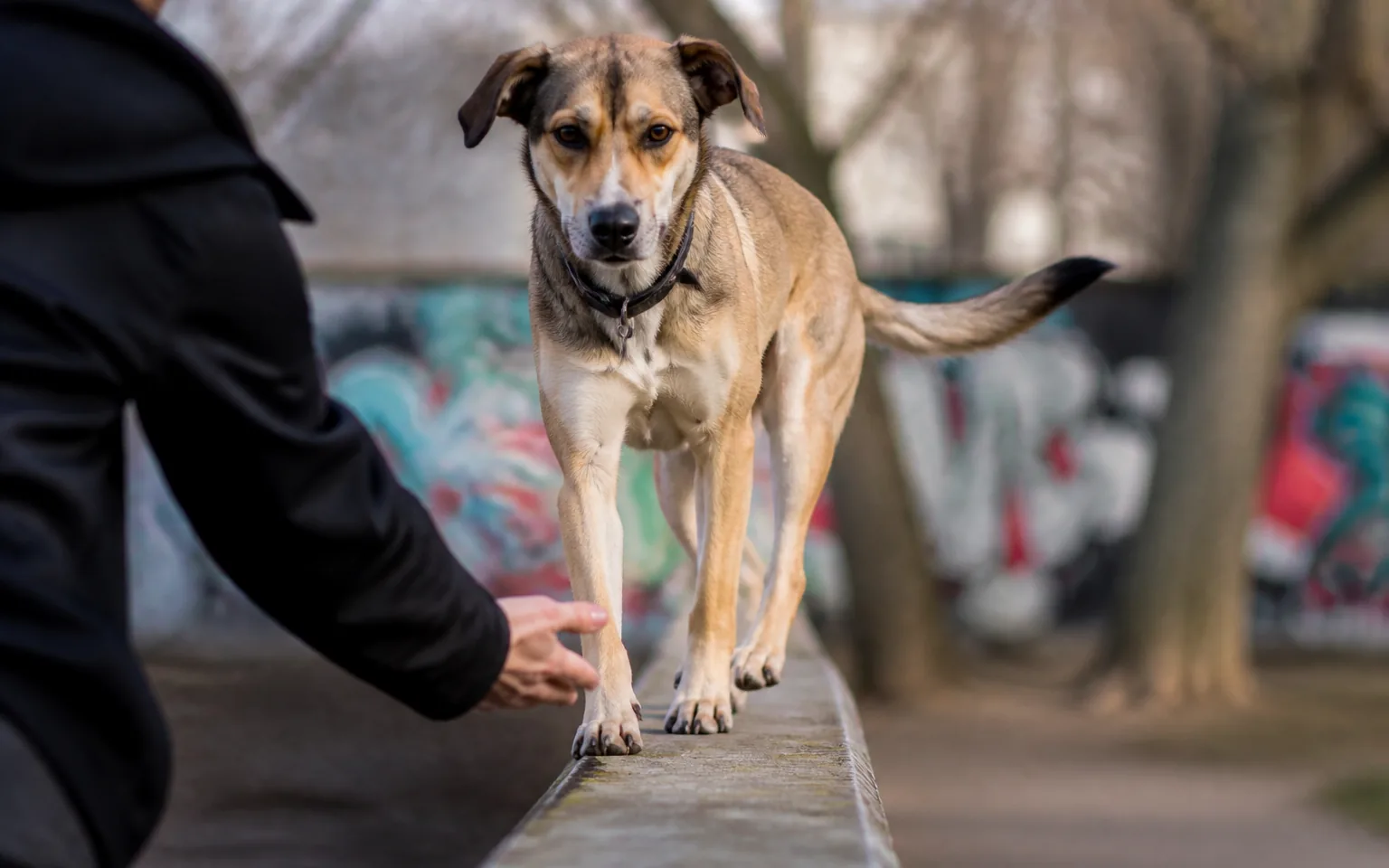
Controlled negotiation of obstacles in urban or natural settings.
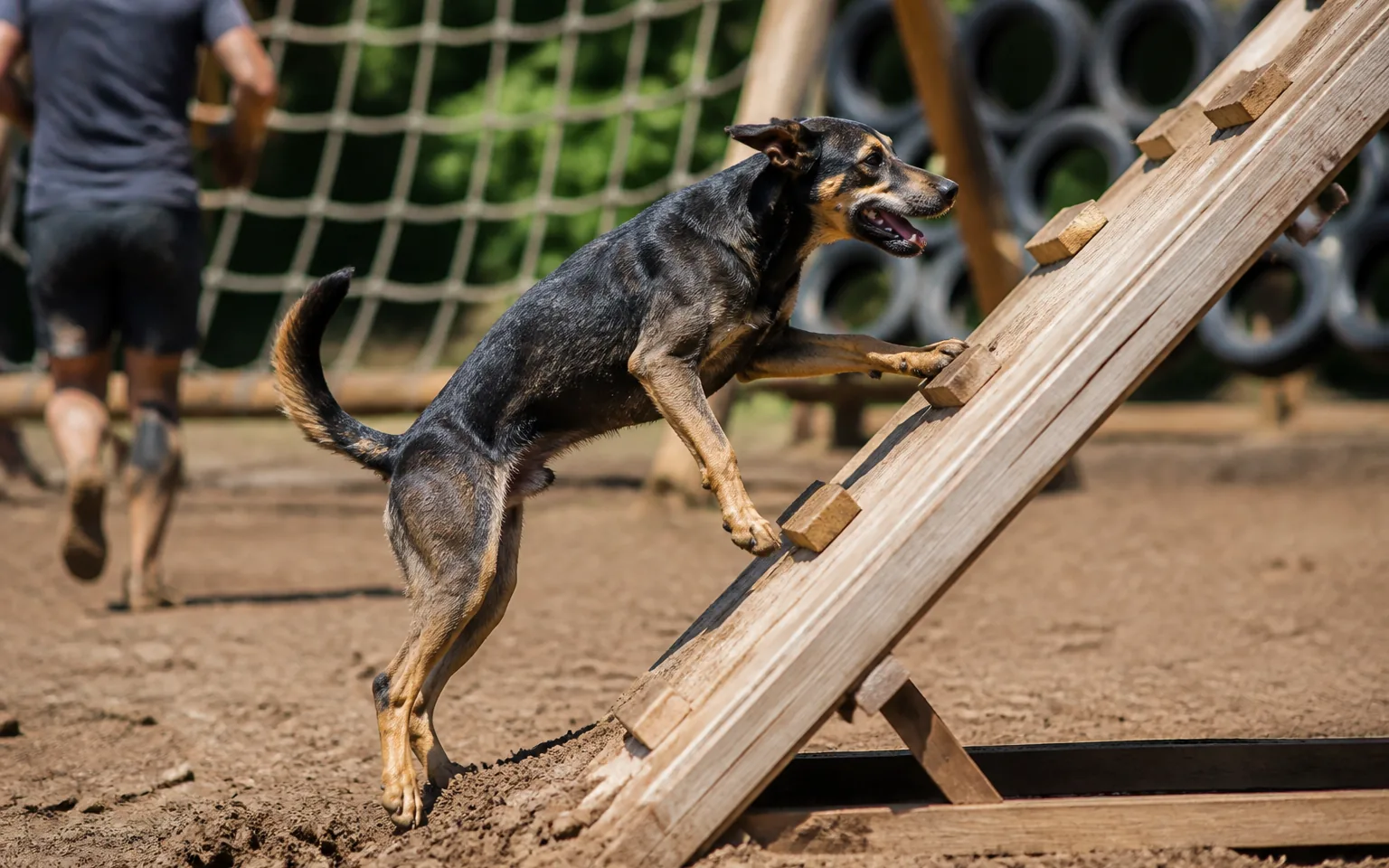
Varied courses testing balance, strength and coordination.
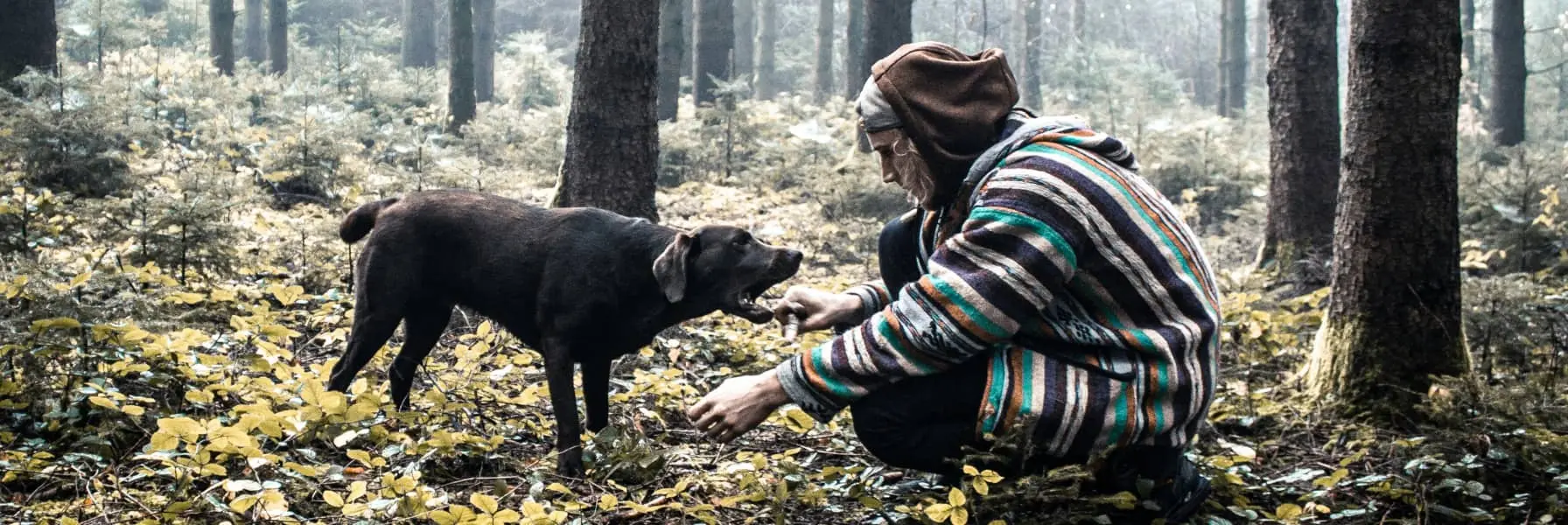
This page is informational. We work in mantrailing, search and rescue and preparation for the TSAC and BH exams - but if you want an honest opinion on what would suit your dog, write to us anytime.