Why is it controversial?
Because of the commercial betting circuit, where repeated welfare problems have appeared: injuries, keeping conditions and the fate of dogs after retirement. Several countries have restricted or banned commercial racing.

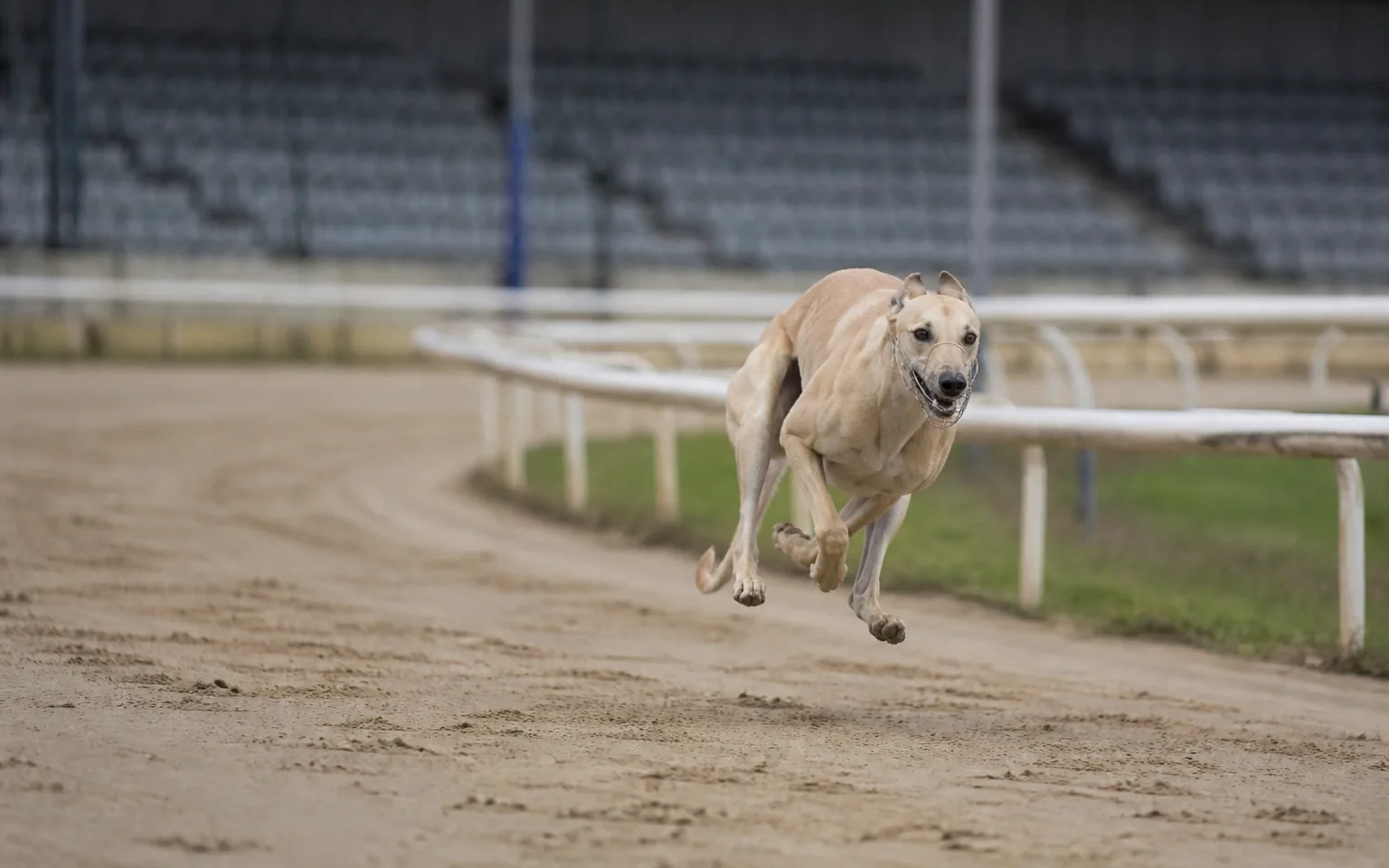
Speed and running
Pure speed racing on an oval track, where sighthounds chase a mechanical lure. A greyhound exceeds 60 km/h - its acceleration compares to a sports car.
About the discipline
Greyhound races are run on oval tracks where the dogs chase a mechanical lure travelling along a rail. Whoever crosses the line first wins.
It is a sport with a long history and, in some countries, a significant commercial dimension, which over time has drawn serious criticism over animal welfare and the fate of dogs after retirement.
Several states have restricted or banned commercial racing, and the emphasis has shifted to amateur formats and to lure coursing, considered gentler.
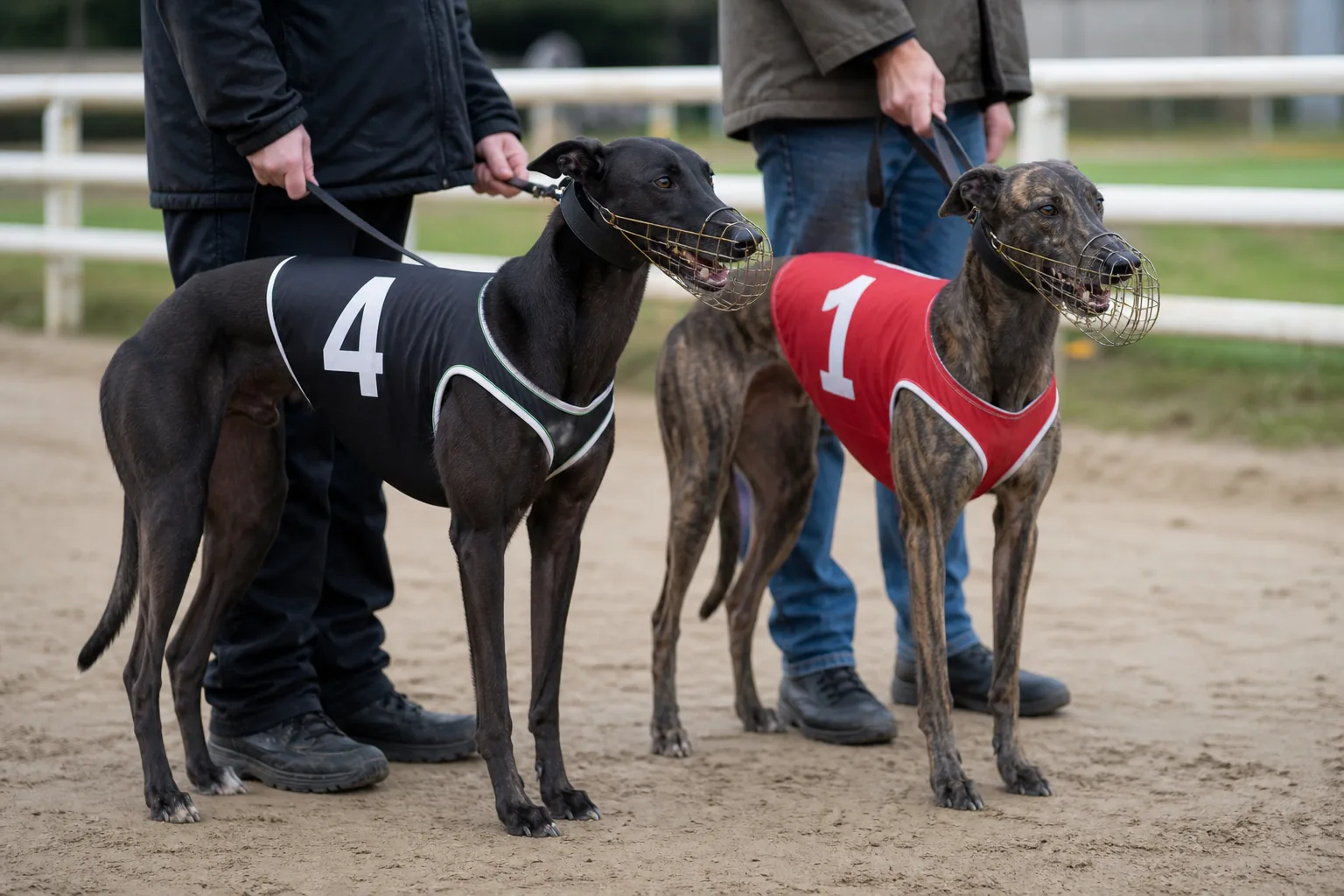
How it works in practice
It is worth saying plainly that this is the most controversial discipline on the list, because of welfare problems in the commercial circuit.
Frequently asked questions
Because of the commercial betting circuit, where repeated welfare problems have appeared: injuries, keeping conditions and the fate of dogs after retirement. Several countries have restricted or banned commercial racing.
A greyhound exceeds 60 km/h, with remarkable acceleration over the first few metres. It is the fastest dog in the world over short distances.
Yes, lure coursing: the same pursuit of a lure, but on open ground with a winding course and without the commercial dimension.
This is precisely the sensitive point. In the commercial circuit many dogs leave the sport at three or four, and without serious adoption programmes their fate has often been problematic. Rehoming organisations in several countries were formed specifically to take in and rehabilitate these dogs.
The rule figures on this page come from FCI - Regulations for international sighthound racing and lure coursing events, 2026. Rules change and federations differ - always check the rulebook of the competition you are entering.
From the same category
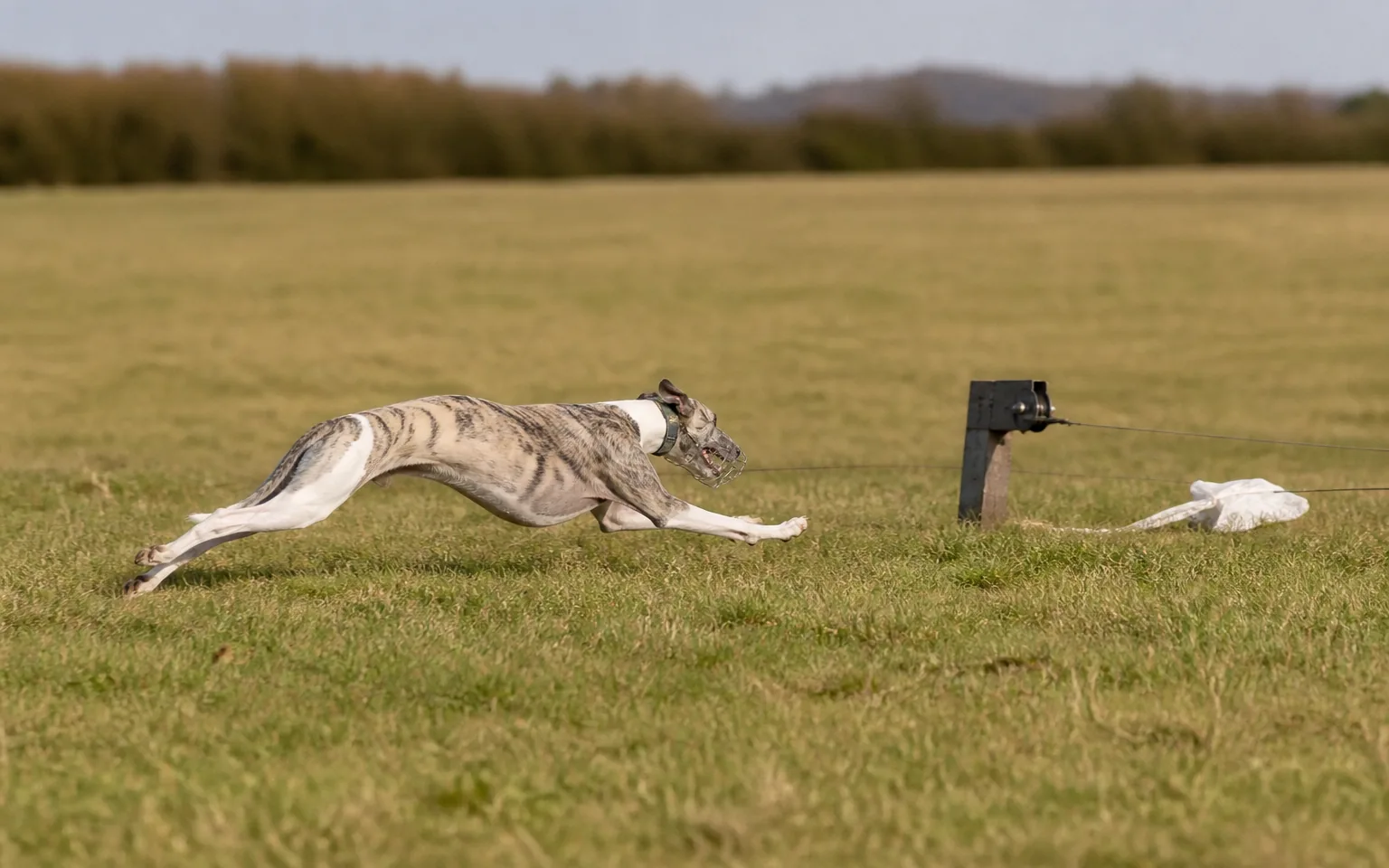
Chasing an artificial lure across a course in open field.
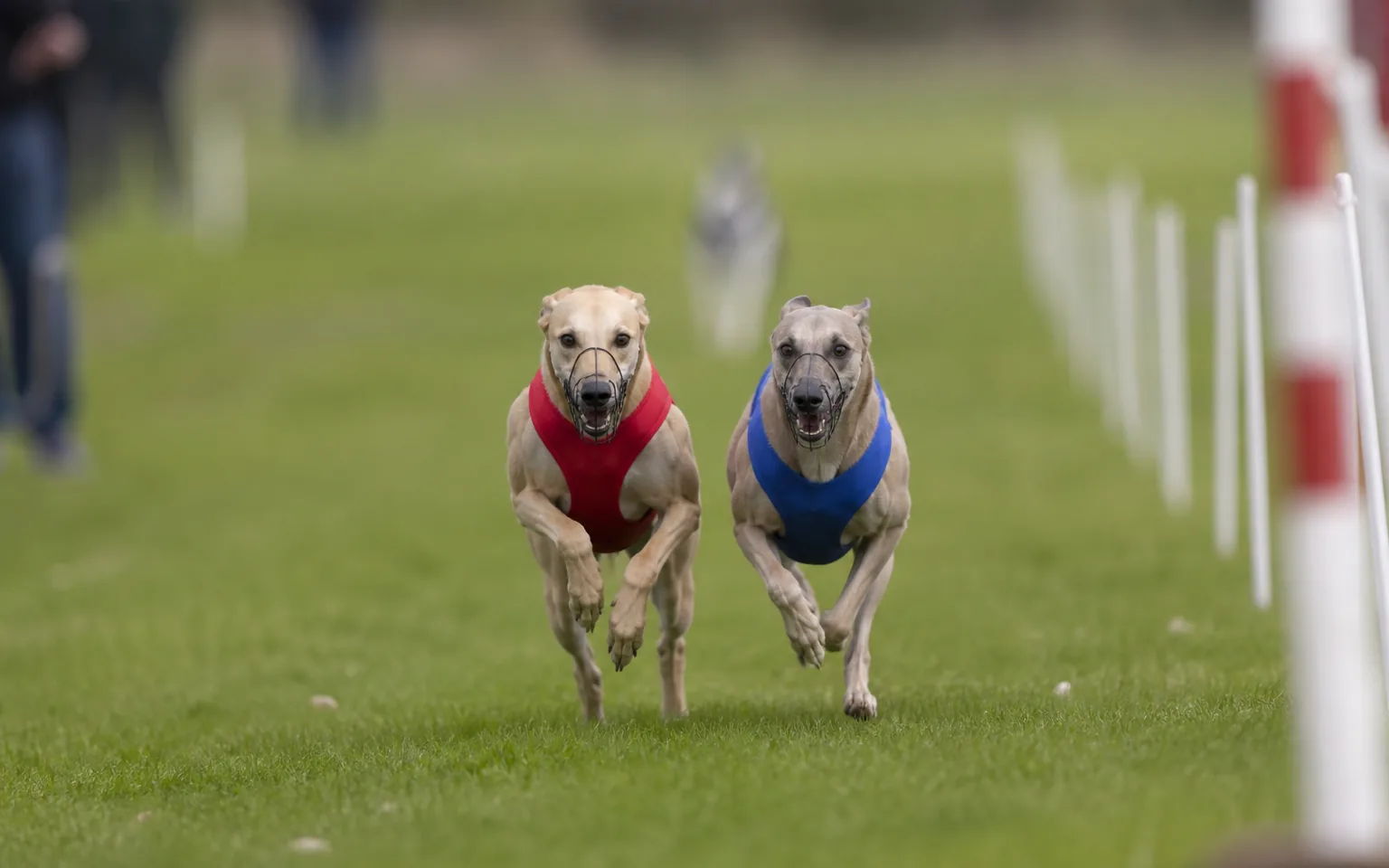
A sprint in a straight line after a lure.
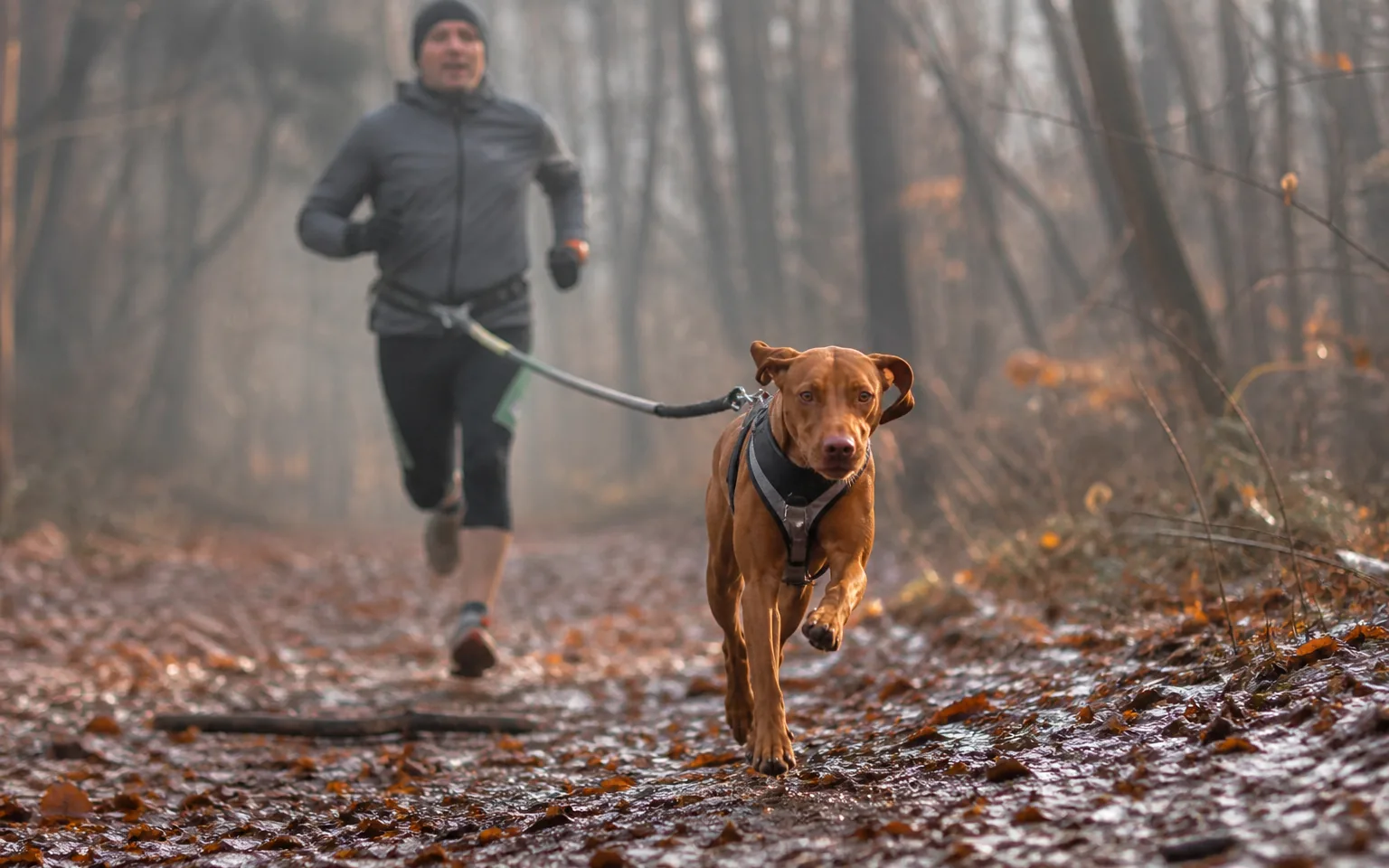
Cross-country running with the dog attached to your waist.
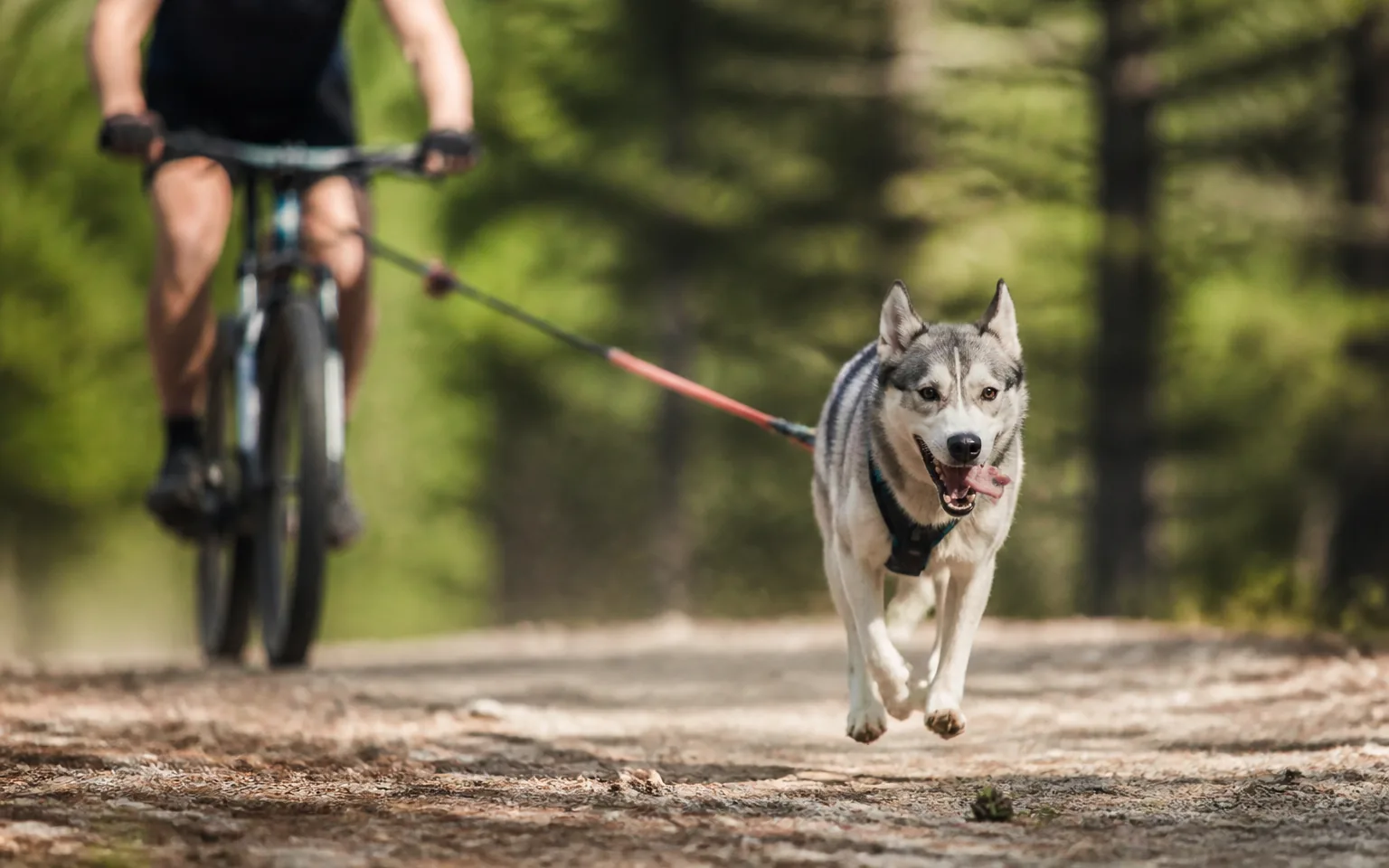
The dog runs ahead of the bike and helps pull it.
This page is informational. We work in mantrailing, search and rescue and preparation for the TSAC and BH exams - but if you want an honest opinion on what would suit your dog, write to us anytime.