Is a live animal used?
No. The lure is artificial, usually a plastic bag or a strip of fabric. That was the whole point of the discipline: the chase instinct, without the hunt.

Speed and running
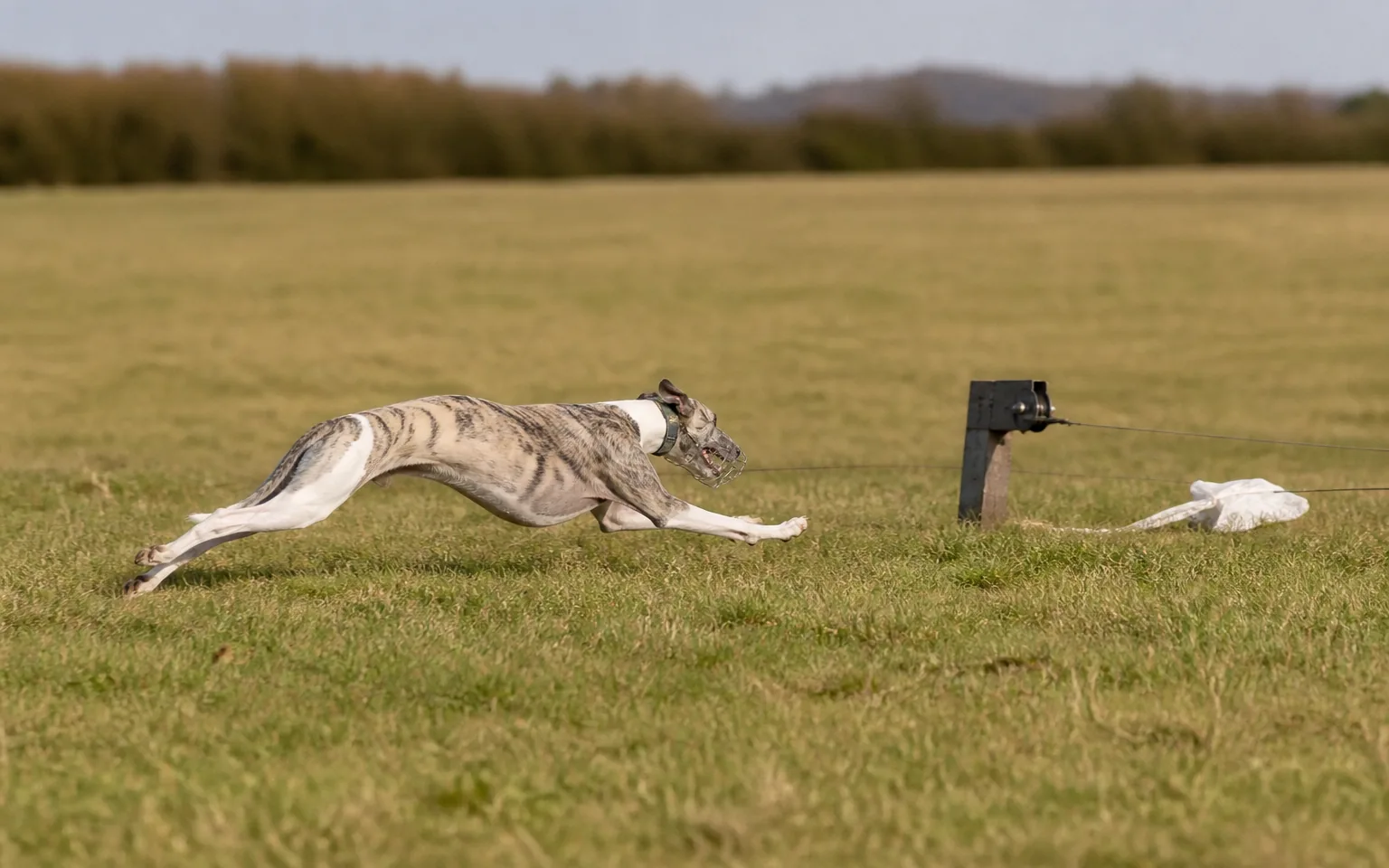
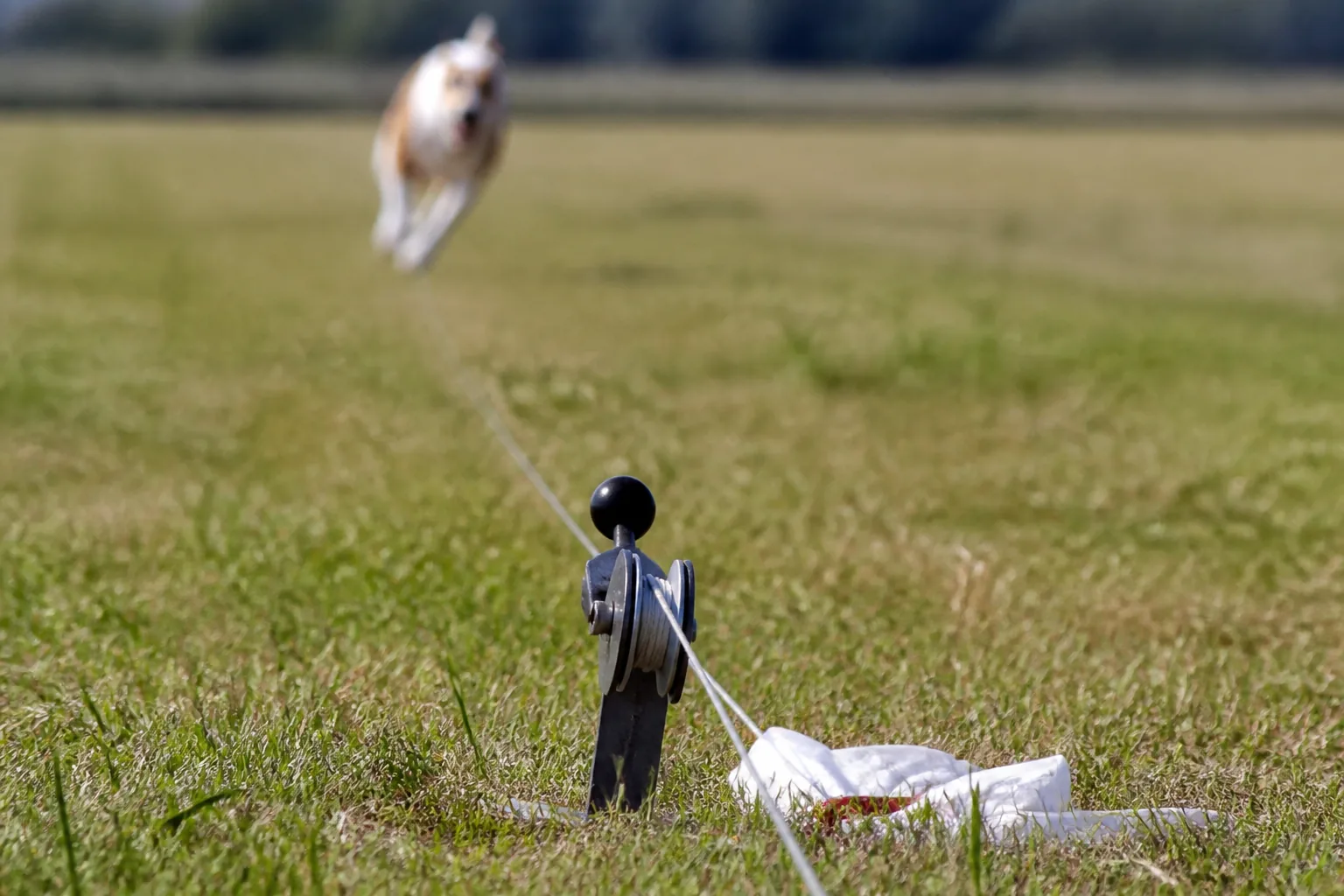
A plastic bag drawn quickly along a cable, through a winding course in an open field. The dog chases it by sight - the same instinct as hunting, but with no animal involved.
About the discipline
Lure coursing simulates hunting by sight, using an artificial lure - usually a simple plastic bag - drawn by a motor along a cable through a course with turns.
Unlike track racing, the course is winding and laid out in an open field. Speed is assessed, but so are agility, enthusiasm and the way the dog follows the lure.
The discipline was originally designed for sighthounds, but there are increasingly many events open to all breeds as a recreational activity.
How it works in practice
Not suitable for dogs with joint or cardiac problems. Turns at speed place real strain on the body.
Frequently asked questions
No. The lure is artificial, usually a plastic bag or a strip of fabric. That was the whole point of the discipline: the chase instinct, without the hunt.
At official competitions, generally only sighthound breeds. There are, however, increasingly many recreational events open to all breeds.
Turns at high speed can cause injury, especially on uneven ground. The field is checked beforehand, and dogs are warmed up and medically assessed.
You see it in the first few seconds: a dog with chase drive sets off after the lure with no encouragement, eyes locked on it. If it looks back at you, sniffs the ground or gets bored, this simply is not its activity. You do not insist and you do not stimulate it artificially.
The rule figures on this page come from FCI - Regulations for international sighthound racing and lure coursing events, 2026. Rules change and federations differ - always check the rulebook of the competition you are entering.
From the same category
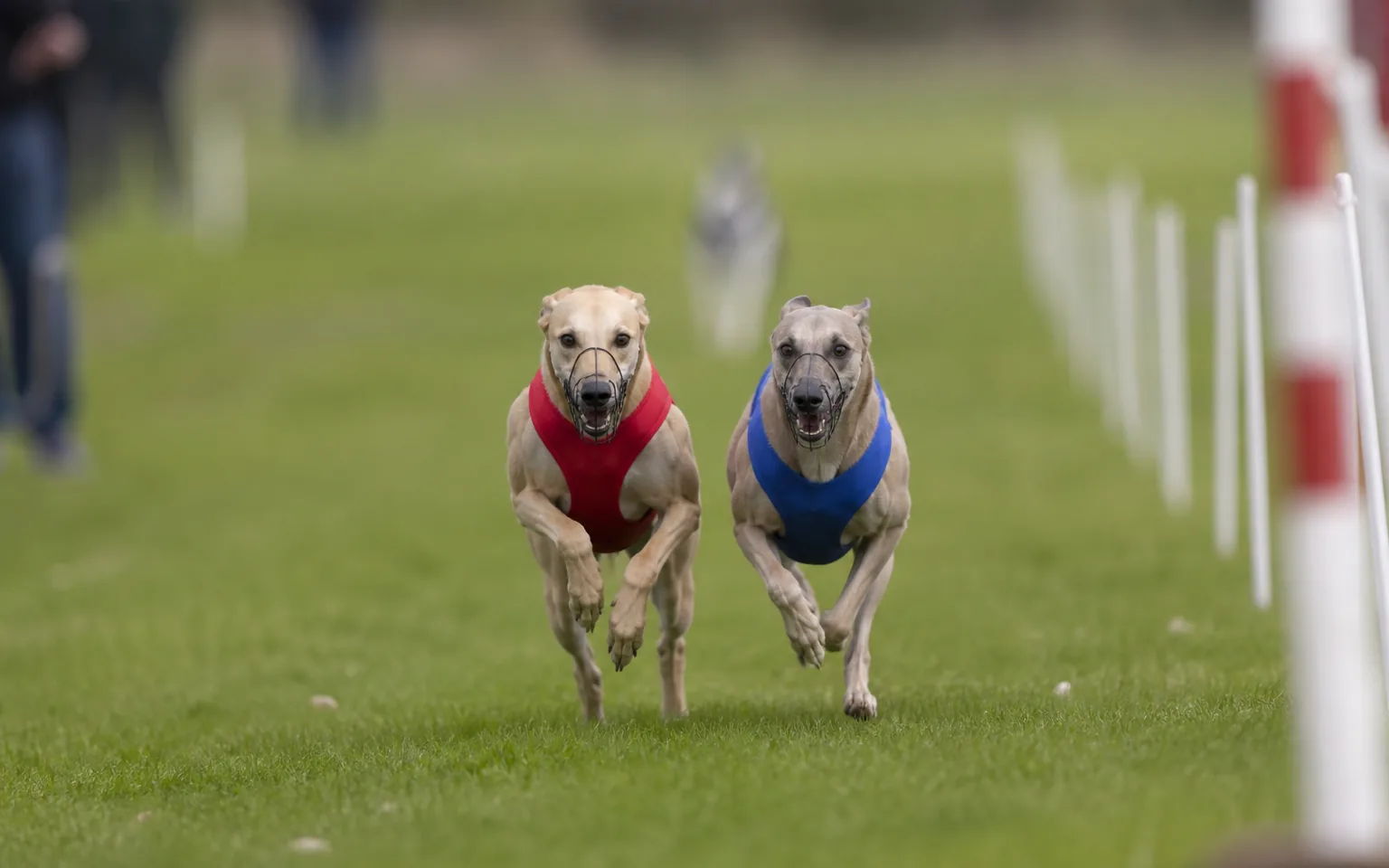
A sprint in a straight line after a lure.
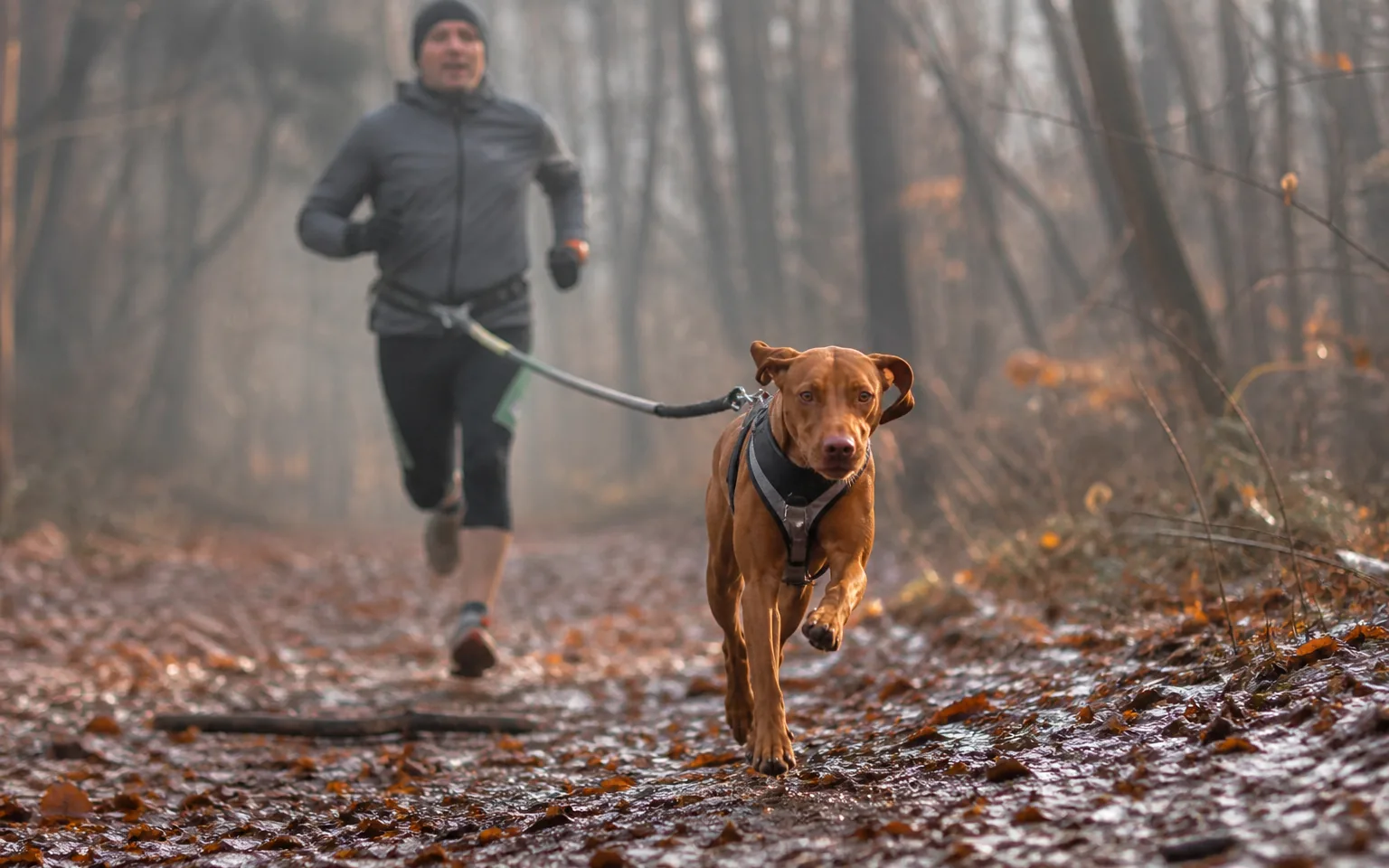
Cross-country running with the dog attached to your waist.
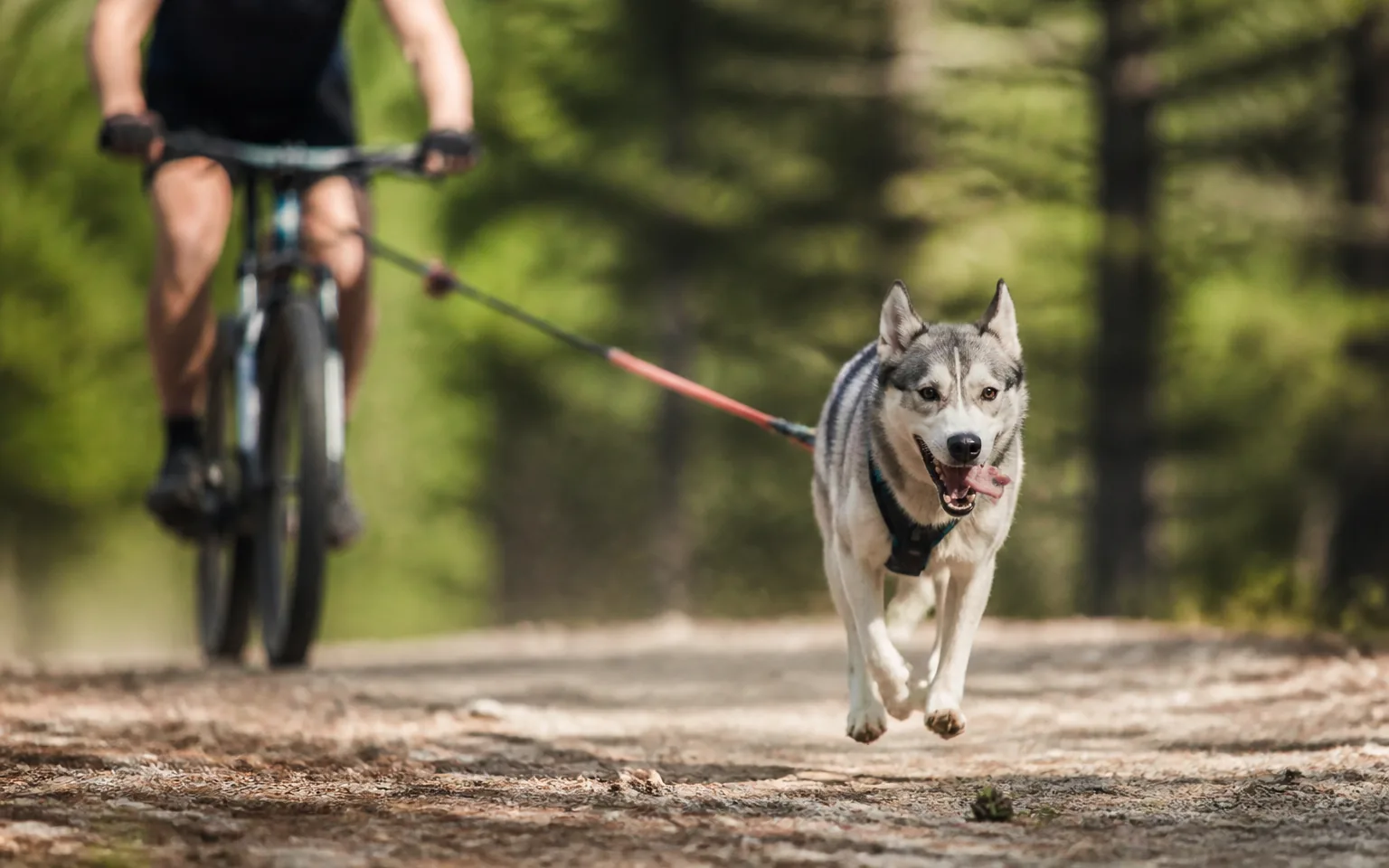
The dog runs ahead of the bike and helps pull it.
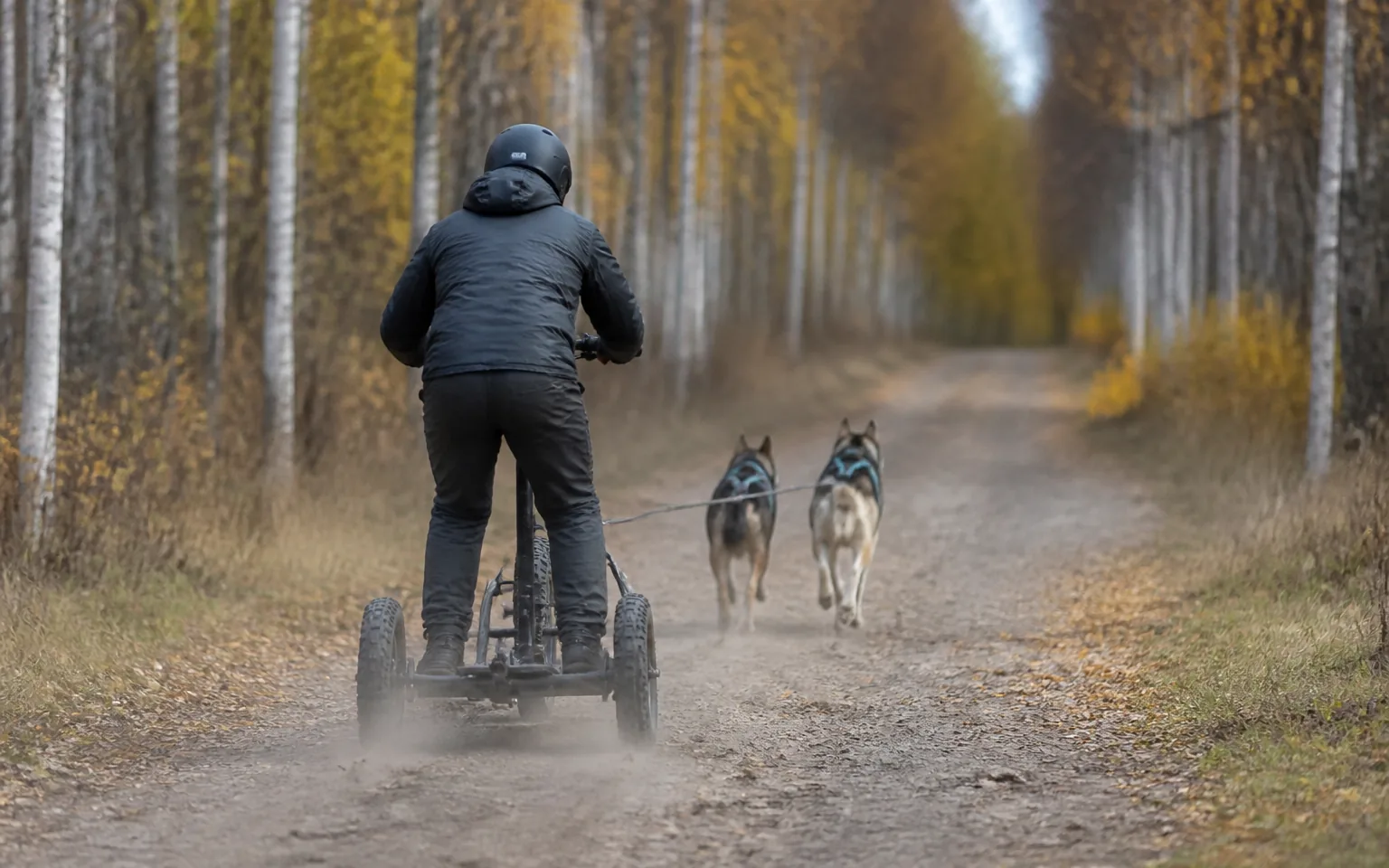
Pulling a specialised off-road scooter.
This page is informational. We work in mantrailing, search and rescue and preparation for the TSAC and BH exams - but if you want an honest opinion on what would suit your dog, write to us anytime.