Why is there no racing in summer?
Because a dog in pulling effort overheats very quickly. Competitions impose temperature limits and are cancelled if it is too warm.

Speed and running
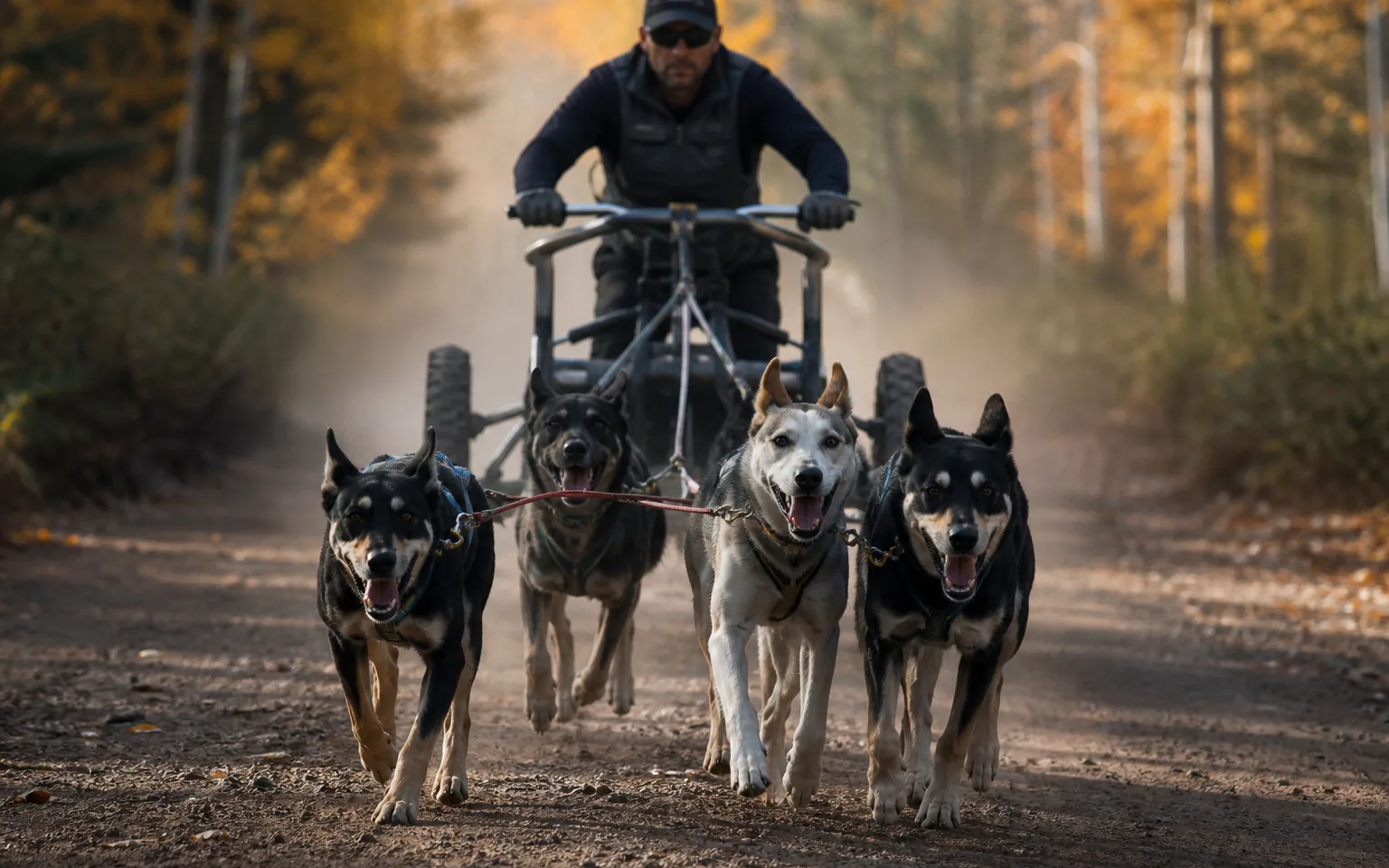
Canine team racing without snow: the sled is replaced by a three- or four-wheeled rig, and races are held in autumn and spring on forest roads.
About the discipline
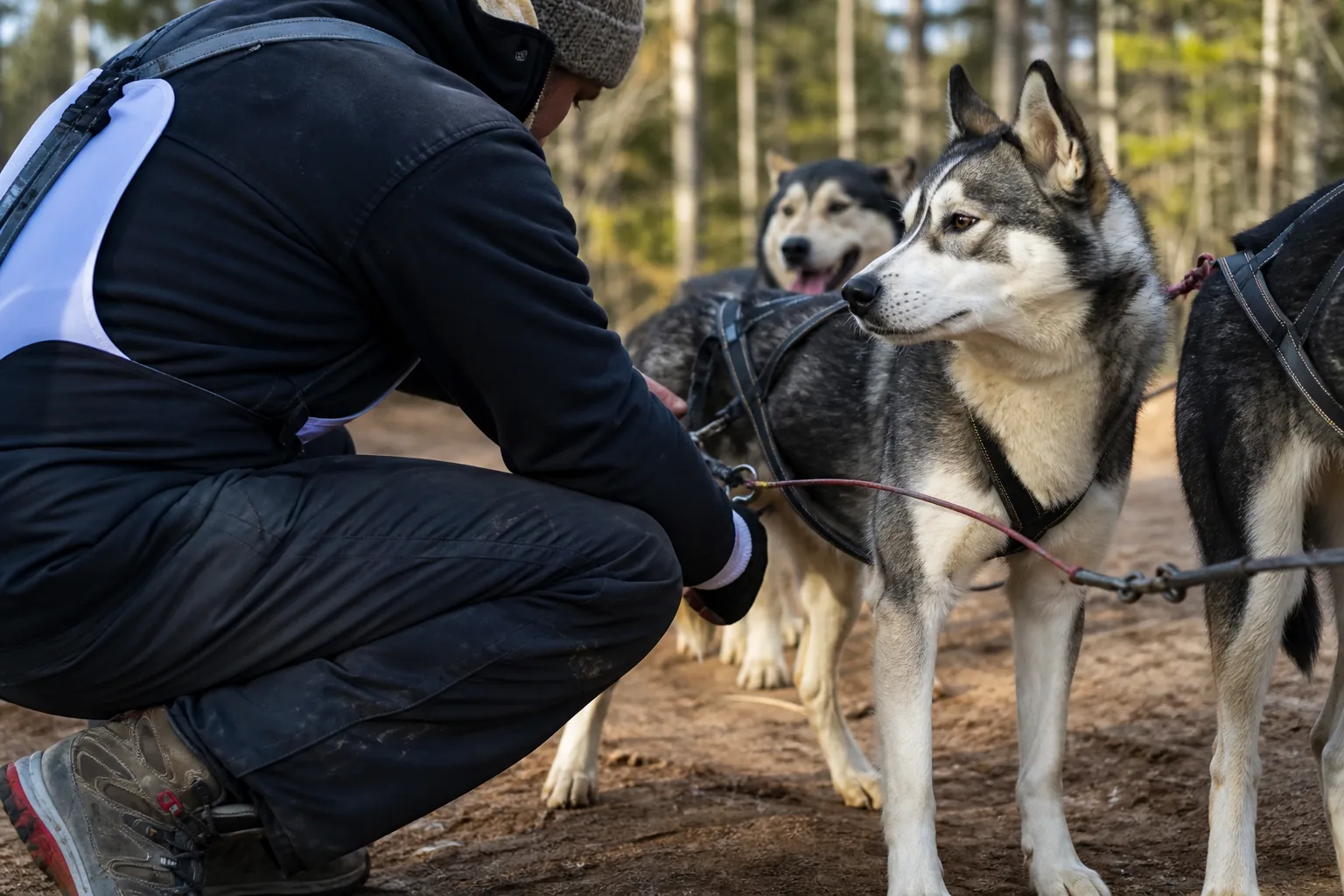
Dryland mushing is the mushing community's answer to a lack of snow. A wheeled rig replaces the sled, and the rest of the logic stays identical.
Races are organised in the cold season without snow - late autumn and early spring - because pulling effort in warm weather is dangerous.
Categories run from two dogs upwards. Alongside them, the same competitions host classes in canicross, bikejoring and scooterjoring.
How it works in practice
Frequently asked questions
Because a dog in pulling effort overheats very quickly. Competitions impose temperature limits and are cancelled if it is too warm.
Only in the vehicle: a rig instead of a sled. Technique, commands and team organisation stay the same, but distances are shorter.
You can compete with two. The big classes require full teams, but most beginners start with one or two pairs.
The same as for snow racing: stamina built gradually, over months rather than weeks. Start with short runs in harness, increase distance gradually and leave recovery days between outings. A dog pulling a rig without conditioning risks muscle and joint injury.
Gradually, over autumn. Short runs first, on cool mornings, with the whole team in harness but a light load. Distance grows week by week and recovery days stay in the plan. A team that starts racing without that base picks up soft-tissue injuries in the first month.
The rule figures on this page come from IFSS - International Federation of Sleddog Sports. Rules change and federations differ - always check the rulebook of the competition you are entering.
From the same category
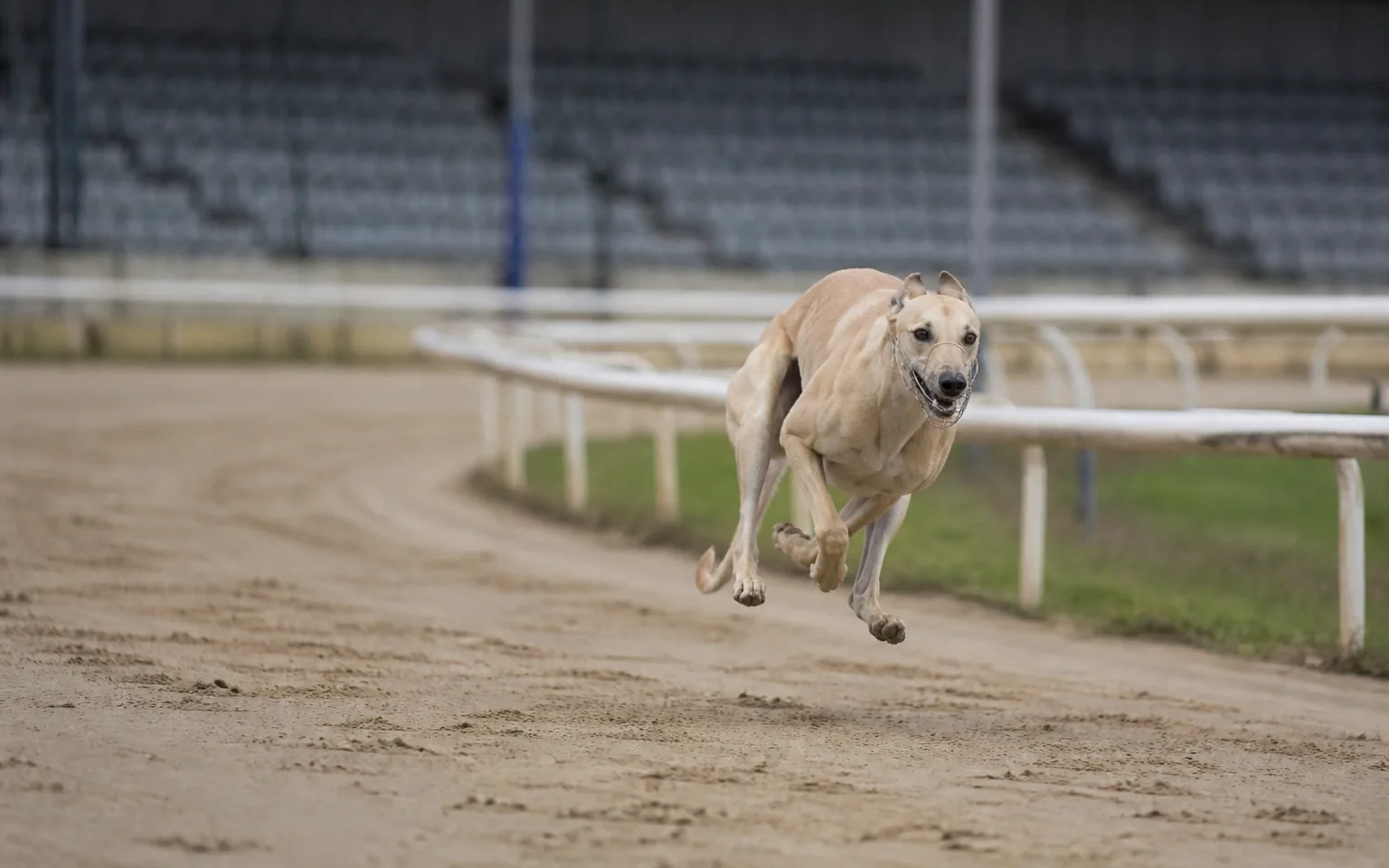
Speed racing on a track.
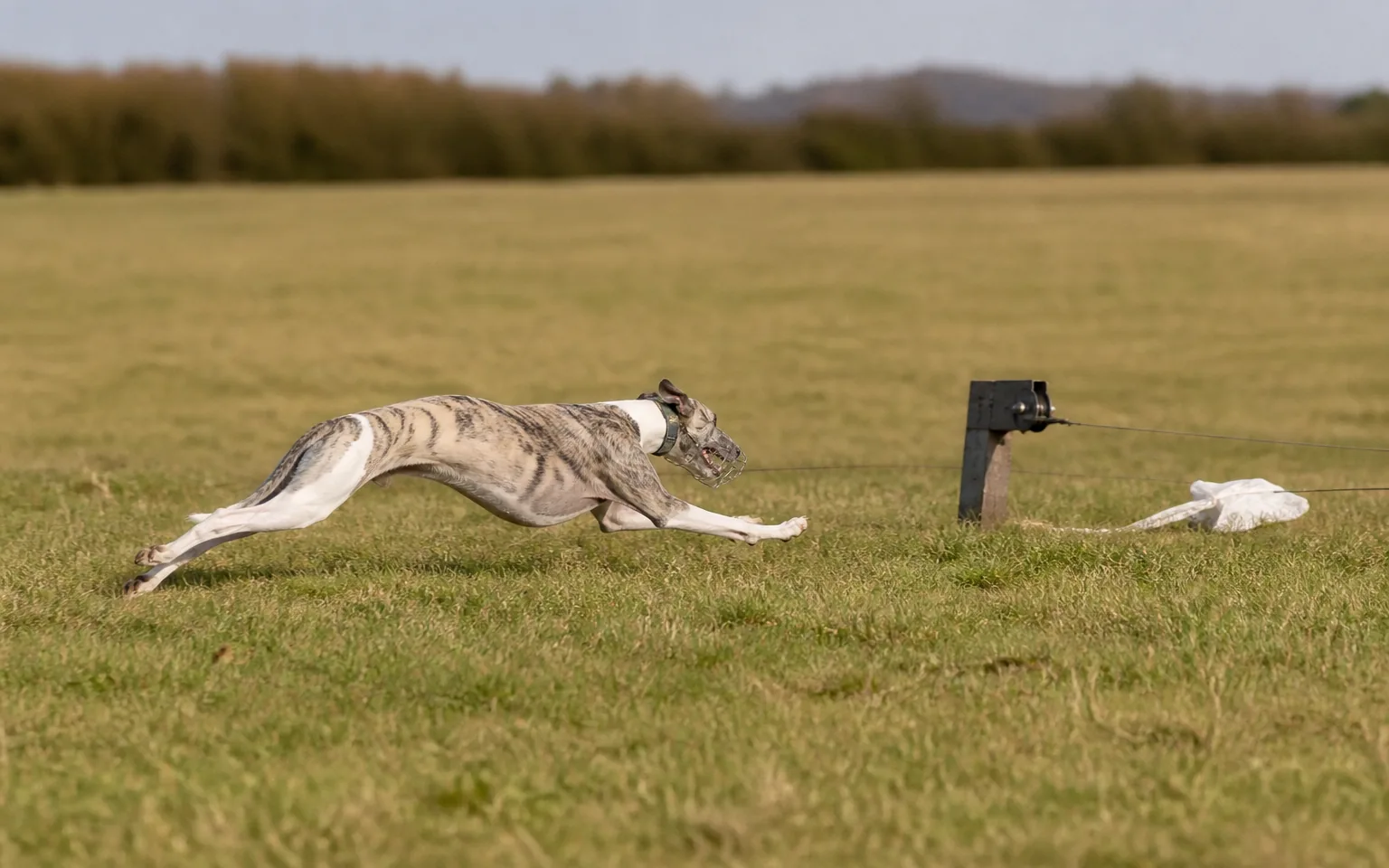
Chasing an artificial lure across a course in open field.
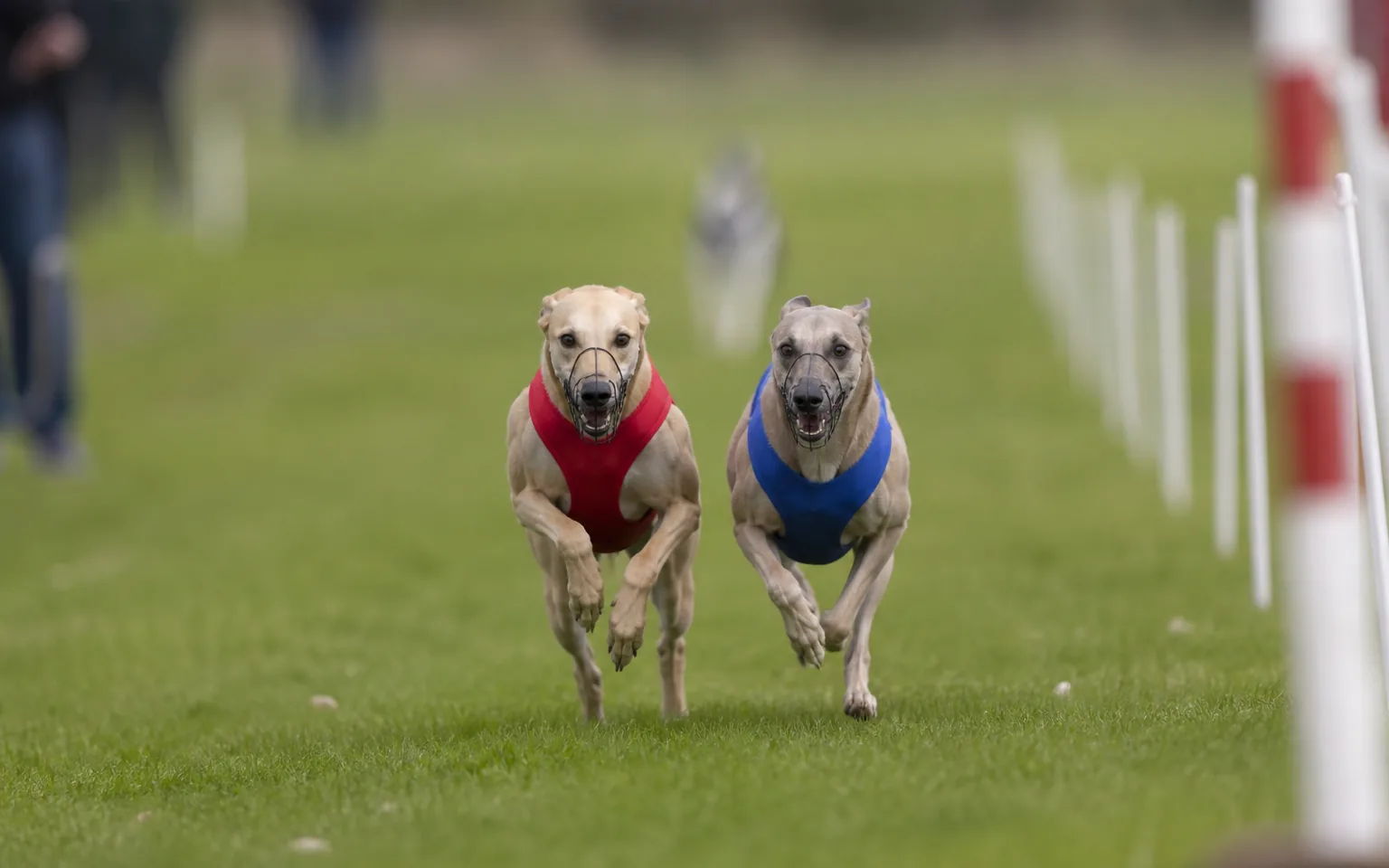
A sprint in a straight line after a lure.
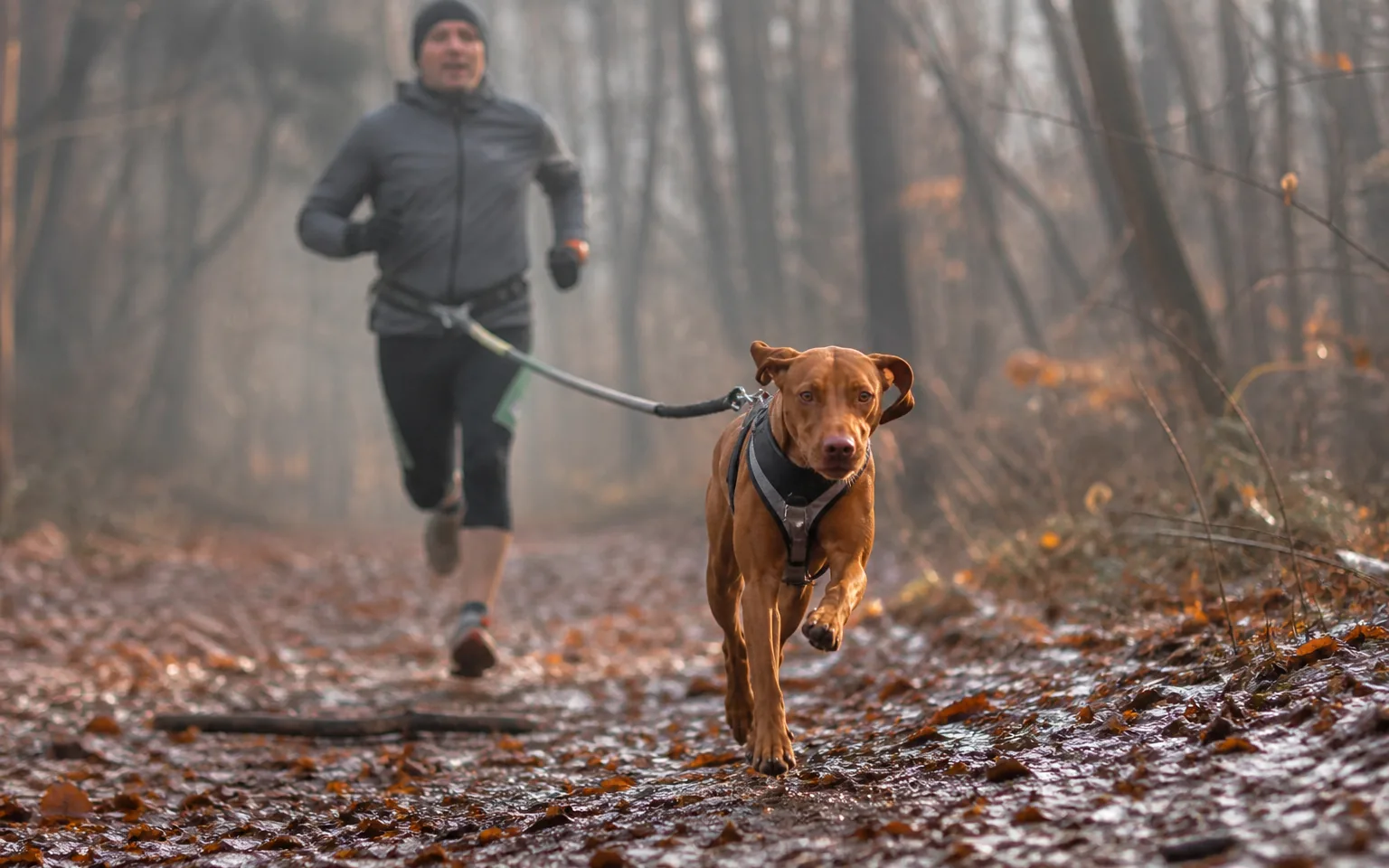
Cross-country running with the dog attached to your waist.
This page is informational. We work in mantrailing, search and rescue and preparation for the TSAC and BH exams - but if you want an honest opinion on what would suit your dog, write to us anytime.