Can a dog fail the test?
The test is not a pass-or-fail examination but a description of reactions. Some programmes do award a grade, used for selection.
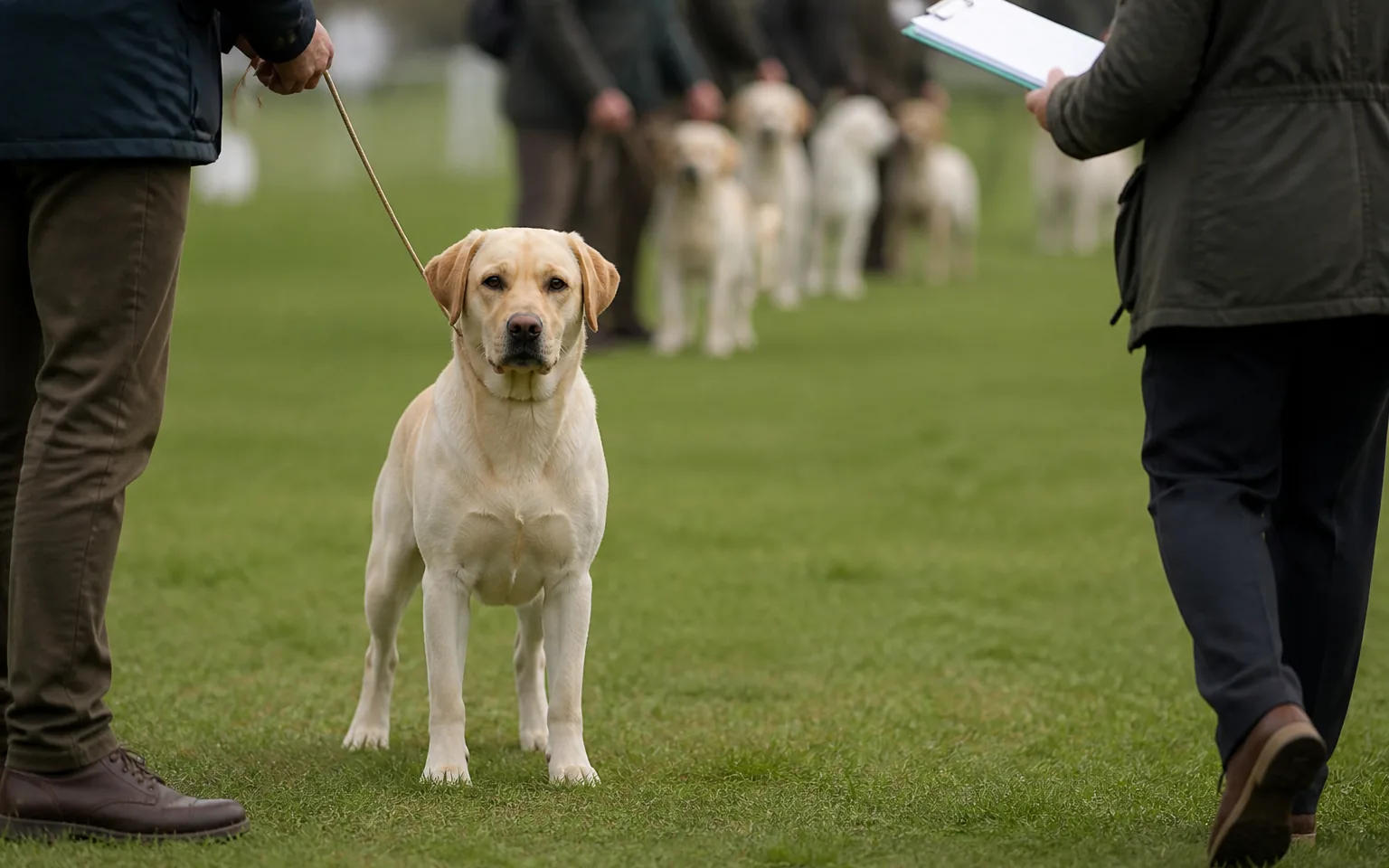
Aptitude and character tests
It does not test how well the dog obeys, but how it reacts: to a sudden noise, an odd object, a person approaching strangely. And, more importantly, how quickly it recovers.
About the discipline
Temperament tests are standardised assessments of how a dog reacts to a series of unusual situations: sudden noises, moving objects, people approaching oddly, unfamiliar surfaces.
Obedience is not assessed. Emotional stability is: whether the animal startles, how strongly, and how long it takes to return to normal. A dog that flinches and recovers in two seconds passes; one that stays frozen does not.
The results are used in breeding selection, in assessing therapy or service dog candidates and, sometimes, as a first step before entering a sporting discipline.
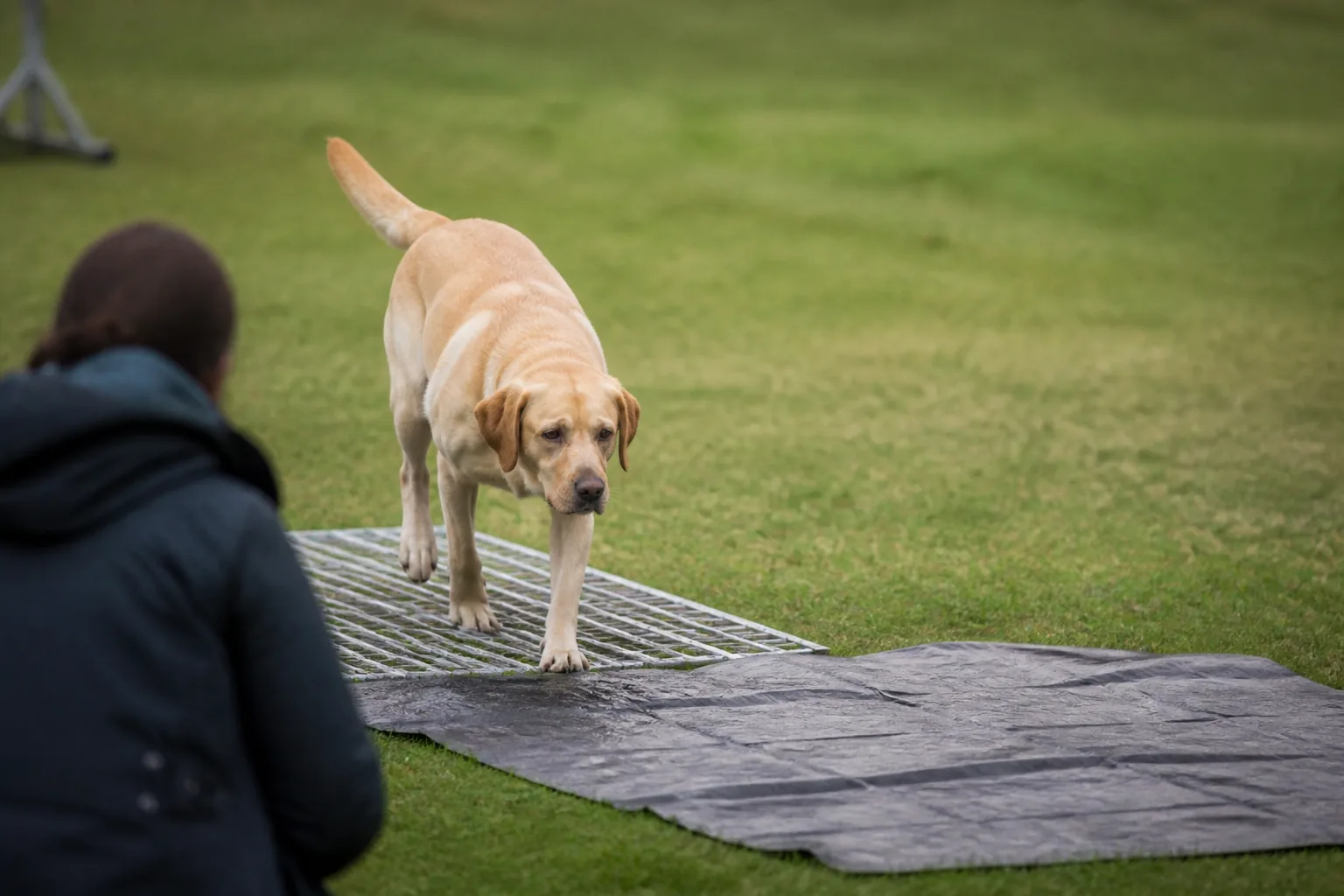
How it works in practice
What matters most is not the absence of fear but the recovery. Every dog is startled sometimes; the difference lies in how quickly it settles.
Frequently asked questions
The test is not a pass-or-fail examination but a description of reactions. Some programmes do award a grade, used for selection.
You can work on socialisation and gradual exposure, but you cannot train for the test itself - that is the whole point. Natural reactions are what is assessed, not rehearsed ones.
It shows you where you stand: whether the dog suits therapy work, a sport with heavy social pressure, or whether it first needs work on confidence.
From the same category
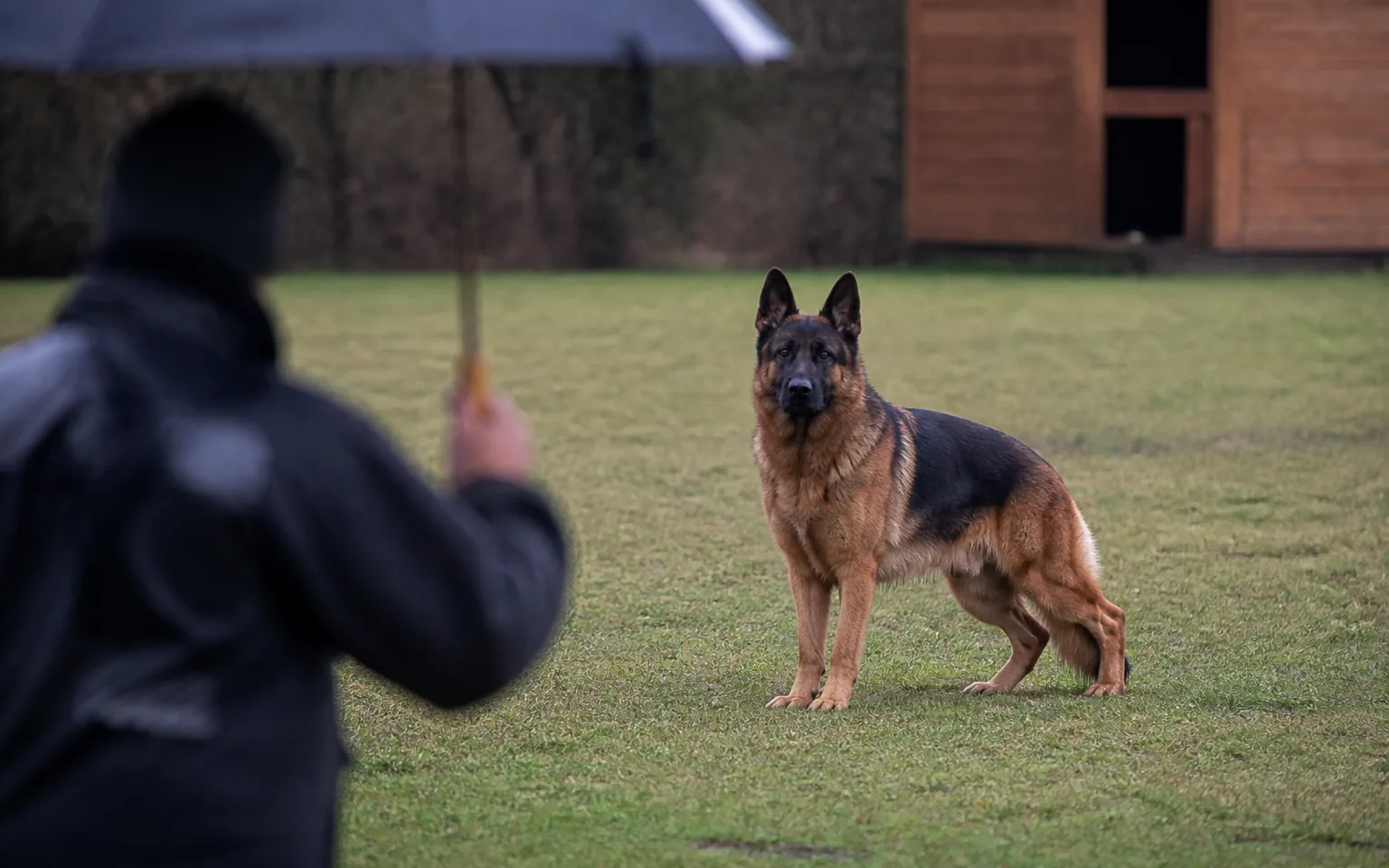
Testing character and behaviour.
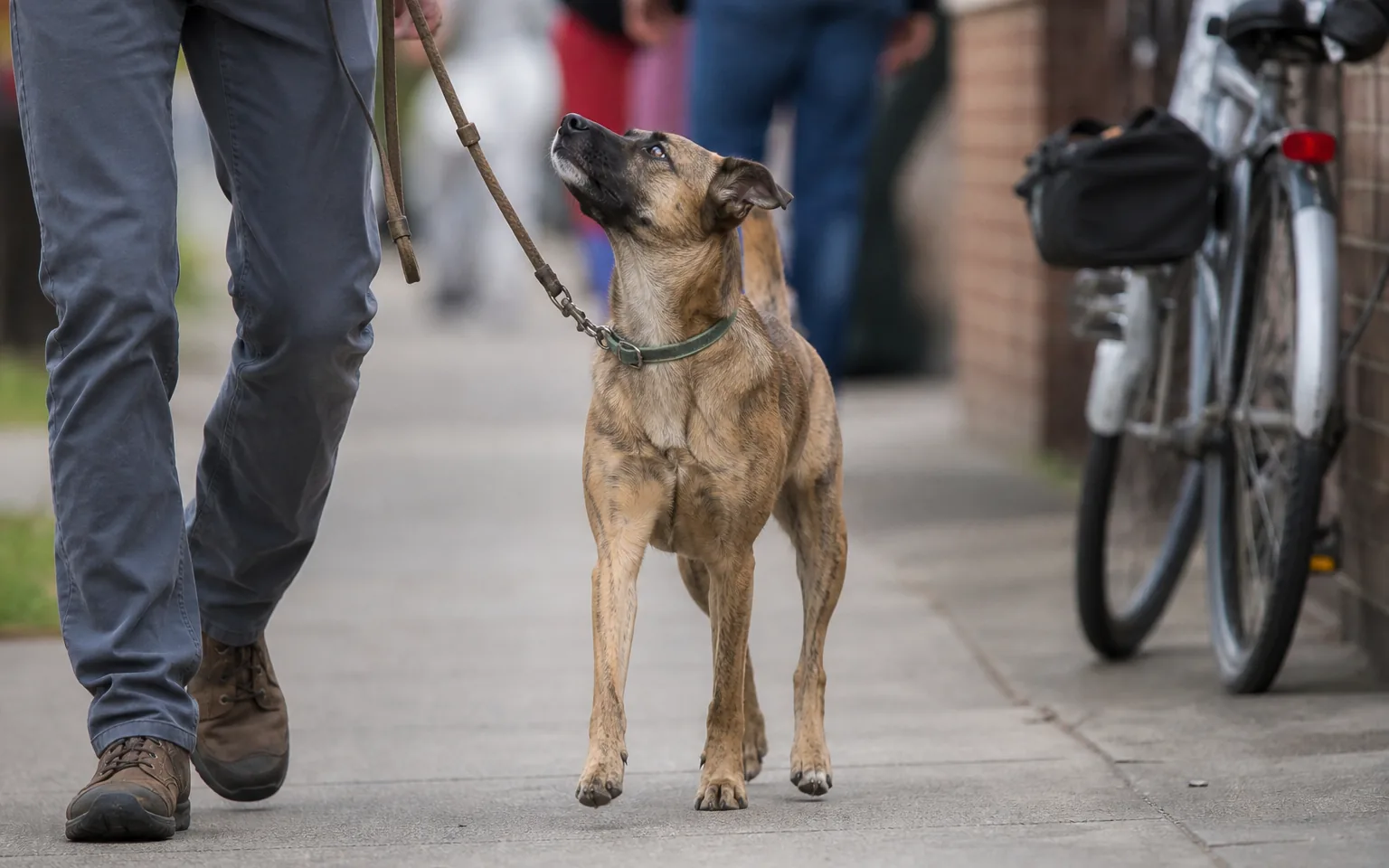
Assessments for family dogs.
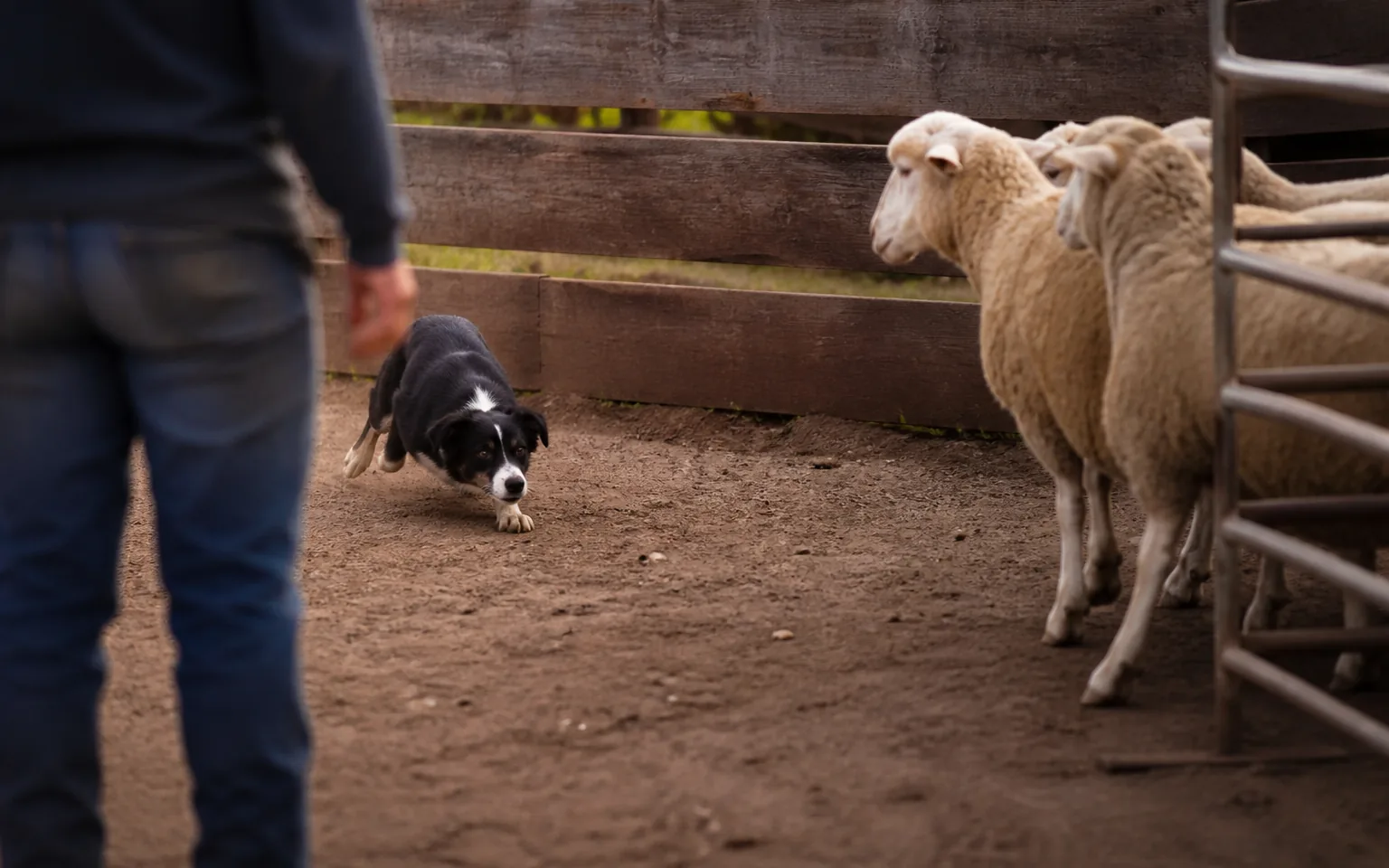
Checking natural aptitudes for herding, hunting or water.
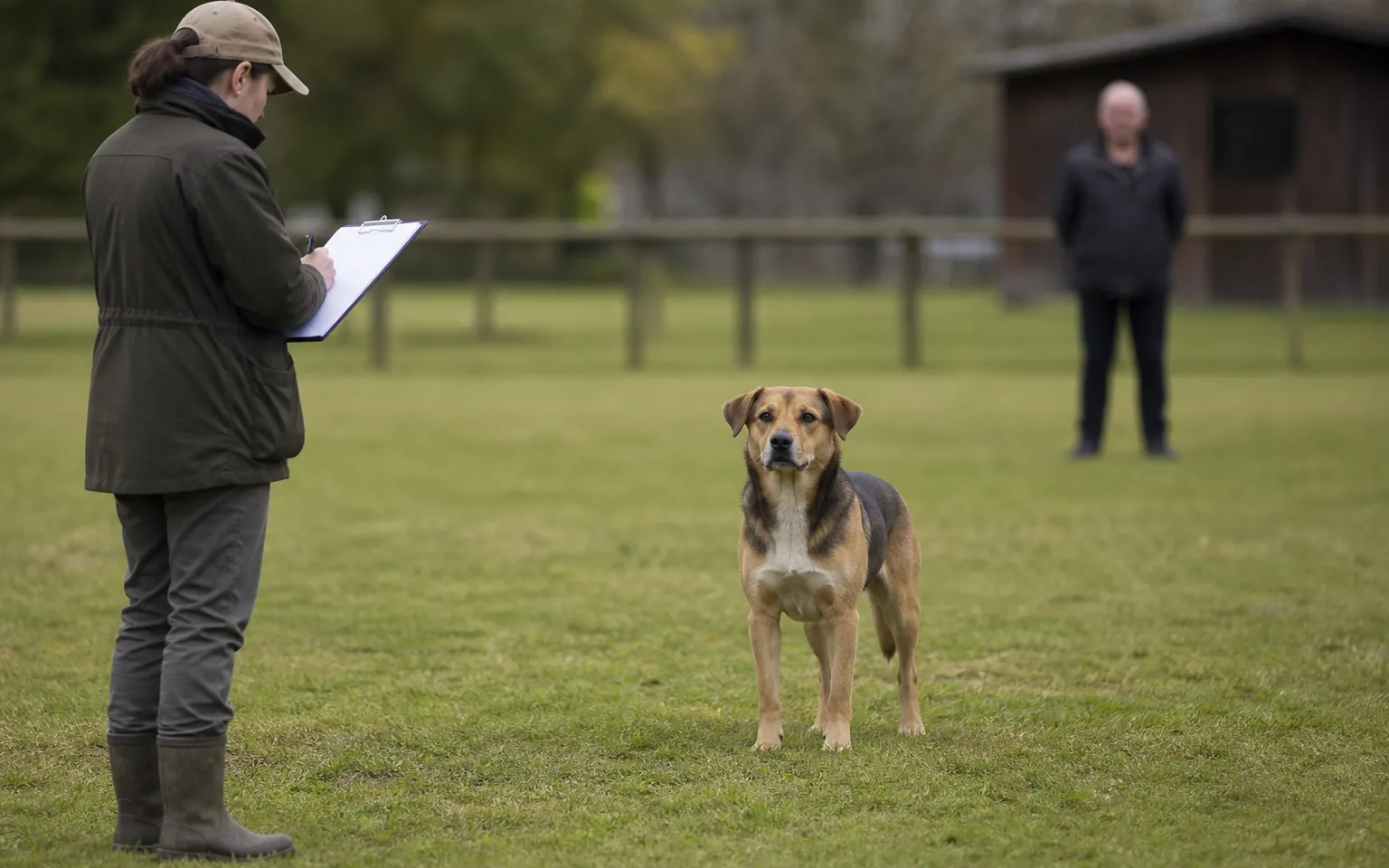
A personality and welfare assessment carried out by an ethologist.

This page is informational. We work in mantrailing, search and rescue and preparation for the TSAC and BH exams - but if you want an honest opinion on what would suit your dog, write to us anytime.