How does it differ from a temperament test?
A temperament test looks at reactions to one-off stimuli. A character test sets out to describe stable traits across several dimensions, and it ends with a profile rather than a grade.

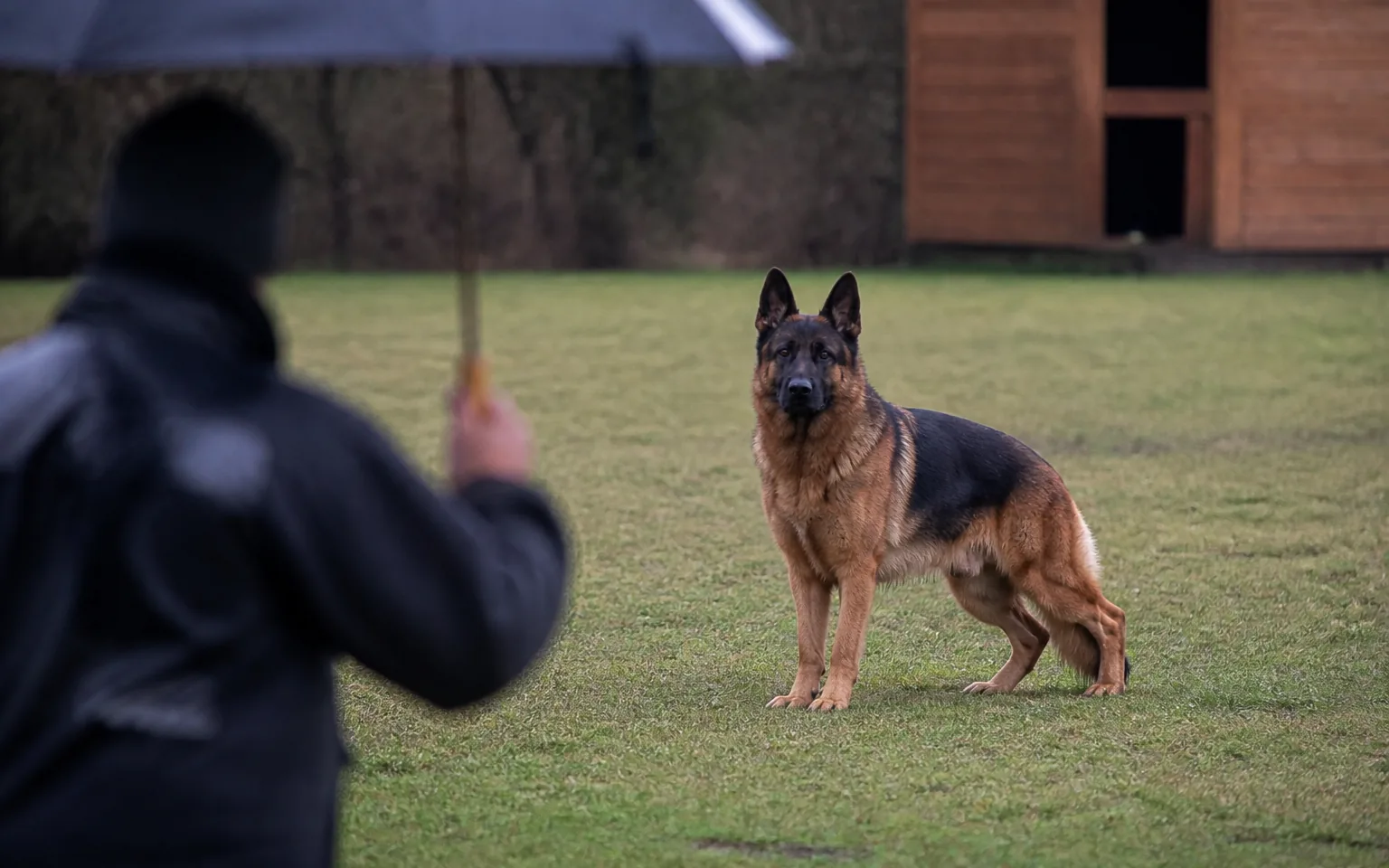
Aptitude and character tests
It goes deeper than a temperament test. Beyond in-the-moment reactions, it tries to pin down the dog's stable traits: courage, sociability, the threshold at which it reacts, and how willing it is to work with you.
About the discipline
Character tests came mainly out of the Nordic kennel organisations and the working breed clubs. They were designed as a selection tool for breeding.
A temperament test looks at how the dog responds to isolated stimuli. A character test pulls those responses together into a profile: how brave the dog is, how sociable, how quickly it switches on and how long it takes to come back down.
What you get at the end is a chart with scores across several dimensions instead of a plain pass or fail. Serious breeders use it so that problem traits don't pile up in a line over the generations.
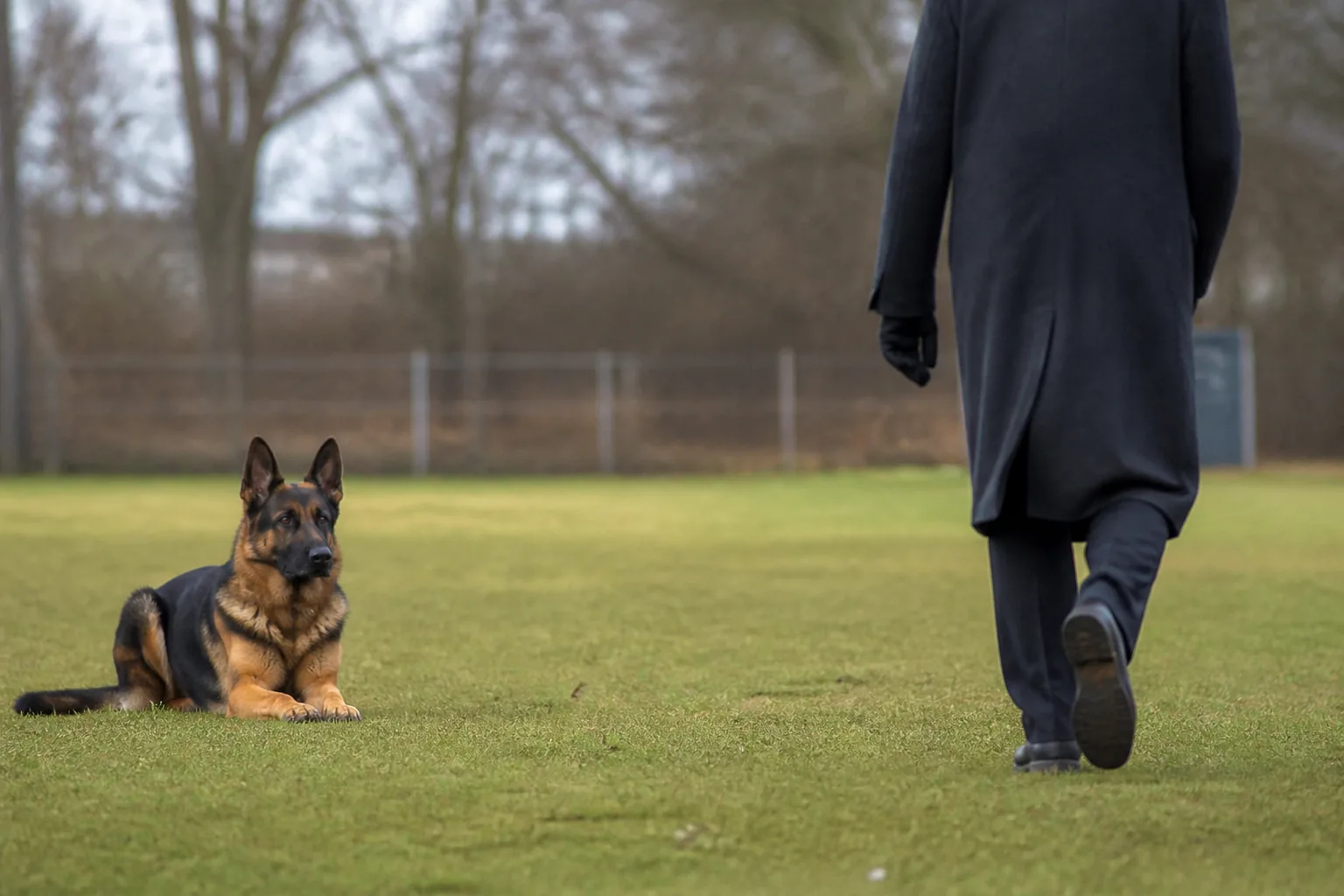
How it works in practice
Frequently asked questions
A temperament test looks at reactions to one-off stimuli. A character test sets out to describe stable traits across several dimensions, and it ends with a profile rather than a grade.
Core traits don't shift much, but age and what the dog has lived through do show up in the result. That's why some programmes recommend retesting after a few years.
It depends on the club and the breed. Some organisations make it a condition before a dog can be registered for breeding. Others only recommend it.
In practice you don't, and that's the point. In the months before, you can do proper socialisation and get the dog used to lots of different places bit by bit, which is good for it anyway. Rehearsing the actual test situations would skew the result and make the test useless for what it's for, which is selection.
From the same category
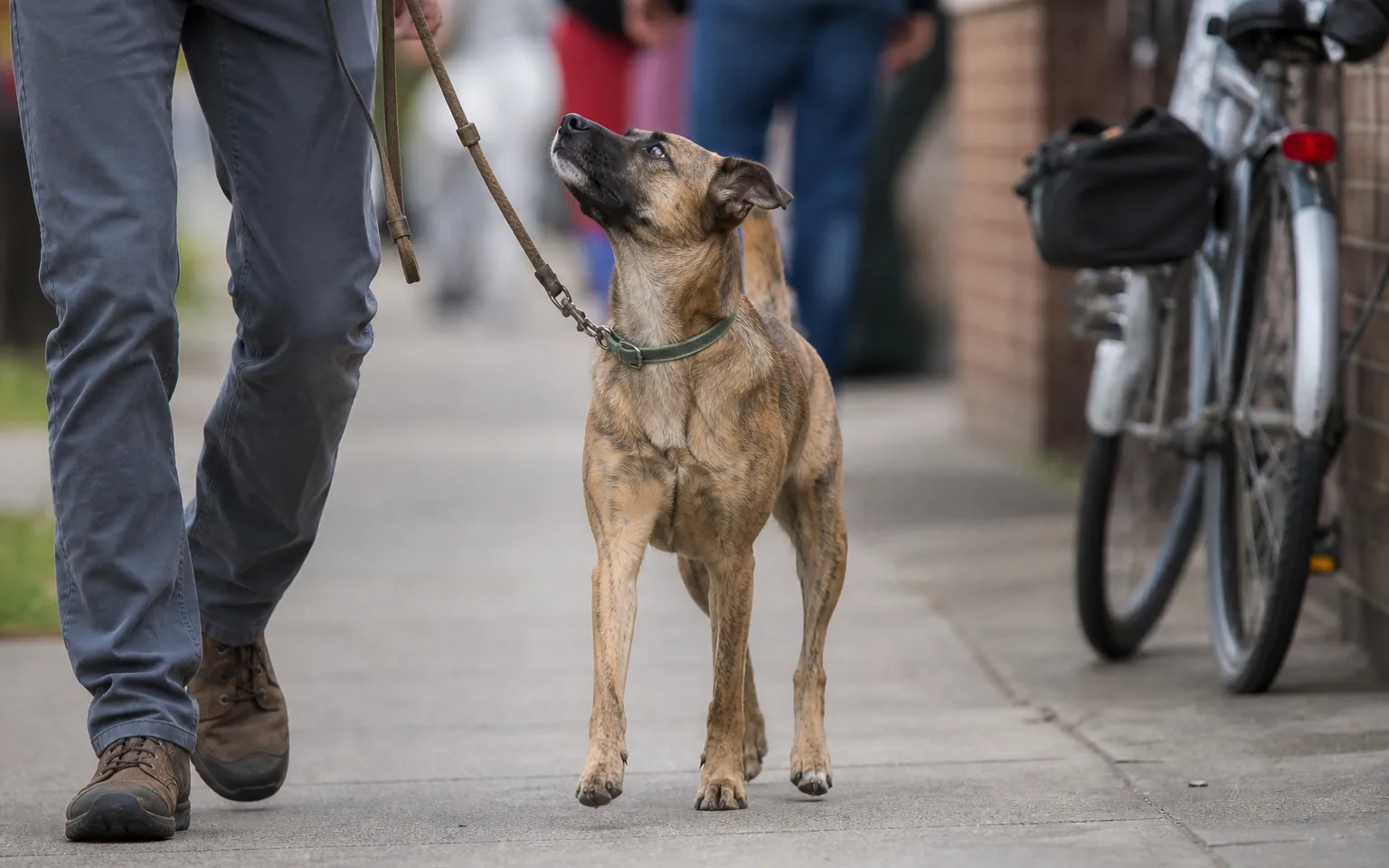
Tests for the family dog that check it can behave around people.
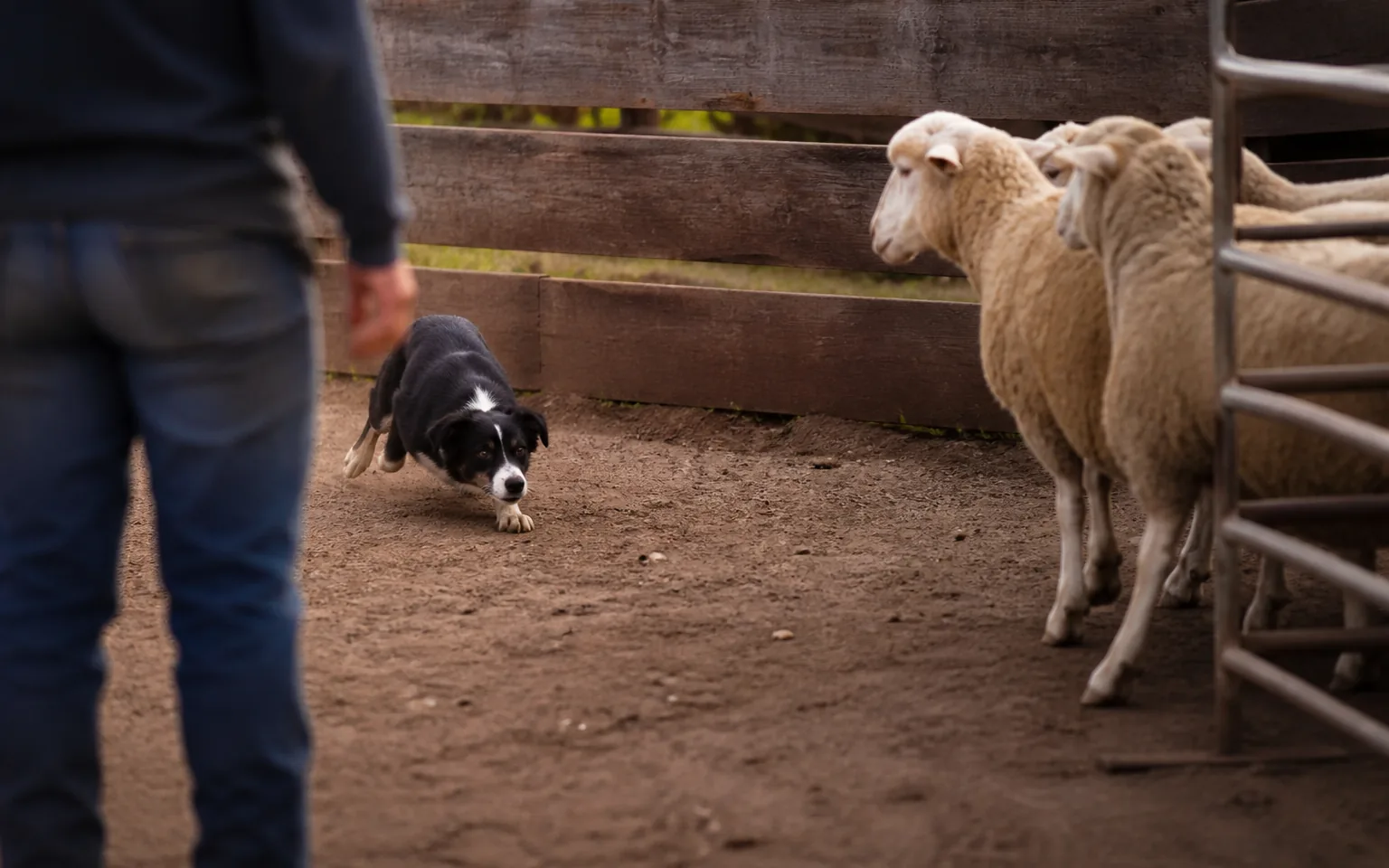
Short tests that show whether a dog has a natural knack for herding, hunting or water work.
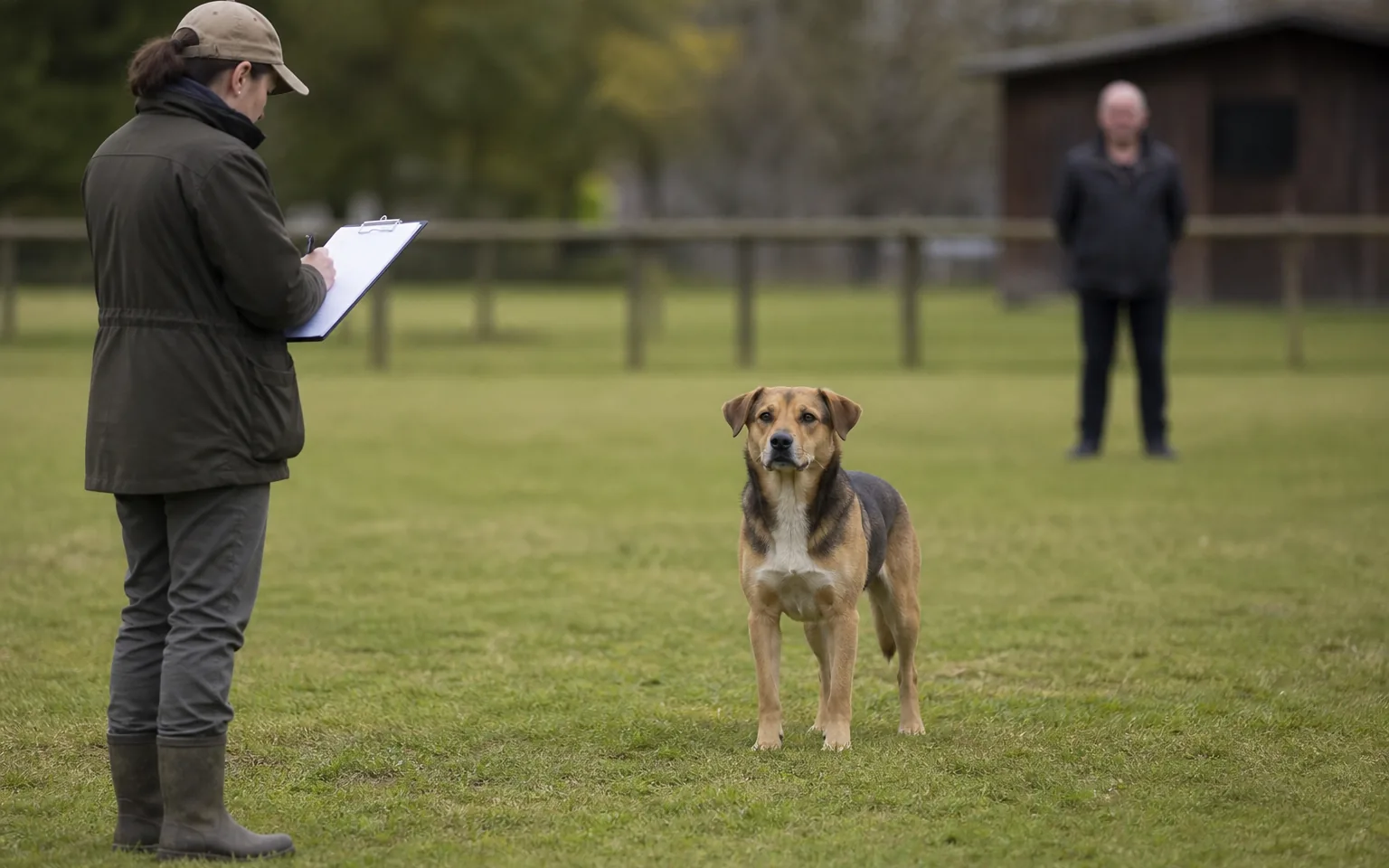
A personality and welfare assessment carried out by an ethologist.
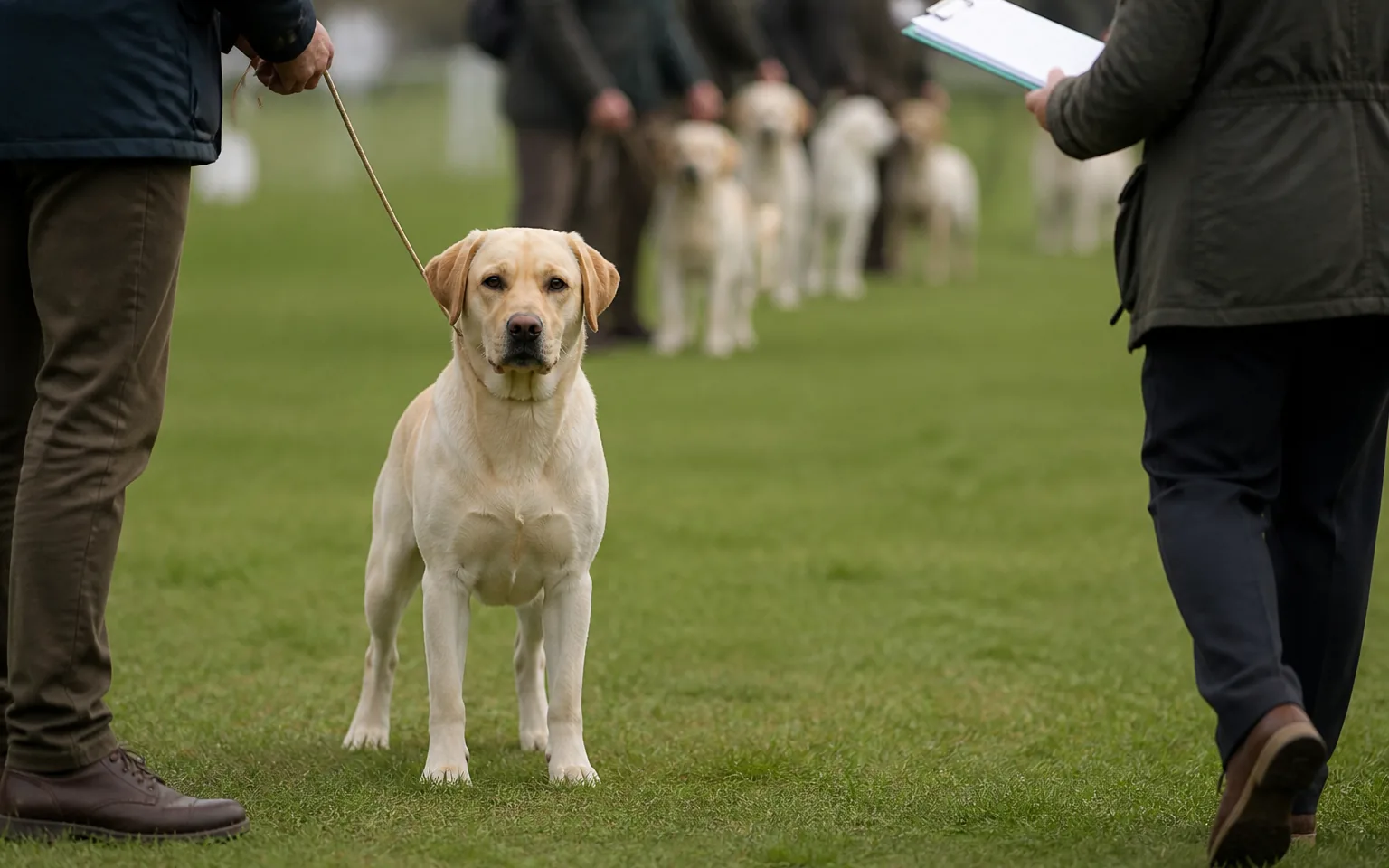
An assessment of how stable a dog is and how it copes with the unexpected.
This page is informational. We work in mantrailing, search and rescue and preparation for the TSAC and BH exams - but if you want an honest opinion on what would suit your dog, write to us anytime.