My dog chews the article. What do I do?
Work the hold separately, with objects it has no urge to chew, and reward only the moments of stillness. Chewing usually comes from impatience, not misunderstanding.
Discs, balls and retrieving
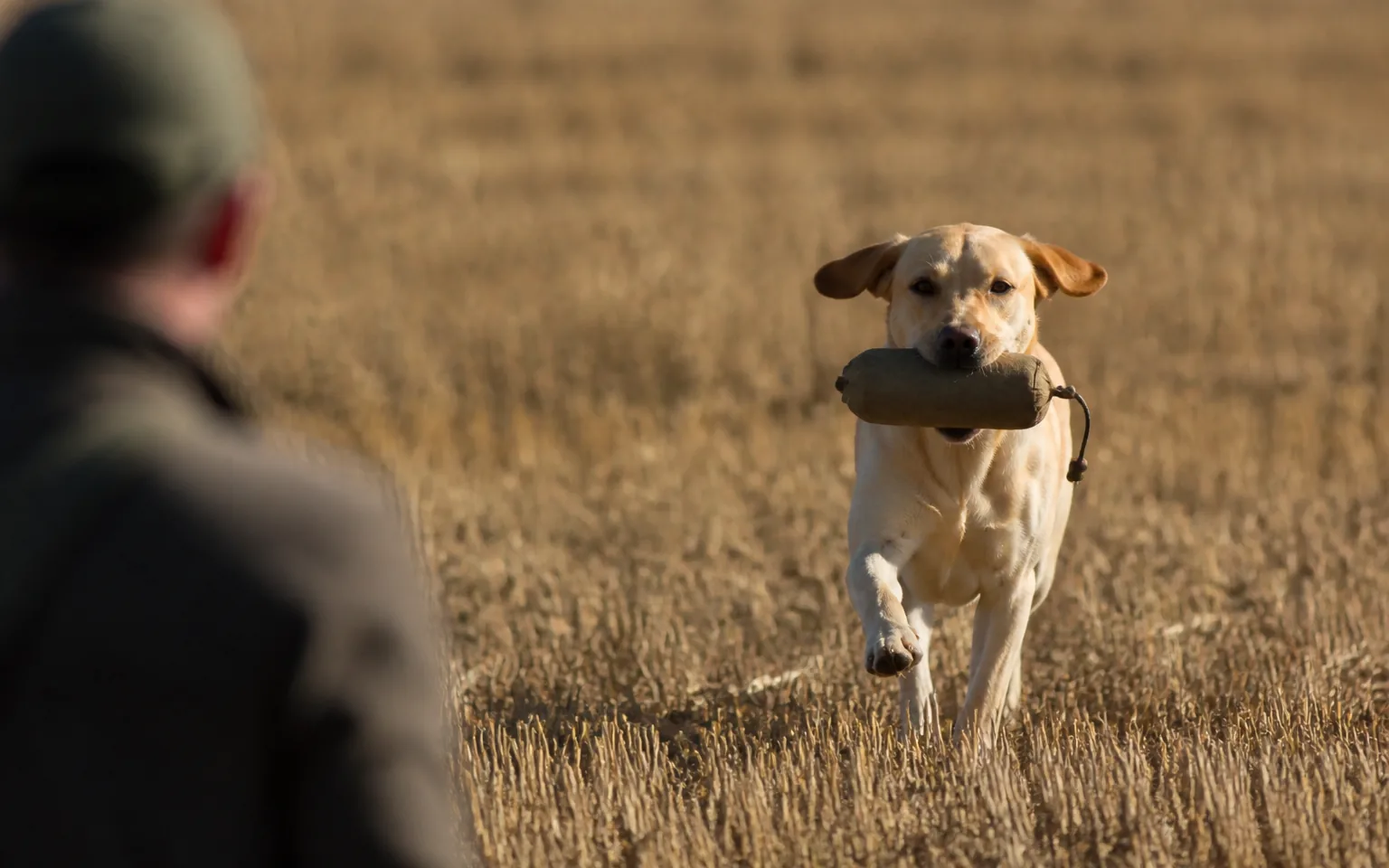
Retrieving looks simple until you turn it into a trial. The dog must find the object, pick it up, bring it straight back and deliver it to hand - without dropping, chewing or abandoning it on the way.
About the discipline
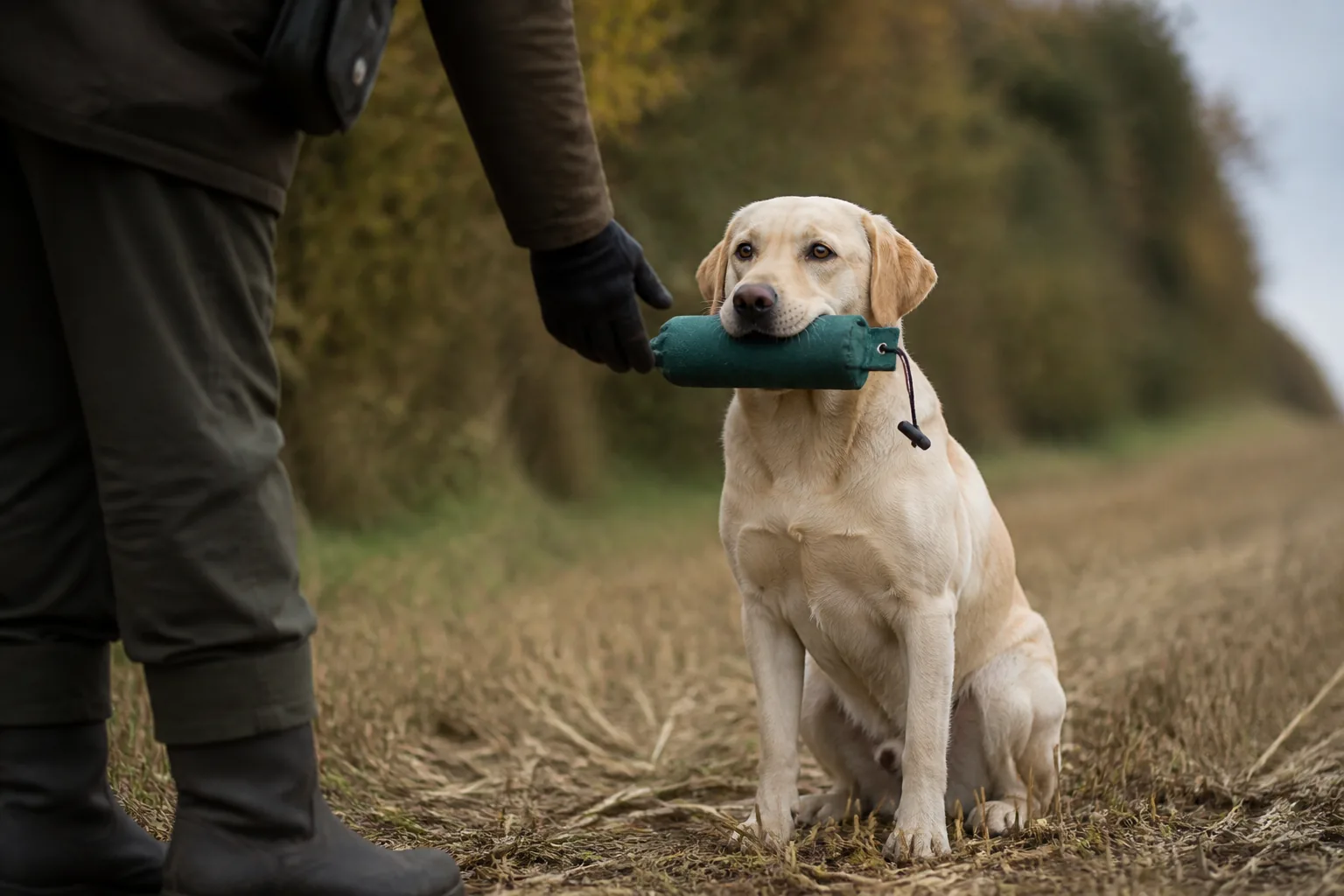
Retrieving looks simple until it becomes a trial. Then the criteria appear: the correct grip, the direct route, a clean hold in the mouth and delivery to hand, on command.
Retrieving features in almost every utility discipline - obedience, IGP, working trials - but there are also dedicated trials, especially in the retriever world.
The gap between a dog that brings the ball back and one that performs a correct retrieve is enormous: the second does not chew, does not detour, does not play on the way and does not let go until asked.
How it works in practice
Frequently asked questions
Work the hold separately, with objects it has no urge to chew, and reward only the moments of stillness. Chewing usually comes from impatience, not misunderstanding.
Teach the swap: the object for a more valuable reward, never by pulling. Tugging turns delivery into a conflict.
Because some are unpleasant in the mouth, metal in particular. A dog that retrieves wood cleanly may refuse metal, so each is worked in turn.
You do not pull at the object - that turns delivery into a game of tug, exactly the opposite of what you want. Offer something more valuable instead, and the moment it opens its mouth, mark and reward. After a few dozen repetitions the swap becomes automatic and you can add the command.
From the same category
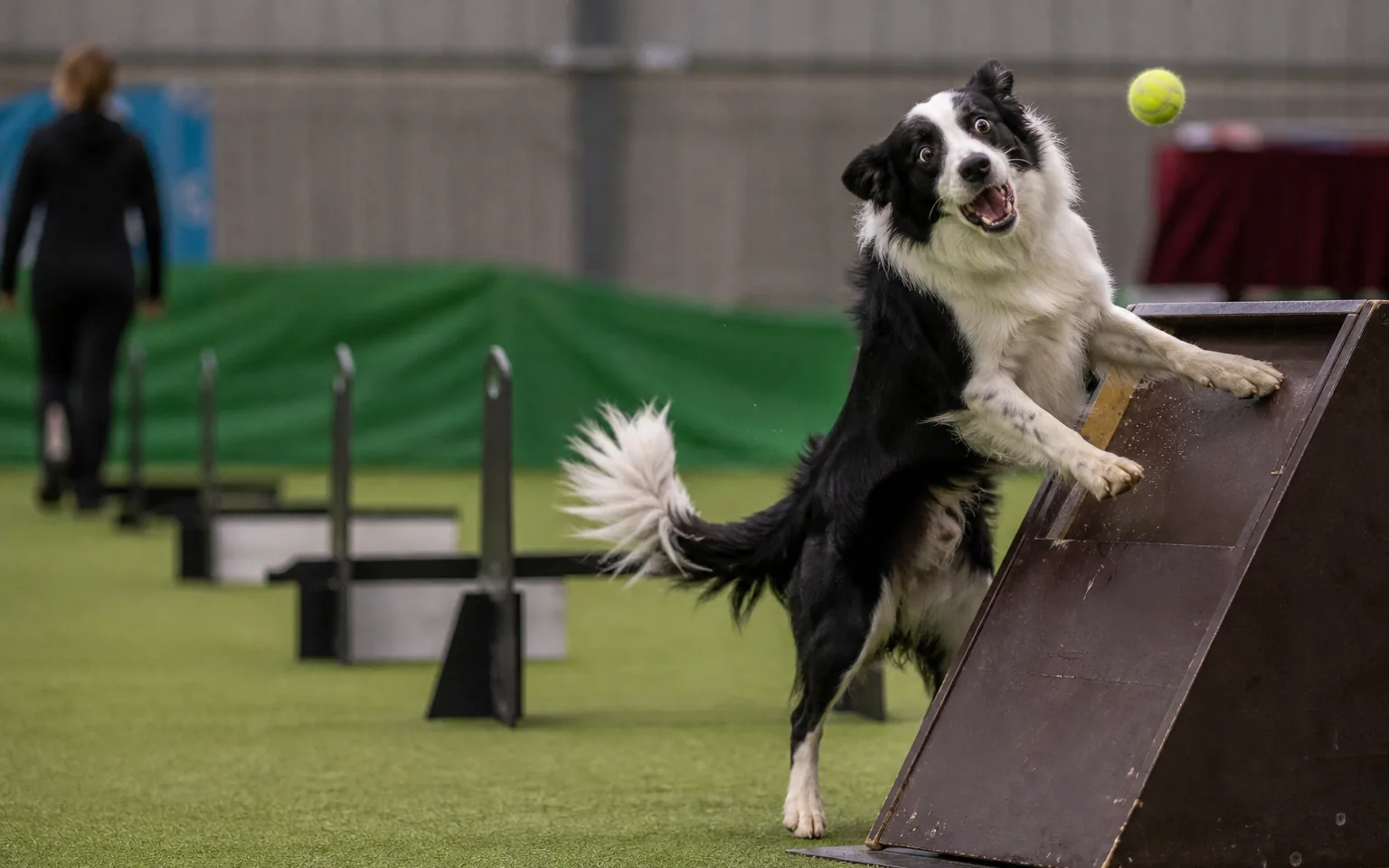
A team relay with hurdles and retrieving a ball.
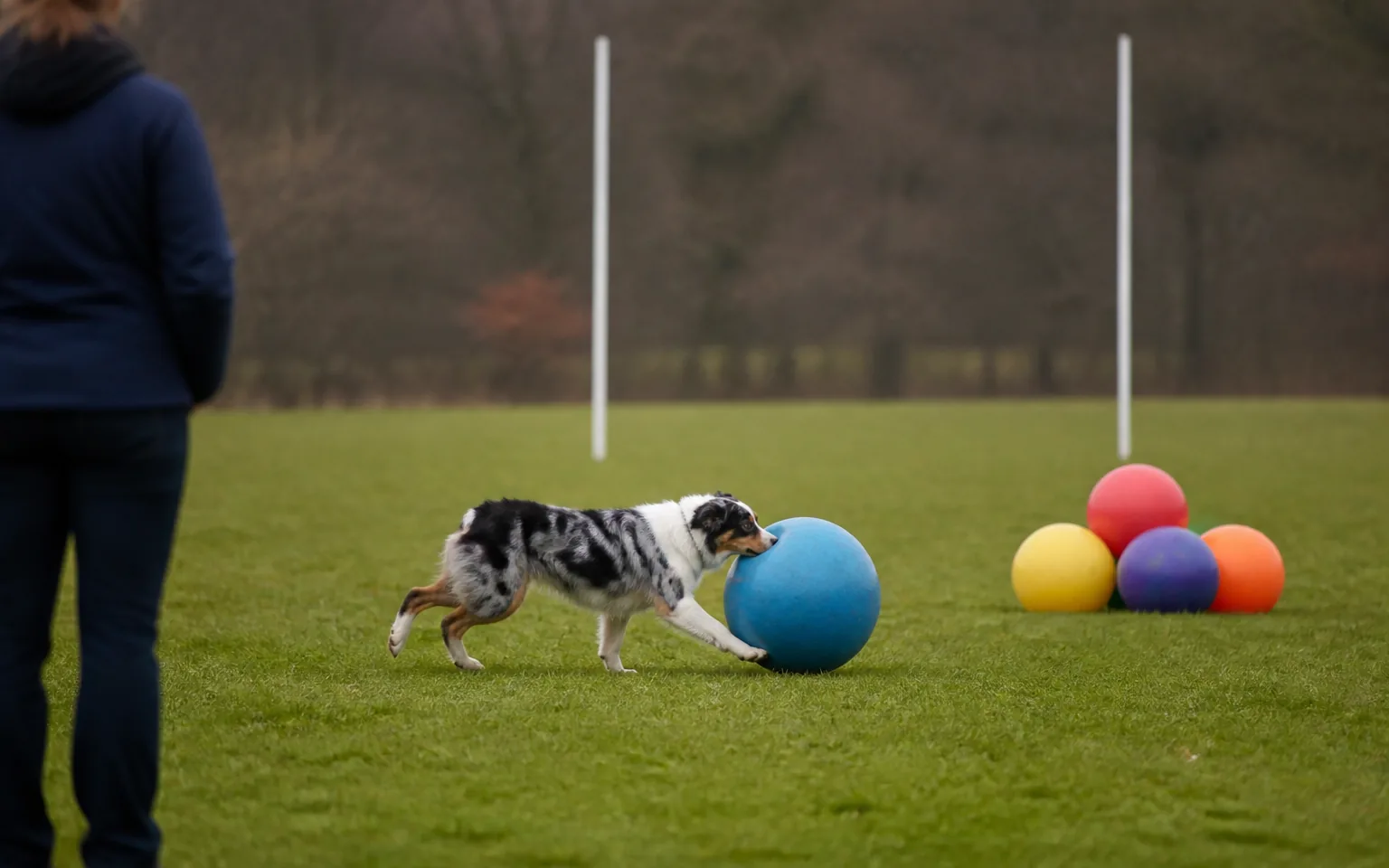
The dog drives large balls towards a goal.
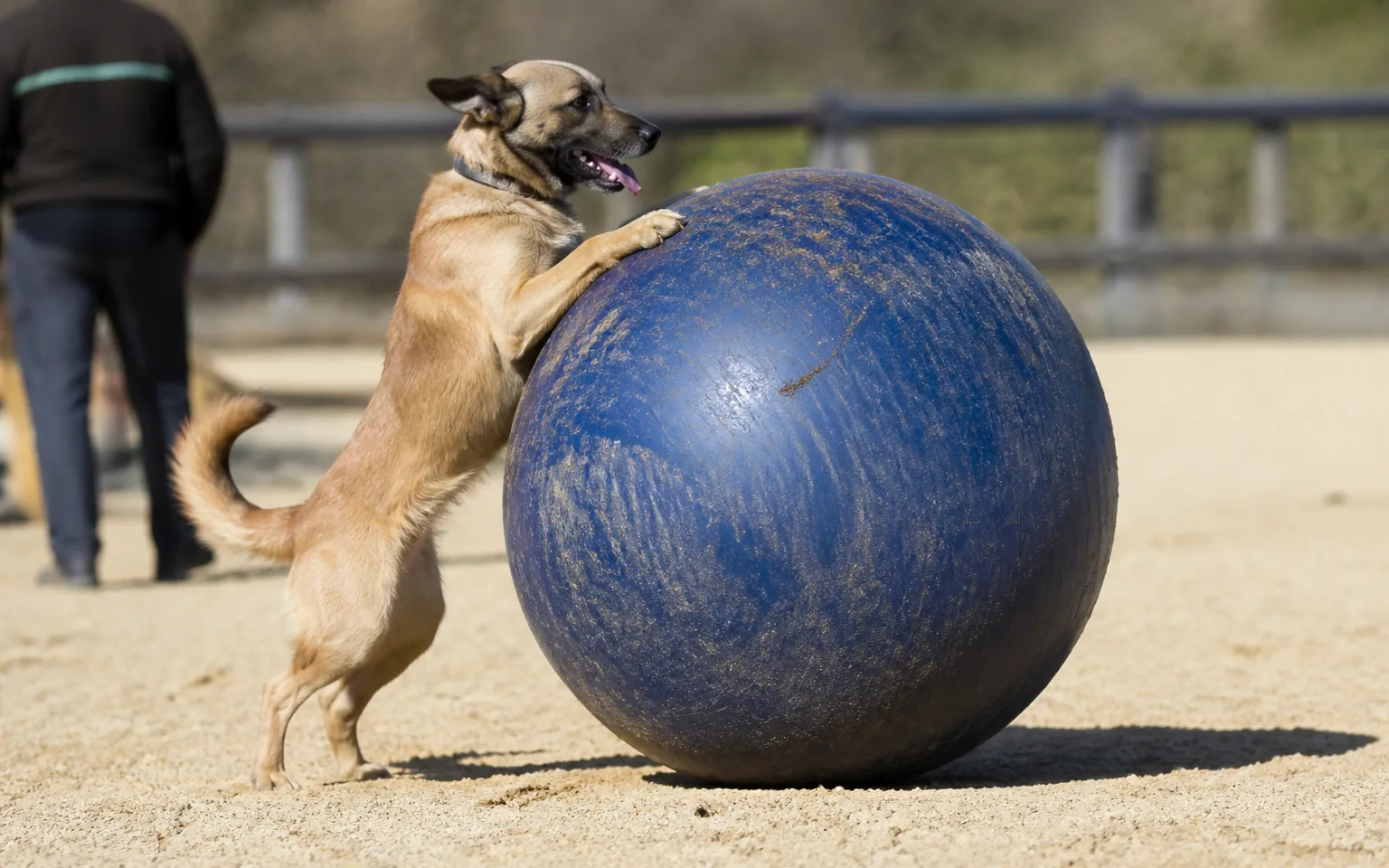
Controlled pushing of a large ball towards a target.
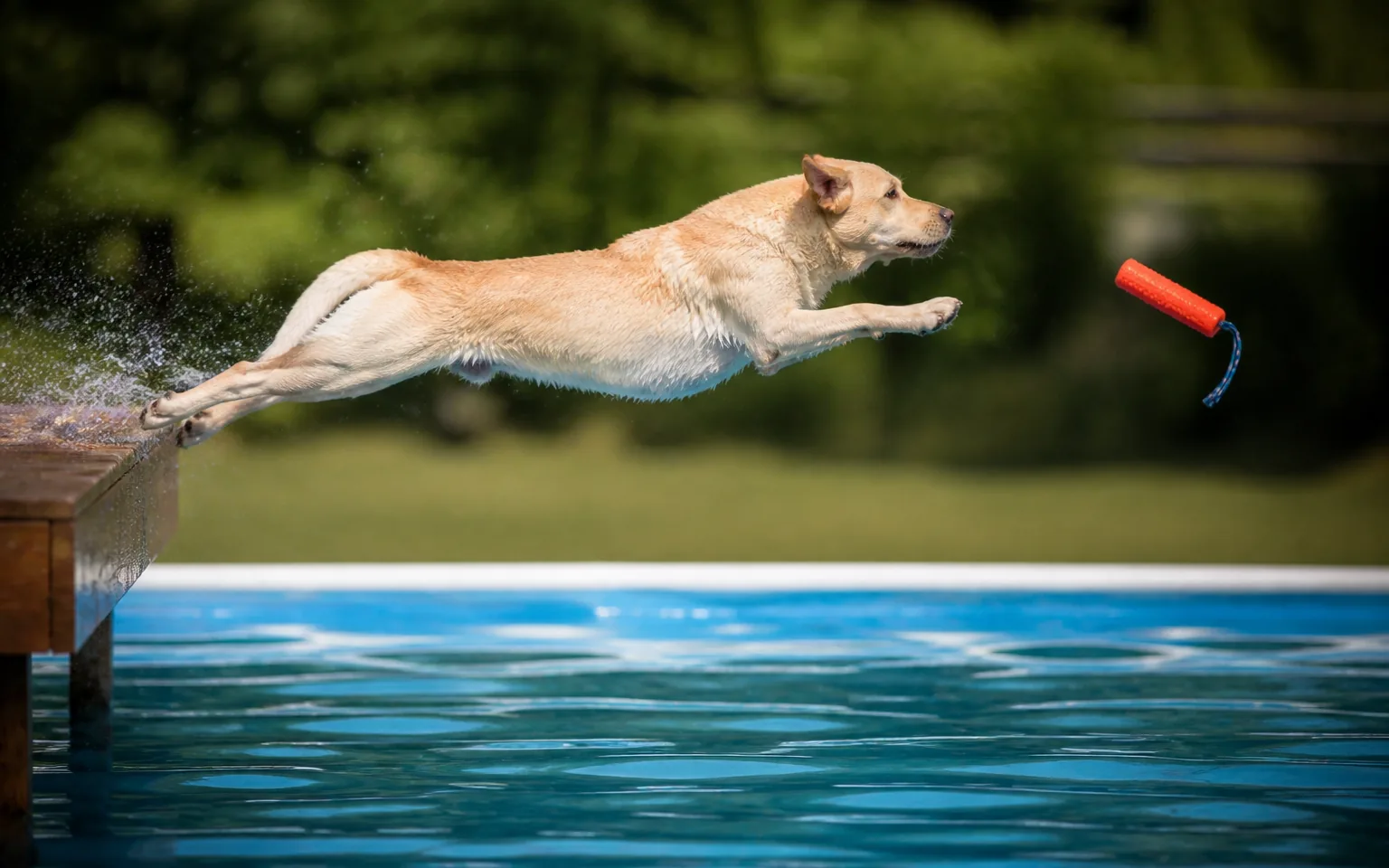
Jumping from a dock into water after a toy.

This page is informational. We work in mantrailing, search and rescue and preparation for the TSAC and BH exams - but if you want an honest opinion on what would suit your dog, write to us anytime.