Are ordinary frisbees suitable?
No. A hard plastic frisbee can hurt the gums and teeth. Dog discs are made of a flexible material designed to be caught in the mouth.

Discs, balls and retrieving
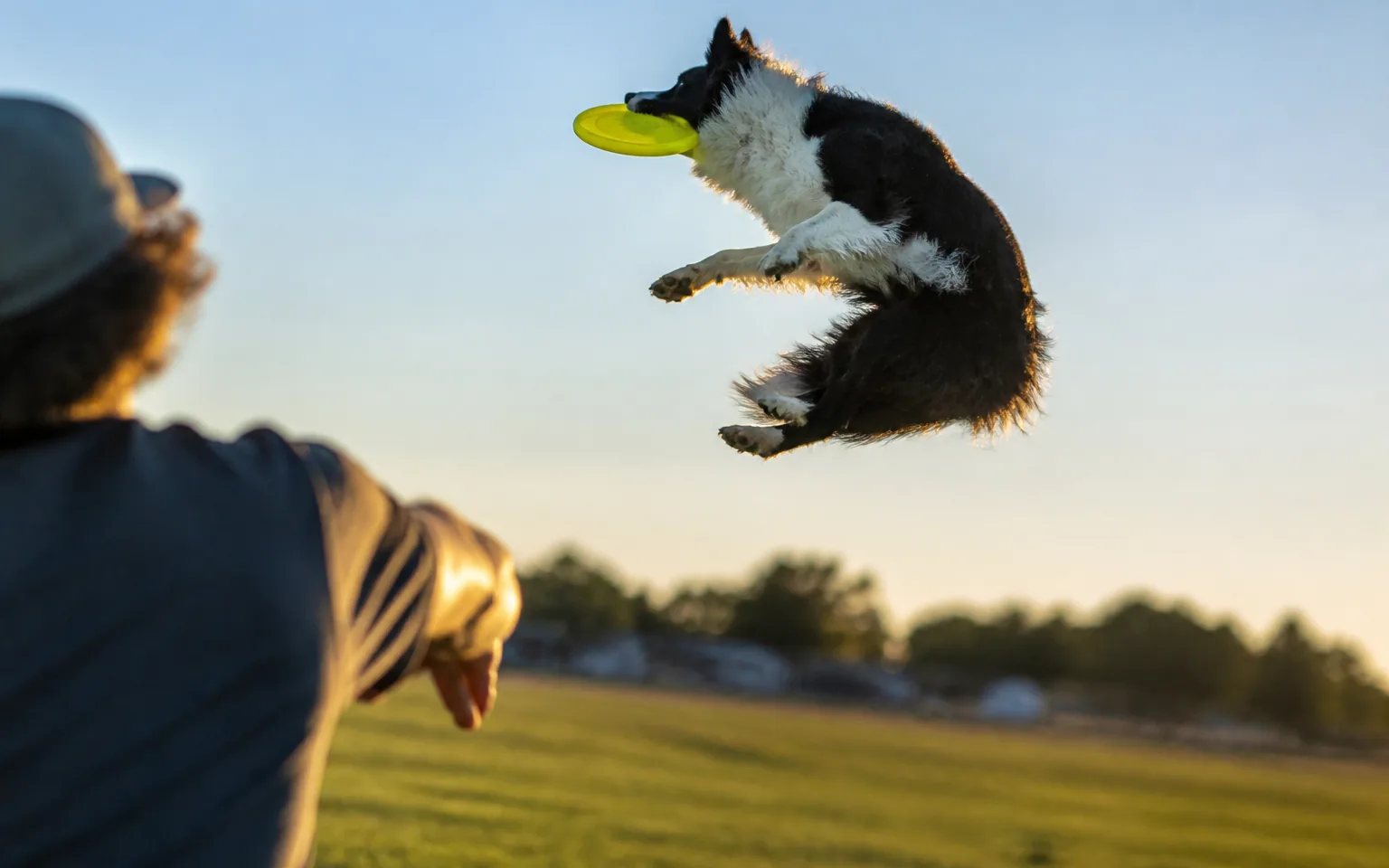
Frisbee with your dog, in two forms that have little in common: distance throws scored by the metre, or choreographed freestyle routines to music, full of jumps.
About the discipline
Disc dog comes in two flavours. The first is distance: the handler throws, the dog catches, and the score goes up with every metre and with catches made in the air.
The second is freestyle, a routine of a minute or a bit more, set to music. The handler works with several discs, the dog vaults over the handler's body and strings complicated moves together. Judges score difficulty, execution and artistic impression.
Plenty of people forget about the landing. When a dog jumps for a disc, it comes down with all its weight on the front legs. Good throwing technique and a warm-up beforehand protect the joints, so don't skip them.
How it works in practice
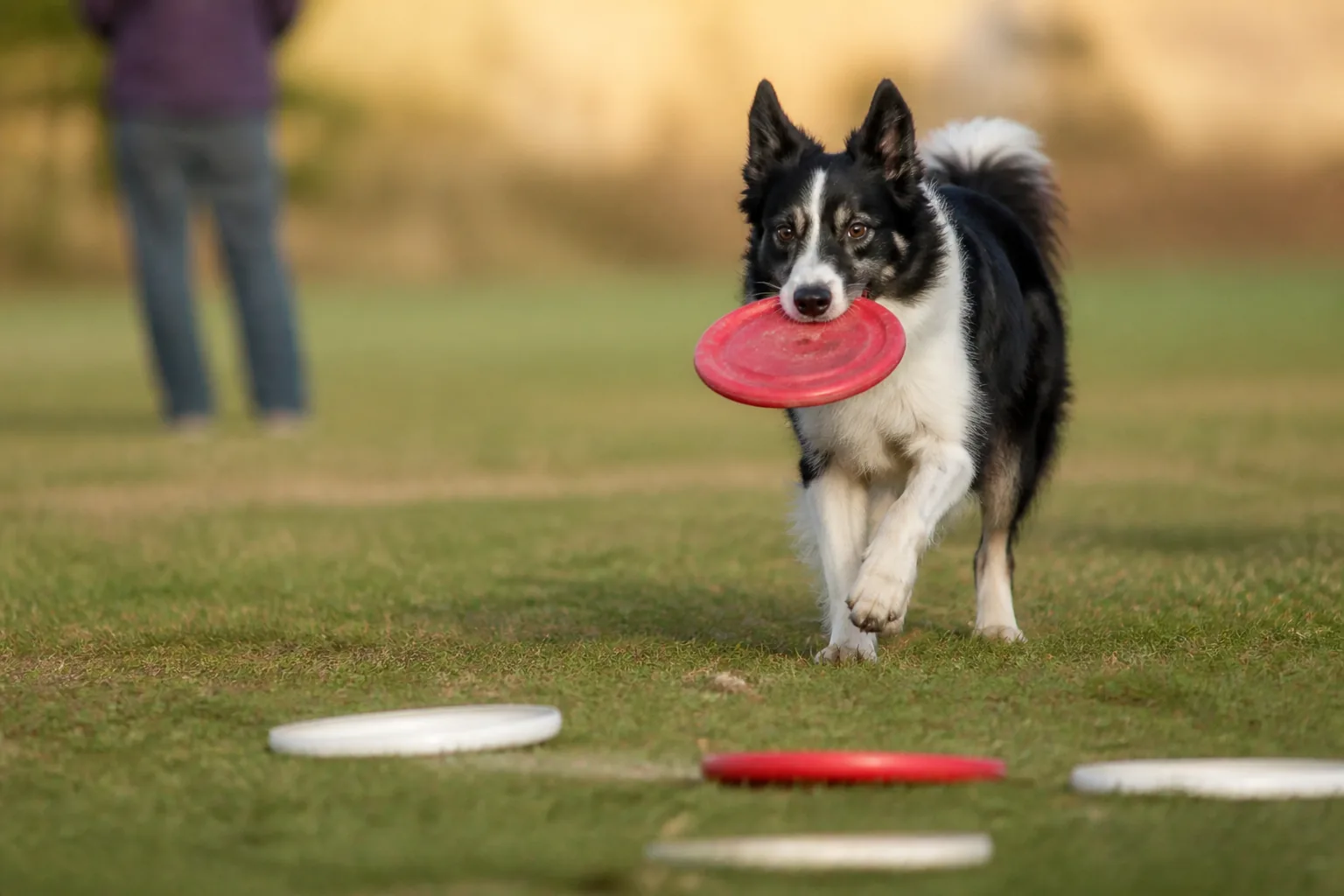
The basic rule for the joints: throw low and smooth, so the dog never has to jump straight up.
Don't do jumps with a dog that's still growing. Until the skeleton has matured, stick to low catches and rollers along the ground.
Frequently asked questions
No. A hard plastic frisbee can hurt the gums and teeth. Dog discs are made of a flexible material designed to be caught in the mouth.
Low catches and a disc rolled along the ground can be taught early. Jumps come in only once the skeleton has matured, usually after 12 to 18 months.
Yes, but step by step. Roll the disc along the ground first, then do short, low throws, then build up distance. Lots of dogs need a few weeks to learn to read the flight.
The rule figures on this page come from UFO World Cup - Throw & Catch, regulament. Rules change and federations differ - always check the rulebook of the competition you are entering.
From the same category
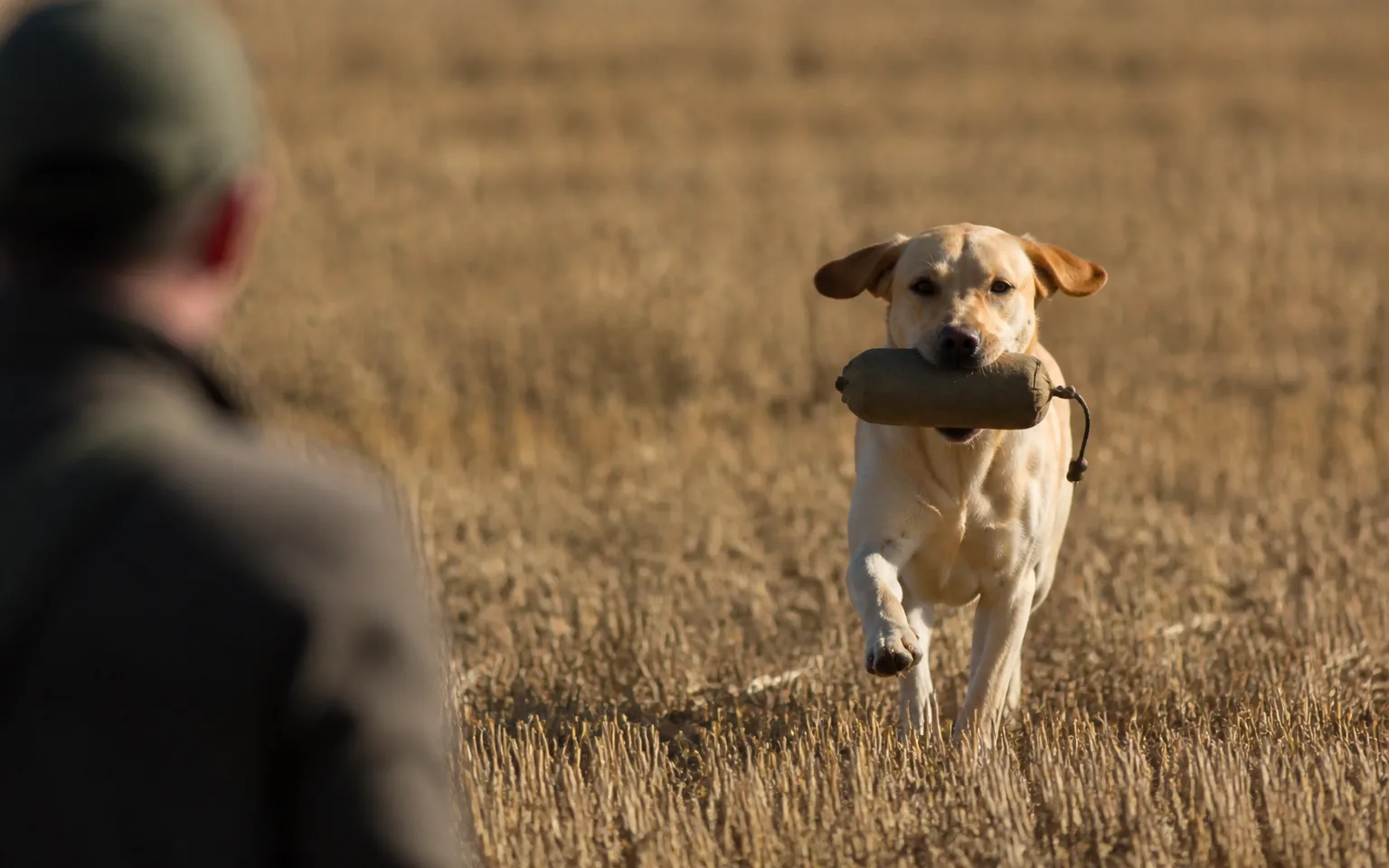
Trials where the dog finds an object and brings it to you.
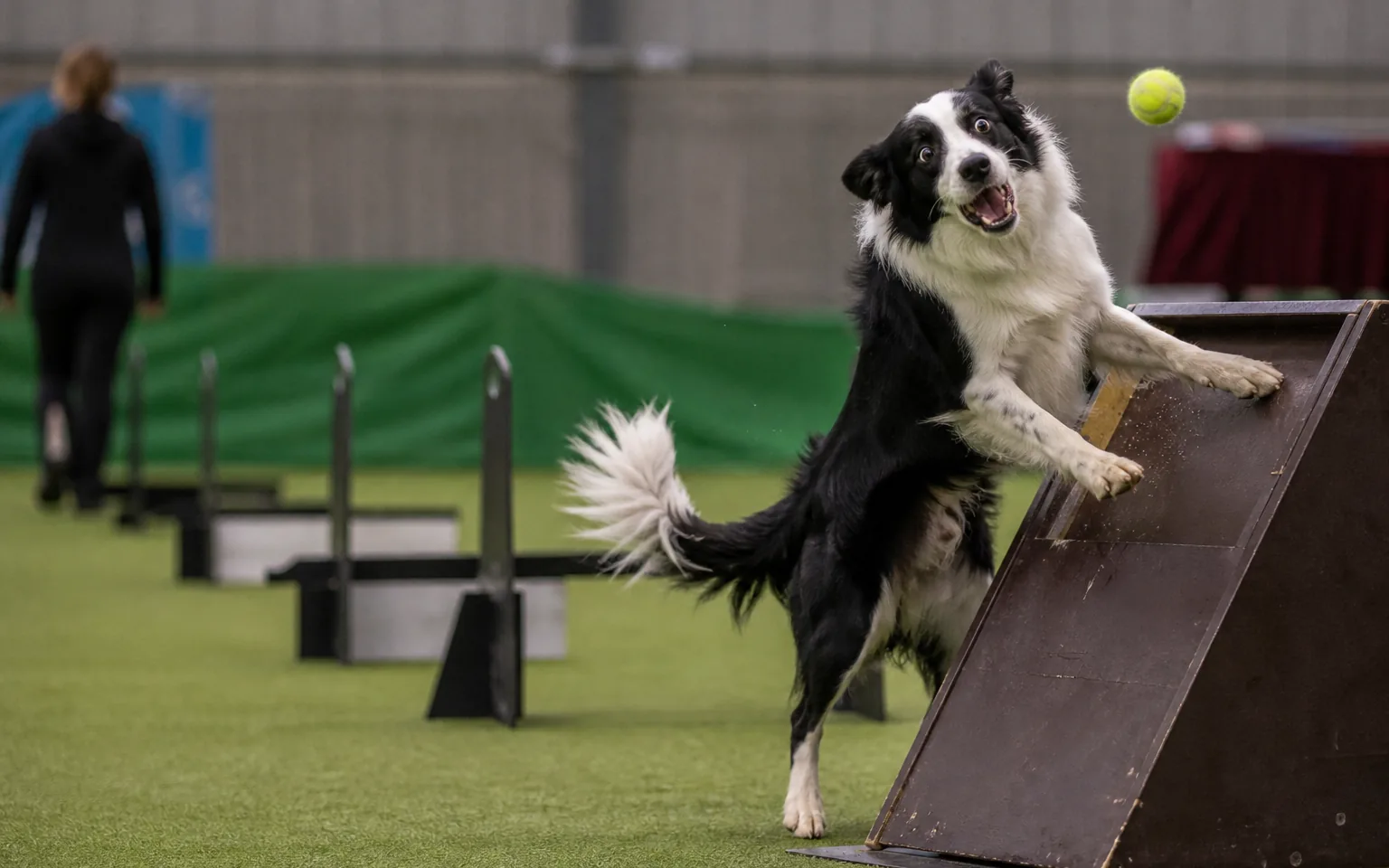
A team relay over hurdles, with a ball to fetch.
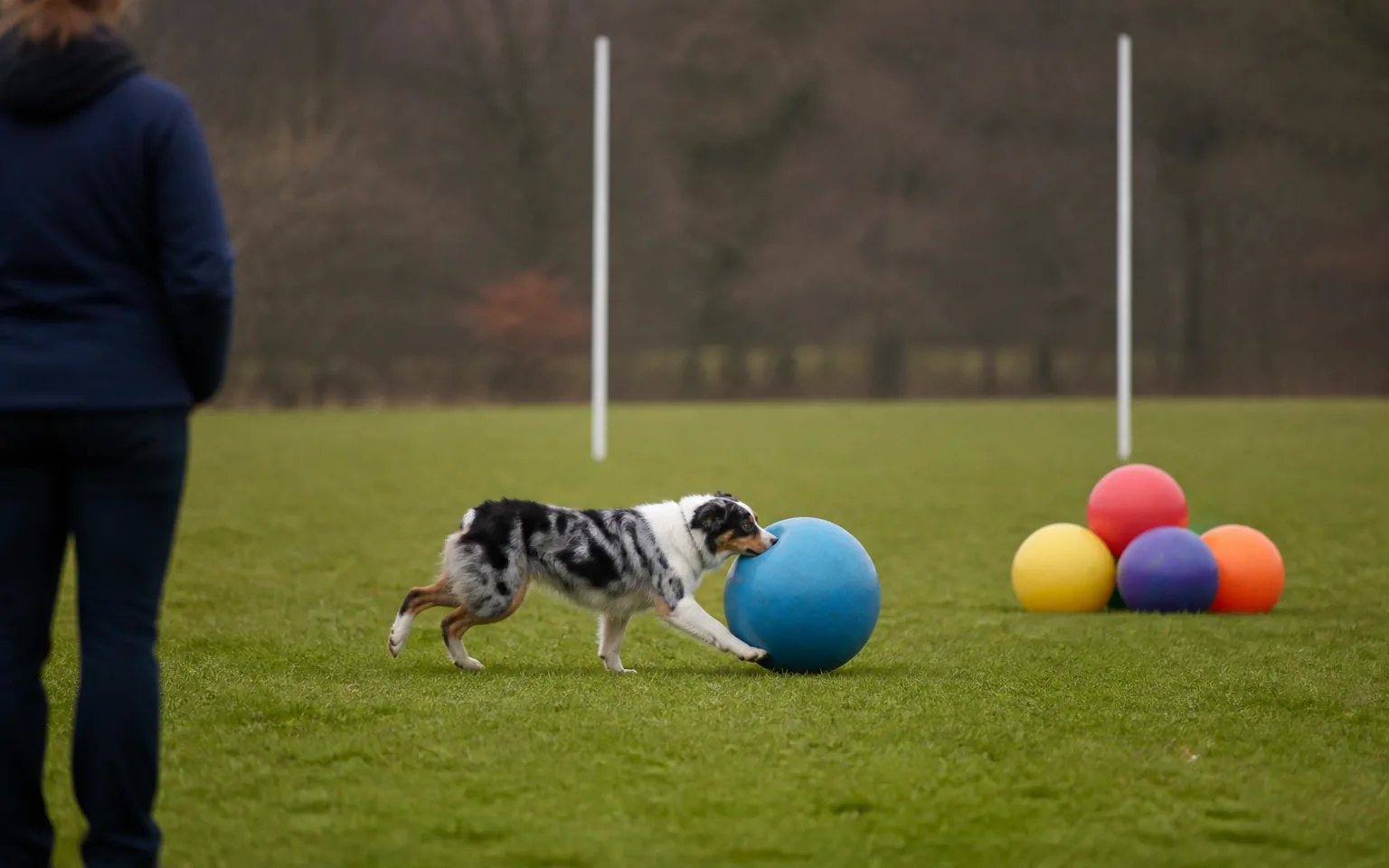
The dog drives big balls towards a goal.
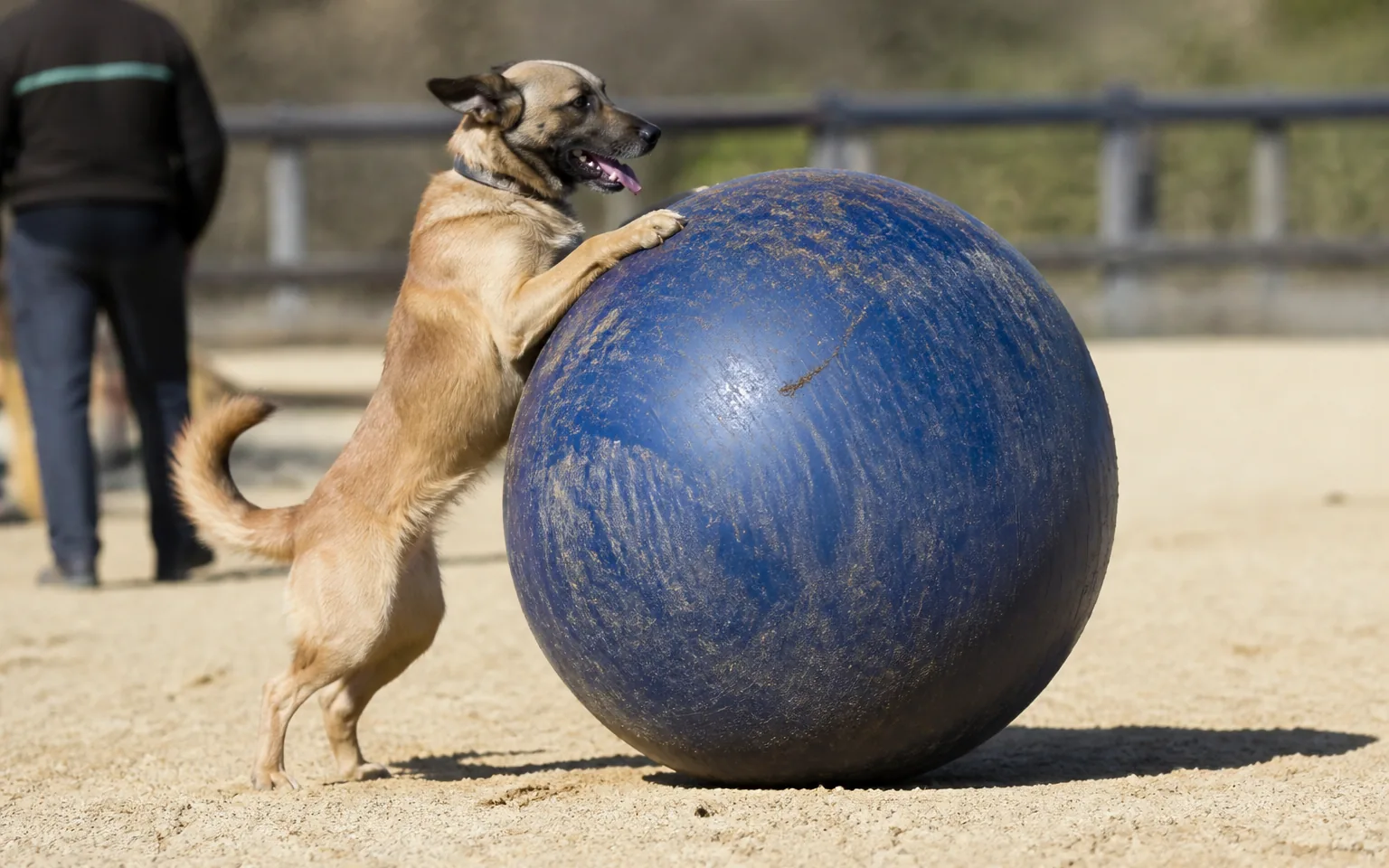
The dog pushes a big ball towards a target, under control.

This page is informational. We work in mantrailing, search and rescue and preparation for the TSAC and BH exams - but if you want an honest opinion on what would suit your dog, write to us anytime.