What does IAD stand for?
It is the endurance test of the FCI-IGP regulations (German Ausdauerprüfung, AD): 20 km beside a bicycle, with breaks, without points.

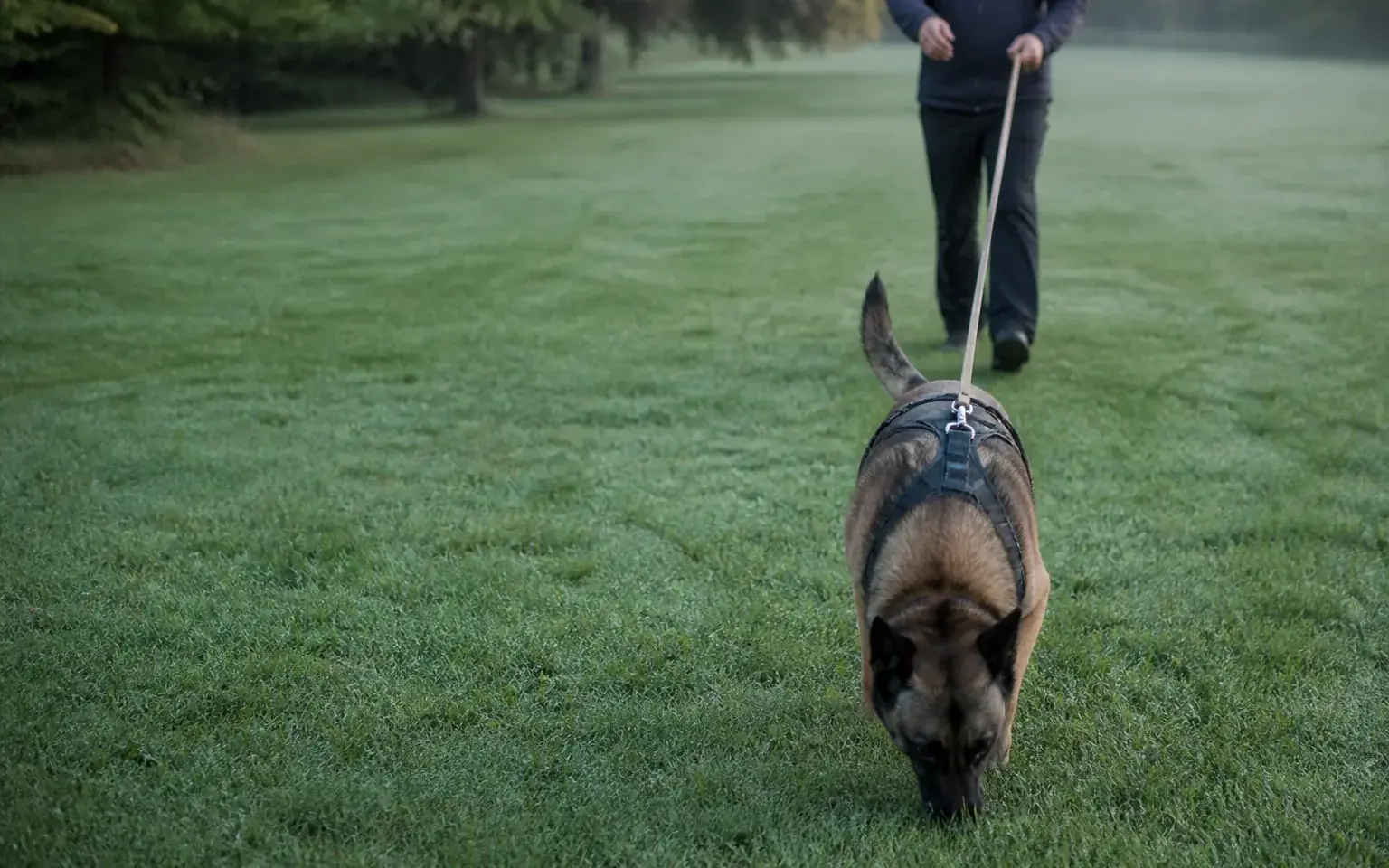
FCI-IGP trial
The endurance test (FCI-IAD, also known as AD, Ausdauerprüfung) checks whether the dog can sustain prolonged physical effort without visible fatigue: 20 km trotting beside a bicycle at 12-15 km/h, with breaks in which the judge checks the dog's condition and paws. No points are awarded, only passed / not passed. It is proof of health and fitness required by many working breeds for the breed survey.
Its purpose, in the words of the regulations, is proof that the dog "is capable of physical effort without subsequent considerable fatigue". It places increased demands on the heart and lungs but also shows temperament and hardness. The dog's structure and physical condition must hold up throughout the test, and the effort must look effortless.
It is held on roads and paths of various surfaces (asphalt, gravel, dirt), in summer only in the early morning or late afternoon, at no more than 22 °C. One judge may assess at most 20 dogs a day; each handler shows one dog.
| Stage | What happens |
|---|---|
| Start | the dog trots at a normal pace on the handler's right, beside the bicycle, on a longer leash so it can adapt its tempo; bicycle attachments ("Springer") are allowed |
| First 8 km | followed by a 15-minute break; the judge watches for signs of fatigue |
| Next 7 km | followed by a 20-minute break in which the dog moves freely |
| Last 5 km | before the final stretch the judge checks fatigue and paws; at the end, a 15-minute break with free movement and another check |
| Pace | 12-15 km/h; a dog that cannot hold at least 12 km/h or shows exceptional fatigue does not pass |
Source: FCI-IGP 2025, "The endurance trial - Performance of endurance test". A motor vehicle accompanies the route to pick up dogs that cannot continue; judges follow by bicycle or car.
There are no points or ratings: the result is "passed" or "not passed" and is entered in the scorebook or pedigree. Dogs that show excessive signs of fatigue, injure their paws or cannot hold the minimum speed are stopped by the judge; the judge's decisions cannot be contested. Slight pulling on the leash is not a fault, but the dog must not drag constantly and choke itself.
For search dogs, fitness is not optional: a real-world mantrailing trail can last an hour and run through forest, slopes and town. The endurance test is an honest test of physical preparation without any training technique, and a good winter goal for teams building stamina. We can help you assess whether your dog is ready before you enter.
The figures on this page come from the documents below; on trial day the text of the regulations is what counts.
Questions and answers
It is the endurance test of the FCI-IGP regulations (German Ausdauerprüfung, AD): 20 km beside a bicycle, with breaks, without points.
From 16 months reached on the day of the test, with a passed BH.
At a trot, between 12 and 15 km/h. Below 12 km/h, or with clear signs of fatigue, the test is not passed.
No. In summer the test is held only in the early morning or late afternoon, and the temperature must not exceed 22 °C.
No. The result is only passed or not passed, entered in the scorebook or pedigree.
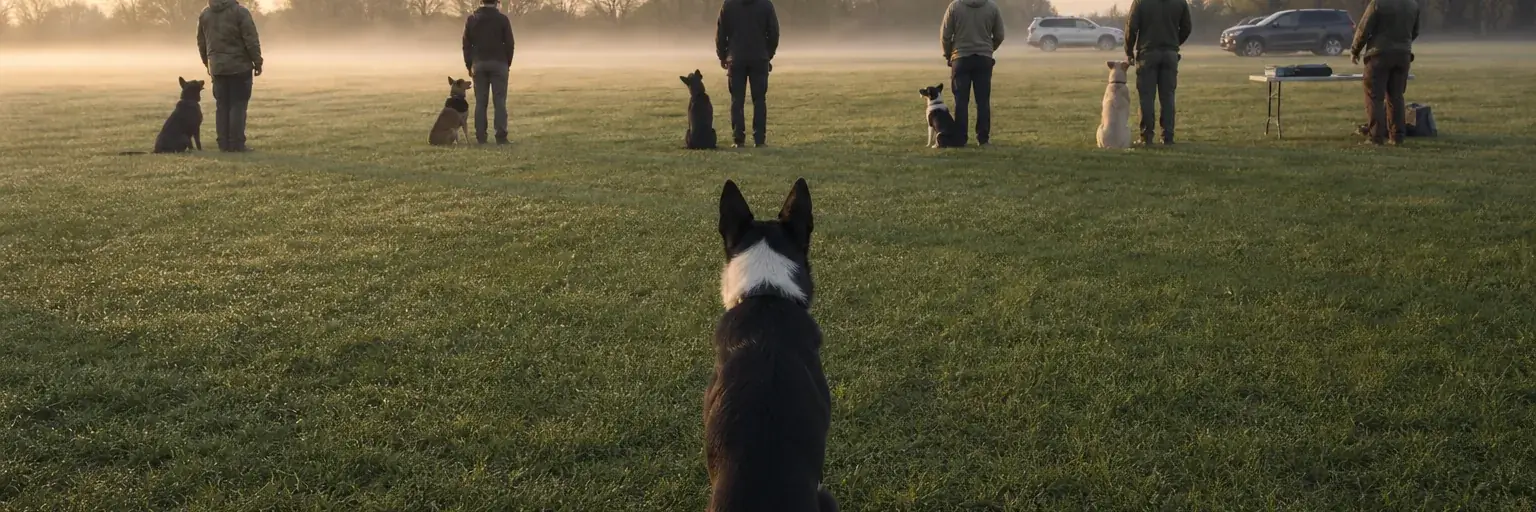
Every FCI-IGP trial starts from the companion dog test. We prepare teams for it and guide them onwards.