
Mantrailing Romania

How We Increase the Difficulty Level in Mantrailing

In mantrailing and K9 mantrailing, the level of difficulty is increased progressively as the dog develops stronger scenting skills, endurance, and the ability to maintain focus.
Difficulty adjustments are always made according to the experience of both the dog and the handler, in order to maintain motivation and safety during training sessions.
Through proper progression of exercises, the dog learns to handle longer trails, varied environments, and complex situations specific to both sport and operational mantrailing.

Beginner Level

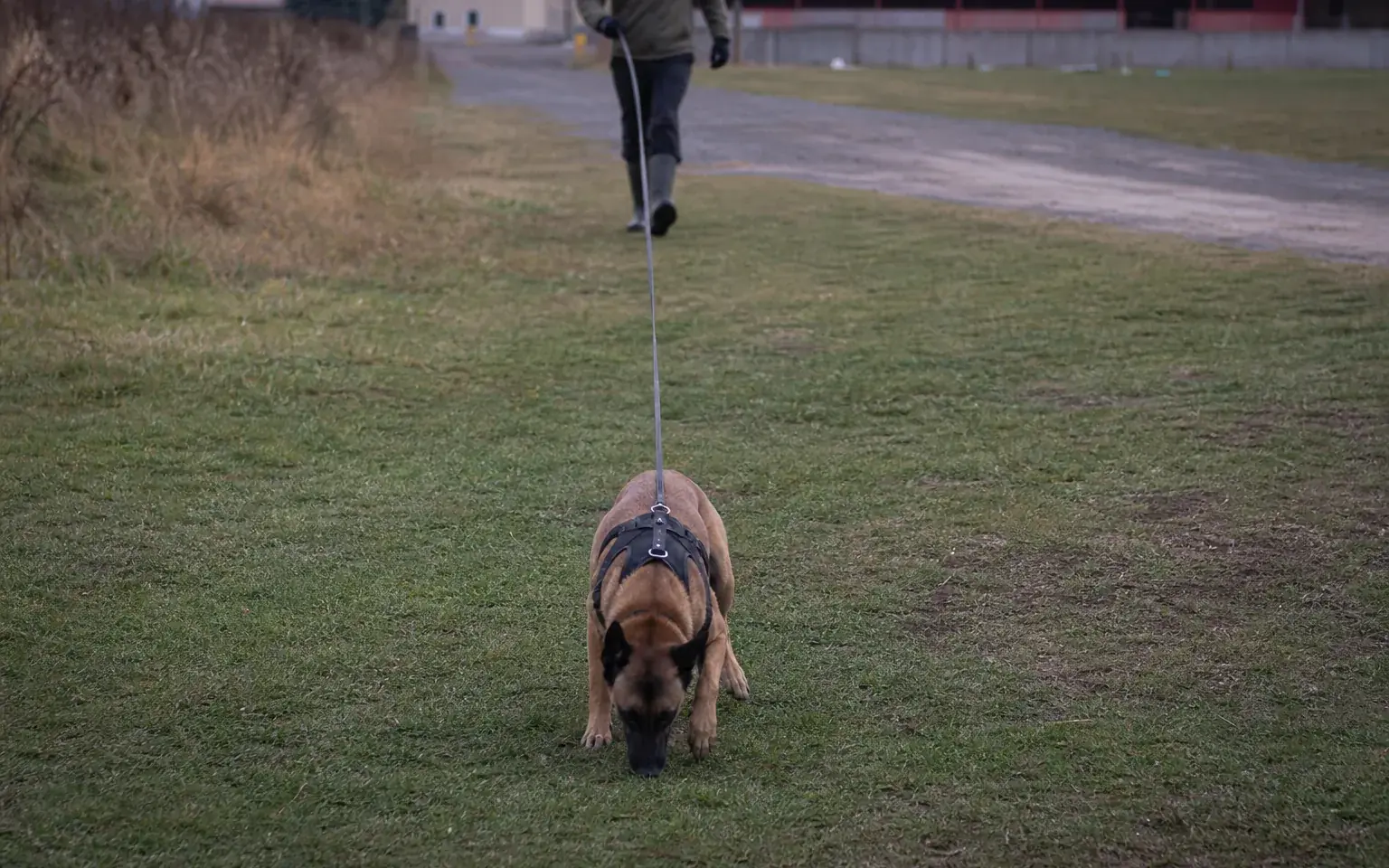
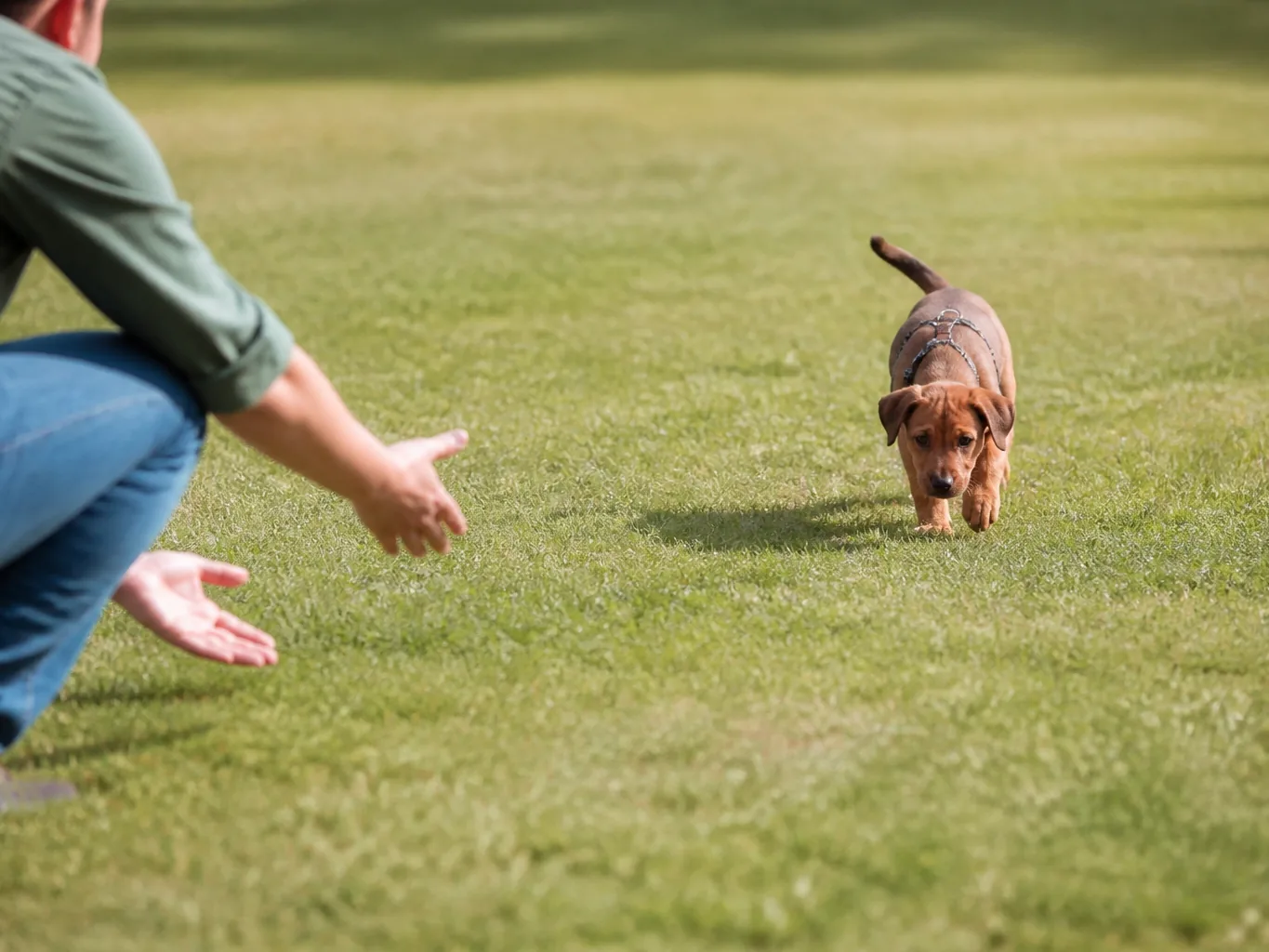
Objective: Building confidence, associating scent with reward, and learning the working method. Characteristics: short distances (5-20 meters), fresh trails (5-10 minutes after the person has left), simple environments (quiet park, open field), and the person to be found hides in visible or easily accessible locations. Challenges: the dog learns to focus on the scent and ignore distractions.

Intermediate Level

Objective: Increasing the level of difficulty in mantrailing and introducing distracting factors.
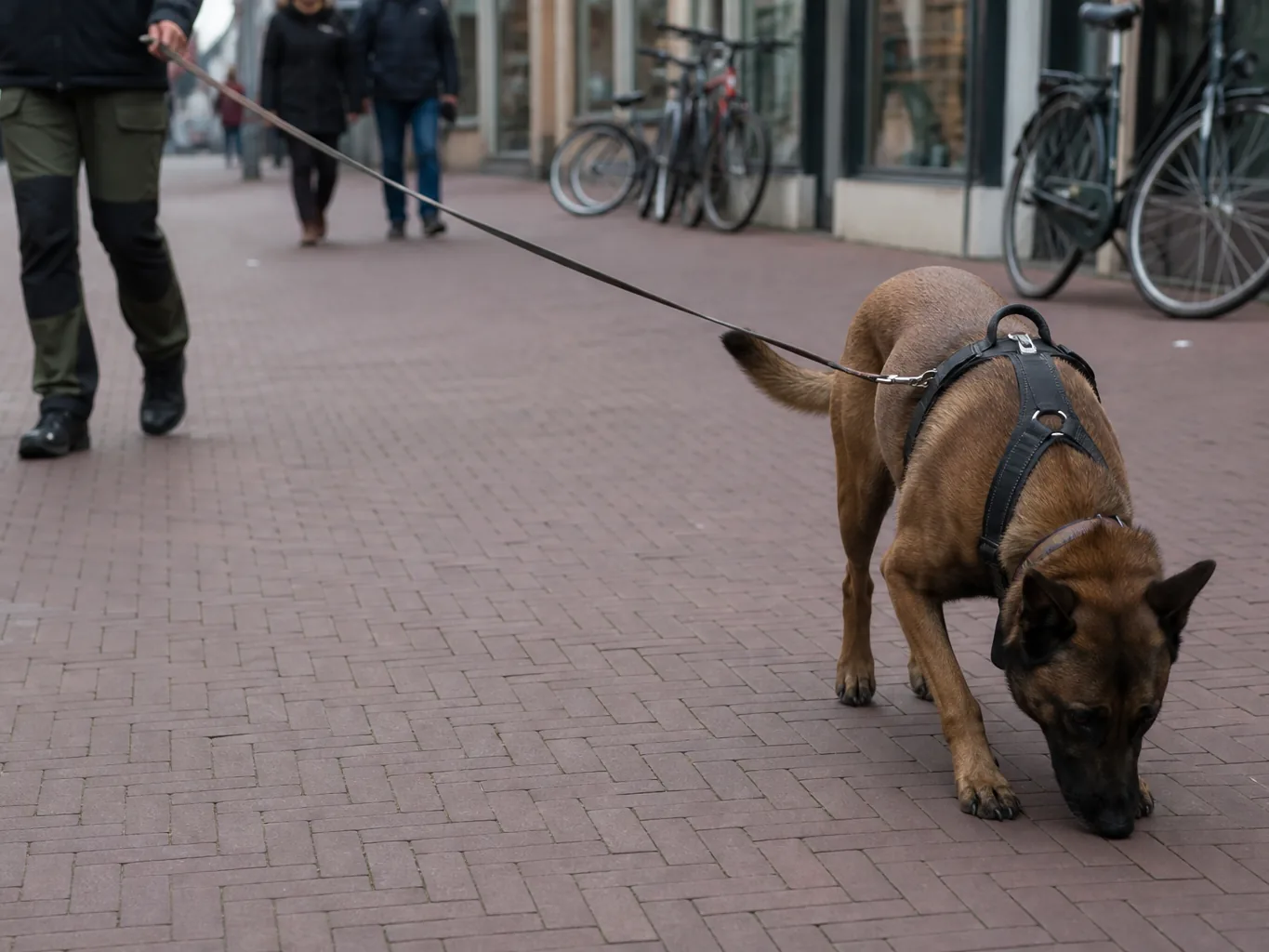
Characteristics: Medium distances (50-200 meters), older trails (30-60 minutes), and varied environments such as urban areas, forest paths, or busier locations. The person to be found may create more complex trails with turns and direction changes, and distracting scents are introduced during training (other people or animals nearby).
Challenges: The dog must rely more on its sense of smell, ignore distractions, and follow a longer and more complex trail, specific to sport and K9 mantrailing.

Advanced Level

Objective: Developing the skills required for real-world, complex, and operational scenarios in mantrailing and K9 mantrailing.
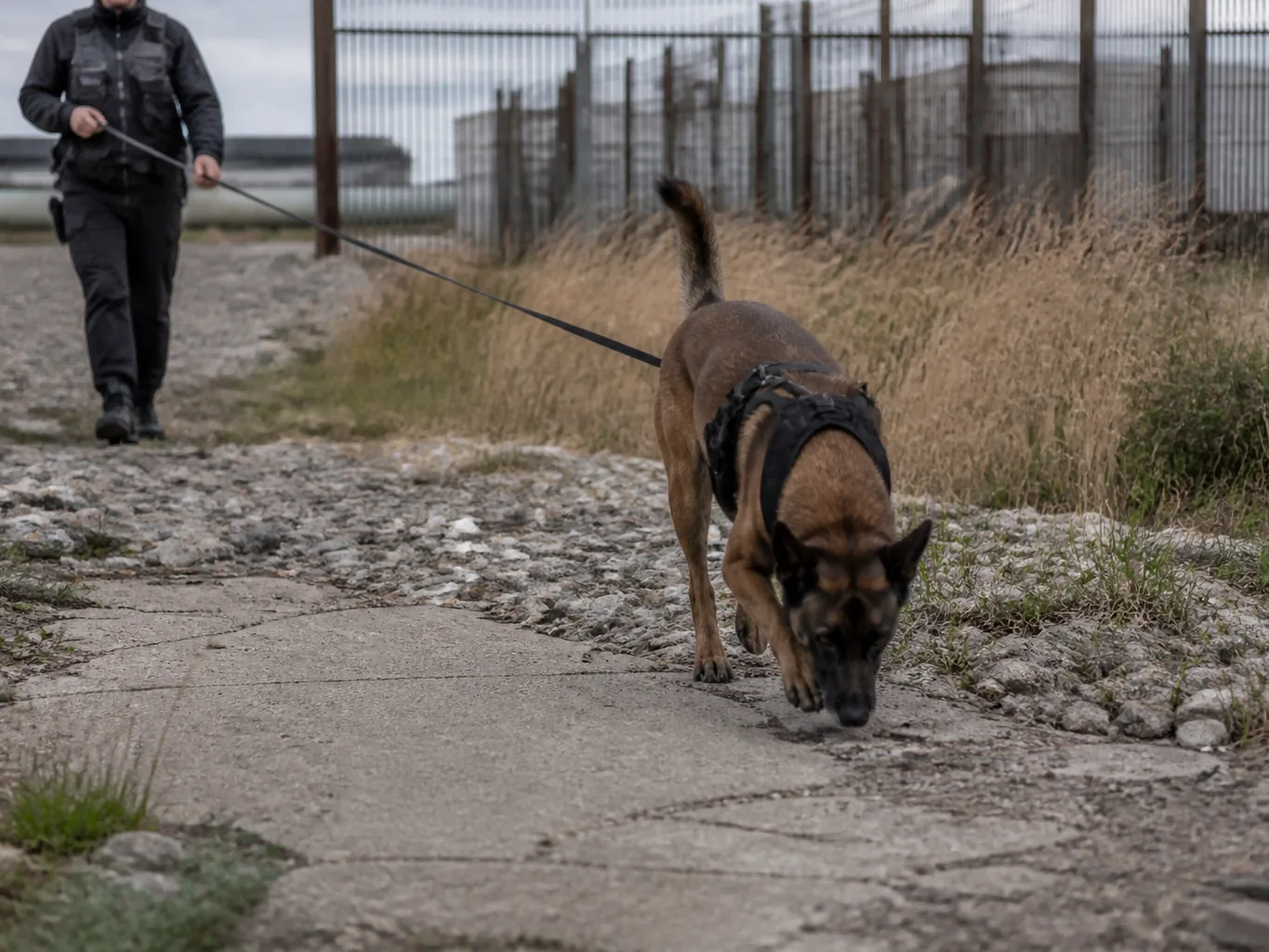
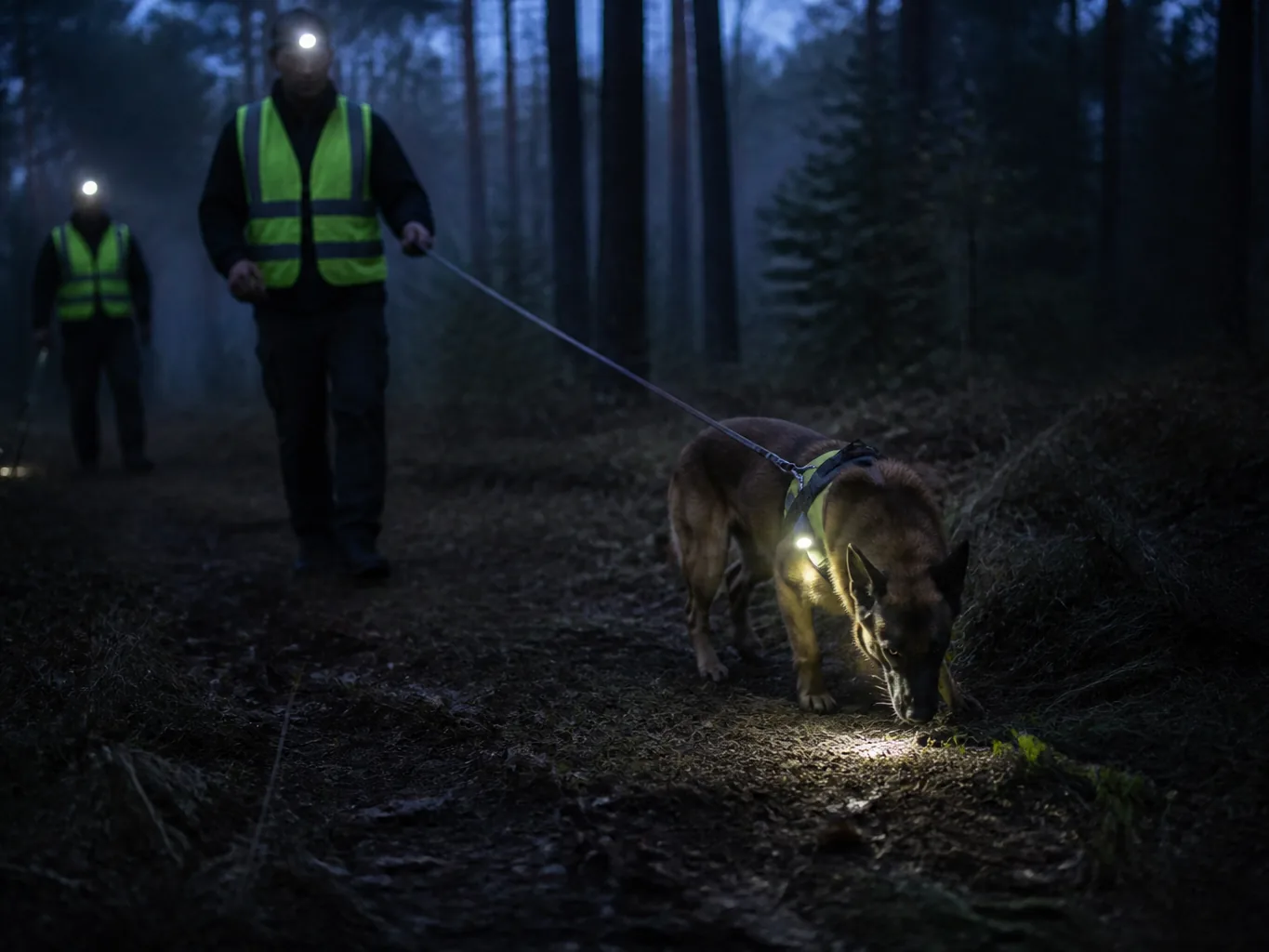
Characteristics: Long distances (300+ meters up to several kilometers), aged trails (2-24 hours), and challenging environments such as busy urban areas, rough terrain, dense forests, or enclosed spaces (buildings). Variable environmental factors are introduced, including strong wind, rain, and hard surfaces that retain scent poorly (for example, asphalt). The person to be found may change vehicles or cross bodies of water to further complicate the trail.
Challenges: The dog must differentiate between multiple scent sources, manage discontinuous trails, and adapt quickly to environmental conditions—essential skills in advanced and K9 mantrailing.

Professional Level (Real-World Scenarios)

Objective: Preparing the dog and handler for real search and rescue operations (Search and Rescue - K9).
Characteristics: Very old trails (24+ hours), extremely long distances, and highly varied environments, including combinations of urban and rural terrain, forests, and buildings. Multiple distractions are introduced, such as other response teams, vehicles, moving people or animals, as well as adverse weather conditions. Access to certain parts of the trail may be limited or restricted.
Challenges: Perfect cooperation between the dog and handler is required, and the dog must demonstrate a high level of independence, emotional stability, and physical and mental endurance, specific to operational K9 mantrailing.

Tips for Adjusting Difficulty:

By adjusting the level of difficulty, you can develop a well-prepared mantrailing dog capable of handling even the most complex tasks.

1. Increase complexity gradually: Do not jump abruptly to advanced levels; give the dog time to learn and build confidence.

2. Vary the environment: Introduce the dog to different environments to help it adapt to new situations.

3. Monitor stress levels: If the dog becomes frustrated, return to simpler exercises.

4. Pay attention to progress: Track the dog's performance and adjust the difficulty according to its abilities.